Freya Yang
+86 18318948097
+852 62667476
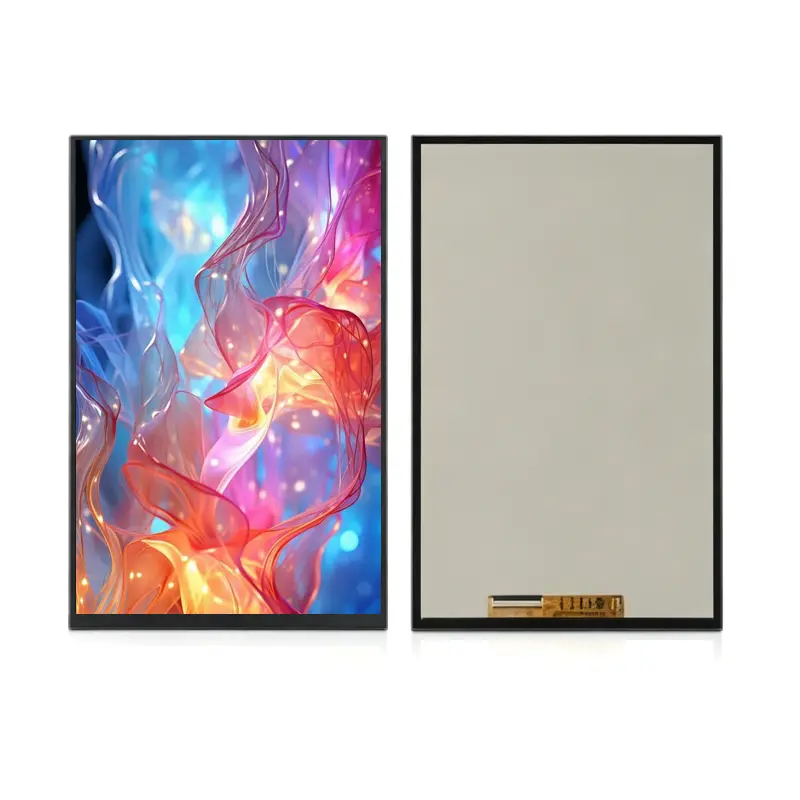
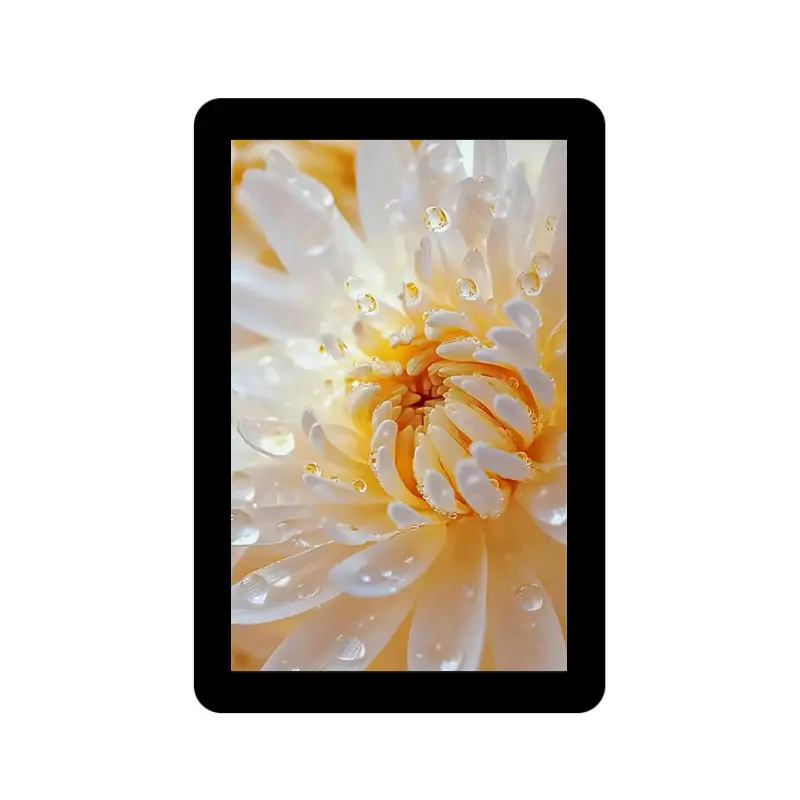
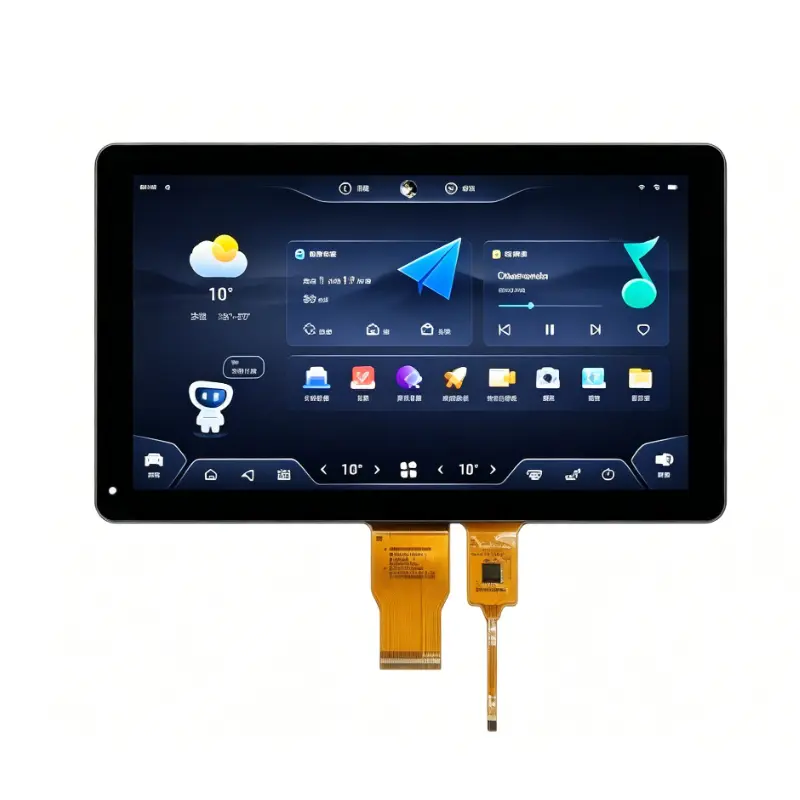
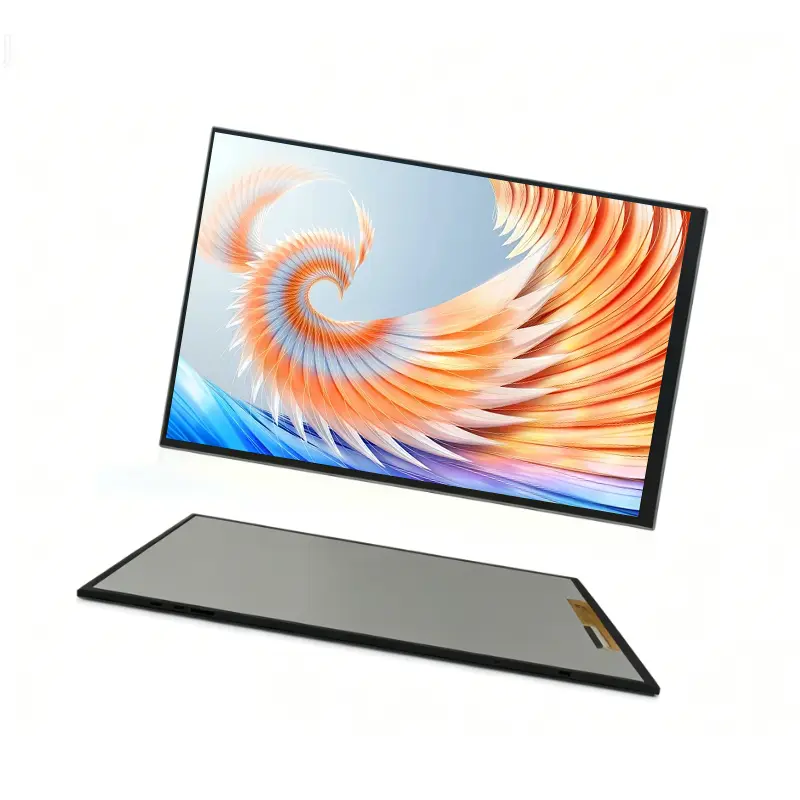
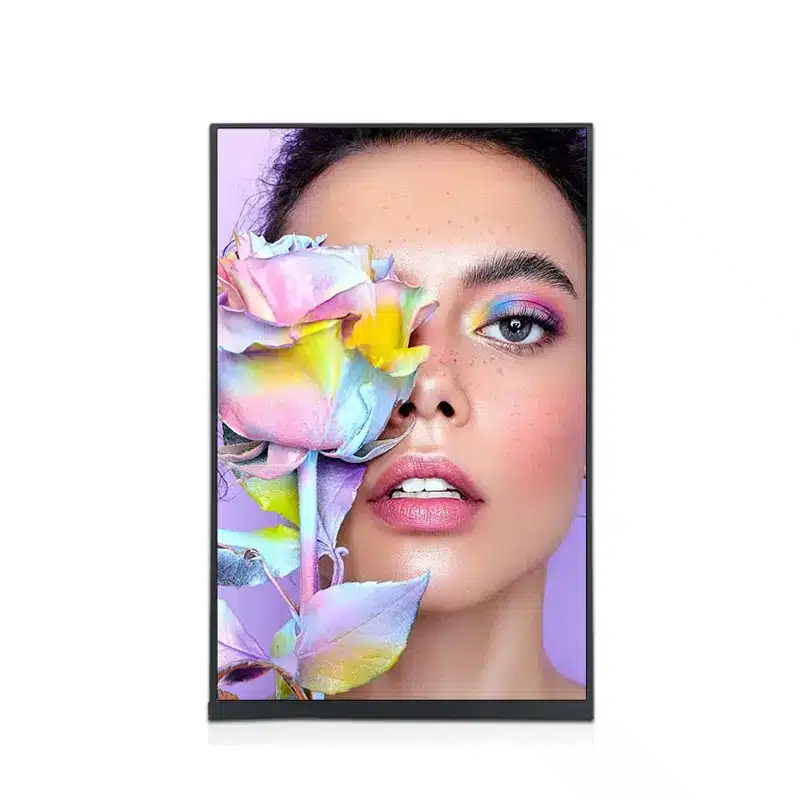
10.1 Inch Medical Portrait MIPI IPS LCD Display for Control Panels
Model P/N
Size
Resolution
Brightness
Viewing Angle
Connector Type
Operating Temp
Overall(mm)
huisoar
HS100035B2
Brand
Panel Size (inch)
Model P/N
Resolution
Brightness (nits)
Viewing Angle
Contrast Ratio
Response Time
Overall (mm)
Active Area (mm)
Refresh Rate
Display Colors
Panel Type
Connector Type
Surface Treatment
Operating Temp
Touchscreen Type
Storage Temp
Work Mode
Pixel Format
Operating Environment
Designed For
10.1 Inch Medical Portrait MIPI IPS LCD Display for Control Panels
A 10.1-inch 800 × 1280 non-touch module combines 550 cd/m² IPS viewing with a 40-pin MIPI connection for portrait embedded interfaces.
The Medical Portrait MIPI IPS LCD Display is a 10.1-inch portrait TFT-LCD module for equipment that benefits from a vertically organized user interface. Its 800 × 1280 resolution, IPS viewing characteristics, 550 cd/m² typical luminance and 40-pin MIPI connection create a practical platform for control panels, access-control terminals, smart-home interfaces and medical-equipment projects that require a compact portrait screen.
Product Summary
800 × 1280 portrait geometry
The 10:16 screen format provides more vertical workspace than a conventional landscape panel. Interface designers can use the native canvas for menu lists, status fields, parameter pages, prompts and other information that naturally flows from top to bottom.
The native 800 × 1280 raster should be driven directly for portrait interface design rather than treated as a rotated widescreen canvas.
IPS viewing with a defined luminance target
IPS panel technology is paired with 80°/80°/80°/80° viewing performance in the stated left/right/up/down order. A 1000:1 typical contrast ratio and 16.7M-color capability support text, graphics, icons and embedded interface content.
The 550 cd/m² typical rating provides a defined optical target for system validation, but the finished result still depends on the front cover, reflection and installation lighting.
Key Specifications
| Parameter | Specification |
|---|---|
| Display size | 10.1 inches |
| Resolution | 800 × 1280 pixels |
| Aspect ratio | 10:16 portrait |
| Panel family | a-Si TFT-LCD, IPS |
| Optical type | Transmissive |
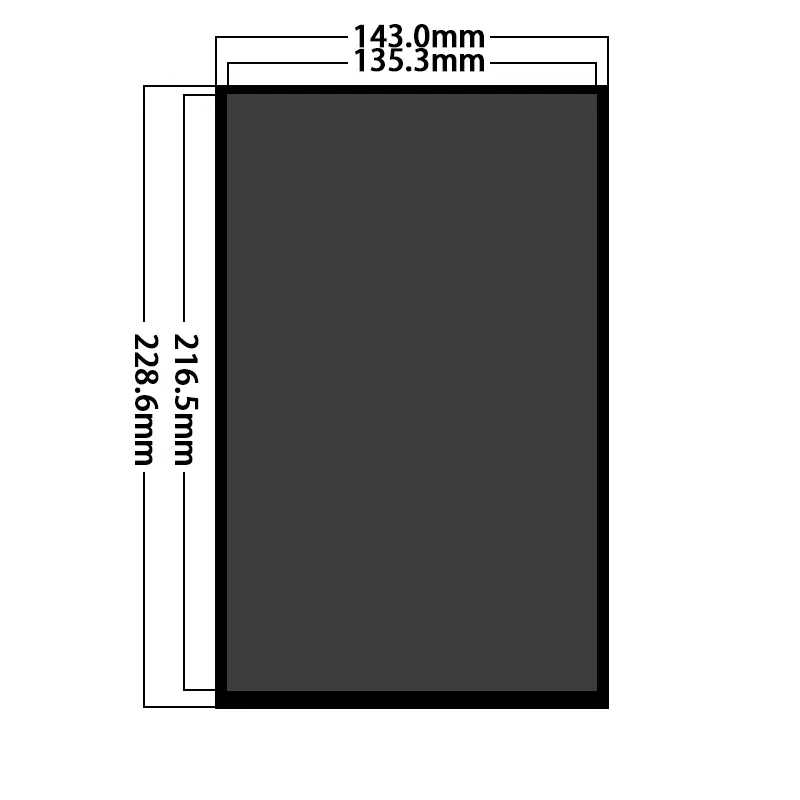
| Active area | 135.36 × 216.576 mm |
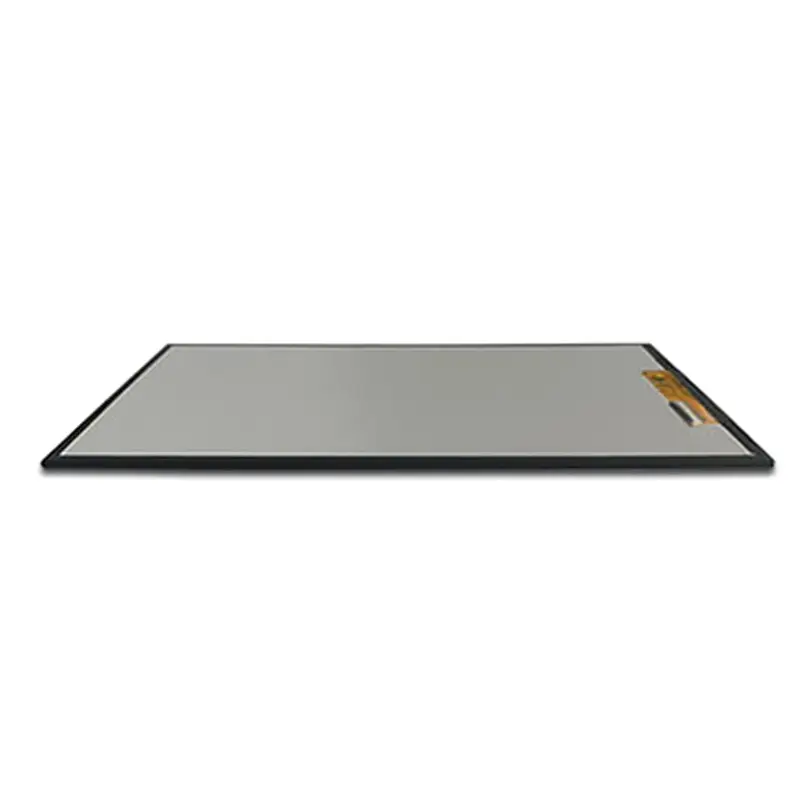
| Structure reference | 143 × 228.6 × 2.8 mm |
| Luminance | 550 cd/m² typical |
| Contrast ratio | 1000:1 typical |
| Viewing angle | 80°/80°/80°/80° L/R/U/D |
| Colors | 16.7M |
| Pixel arrangement | RGB stripe |
| Interface | MIPI |
| Connector count | 40 pins |
| Backlight | WLED |
| Touch | No touch |
| Operating temperature | −10°C to +60°C |
| Storage temperature | −20°C to +70°C |
Portrait UI and Mechanical Planning
Prepare the interface for the native canvas
An 800 × 1280 portrait layout works well when information is organized into vertical navigation, stacked parameter blocks, patient or equipment status areas, access-control steps, home-control menus or similar interface patterns.
Designing directly around the native raster reduces unnecessary scaling and gives UI teams predictable control over text size, icons and status regions.
Separate active area from total module structure
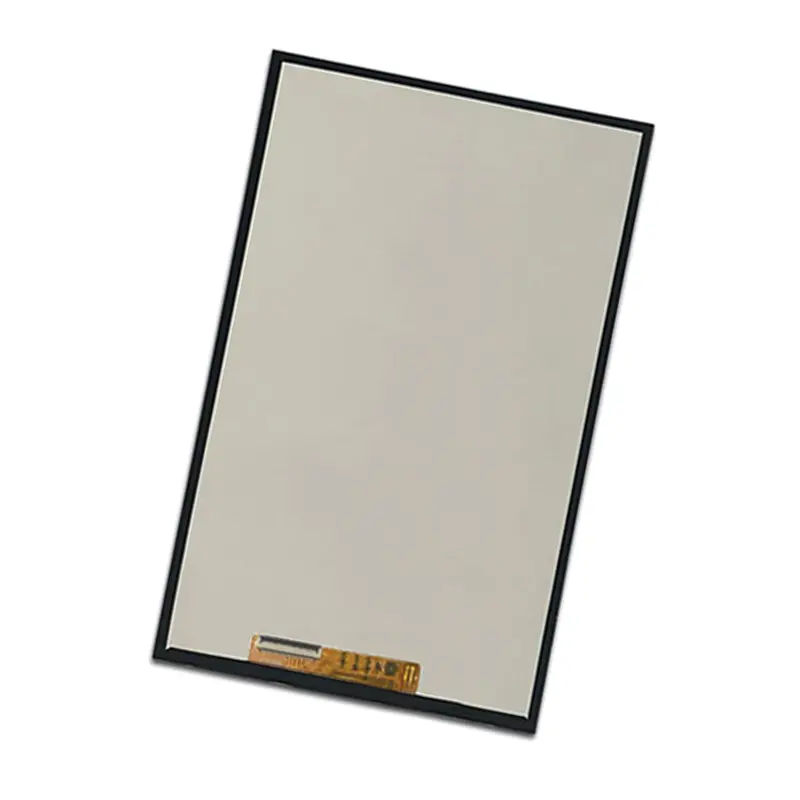
The visible active area measures 135.36 × 216.576 mm. The more detailed structure reference is 143 × 228.6 × 2.8 mm, so the enclosure needs to account for both the image window and the surrounding module structure.
Mechanical records also contain a separate 2 mm maximum-thickness entry. The approved production drawing should resolve that difference before enclosure tooling is released.
Integrating the Medical Portrait MIPI IPS LCD Display
Qualify the 40-pin MIPI host completely
The standard module uses a 40-pin MIPI interface. Connector count alone is not sufficient for electrical approval.
A 40-pin MIPI connector does not guarantee lane count, operating mode, timing, voltage, pin mapping or host compatibility.
Engineering teams should therefore lock the complete pin assignment, connector orientation, host timing requirements, voltage domains and any required panel initialization documentation before the controller design enters production.
Keep the non-touch baseline explicit
The standard configuration is non-touch. This can be useful for equipment controlled through buttons, keys, rotary controls or another independent input device, and it also provides a clean display foundation when a project-specific front structure is required.
If touch is needed, the touch technology, controller, interface, cover structure and final mechanical stack should be specified as a separate project configuration rather than assumed from the MIPI display connector.
Optical and Environmental Qualification
Validate 550 cd/m² behind the final front cover
The panel is rated at 550 cd/m² typical luminance. Protective glass, bonding materials, air gaps, coatings and reflections can change the effective brightness seen by the operator.
The 550 cd/m² panel rating does not by itself establish diagnostic-display or direct-sun performance behind the finished front stack.
Projects should evaluate the complete optical assembly under representative lighting before approving the final display configuration.
Keep operating and storage limits separate
The operating range is −10°C to +60°C, while storage is specified from −20°C to +70°C. These limits describe the component configuration and should not be expanded into a wider finished-equipment environmental rating.
Enclosure temperature, humidity, sealing, shock, vibration and regulatory requirements still need to be established at system level.
Application Fit for Medical and Control Equipment
Medical-equipment integration requires system qualification
The Medical Portrait MIPI IPS LCD Display can be evaluated for medical-equipment interface projects where a portrait screen, wide viewing and a non-touch architecture fit the device design.
Medical-equipment use is an integration direction and still requires finished-device regulatory and performance qualification.
The display specification alone does not establish diagnostic-image performance, medical certification, electromagnetic compliance or any other finished-device approval.
Security, smart-home and industrial control panels
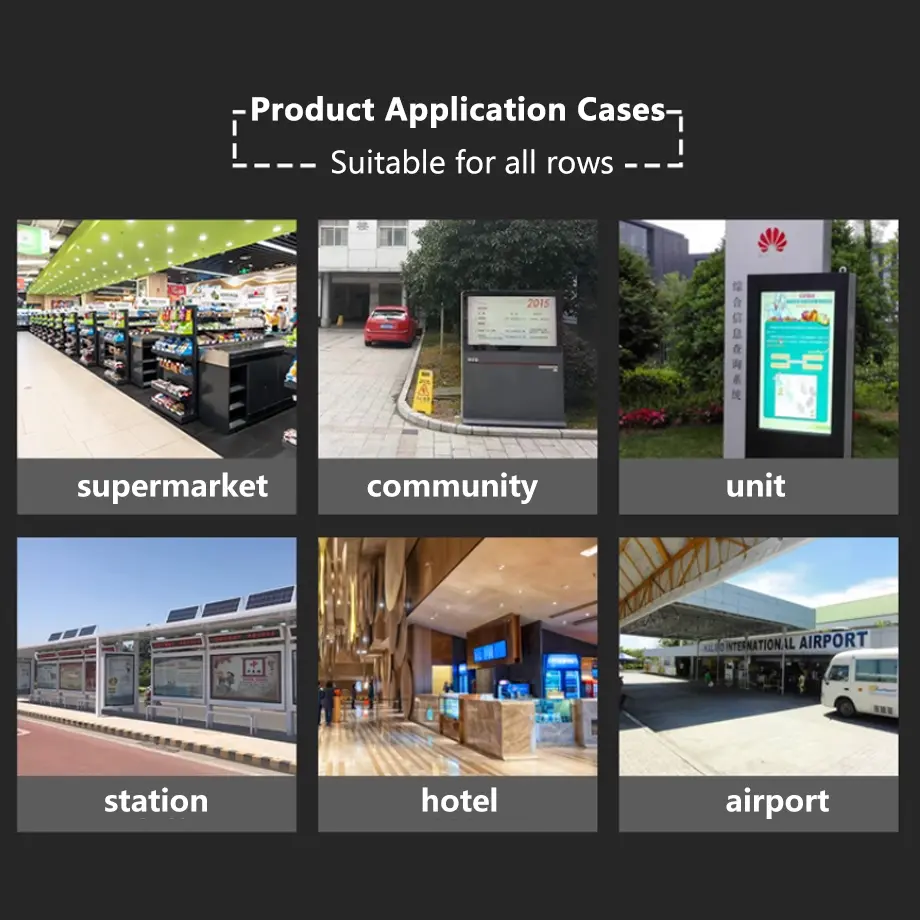
The portrait format also fits access-control terminals, security interfaces, smart-home control panels, tablet-style embedded systems and industrial control equipment. These applications can benefit from vertically organized workflows and the relatively slim module structure.
Vehicle-display concepts may also be evaluated when the complete product is separately qualified for its electrical, environmental, vibration and regulatory requirements.
Customization and Project Qualification
Project review can cover MIPI pin definition, FPC geometry, interface adaptation, cover glass, anti-glare or anti-reflective treatment, optical bonding, separate touch development, brightness/backlight requirements, enclosure adaptation, cable routing, branding and packaging.
Custom configurations are generally reviewed from 500 pieces, subject to tooling requirements, material availability and the requested specification. Sample and standard-module quantities are confirmed separately.
Procurement Checklist
Before sampling, confirm the native 800 × 1280 timing and orientation, MIPI lane count and operating mode, complete 40-pin assignment, connector pitch and orientation, interface voltage requirements, and any required initialization package.
Also lock the 135.36 × 216.576 mm active area, resolve the 143 × 228.6 × 2.8 mm structure reference against the separate 2 mm thickness entry, define the 550 cd/m² acceptance method, and confirm the non-touch baseline or any separate touch requirement.
For medical or other regulated equipment, provide the project-specific compliance, optical, environmental and documentation requirements instead of inferring them from the LCD component specification.
FAQ
About 10.1 Inch Medical Portrait MIPI IPS LCD Display
What must be checked before connecting a 40-pin MIPI host?
How should the 800 × 1280 interface be prepared for portrait use?
Is 550 cd/m² sufficient behind a front cover?
What must be confirmed before using the module in medical equipment?
Which thickness value should control enclosure release?
Freya Yang
+86 18318948097