Freya Yang
+86 18318948097
+852 62667476
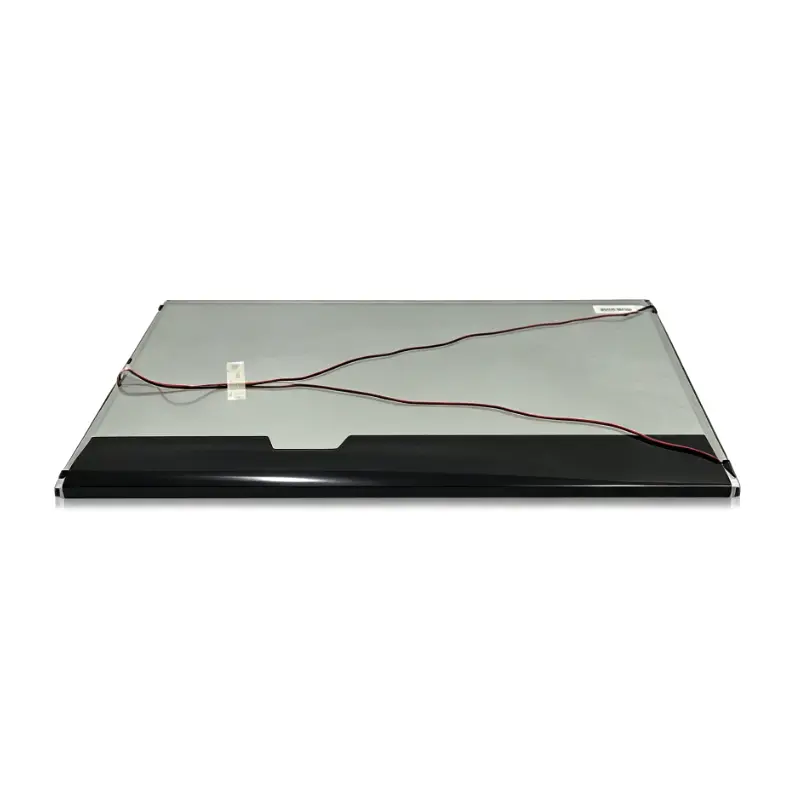
21.5 Inch Outdoor High Luminance Machinery Display Module
Model P/N
Size
Resolution
Brightness
Viewing Angle
Connector Type
Operating Temp
Overall(mm)
huisoar
HS215009B0
Brand
Panel Size (inch)
Model P/N
Resolution
Brightness (nits)
Viewing Angle
Contrast Ratio
Response Time
Overall (mm)
Active Area (mm)
Refresh Rate
Display Colors
Panel Type
Connector Type
Operating Temp
Touchscreen Type
Storage Temp
Work Mode
Input Voltage (V)
Control Type
Operating Environment
Designed For
21.5 Inch Outdoor High Luminance Machinery Display Module
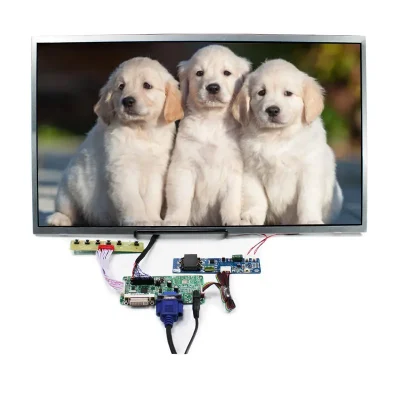
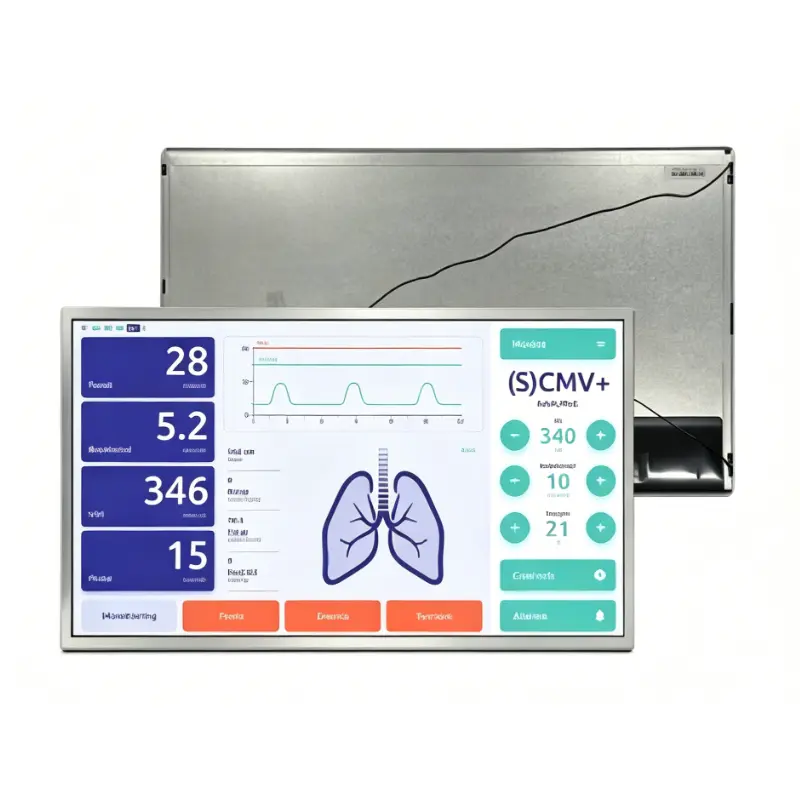
The Outdoor High Luminance Machinery Display Module combines a 21.5-inch Full HD IPS panel, 1000 cd/m² luminance and a 30-pin LVDS connection for high-ambient equipment integration.
Product Summary
The Outdoor High Luminance Machinery Display Module provides a large-format screen for machinery data, industrial monitoring, advertising content and passenger-information interfaces. Its Full HD raster gives system designers enough space for detailed graphics, status values, camera images, alarm areas and operational controls.
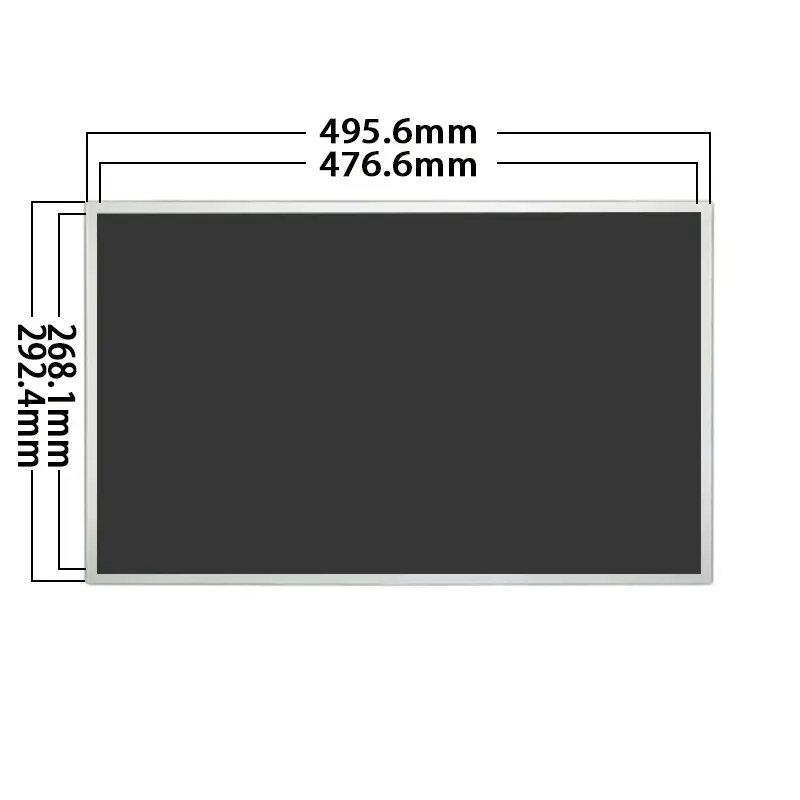
The module has a 476.64 × 268.11 mm active area within a 495.6 × 292.4 × 10.5 mm outline. It combines IPS viewing, 1000 cd/m² typical panel luminance, a 1000:1 typical contrast ratio, 16.7M colors and a native 30-pin LVDS connection. The confirmed configuration is non-touch.
Key Specifications
| Parameter | Value |
|---|---|
| Display size | 21.5 inch |
| Resolution | 1920 × 1080 pixels |
| Aspect ratio | 16:9 |
| Panel technology | IPS a-Si TFT-LCD |
| Optical construction | Transmissive |
| Luminance | 1000 cd/m² typical |
| Contrast ratio | 1000:1 typical |
| Viewing angle | 80/80/80/80, L/R/U/D |
| Display colors | 16.7M |
| Interface | 30-pin LVDS |
| Active area | 476.64 × 268.11 mm |
| Overall size | 495.6 × 292.4 × 10.5 mm |
| Backlight | WLED |
| Touch status | Non-touch |
| Operating temperature | −20°C to +70°C |
| Storage temperature | −30°C to +80°C |
Full HD Content for Outdoor Equipment Interfaces
Native 1920 × 1080 Content Mapping
The native Full HD raster supports established content formats while providing enough screen area for detailed equipment interfaces. A finished system can organize content into areas for:
- operating status
- process values
- camera feeds
- warning messages
- system diagnostics
- route information
- maintenance instructions
- advertising media
- passenger notices
- equipment guidance
Content should be rendered at the native 1920 × 1080 resolution to preserve text detail and graphic alignment.
Operator Information and Viewing Distance
The interface should be tested at the intended viewing distance rather than evaluated only at desktop range.
Engineering review should cover:
- minimum font height
- icon dimensions
- alarm prominence
- chart-label size
- background contrast
- safe margins
- language expansion
- camera-image scaling
- day and night themes
- emergency-message placement
Outdoor and machinery interfaces should prioritize fast recognition over excessive information density.
High-Luminance IPS Optical Performance
1000 cd/m² Panel Luminance
The panel provides 1000 cd/m² typical luminance. This gives the optical design additional margin for bright industrial areas, machinery cabins, transportation equipment and outdoor-adjacent advertising installations.
The value describes panel luminance before losses caused by:
- protective glass
- air gaps
- optical adhesives
- surface reflections
- polarizers
- installation angle
- thermal conditions
The final assembly should be measured after the complete optical stack is installed.
Finished-System Outdoor Visibility
A 1000 cd/m² panel does not independently guarantee direct-sunlight readability.
Outdoor visibility also depends on:
- front-glass transmission
- anti-reflection performance
- surface reflectance
- enclosure shading
- panel orientation
- direct solar exposure
- automatic dimming
- internal temperature
- content contrast
The display should be tested in the intended enclosure and lighting environment before the product is described as sunlight readable.
Viewing Angle, Contrast and Color
The IPS panel provides 80/80/80/80 viewing angles in the left, right, upper and lower directions. This supports installations where users approach from different positions or view the display from above or below the panel center.
The 1000:1 typical contrast ratio supports separation between text, graphics and interface backgrounds. The 16.7M-color capability supports graphical interfaces and media content, but it does not establish a calibrated color gamut or color-accuracy grade.
30-Pin LVDS Integration
Channel, Mapping and Bit-Depth Checks
A 30-pin LVDS connector does not establish electrical compatibility by itself.
Before controller or cable release, confirm:
- LVDS channel count
- six-bit or eight-bit definition
- JEIDA or VESA mapping
- native pixel timing
- pixel-clock range
- complete 30-pin assignment
- panel logic voltage
- connector pitch
- connector contact side
- cable orientation
- backlight voltage
- backlight current
- enable and dimming signals
Another 21.5-inch Full HD panel may use the same pin count with a different LVDS mapping or electrical requirement.
Controller-Board Qualification
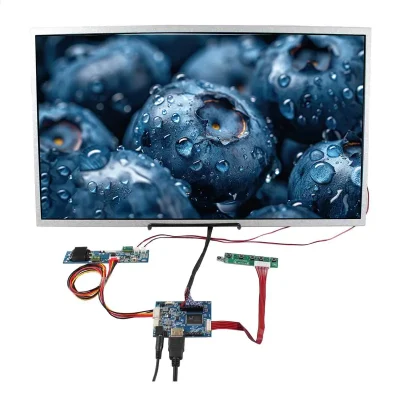
HDMI, DisplayPort, USB or other system inputs require a controller that converts the source signal into the correct native LVDS format.
Controller review should include:
- supported input resolution
- native 1920 × 1080 output
- LVDS channel structure
- bit depth
- mapping
- panel voltage
- backlight output
- startup behavior
- standby control
- brightness control
- LVDS cable definition
A controller board is a separate system component and should not be described as the panel’s native interface.
Outdoor High Luminance Machinery Display Module Mechanics
Active Area and Front Opening
The active image area measures 476.64 × 268.11 mm.
This dimension should control:
- visible bezel opening
- protective-glass window
- printed black mask
- panel alignment
- interface-safe margins
- camera-image placement
- alert-zone placement
- advertising-content boundaries
Critical information should remain visible after bezel overlap and production tolerances are applied.
Outline and Cable Clearance
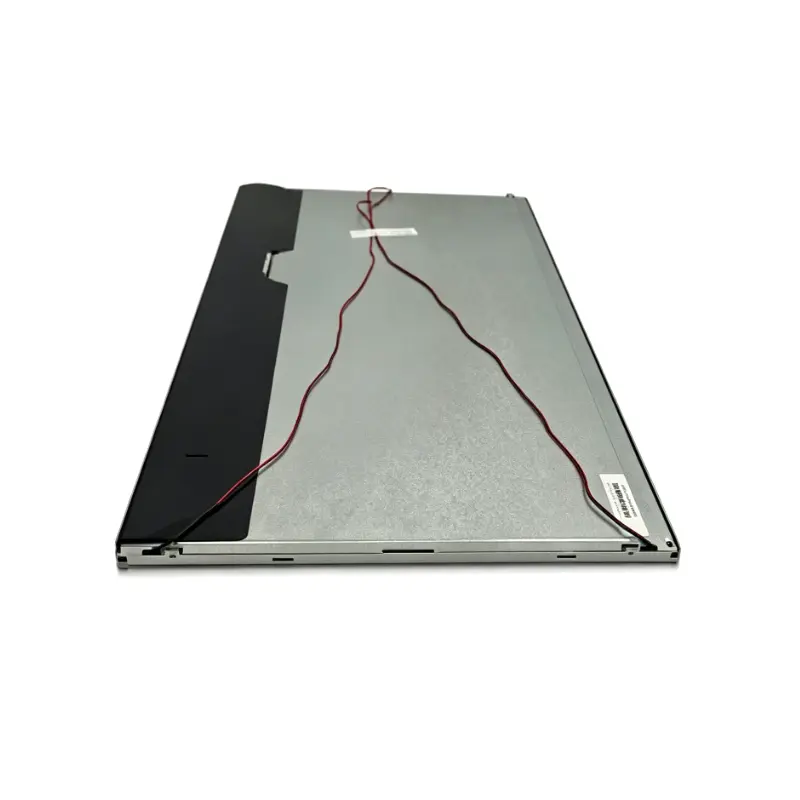
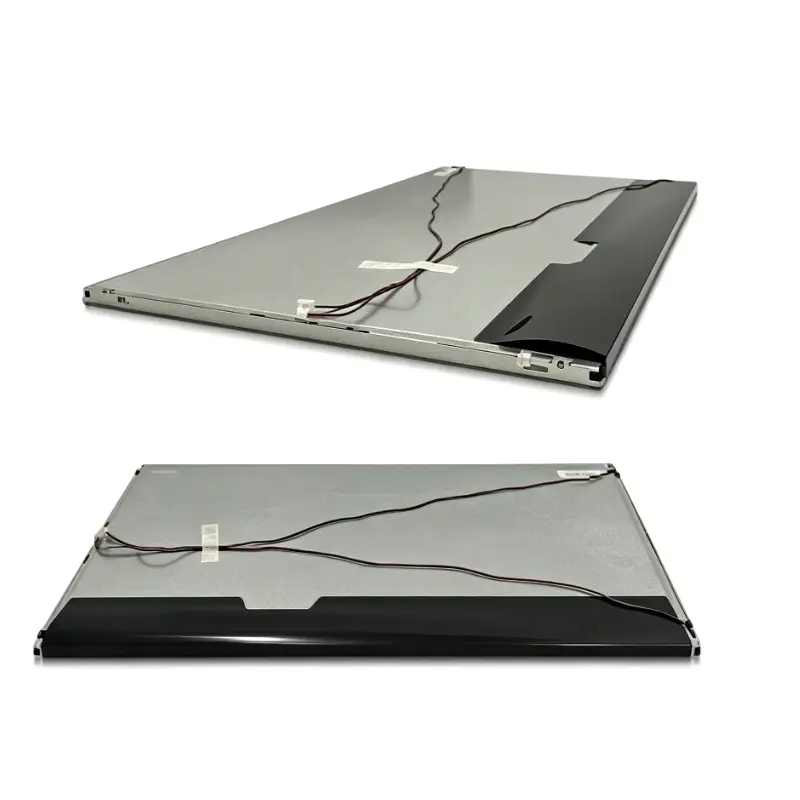
The module measures 495.6 × 292.4 × 10.5 mm.
Mechanical validation should include:
- overall panel fit
- active-area position
- connector location
- LVDS cable path
- cable bend radius
- rear clearance
- backlight housing clearance
- mounting support
- glass overlap
- ventilation
- service access
- enclosure tolerances
The 10.5 mm value does not include an unconfirmed controller board, protective enclosure or cover-glass assembly.
Wide-Temperature Qualification
The module is specified for operation from −20°C to +70°C and storage from −30°C to +80°C.
These ranges support evaluation in equipment exposed to wider temperatures than ordinary indoor monitor products. They do not prove compliance with a specific outdoor, machinery, rail or medical standard.
System testing should include:
- cold startup
- high-temperature luminance
- image response across temperature
- backlight thermal performance
- controller temperature
- solar heating behind glass
- condensation
- thermal cycling
- cable retention
- shock and vibration where required
The complete enclosure, controller, cable and optical stack should be used for qualification.
Non-Touch System Architecture
The confirmed module is non-touch. It is suitable for systems controlled through:
- physical buttons
- rotary controls
- joysticks
- membrane keys
- keyboard or pointing devices
- remote software
- external touch overlays
- system-side control panels
A non-touch module keeps the standard product scope limited to display output.
Projects requiring touch must separately define:
- sensor technology
- touch controller
- communication interface
- cover glass
- bonding method
- touch firmware
- final thickness
- environmental qualification
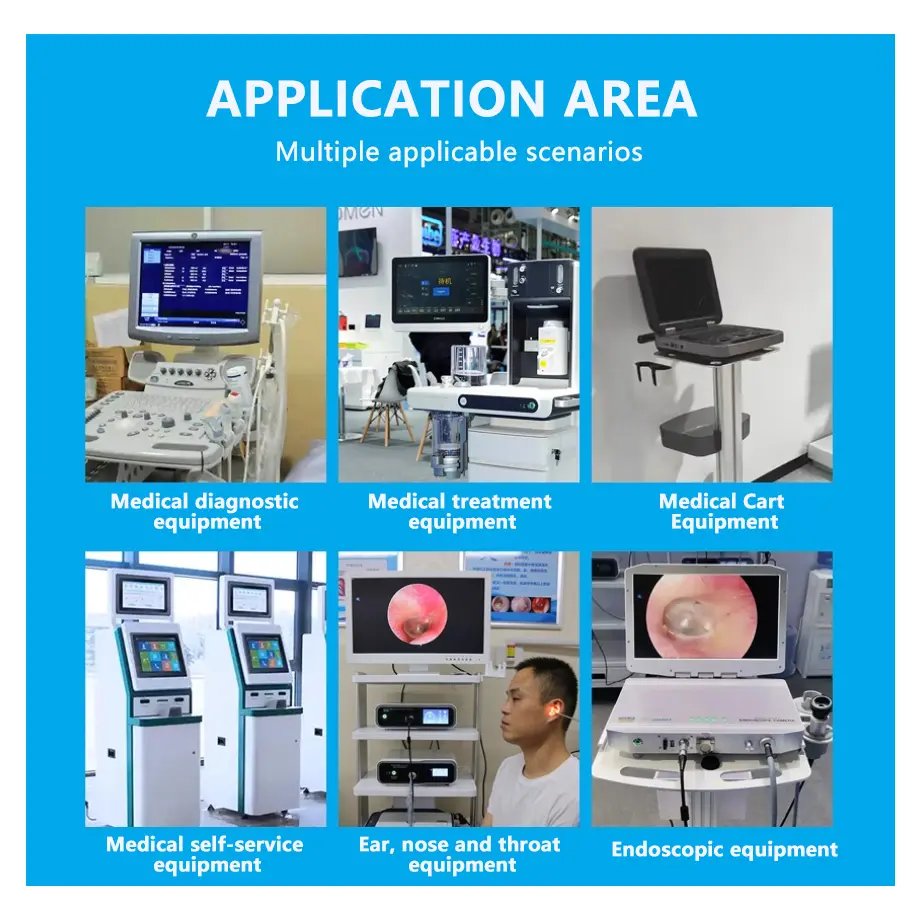
Application Integration
Outdoor Industrial Advertising Machines
The module can be evaluated for outdoor-adjacent advertising equipment where 1000 cd/m² panel luminance provides additional optical margin. The complete machine must provide the necessary weather protection, thermal control and optical treatment.
Industrial Monitors
Industrial monitor systems can use the Full HD raster for control software, camera views, process information and maintenance interfaces. Continuous-duty performance and controller compatibility require project-level validation.
Medical Equipment Displays
The module can be evaluated as a visual component in medical equipment. Regulatory approval, image-performance requirements, electrical safety, cleaning resistance and risk management remain part of the finished-device program.
Rail-Transit Display Equipment
The screen can support passenger information, operational data, route graphics and service messages in rail-transit display assemblies. Rail-specific fire, vibration and certification requirements must be qualified separately.
Machinery Operator Systems
Machinery displays can use the 21.5-inch format for operating status, live camera feeds, alarms, diagnostics and guidance content. Panel mounting, cable retention, lighting conditions and vibration requirements should be evaluated in the final machine.
Custom Integration Options
Project review may cover:
- LVDS host matching
- controller-board selection
- custom LVDS cable
- native timing verification
- front-glass sizing
- anti-glare treatment
- anti-reflection treatment
- optical bonding
- enclosure adaptation
- cable routing
- thermal evaluation
- branding
- packaging and labeling
Custom configurations are generally reviewed from 500 pieces, subject to tooling requirements, material availability and the requested specification. Sample and standard-module quantities are confirmed separately.
Customization for the Outdoor High Luminance Machinery Display Module should begin after the complete LVDS, electrical and mechanical information has been approved.
Procurement Checklist
Before requesting samples or releasing production, confirm:
- native 1920 × 1080 timing
- LVDS channel count
- six-bit or eight-bit definition
- JEIDA or VESA mapping
- complete 30-pin pinout
- panel logic voltage
- backlight voltage
- backlight current
- enable and dimming signals
- connector pitch
- contact side
- cable orientation
- 495.6 × 292.4 × 10.5 mm enclosure fit
- 476.64 × 268.11 mm visible area
- front-glass construction
- anti-glare or anti-reflection needs
- expected ambient lighting
- outdoor or indoor installation conditions
- operating-temperature requirements
- controller-board requirements
- sample quantity
- annual demand
- production schedule
Sample approval should precede controller release, cable manufacture, optical-stack tooling and enclosure production.
FAQ
About Outdoor High Luminance Machinery Display Module
What must be checked before connecting a 30-pin LVDS controller?
Does 1000 cd/m² guarantee outdoor readability?
Which dimensions should control enclosure design?
How should Full HD outdoor-equipment content be prepared?
When should the non-touch configuration be selected?
Freya Yang
+86 18318948097