Freya Yang
+86 18318948097
+852 62667476
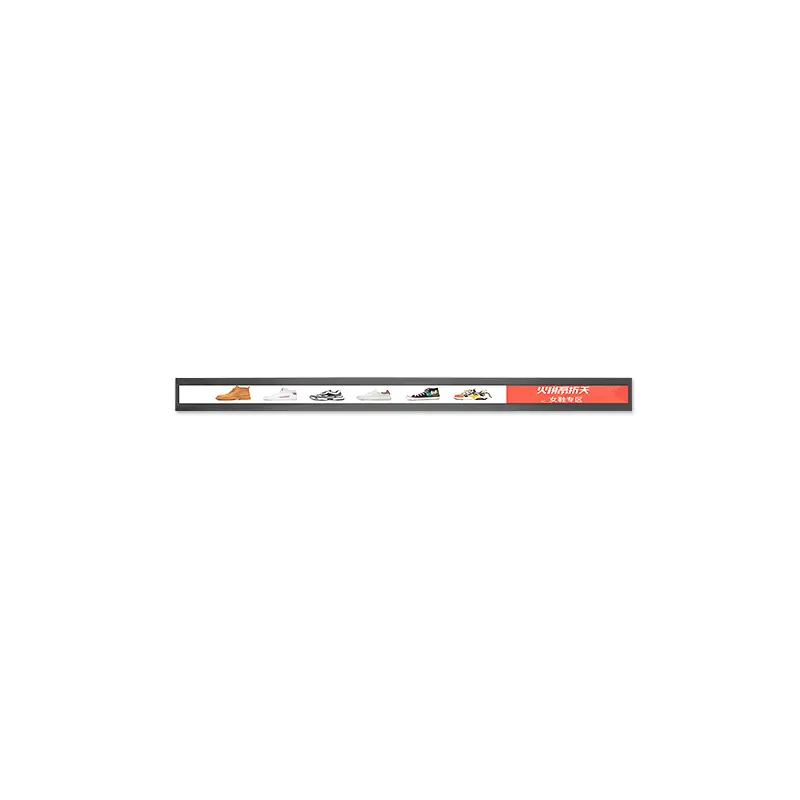
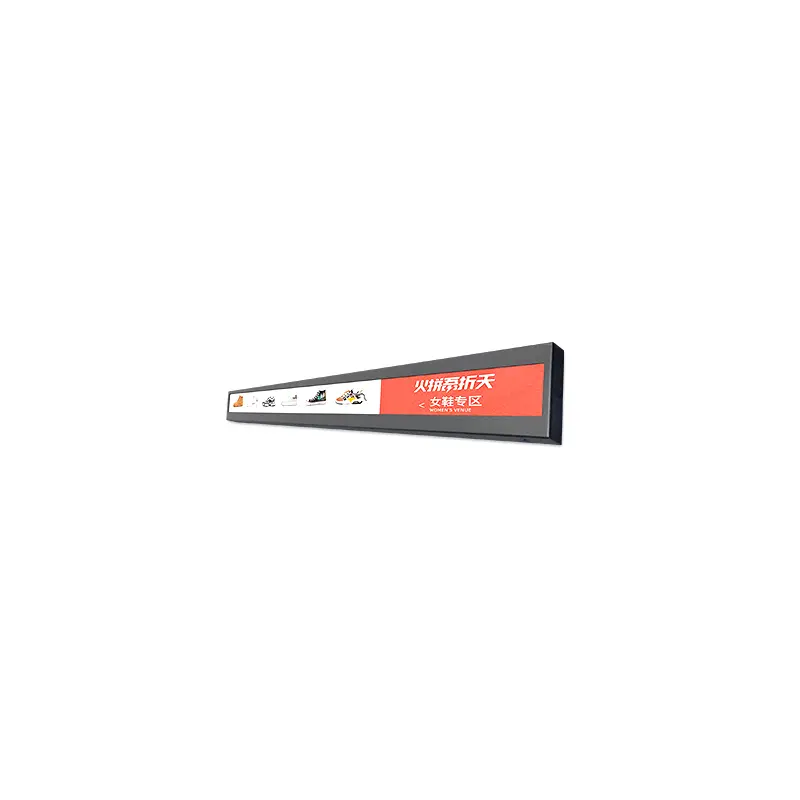
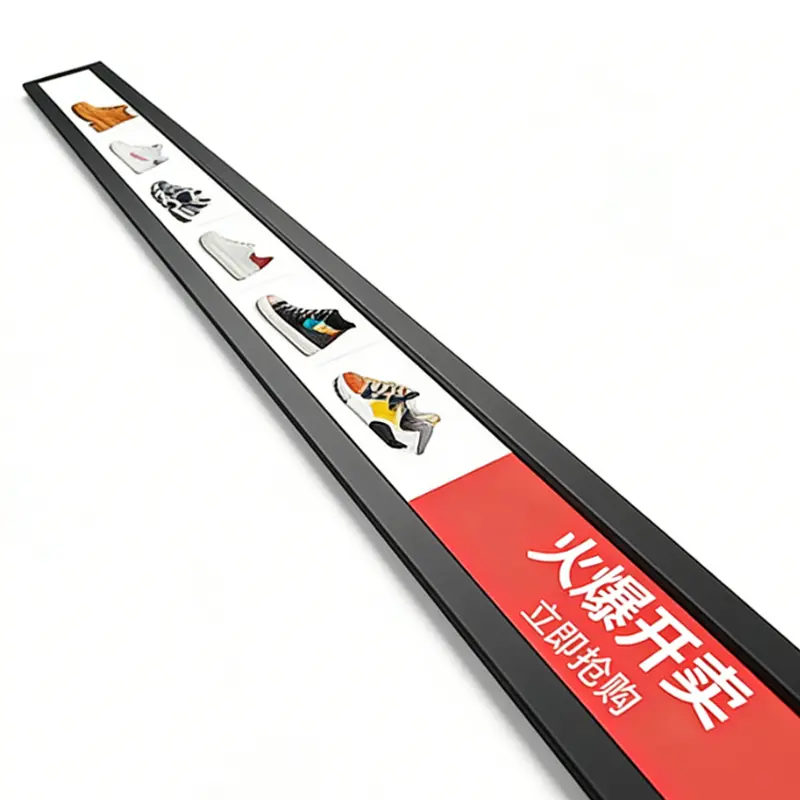
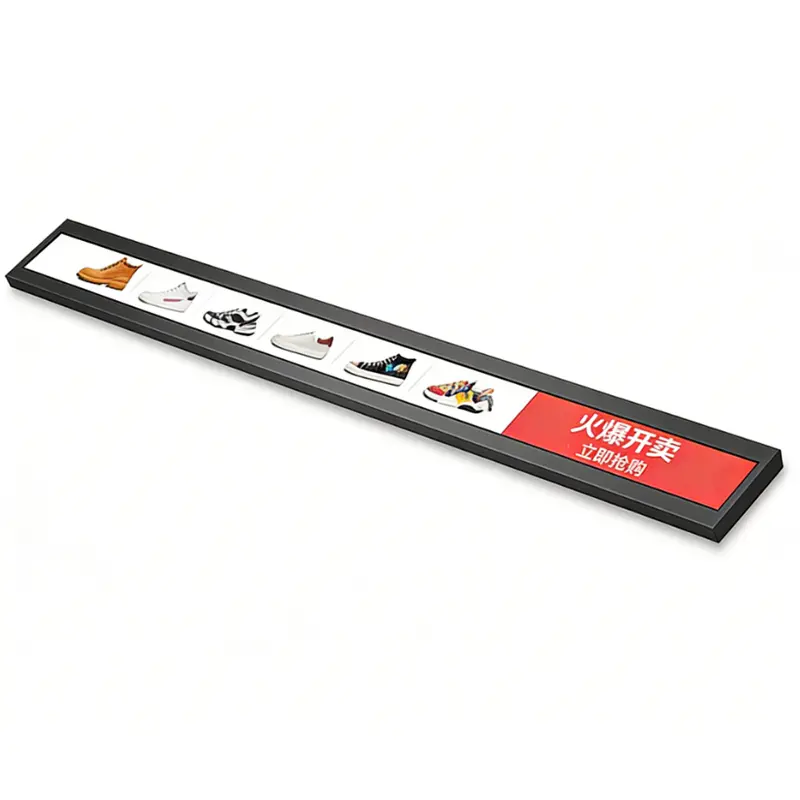
27.8 Inch Transit Wayfinding Display Module Bar Type LCD for Public Information
Model P/N
Size
Resolution
Brightness
Viewing Angle
Connector Type
Operating Temp
Overall(mm)
huisoar
HS0278TA01-C070
Brand
Panel Size (inch)
Model P/N
Resolution
Brightness (nits)
Viewing Angle
Contrast Ratio
Response Time
Overall (mm)
Active Area (mm)
Refresh Rate
Display Colors
Panel Type
Connector Type
Operating Temp
Touchscreen Type
Storage Temp
Work Mode
Pixel Format
Input Voltage (V)
Control Type
Operating Environment
Motherboard Type
Designed For
27.8 Inch Transit Wayfinding Display Module Bar Type LCD for Public Information
This 27.8-inch ultra-wide LCD module combines a 1920 × 294 canvas, 700 cd/m² luminance and dual-channel LVDS for narrow information systems.
Product Summary
The Transit Wayfinding Display Module provides a long-format visual platform for route information, guidance messages, commercial notices and public-service content in spaces that cannot accommodate a conventional 16:9 screen. Its 27.8-inch cut-bar structure uses a native 1920 × 294 pixel canvas, giving designers a wide horizontal area for destination text, arrows, service updates, advertising bands and queue information.
With 700 cd/m² typical luminance, a 698.4 × 106.94 mm active area and a 734 × 143 × 50 mm outline, the non-touch module is intended for display, controller and enclosure integration.
Key Specifications
| Parameter | Confirmed value |
|---|---|
| Display size | 27.8 inches |
| Native resolution | 1920 × 294 pixels |
| Active area | 698.4 × 106.94 mm |
| Module outline | 734 × 143 × 50 mm |
| Luminance | 700 cd/m² typical |
| Contrast ratio | 1300:1 |
| Interface | LVDS, two-channel, 8-bit |
| Backlight | WLED |
| Touch | Non-touch |
| Operating temperature | 0°C to +50°C |
Ultra-Wide 1920 × 294 Content Design
Native Raster and Layout Planning
The 1920 × 294 raster should be driven natively to prevent stretched text, clipped graphics or unused image bands. Standard 1920 × 1080 artwork is not proportionally compatible with this panel, so content should be created specifically for the long horizontal canvas.
Layouts can separate route information, directional symbols, service notices and promotions. Test font height and viewing distance on the physical display, and confirm that the controller supports the panel’s exact timing.
700 cd/m² Optical Boundary
The 700 cd/m² configuration is intended for visible information presentation in bright indoor, retail, concourse and covered transport environments. It should not automatically be described as sunlight readable or outdoor ready.
The 700 cd/m² panel rating does not by itself establish finished-system readability behind cover glass.
Front-lens transmission, reflection, installation angle and ambient light change perceived contrast. Include protective glass in sample testing. Alternate brightness configurations require separate electrical, thermal and lifetime specifications.
LVDS Integration for Transit and Commercial Systems
Two-Channel 8-Bit LVDS Qualification
The native interface is identified as two-channel, 8-bit LVDS. This gives embedded controller designers a defined signalling direction, but it does not confirm connector type, pin count, voltage, pixel timing or cable orientation.
A dual-channel 8-bit LVDS label does not prove compatibility without the complete timing, pin map and electrical requirements.
Before release, verify pixel timing, JEIDA or VESA mapping, panel voltage, enable controls, grounding, connector orientation and cable definition. The controller must generate native 1920 × 294 output without standard-monitor scaling.
Controller and Power Data Required
The panel-logic input, backlight voltage, backlight current, dimming method and maximum power are not confirmed. These values should be taken from an approved model specification before PCB, power-supply or harness design begins.
The WLED backlight requires a verified driver. Quotation review should identify whether the controller, LVDS cable, backlight driver, power adapter and firmware are included.
Integrating the Transit Wayfinding Display Module
Mechanical Fit for a 734 × 143 × 50 mm Envelope
The module outline is 734 × 143 × 50 mm, while the visible active area is 698.4 × 106.94 mm. The enclosure should provide distributed support along the long edge and avoid point loads that could twist the cut-panel structure.
Final release also requires mounting points, bezel data, connector location, tolerances and cable keep-outs. Plan rear clearance around the 50 mm depth. Vibration qualification must use an agreed test method rather than a qualitative claim.
Non-Touch Front Design
The standard configuration is non-touch. This is useful for route boards, advertising strips and guidance displays where users only read information, but the front protection still needs deliberate design.
Cover glass, masking, optical treatment, air gap and bonding affect image contrast. A touch overlay is not part of the base model and requires a separately approved sensor, controller and mechanical stack.
Recommended Applications
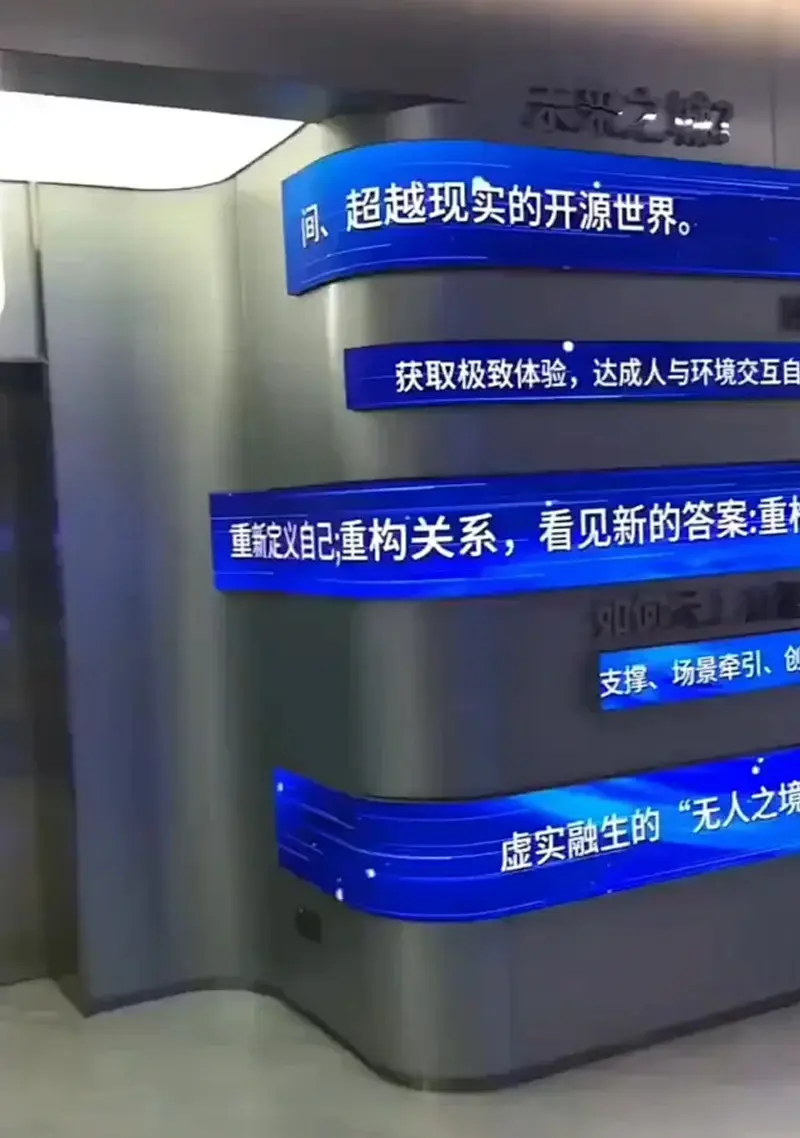
The Transit Wayfinding Display Module can be evaluated for bus, metro and light-rail information boards, station guidance strips, elevator advertising, bank call notices, retail promotional bands and narrow public-information panels. Its long-format geometry is particularly useful when content must follow a corridor, fascia, header or constrained architectural opening.
Taxi or moving-equipment use requires vibration, temperature, power and mounting validation. Outdoor or direct-sun use requires a qualified enclosure, optical stack and environmental test plan.
Customization and Qualification
The standard page direction is the 27.8-inch, 1920 × 294, 700 cd/m², non-touch LVDS configuration. Brightness alternatives and cut-size changes may be reviewed as separate project configurations after drawing, optical and electrical assessment.
Customization should define dimensions, controller interface, cable direction, brightness, front protection, mounting and environment. Stock, delivery, vibration and lifetime claims require quotation or test confirmation.
Procurement Checklist
Confirm the following before sample approval:
- Native 1920 × 294 timing and controller output
- Complete LVDS pin assignment and connector definition
- Two-channel 8-bit mapping convention
- Panel-logic voltage, current and enable sequence
- Backlight voltage, current, driver and dimming method
- 698.4 × 106.94 mm active area
- 734 × 143 × 50 mm outline and mounting drawing
- Cover-glass transmission and reflection
- Installation lighting and viewing distance
- Non-touch front-protection plan
- Operating-temperature requirement
- Vibration test method for moving equipment
- Sample criteria, quantity and annual demand
FAQ
About 27.8 Inch Transit Wayfinding Display Module Bar Type LCD
What must be checked before driving the 1920 × 294 panel over LVDS?
How should content be prepared for the ultra-wide resolution?
Is 700 cd/m² sufficient behind protective glass?
Which dimensions should control enclosure development?
What is required before using the display in moving equipment?
Freya Yang
+86 18318948097