Freya Yang
+86 18318948097
+852 62667476
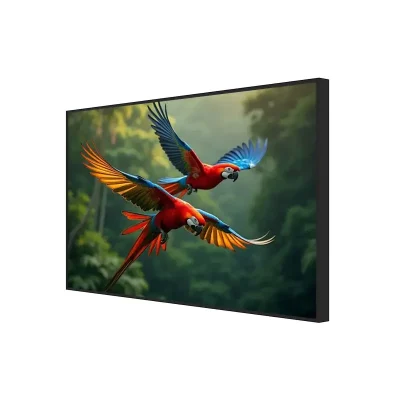
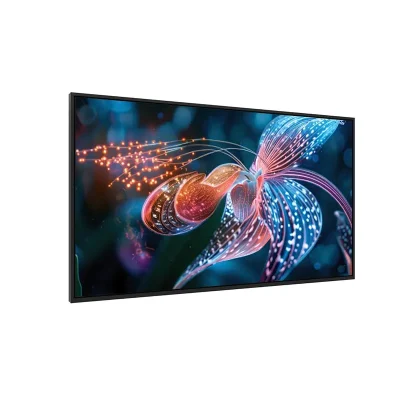
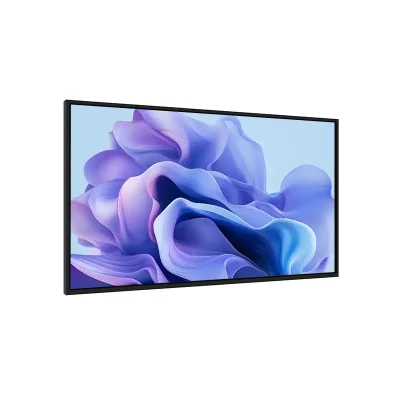
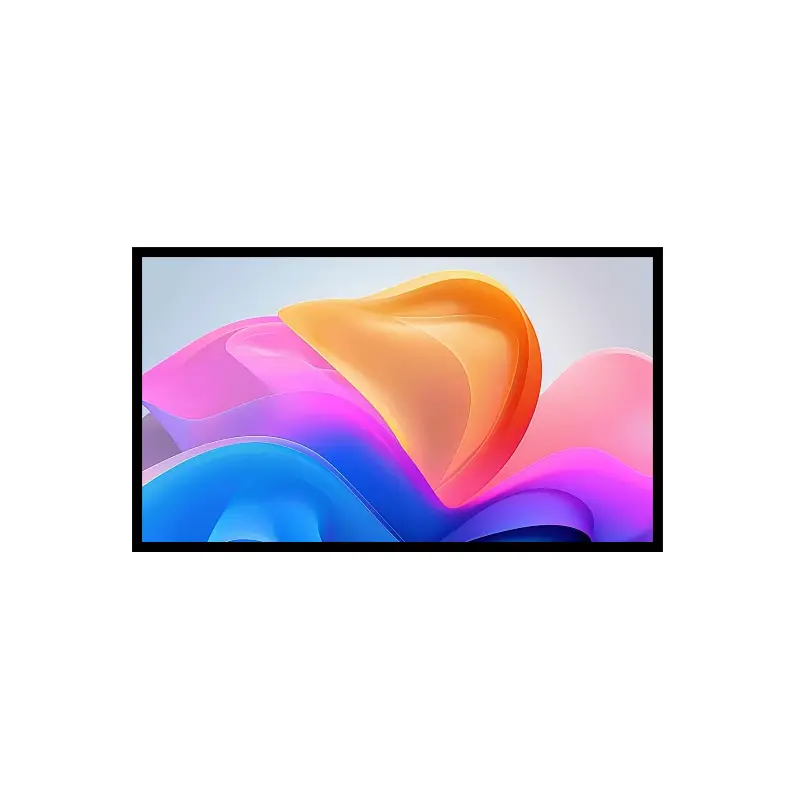
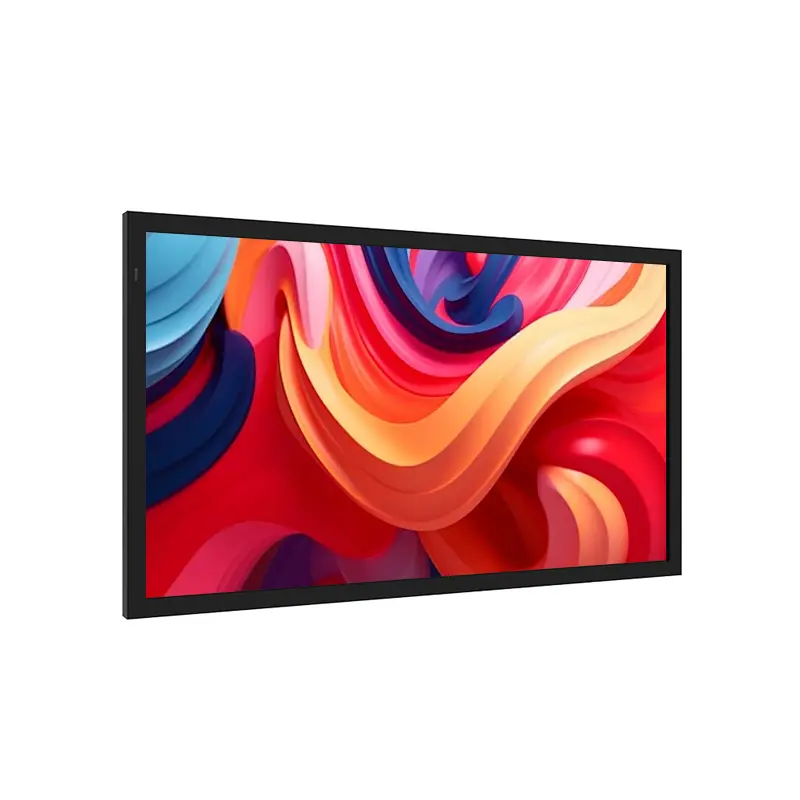
55 Inch Retail Window Advertising Display for Storefronts
Model P/N
Size
Resolution
Brightness
Viewing Angle
Connector Type
Operating Temp
Overall(mm)
huisoar
HS550MN0-T
Brand
Panel Size (inch)
Model P/N
Resolution
Brightness (nits)
Viewing Angle
Contrast Ratio
Response Time
Overall (mm)
Active Area (mm)
Refresh Rate
Display Colors
Panel Type
Connector Type
Surface Treatment
Operating Temp
Touchscreen Type
Storage Temp
Work Mode
Operating Environment
Designed For
55 Inch Retail Window Advertising Display for Storefronts
Designed for glass-front campaigns, this 55-inch commercial screen delivers 3000 cd/m² luminance with installation-ready HDMI connectivity.
Product Summary
A Retail Window Advertising Display must remain visually effective in conditions where ordinary indoor signage can appear dim or reflective. This 55-inch commercial screen combines 3000 cd/m² luminance, a 1209.6 × 680.4 mm image area, wide 178° horizontal and vertical viewing, HDMI input and a complete enclosure for storefront deployment.
The display is designed as an installation-ready commercial system rather than a bare LCD panel. AC100–240 V input, OSD adjustment, a 400 × 400 mm mounting pattern and a 1255.5 × 726.4 × 89.5 mm enclosure give integrators defined starting points for power, bracket, clearance and commissioning work. Two resolution configurations—3840 × 2160 and 1920 × 1080—are identified, so the ordered version must be established before content and controller approval.
Key Specifications
| Parameter | Value |
|---|---|
| Display size | 55 inches |
| Luminance | 3000 cd/m² |
| Display area | 1209.6 × 680.4 mm |
| Resolution | 3840 × 2160 or 1920 × 1080; confirm ordered configuration |
| Aspect ratio | 16:9 |
| Contrast ratio | 1200:1 |
| Viewing angle | 178° horizontal × 178° vertical |
| Color gamut | 74% NTSC |
| Response time | 8 ms typical |
| Backlight | Direct-type LED |
| Backlight reference | Listed MTBF: 50,000 hours |
| External input | HDMI |
| Optional external input | DisplayPort, customizable |
| Unit power | AC100–240 V |
| Listed power consumption | 400 W |
| Product dimensions | 1255.5 × 726.4 × 89.5 mm |
| Mounting | 400 × 400 mm |
| Operating temperature | 0°C to +50°C |
| Storage temperature | −10°C to +60°C |
The pixel-pitch alternatives—0.105 × 0.315 mm and 0.210 × 0.630 mm—correspond to the two stated resolution paths and should be confirmed with the approved configuration.
3000 cd/m² Visibility Through Storefront Glass
Qualify the Glazing and Store Orientation
A 3000 cd/m² panel gives the system substantially more optical output than an ordinary indoor commercial screen. It is therefore a practical starting point for storefront windows, shopping-center glass and other bright retail positions.
A 3000 cd/m² rating does not guarantee equal readability behind every storefront-glass configuration.
Glazing transmittance, exterior reflection, direct-sun exposure, screen setback and mounting angle affect the final result. A dark-tinted or highly reflective window can reduce effective contrast even when the display has strong luminance. Sample testing should reproduce the intended glass, orientation and viewing distance.
Plan Heat Rejection and Operating Hours
A high-brightness 55-inch screen introduces a meaningful thermal load. The unit has a listed power consumption of 400 W and an operating range of 0°C to +50°C. Solar energy entering through storefront glass can increase the local temperature beyond the surrounding indoor condition.
The installation should provide rear clearance, an airflow path and a practical heat-rejection strategy. Store orientation, hours of direct sun, HVAC availability and daily operating schedule should be included in the engineering review rather than assessed after installation.
Resolution and Content Planning
Confirm 4K or Full HD Before Ordering
The ordered unit must specify either 3840 × 2160 or 1920 × 1080 because both resolutions are listed.
The 4K configuration is useful when campaign material contains fine typography, detailed product imagery or multiple content zones. Full HD may be sufficient where content is viewed from greater distances or the media-player architecture is already standardized around 1920 × 1080.
The order specification, media player and campaign artwork must use the same native raster.
Build Campaign Assets at the Native Raster
Native-resolution content avoids scaling softness and preserves text edges. Promotional pricing, QR codes, product details and brand typography should be tested at the real exterior viewing distance.
The 16:9 format supports conventional landscape advertising, video and mixed promotional layouts. Safe margins should account for the final visible opening and any frame overlap.
HDMI and DP Integration for Retail Window Advertising Display
Use HDMI as the Defined Input Path
HDMI is the clearly identified external input and provides a straightforward route for commercial media players, signage computers and AV systems.
The internal LCD path is identified as LVDS, but that does not mean the installer should access the panel directly. The complete unit should be treated according to its external I/O and approved wiring documentation.
Confirm the Customizable DisplayPort Scope
DisplayPort is customizable, while HDMI is the clearly listed input.
A project requiring DP should confirm the connector, supported resolution, refresh rate, HDCP behavior, cable route and controller-board implementation. It should not be assumed that every standard unit ships with an active DP port.
Commission the Display with OSD Controls
OSD functions include brightness, color, contrast, auto tuning and horizontal or vertical position. These settings help the installer commission the screen after it has been mounted in the real storefront environment.
A site-specific brightness setting may provide better visual balance during evening operation than running the display at maximum output at all times. Any automated dimming requirement must be specified separately because a standard ambient-light sensor is not established.
Mechanical, Mounting and Power Integration
Release the 400 × 400 mm Mounting Structure
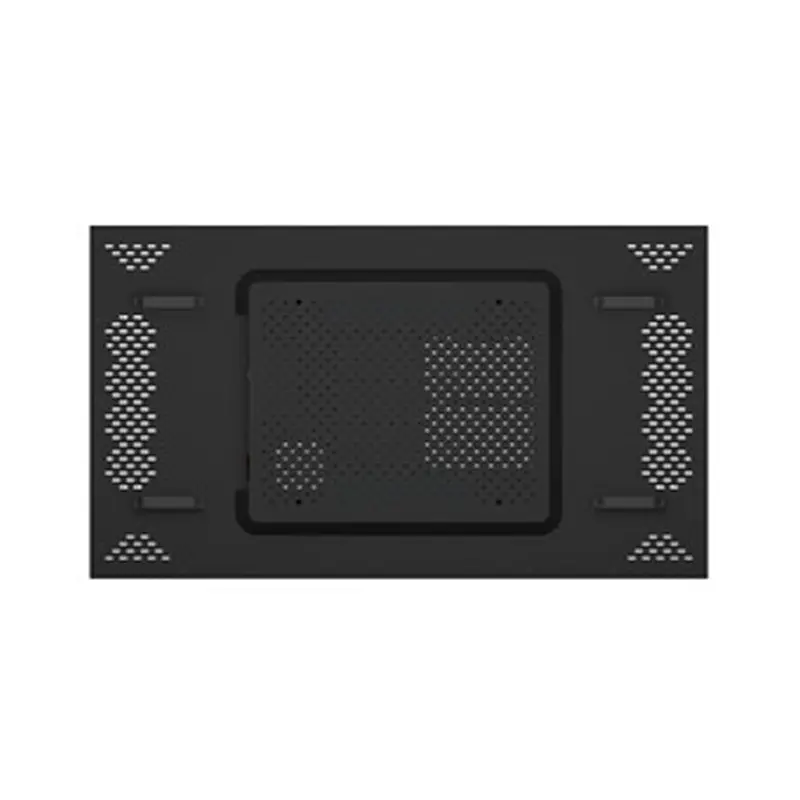
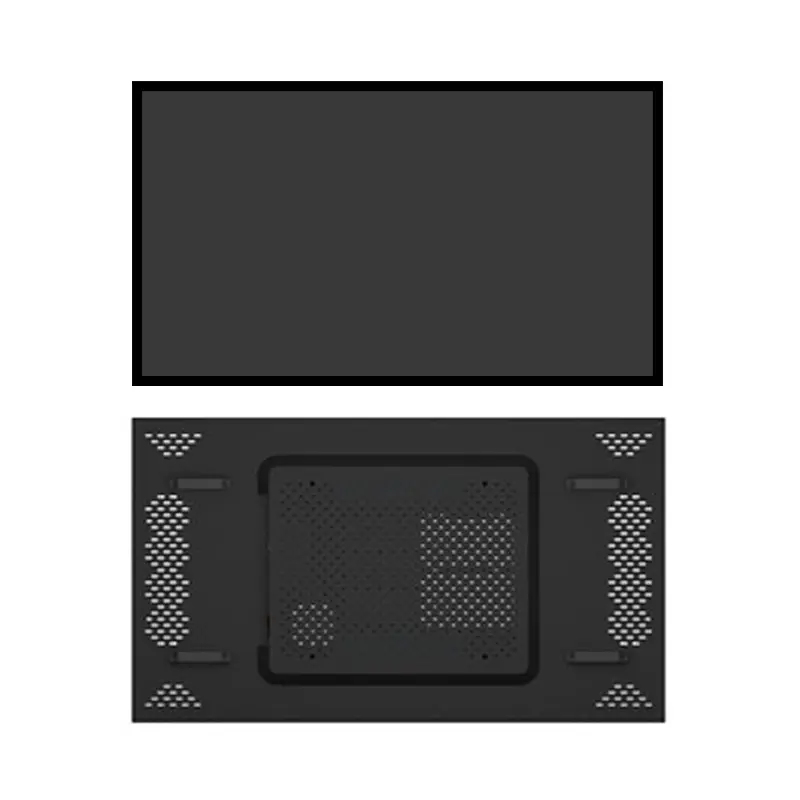
The complete display measures 1255.5 × 726.4 × 89.5 mm and uses a 400 × 400 mm mounting pattern. Bracket selection should account for the final unit weight once confirmed, enclosure clearance, service access and cable routing.
The design should also define the distance from the storefront glass. Excessive setback can introduce reflections from the shop interior, while insufficient clearance may restrict airflow or maintenance access.
Plan AC Power and a 400 W Load
The display accepts AC100–240 V and has a listed 400 W power figure. Electrical planning should include circuit capacity, startup behavior, grounding, cable management and local compliance requirements.
The power value should also be incorporated into cooling calculations. Additional equipment such as a media player, network device or controller may add to the total cabinet load.
Application Fit and Environmental Boundaries
The Retail Window Advertising Display fits fashion stores, brand showrooms, shopping-center windows, property agencies, service counters and commercial information points where messaging is viewed through glass or under strong ambient light.
It can also support protected kiosks and public-information systems when the enclosure, thermal path and environmental conditions are appropriate.
A window-facing commercial display is not automatically an exposed outdoor waterproof display.
No configuration-specific IP rating, protective-glass specification or exposed-weather certification is established for the standard unit. Rain, dust, condensation or uncontrolled outdoor temperature requires a separately qualified enclosure and environmental design.
Configuration and Procurement
Project review can cover:
- Ordered 4K or Full HD configuration
- DisplayPort implementation
- Media-player or controller architecture
- Brightness alternatives
- Cover glass
- Anti-reflective or anti-glare treatment
- Optical bonding
- Ambient-light sensing
- Environmental sealing
- Mounting adaptation
- Thermal design
- Branding and packaging
Custom configurations are generally reviewed from 500 pieces, subject to tooling requirements, material availability and the requested specification. Sample and standard-display quantities are confirmed separately.
Procurement Checklist
Confirm these items before sample approval:
- Approved model-specific specification and drawing
- Ordered 3840 × 2160 or 1920 × 1080 resolution
- Matching pixel-pitch route
- Native media-player output
- HDMI source requirements
- DisplayPort requirement and customization scope
- Internal controller architecture
- 1209.6 × 680.4 mm visible image area
- 1255.5 × 726.4 × 89.5 mm enclosure fit
- 400 × 400 mm mounting pattern
- Final unit weight
- AC100–240 V supply
- 400 W listed load and circuit margin
- OSD control requirements
- Storefront-glass transmittance and reflectance
- Compass orientation and direct-sun duration
- Screen setback, tilt and external viewing distance
- Rear clearance and heat rejection
- Operating schedule
- 0°C to +50°C operating requirement
- −10°C to +60°C storage requirement
- Backlight MTBF conditions
- Environmental-protection target
- Sample criteria and annual demand
FAQ
About 55 Inch Retail Window Advertising Display
What must be checked before approving the display behind storefront glass?
When should the 4K configuration be selected instead of Full HD?
Is DisplayPort included as a standard input?
What mounting and power information is required for installation?
Can this unit be installed in an exposed outdoor location?
Freya Yang
+86 18318948097