Freya Yang
+86 18318948097
+852 62667476
8 Inch MIPI Touch Display 800×1280 IPS High Brightness for Slim Industrial Tablets
Model P/N
Size
Resolution
Brightness
Viewing Angle
Connector Type
Operating Temp
Overall(mm)
huisoar
HS800041N0-HL
Brand
Panel Size (inch)
Model P/N
Resolution
Brightness (nits)
Viewing Angle
Response Time
Overall (mm)
Active Area (mm)
Refresh Rate
Display Colors
Panel Type
Connector Type
Operating Temp
Touchscreen Type
Storage Temp
Work Mode
Designed For
8 Inch MIPI Touch Display for Slim Industrial Tablets
800×1280 IPS In-Cell Touch Module for Smart Terminals, Security Panels, and Portable Embedded Devices
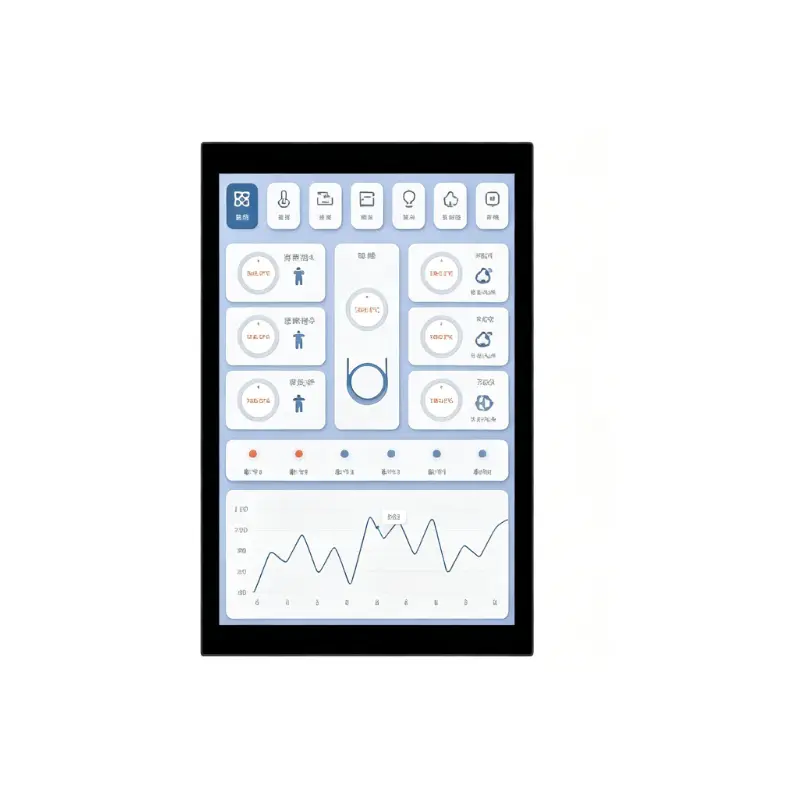
An 8 Inch MIPI Touch Display is a portrait-format 800×1280 IPS TFT-LCD module for industrial tablets, smart terminals, security panels, and outdoor-facing equipment that need 800 cd/m² brightness, In-Cell IIC touch, slim 3.9 mm structure, and 40-pin MIPI integration. It is especially useful when buyers need tablet-style interaction in a compact embedded module rather than a bulky finished monitor or a thicker add-on touch-panel stack.
At a Glance: Slim 8 Inch In-Cell Touch Module Highlights
- 8-inch portrait TFT-LCD module designed for tablet-like embedded interfaces.
- 800×1280 resolution supports vertical menus, dashboards, forms, and smart-device UI layouts.
- 800 cd/m² typical brightness helps improve readability in high-ambient-light environments.
- IPS 85/85/85/85 full-view specification supports viewing from multiple operating positions.
- In-Cell touch with IIC interface supports a thinner touch structure than conventional add-on touch stacks.
- MIPI interface with 40 pins supports compact embedded system signal routing.
- 121.8 × 194 × 3.9 mm outline helps enclosure engineers evaluate slim product designs early.
Product Overview of the 8 Inch MIPI Touch Display
The 8 Inch MIPI Touch Display is designed for projects where portrait UI layout, slim mechanical structure, and integrated touch response matter at the same time. Instead of using a separate cover-touch layer over a standard display, this module uses In-Cell touch, which supports a thinner stack and can simplify the front-panel design when the host platform supports the required touch interface.
Its 800×1280 portrait resolution is well matched to tablet-style menus, access-control pages, industrial parameter lists, smart audio controls, education-device content, and compact terminal dashboards. The 800 cd/m² typical brightness gives buyers a stronger readability baseline than ordinary indoor screens, while the IPS viewing specification supports operators viewing from different angles.
This module is not only a display-size choice. It is a system-integration choice involving MIPI timing, 40-pin connector design, IIC touch routing, enclosure thickness, cover-glass planning, and backlight/thermal validation. Before sample approval, buyers should request the full drawing, interface definition, touch information, and power/backlight data.
Key Features of the 8 Inch MIPI Touch Display
| Key Feature | B2B Value |
|---|---|
| 8-inch portrait format | Supports tablet-like interfaces for smart terminals, security panels, and industrial handheld devices. |
| 800 × 1280 resolution | Provides enough vertical pixel space for menus, status cards, charts, settings, and interactive dashboards. |
| 800 cd/m² typical brightness | Helps improve visibility in high-ambient-light indoor, semi-outdoor, or equipment-facing environments. |
| IPS 85/85/85/85 viewing | Maintains readability when the operator views the display from different angles. |
| In-Cell touch structure | Supports slimmer product construction compared with many add-on touch structures. |
| IIC touch interface | Gives firmware and hardware teams a defined touch-communication direction for integration planning. |
| MIPI signal interface | Fits compact embedded platforms that use high-speed display interfaces and reduced cable complexity. |
| 40-pin connection | Provides a defined connector direction for FPC, PCB, and cable review. |
| 3.9 mm listed outline thickness | Supports slim terminals, tablets, and compact front-panel equipment. |
| -20 ~ 70 °C operation | Supports industrial and mobile equipment environments within the confirmed range. |
Technical Specifications of the 8 Inch 800×1280 MIPI Touch Module
| Specification | Confirmed Value |
|---|---|
| Product Type | MIPI TFT-LCD In-Cell touch module |
| Display Size | 8 inch |
| Aspect Ratio | 10:16 portrait |
| Resolution | 800 × 1280 |
| Brightness | 800 cd/m² typical |
| Viewing Angle | 85/85/85/85 |
| Display Interface | MIPI |
| Signal Pins | 40 pins |
| Touch Type | In-Cell Touch |
| Touch Interface | IIC |
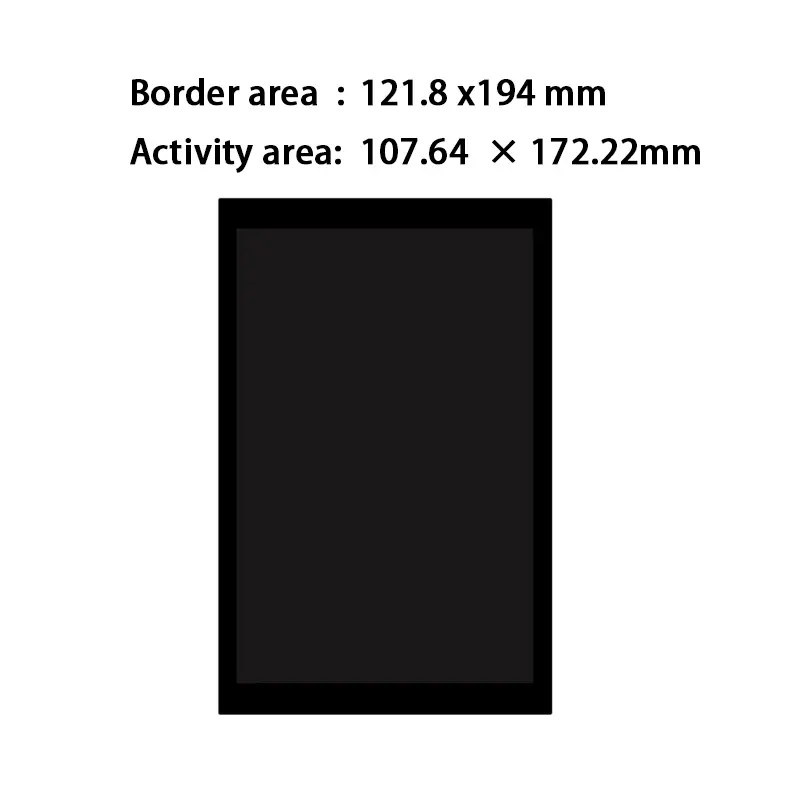
| Active Area | 107.64 × 172.22 mm |
| Overall Size | 121.8 × 194 × 3.9 mm |
| Operating Temperature | -20 ~ 70 °C |
| Display Colors | 16.7M |
These confirmed values show why the module is best treated as a slim interactive display platform, not a simple panel replacement. The public table excludes unknown items such as input voltage, detailed MIPI lane configuration, power consumption, and backlight driving requirements because those must be confirmed from the engineering datasheet.
Why Choose a Slim 8 Inch In-Cell Touch Display for Smart Terminals?
A slim In-Cell touch display is useful when the front-panel thickness, optical stack, and product feel are part of the buying decision. For tablet computers, access terminals, smart audio panels, and education devices, a thick external touch stack can affect mechanical design, weight, appearance, and optical performance.
3.9 mm Structure for Thin Embedded Product Design
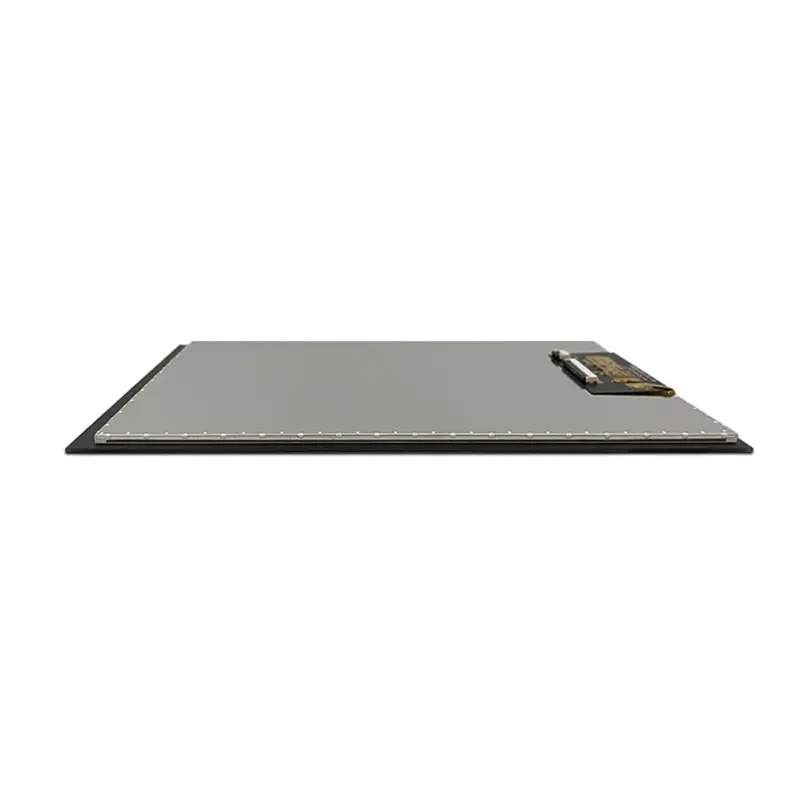
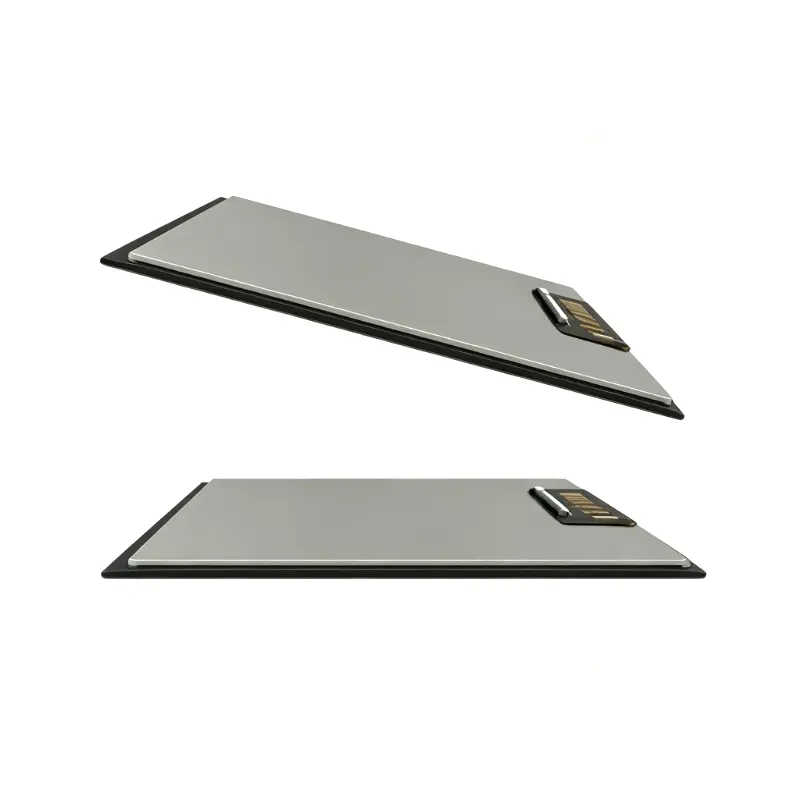
The listed 121.8 × 194 × 3.9 mm outline gives enclosure designers a strong starting point for slim terminal planning. This matters for wall-mounted touch panels, portable smart devices, education tablets, and compact operator interfaces where the display module must fit behind a narrow front bezel.
In-Cell IIC Touch for Integrated Interaction
The In-Cell touch design supports a more integrated touch-display structure. The confirmed IIC touch interface helps hardware teams plan communication routing, but the final touch controller details, firmware behavior, and grounding design should still be reviewed before PCB release.
800 cd/m² Brightness for High-Ambient-Light Interfaces
The 800 cd/m² typical brightness supports equipment used in bright indoor areas, vehicle cabins, semi-outdoor terminals, and public-facing devices. For direct sunlight exposure, buyers should evaluate cover glass, reflection control, optical bonding, enclosure shading, and thermal design at the system level.
800×1280 IPS Readability for Portrait Control Screens
The portrait 800×1280 display format is valuable when the user interface is vertical by design. It gives product designers room for stacked cards, menu columns, security prompts, industrial parameters, audio controls, learning content, and operator confirmation buttons.
85/85/85/85 Viewing for Shared-Use Equipment
The IPS full-view specification helps maintain screen visibility when users stand at different angles. This is important for access-control terminals, education tablets, industrial panels, and multimedia kiosks where the display is not always viewed straight on.
Vertical UI Space for Data and Touch Controls
The 10:16 layout is useful for mobile-style UI design. A product can show an upper status area, central control region, and lower action buttons without compressing content too aggressively. This is one reason the module fits industrial tablet and smart terminal projects.
40-Pin MIPI Integration and Mechanical Fit Checks
The 40-pin MIPI connection supports compact embedded designs, but successful integration depends on exact signal, mechanical, and firmware matching. Buyers should not assume compatibility from the word “MIPI” alone; the timing, lane configuration, pin assignment, voltage levels, and connector orientation need engineering confirmation.
MIPI Host Matching Before PCB Layout
Controller-board developers should confirm the MIPI interface definition, display driver IC support, initialization sequence, and display timing. The provided data identifies ILI9882U as the display chip, which should be considered during driver and firmware planning.
FPC, Connector, and Cable Route Review
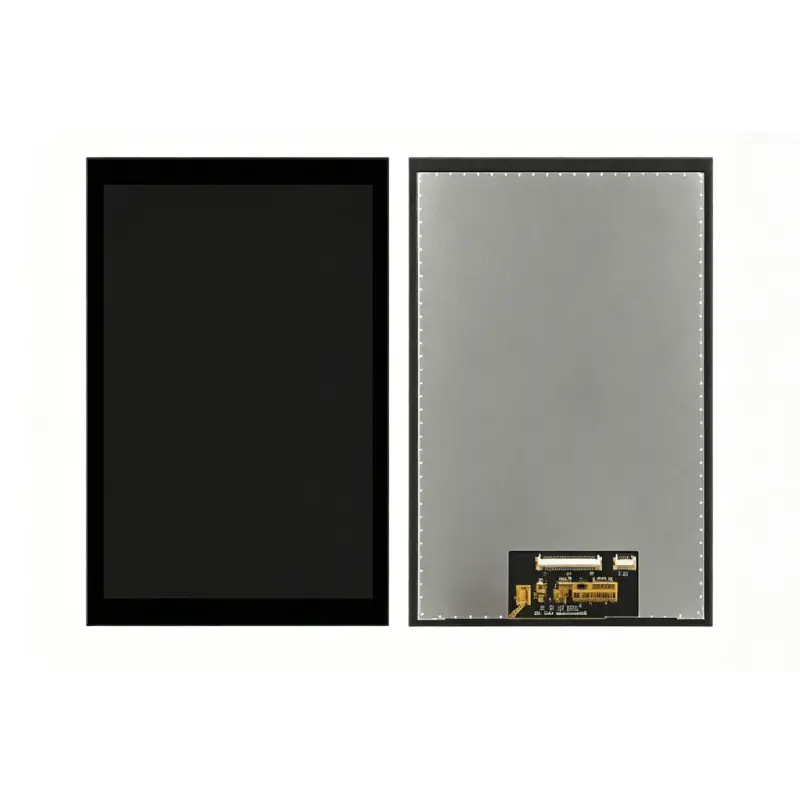
The 40-pin structure needs careful FPC and connector planning. Engineers should check bend radius, cable exit direction, grounding, EMI behavior, connector height, and assembly clearance so the module can be installed without stressing the flexible circuit.
Cover Glass, Touch Stack, and Thermal Planning
Even with In-Cell touch, final cover design matters. Cover glass thickness, adhesive, anti-glare treatment, optical bonding, and grounding should be evaluated together. The 800 cd/m² backlight also requires review of thermal conditions inside the final enclosure.
Recommended Applications for 8 Inch MIPI Touch Display Projects
This module is strongest where portrait interaction and slim structure are more important than a large screen. It should be selected when the application needs a tablet-like control experience in an OEM module format.
Industrial Tablets and Portable Smart Terminals
Industrial tablet builders can use the 800×1280 portrait resolution for work orders, machine status, inspection screens, barcode workflows, and operator input pages. The slim outline helps the display fit compact portable housings.
Security, Access-Control, and Door-Entry Panels
Security terminals and access-control devices often require vertical layouts for identity prompts, camera previews, passcode input, and status messages. The In-Cell touch function supports direct interaction, while the 800 cd/m² brightness helps visibility in public-facing installations.
Smart Audio, Education, and Multimedia Devices
Smart audio panels, education tablets, and entertainment interfaces can benefit from the portrait format, touch response, and IPS viewing. For these devices, buyers should validate cover glass, touch behavior, interface compatibility, and housing design during sample testing.
Customization Options for 8 Inch MIPI In-Cell Touch Projects
Project evaluation can include brightness validation, cover glass, anti-glare treatment, optical bonding, FPC routing, MIPI cable matching, controller-board support, housing adaptation, mechanical drawing review, and application-specific front-panel design. These options should be confirmed according to project quantity, enclosure constraints, touch requirements, and environmental conditions.
Procurement and Engineering Checklist for 8 Inch MIPI Touch Display Selection
- Confirm the 800×1280 portrait UI requirement and host graphics capability.
- Review MIPI timing, lane configuration, 40-pin pinout, and connector orientation.
- Validate IIC touch routing, controller behavior, grounding, and firmware support.
- Match the 107.64 × 172.22 mm active area with the bezel window.
- Check the 121.8 × 194 × 3.9 mm outline against housing depth and frame design.
- Confirm input voltage, backlight driving, and power consumption before sample approval.
- Evaluate cover glass, bonding, anti-glare needs, thermal path, and final viewing environment.
- Run sample tests for display initialization, touch response, brightness, EMI behavior, and mechanical fit.

FAQ
About 8 Inch MIPI Touch Display Integration
What type of projects fit this 8 Inch MIPI Touch Display best?
How is this different from the previous 8-inch LVDS touch display?
What should engineers confirm for 40-pin MIPI integration?
What is the benefit of In-Cell touch?
Is 800 cd/m² suitable for outdoor equipment?
Can this display be used for education tablets or multimedia terminals?
What mechanical data is important before sample approval?
What information should be sent for quotation?
Freya Yang
+86 18318948097