
~
~
~
~
~
~
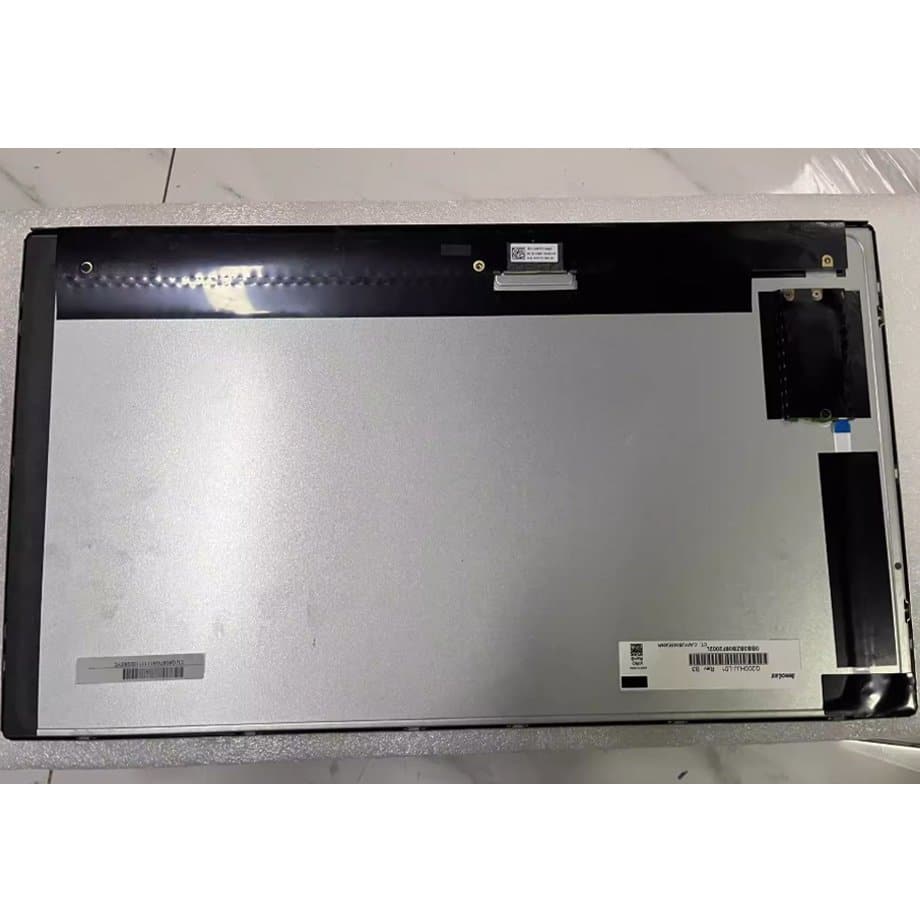
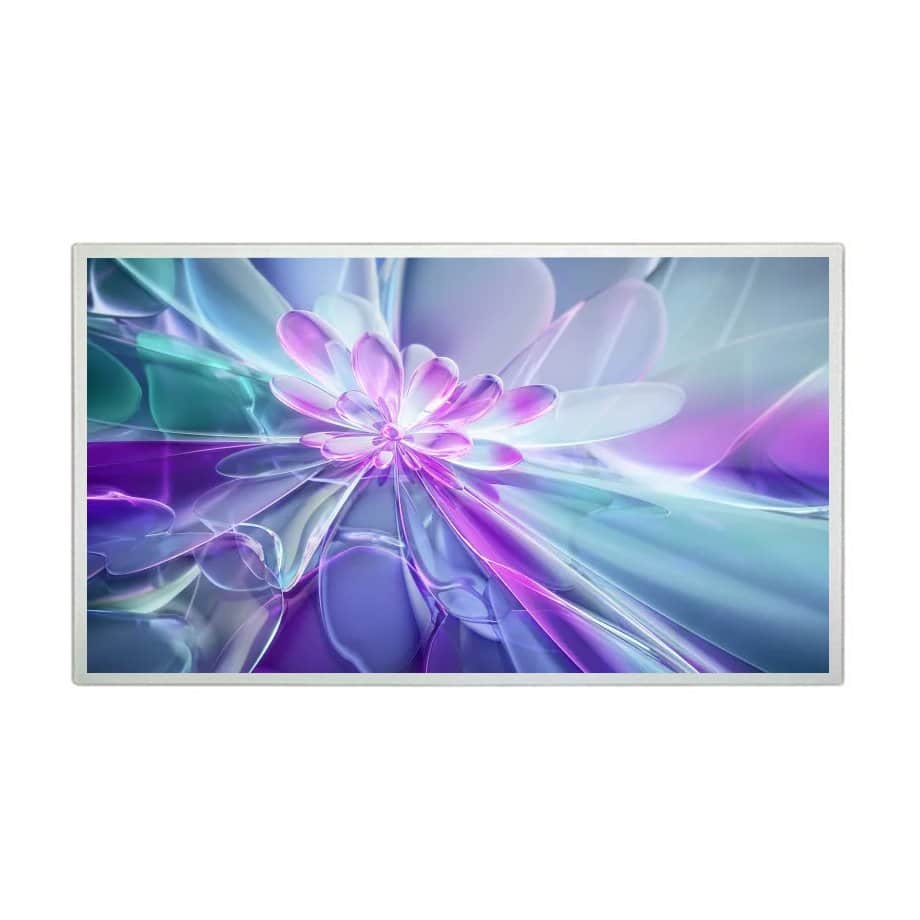
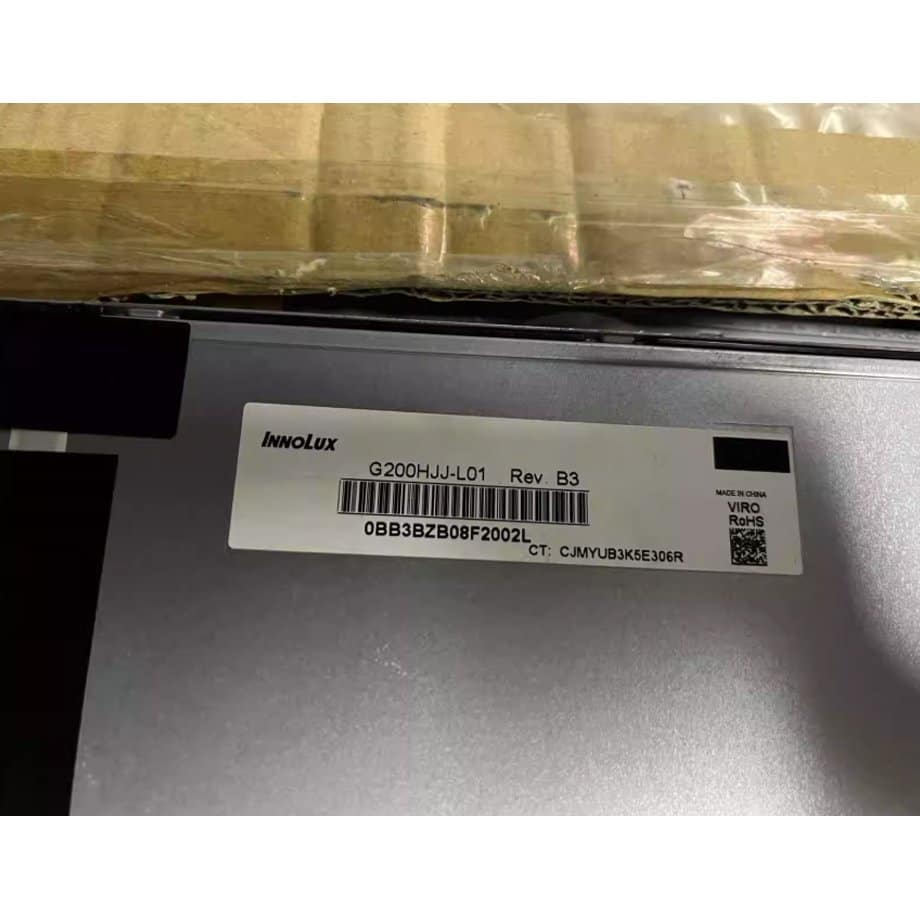
G200HJJ-EN2 MVA eDP Industrial Display Deep-Contrast 19.5in


Model P/N
Size
Resolution
Brightness
Viewing Angle
Connector Type
Operating Temp
Overall(mm)
innolux
G200HJJ-EN2
Brand
Panel Size (inch)
Model P/N
Resolution
Brightness (nits)
Viewing Angle
Contrast Ratio
Response Time
Overall (mm)
Active Area (mm)
Refresh Rate
Display Colors
Panel Type
Connector Type
Surface Treatment
Operating Temp
Touchscreen Type
Storage Temp
Work Mode
Pixel Format
Input Voltage (V)
Vibration Resistance
Designed For
Product Details
Industrial eDP Module Overview
The G200HJJ-EN2 MVA eDP Industrial Display is a 19.5-inch Innolux industrial LCD module built around a 1920×1080 FHD raster, MVA normally-black optics and a two-lane eDP interface. It combines 400 cd/m² typical luminance with 3000:1 typical contrast, giving engineering teams a higher native contrast baseline than many common IPS/AAS industrial panels while retaining a wide 85/85/85/85 viewing specification.
The module uses a 30-pin eDP connector and a 5.0 V typical panel supply. Its WLED backlight includes an LED driver, which simplifies the illumination power architecture compared with panels that require a separate converter. The mechanical envelope is 459 × 263 × 12.82 mm with a supplied mass of 1.66±0.08 kg.
Three Core Buyer Value Propositions
- Industrial FHD image quality with 3000:1 MVA contrast. The 19.5-inch FHD format and high native contrast support industrial dashboards, status screens and operator interfaces where dark backgrounds, alarm panels or mixed-content layouts benefit from stronger black-level separation.
- Native eDP reduces the need for a panel-side LVDS bridge. A two-lane eDP link can integrate cleanly with embedded computing platforms that already expose eDP. The host still has to match the panel’s exact lane configuration, timing, AUX behavior and power sequence.
- Integrated WLED driver simplifies display-power integration. The panel includes the LED driver and a 50K-hour backlight reference. This reduces one external subsystem, although the host must still implement the exact enable, dimming and power requirements for the model.
Key Specifications at a Glance
| Model | Innolux G200HJJ-EN2 |
|---|---|
| Display format | 19.5-inch FHD MVA LCM |
| Brightness / contrast | 400 cd/m² typical / 3000:1 typical |
| Native interface | 2-lane eDP, 30-pin connector |
| Panel input | 5.0 V typical |
| Backlight | WLED, 50K-hour reference, integrated LED driver |
| Power | 19 W typical |
| Temperature | 0 to 50 °C operating; -20 to 60 °C storage |
How should the eDP link be engineered?
The panel uses two-lane embedded DisplayPort. VESA embedded DisplayPort guidance explains the role of eDP in embedded display systems and why AUX communication, link training, lane count and power-state management matter. For G200HJJ-EN2, those generic eDP concepts must be applied using the exact model timing and connector definition.
G200HJJ-EN2 exact-model technical reference also identifies the model as a 19.5-inch industrial module using a two-lane 30-pin eDP interface. That exact-model source is useful for confirming the product architecture, but production design should still be checked against the current Innolux specification or approved customer document.
Lane count and timing
Do not assume that every 30-pin eDP controller supports this panel automatically. Verify native 1920×1080 timing at 60 Hz, lane count, link rate, pixel encoding and panel initialization. A controller profile created for another 19.5-inch eDP module can produce an image while still violating timing or power-state requirements.
AUX and sleep/wake behavior
Repeated boot, standby and resume tests are important for embedded eDP systems. Marginal power sequencing or AUX behavior can create intermittent black screens that do not appear during a simple static bench test. Log cold boot, warm reboot and repeated sleep/wake cycles before controller firmware is frozen.
Why is the 3000:1 contrast ratio useful?
MVA normally-black technology gives G200HJJ-EN2 a 3000:1 typical contrast specification. That can benefit industrial UIs using dark themes, video, machine-vision previews or dense status graphics. Contrast is still affected by ambient light and the final front stack; a reflective cover can reduce perceived black depth even when the panel itself has strong native contrast.
The 400 cd/m² typical luminance is appropriate for many indoor industrial environments. It is not a sunlight-readability claim. If the equipment operates under strong factory lighting or near windows, measure installed contrast with the intended cover glass or touch layer.
Key Specifications
| Active area | 434.88 × 238.68 mm |
|---|---|
| Outline | 459 × 263 × 12.82 mm |
| Weight | 1.66±0.08 kg |
| Mode | MVA, normally black, transmissive |
| Viewing | 85/85/85/85 typical at CR≥10 |
| Colors | 16.7M, 72% NTSC |
| Surface | Antiglare, hard coating 3H |
| Response | 15/5 ms typical Tr/Td |
| Refresh | 60 Hz |
| Vibration | 1.5G (14.7 m/s²) |
How should the integrated backlight driver be validated?
The module includes the WLED driver rather than exposing raw LED strings as the system responsibility. That reduces external circuitry, but it does not eliminate backlight-control requirements. Confirm the exact power input, enable behavior, dimming interface and any brightness-control limits from the released documentation.
The 50K-hour backlight figure is a source-defined reference condition, not a guarantee of field life. LED aging depends on temperature, drive conditions and operating brightness. Long-duty industrial equipment should be tested at the intended luminance inside the final enclosure so panel and converter temperatures are known.
Power budgeting
The supplied power-consumption value is 19 W typical. Use the source qualifier as written rather than treating the figure as a hard maximum. The finished system also needs margin for the controller, host computer, touch controller, fans and any peripheral electronics.
What do the mechanical dimensions mean for enclosure design?
The module outline is 459 × 263 × 12.82 mm and the active area is 434.88 × 238.68 mm. These values define the basic envelope and visible image, but they do not fully describe mounting holes, connector position or rear-component keep-outs. Use the current mechanical drawing before bracket or bezel dimensions are released.
The 1.66±0.08 kg mass should be included in bracket, hinge and vibration calculations. The panel is not especially heavy for its size, but an industrial assembly may add a controller, protective window and metal frame that substantially increase the total load.
Where does G200HJJ-EN2 fit best?
Published exact-model application data identifies Industrial use. That supports screening for industrial monitors, embedded computers, operator terminals, test equipment and factory interfaces where the FHD raster, 400 cd/m² brightness and eDP architecture match the system requirements. These are application scenarios, not certifications or drop-in compatibility claims.
The 19.5-inch diagonal can also be attractive when a 21.5-inch monitor is too large but a smaller HMI does not provide enough information density. The display should be evaluated from the actual viewing distance because pixel density, font size and UI scaling affect operator readability.
What should be checked in an industrial-PC integration?
Confirm that the processor or graphics subsystem can expose the required eDP output directly. If a bridge is used, validate the bridge’s link training and firmware against the exact panel. Check the 30-pin cable routing, connector retention and EMI behavior in the intended enclosure.
The panel is supplied without integrated touch. If the product requires PCAP, the touch sensor, cover glass, controller and USB/I²C interface form a separate subsystem. Adding a front stack can change reflection, thickness and thermal behavior, so repeat optical qualification after touch integration.
How should replacement compatibility be evaluated?
Compare exact model number, active area, outline, connector position, eDP lane configuration, timing, panel supply, backlight-control method, brightness, surface treatment and operating range. A 19.5-inch FHD Innolux panel using LVDS is not electrically equivalent to this eDP model even if the image dimensions are similar.
Golden-sample baseline
Keep one approved panel together with the exact cable, host firmware and mechanical drawing. That baseline helps engineering distinguish true panel compatibility from superficial size/resolution similarity when a future substitute is proposed.
What do the environmental values support?
G200HJJ-EN2 is specified for 0 to 50 °C operation and -20 to 60 °C storage, with a 1.5G vibration reference. These values support industrial component screening. They do not establish system-level shock, vibration, IP, rail, automotive or medical qualification.
Thermal testing should be performed at full brightness and representative host load. In a sealed industrial PC, the display can be heated by the processor and power supply, so internal panel temperature may exceed room ambient by a meaningful margin.
What should procurement confirm?
Request the current Innolux specification, mechanical drawing, connector definition and eDP timing requirements. Current third-party production and inventory listings are useful sourcing signals but should not be treated as guaranteed HS-LCD stock, fixed MOQ, lead time, second-source coverage or lifecycle support.
For RFQ evaluation, provide annual volume, sample quantity, required program duration, environmental targets and whether the project needs a matched controller, touch system or cover glass. Commercial commitments should be confirmed separately from the technical page.
Engineering Answers in Brief
G200HJJ-EN2 uses a two-lane eDP native interface rather than LVDS.
The WLED backlight includes its LED driver, but exact enable, dimming and power behavior still require model-specific validation.
The 3000:1 typical contrast is a strong MVA panel attribute, while 400 cd/m² remains an indoor-industrial brightness class rather than an outdoor claim.
The 0 to 50 °C operating range and 1.5G vibration reference are component limits, not system certifications.
Procurement Checklist
- Confirm current G200HJJ-EN2 specification and revision.
- Verify 30-pin two-lane eDP timing, cable and host link behavior.
- Check panel power and integrated backlight-control requirements.
- Validate 459 × 263 × 12.82 mm envelope against the enclosure.
- Test installed contrast and reflections with any front stack.
- Keep current production signals separate from commercial lifecycle commitments.
How should the first article be qualified?
Bring up the panel at native FHD timing, verify repeated eDP training and sleep/wake behavior, then exercise brightness control and full-screen image patterns. Install the display in the production-intent enclosure and repeat thermal, reflection and cable-stress checks. The G200HJJ-EN2 MVA eDP Industrial Display should only be released after host graphics, panel power, backlight control and mechanics work together under representative operating conditions.
G200HJJ-EN2 MVA eDP Industrial Display should be validated with the approved controller, cable, power architecture and final enclosure before production release.
G200HJJ-EN2 MVA eDP Industrial Display should be validated with the approved controller, cable, power architecture and final enclosure before production release.
Recommended: Same Size
(19.5")
Applications & Value of LCD Panel

- Fast sourcing with in-stock panels & cross-reference alternatives
- Stable supply chain with long-term availability
- Engineering-level support from panel to integration
- Custom solutions: cable, touch & optical bonding
- Strict quality control with IQC / OQC / aging test
- Full traceability system for quality assurance
- Complete technical documentation & drawings
- Compliance support: RoHS & certification files
