~
~
~
~
~
~
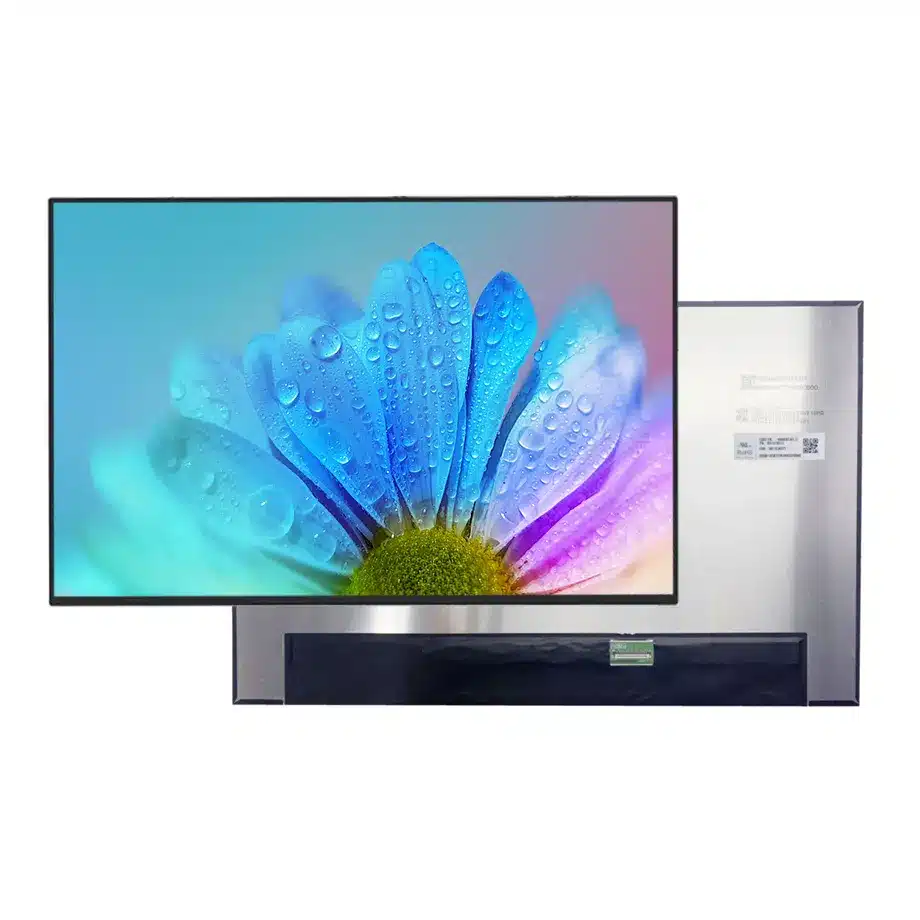
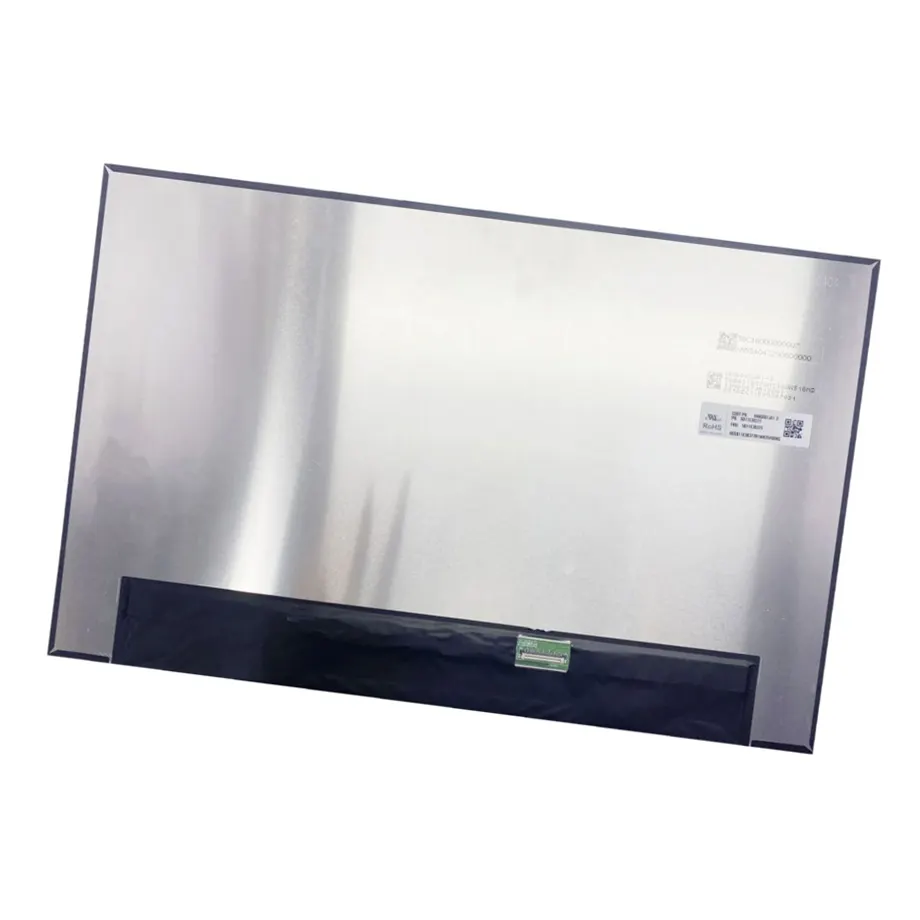
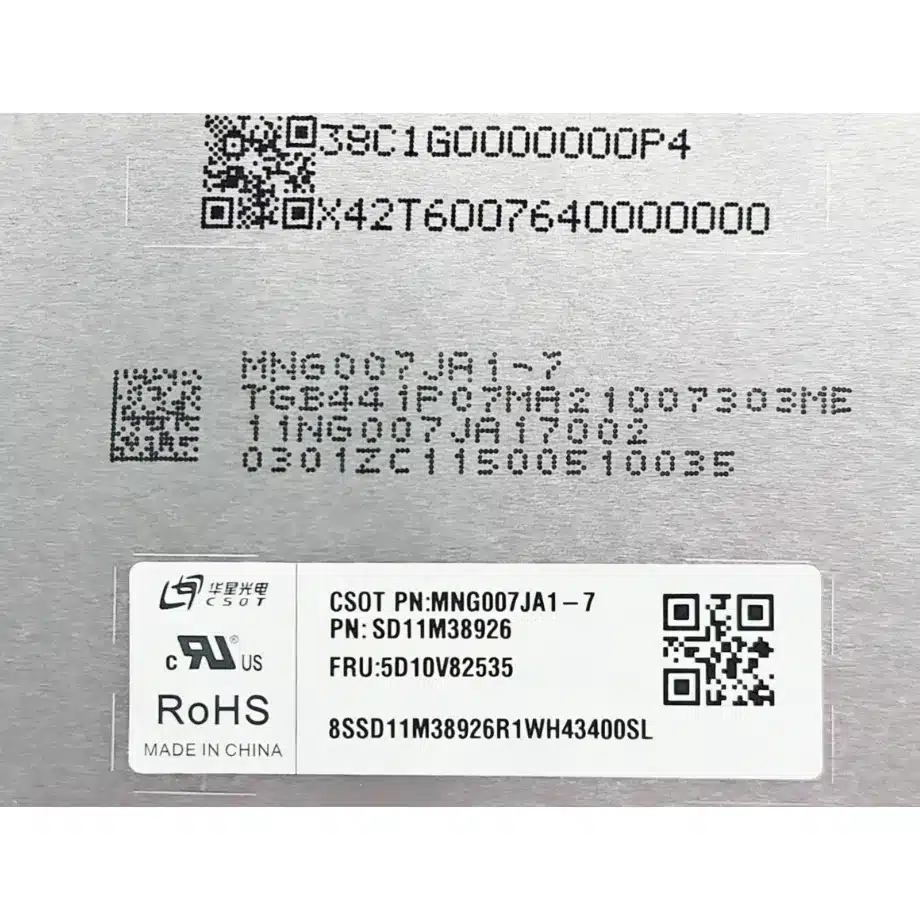
MNG007JA1-7 FFS LTPS Notebook Display Module WUXGA 16 Inch CSOT
Model P/N
Size
Resolution
Brightness
Viewing Angle
Connector Type
Operating Temp
Overall(mm)
csot
MNG007JA1-7
Brand
Panel Size (inch)
Model P/N
Resolution
Brightness (nits)
Viewing Angle
Contrast Ratio
Response Time
Overall (mm)
Active Area (mm)
Refresh Rate
Display Colors
Panel Type
Connector Type
Operating Temp
Touchscreen Type
Storage Temp
Work Mode
Pixel Format
Vibration Resistance
Designed For
Product Details
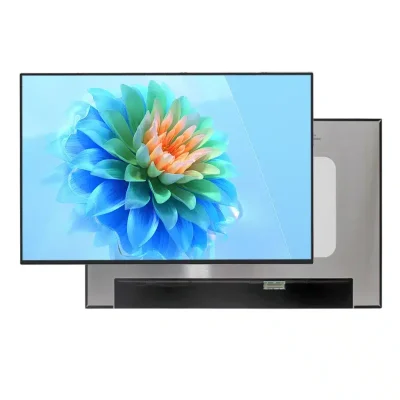
MNG007JA1-7 FFS LTPS Notebook Display Module is a 16.0-inch CSOT LTPS TFT-LCD LCM for laptop integration, with a native 1920×1200 WUXGA image in a 16:10 format. The exact-model data confirms FFS, Normally Black, Transmissive operation, 1000:1 typical contrast, 89/89/89/89 degree viewing angles and 16.7 million colors with 100% sRGB and Low Blue Light listed. It is supplied without touch and uses a WLED backlight. The interface is documented as eDP 1.4 at HBR1, while several regular objective fields—including exact lane count, connector pin count, input voltage, luminance, refresh rate, mass, full outline dimensions and backlight life—remain unresolved for this exact suffix and are intentionally left blank rather than copied from another MNG007JA1 variant.
Product form and evidence boundaries
The active display area is 344.68 × 215.42 mm. The source describes a slim bent-PCBA form with T≤3.5 mm, which is retained as a user-locked current-run fact even though some public reference pages show a different family-style thickness wording. No complete width, height or module-depth triplet is supplied in the current batch evidence, so enclosure release should use the exact drawing or an approved physical sample. This preserves product isolation and prevents a visually similar 16-inch panel from becoming an undocumented mechanical substitute.
Likewise, the absence of a brightness value is not a reason to estimate one from another CSOT 16-inch LCM. The exact model confirms a transmissive FFS architecture with WLED illumination, but the production brightness field remains unresolved. An engineering team that has a formal luminance requirement should obtain the exact current specification or measure the approved sample through the intended notebook optical stack before committing to a sourcing specification.
Three Core Buyer Value Propositions
1. WUXGA 16:10 geometry provides a defined notebook workspace
The 1920×1200 image gives more vertical pixels than a 1920×1080 panel while keeping a 16-inch diagonal suited to productivity notebooks. This supports document, coding and split-view layouts without implying compatibility with a particular laptop model. The host graphics path, lid opening, cable, connector and display timing still need exact validation.
2. LTPS FFS with 100% sRGB creates a clear optical architecture
LTPS TFT-LCD construction, FFS normally-black transmissive operation, wide 89-degree viewing angles and 100% sRGB provide a defined panel-level optical starting point. Low Blue Light is also listed. These specifications do not establish color calibration, HDR certification or a finished-system eye-care certification. The final notebook should be measured according to its own color and viewing requirements.
3. eDP 1.4 HBR1 narrows the native signal family without inventing connector details
The exact product data supports eDP 1.4 at HBR1, 2.7 Gbit/s per lane. That is enough to identify the internal interface family and link rate, but the current evidence does not safely establish the exact lane count, connector pin count or voltage supply. Those missing fields remain blank. This is a stronger engineering boundary than borrowing connector details from a related 16-inch CSOT panel.
Key Specifications at a Glance
| Specification | MNG007JA1-7 value |
|---|---|
| Display size | 16.0 inch |
| Panel type | LTPS TFT-LCD, LCM |
| Resolution | 1920(RGB)×1200, WUXGA, 16:10 |
| Active area | 344.68 × 215.42 mm |
| Shape style | Slim, PCBA bent, T≤3.5 mm |
| Contrast | 1000:1 (Typ.) |
| Viewing angle | 89/89/89/89 (Typ.)(CR≥10) |
| Color | 16.7M, 100% sRGB, Low Blue Light |
| Display mode | FFS, Normally Black, Transmissive |
| Interface | eDP 1.4, HBR1 2.7G/lane |
| Backlight | WLED |
| Touch | Without touch screen |
| Operating / storage | 0 to 50°C / -20 to 60°C |
Why unresolved fields should remain unresolved
Same-family panels often share broad characteristics, and distributor pages may list connector, brightness or power values for nearby suffixes. Those values are not safe substitutes for MNG007JA1-7. The production workflow therefore leaves unresolved fields blank after reasonable exact-model research. This avoids creating false precision in a procurement record that may later be used for cable design, incoming inspection or supplier substitution decisions.
The practical next step is to request the current exact-revision electrical and mechanical documentation from CSOT or an authorized supply channel. The document package should confirm connector geometry, pin assignment, link lane configuration, supply rails, timing, backlight control and full outline. If that documentation is unavailable during early evaluation, sample-based measurements can support feasibility work but should not be silently converted into manufacturer specifications.
eDP bring-up and host qualification
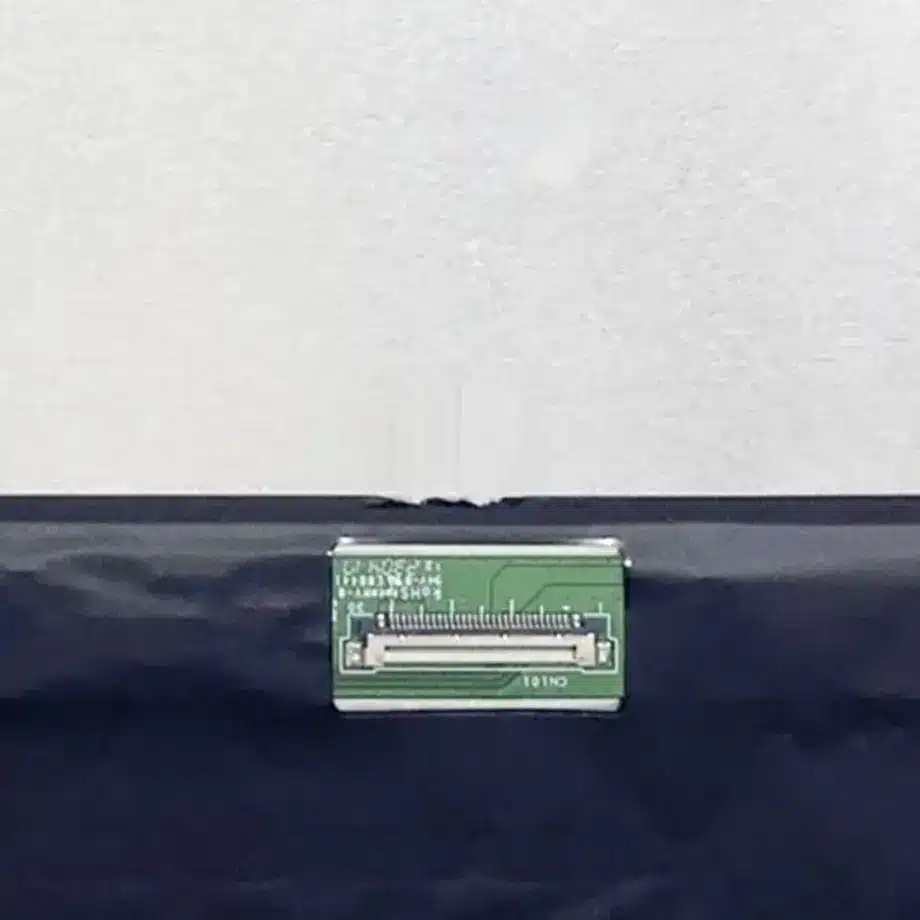
MNG007JA1-7 FFS LTPS Notebook Display Module should be brought up using its documented WUXGA native image and eDP 1.4 HBR1 architecture. Because the exact lane count and connector details are unresolved in the current production evidence, a motherboard or cable should not be frozen from a family assumption. The design team should wait for the exact electrical drawing or identify the connector directly on an approved sample and reconcile that observation with the manufacturer documentation.
Once the electrical details are confirmed, qualification should cover cold boot, repeated power cycles, sleep/wake, brightness changes and representative graphics workloads. The system should prove stable native 1920×1200 operation without link errors or visible artifacts. External USB-C or HDMI inputs, if present on the notebook, are system-level interfaces and should not be confused with the panel's native embedded DisplayPort link.
Optical evaluation without a published exact-model luminance
The lack of a safe brightness figure changes how optical requirements should be managed. Instead of advertising an estimated nit value, procurement can specify that luminance is pending exact-model confirmation and perform sample measurement against the intended product target. This is particularly important when the notebook design has a minimum brightness requirement, because the WLED implementation and panel transmissivity determine whether the system can meet that requirement.
Confirmed optical information remains useful: 1000:1 typical contrast, wide 89-degree viewing angles, 100% sRGB and FFS normally-black transmissive behavior. These values help describe the image architecture without filling the missing luminance field. Low Blue Light is listed as a feature, but no certification basis is supplied in the current evidence, so the public copy does not claim a specific eye-care standard.
Mechanical integration for a 16-inch slim module
The active area is confirmed, while the full physical outline is unresolved. This means bezel exposure can be planned conceptually, but final enclosure tooling should not proceed from active-area dimensions alone. The exact drawing must establish outside dimensions, connector location, rear component keep-outs and support points. The supplied bent-PCBA T≤3.5 mm shape description is helpful, but it is not a complete mechanical envelope.
For replacement or service use, the original display label should be compared with MNG007JA1-7 exactly, including the suffix. A same-resolution WUXGA panel can still differ in connector side, link configuration, thickness or rear PCB layout. If an alternate part is proposed, it should undergo independent electrical and mechanical validation unless the notebook manufacturer has already approved that exact alternative.
Backlight and thermal considerations
The module includes a WLED backlight, but the exact current evidence does not establish a backlight-life value or whether a specific driver implementation is integrated. Those fields remain blank. The system designer should obtain the exact LED electrical and control requirements before deciding the backlight power architecture. Brightness-control range and startup behavior should be validated on the intended host.
Operating temperature is 0 to 50°C and storage is -20 to 60°C. Exact-model reference evidence also supports a maximum vibration level of 1.5G (14.7 m/s²). These are component constraints and do not establish rugged, automotive or industrial certification. In a thin notebook, internal temperature can rise during charging and processor load, so system thermal testing should confirm that the display remains within its operating range.
Application fit: notebook and laptop display integration
Laptop is the documented application for the exact model. That supports use in notebook display designs and replacement projects where the WUXGA image, LTPS/FFS architecture and eDP link fit the host. The current evidence does not document Gaming as an application for this exact suffix, so public Designed For wording remains centered on laptop/notebook integration rather than broadening the product into an unsupported gaming category.
MNG007JA1-7 FFS LTPS Notebook Display Module is therefore best qualified as an exact notebook component with several confirmed optical and signal characteristics and several intentionally unresolved fields. That distinction can help engineering and purchasing communicate clearly: what is known is stored and marketed; what is not known remains a document request, not an estimate.
Procurement and incoming-quality checklist
Confirm the exact model and CSOT identity on the incoming label. Check the active area, no-touch configuration, WLED backlight and visible surface for defects. Once exact connector documentation is obtained, include connector location, pin assignment and cable orientation in the receiving specification. Functional testing should prove native WUXGA image operation, backlight control, suspend/resume and stable operation across representative notebook workloads.
Keep the approved panel revision, cable, motherboard firmware and mechanical drawing together in the qualification record. Any suffix change or supplier-proposed substitute should trigger a bounded re-evaluation. MNG007JA1-7 FFS LTPS Notebook Display Module should enter volume purchasing only after the unresolved connector, power, brightness and mechanical fields that matter to the project have been verified from exact-model evidence or approved sample testing.
Engineering summary
MNG007JA1-7 FFS LTPS Notebook Display Module is a 16-inch WUXGA LTPS LCM with FFS wide-view operation, 100% sRGB, WLED illumination and eDP 1.4 HBR1 for laptop use. Its production record deliberately leaves brightness, refresh, voltage, exact connector and full outline blank because exact-model evidence does not safely support them. That evidence discipline is part of the product value: engineering teams can separate confirmed specifications from open qualification items before hardware and procurement commitments are made.
Recommended: Same Size
(16")
Applications & Value of LCD Panel

- Fast sourcing with in-stock panels & cross-reference alternatives
- Stable supply chain with long-term availability
- Engineering-level support from panel to integration
- Custom solutions: cable, touch & optical bonding
- Strict quality control with IQC / OQC / aging test
- Full traceability system for quality assurance
- Complete technical documentation & drawings
- Compliance support: RoHS & certification files