~
~
~
~
~
~
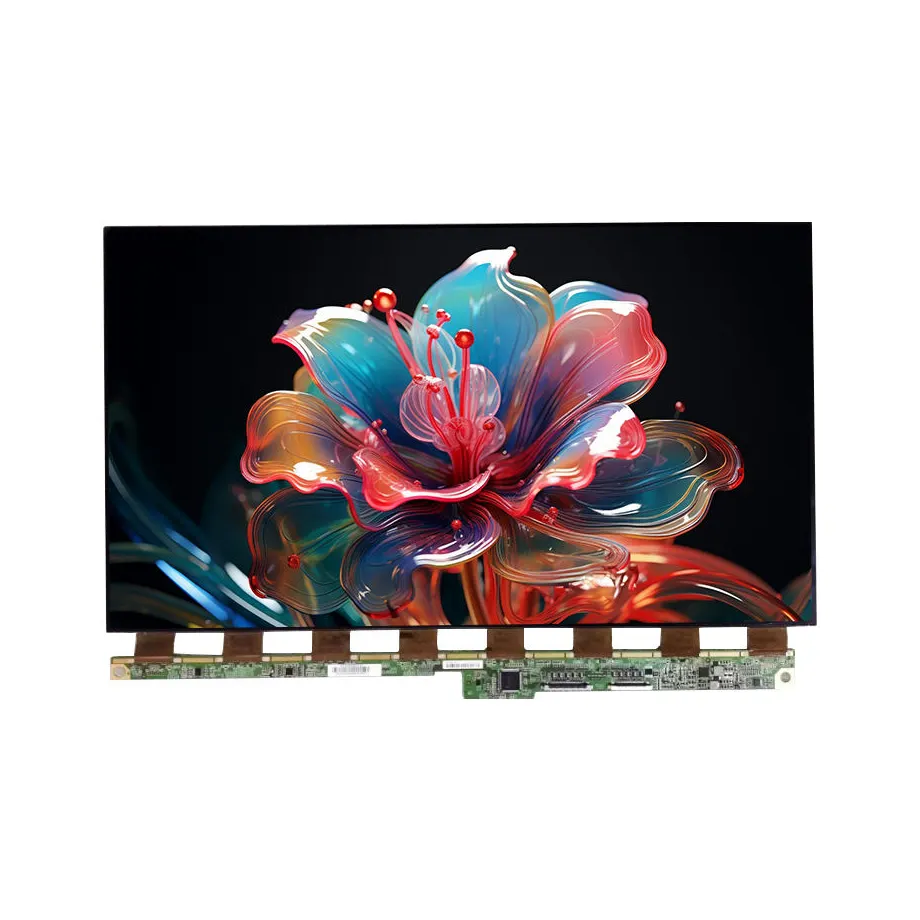
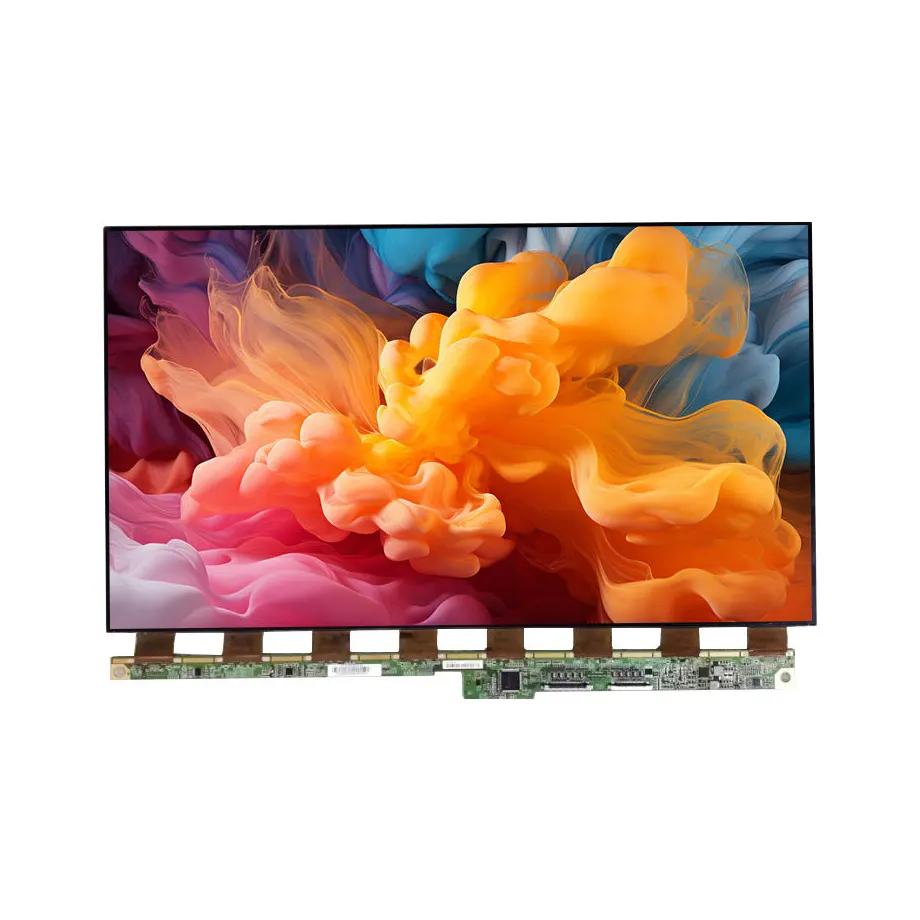
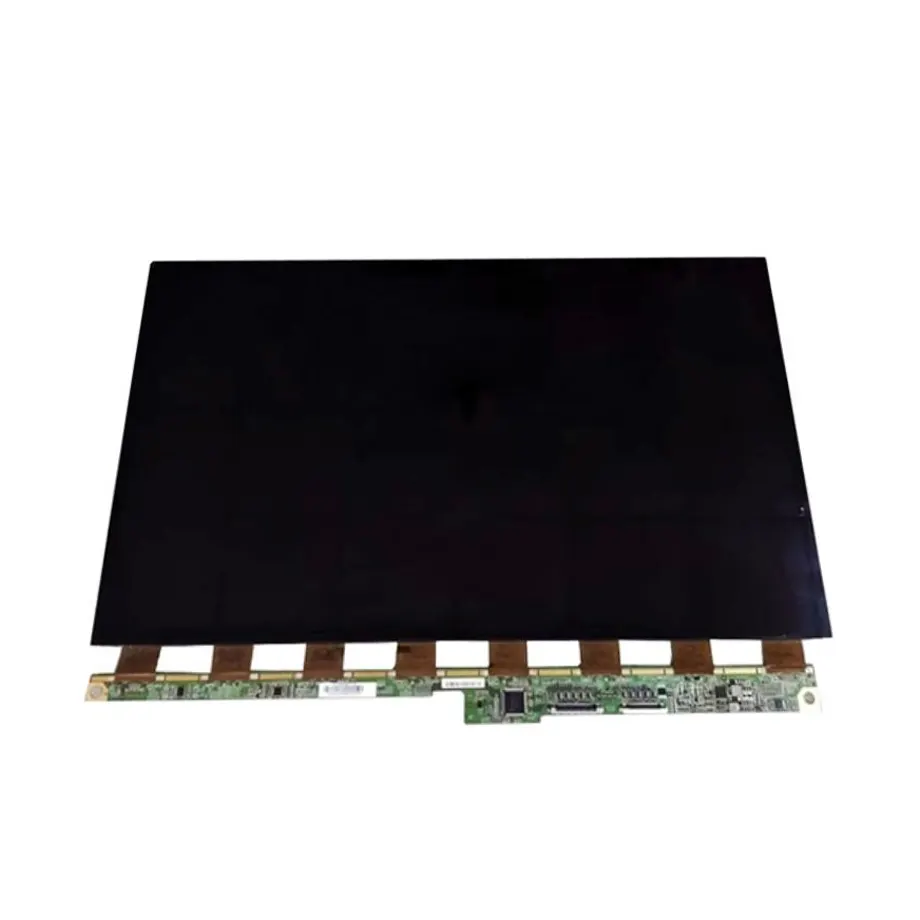
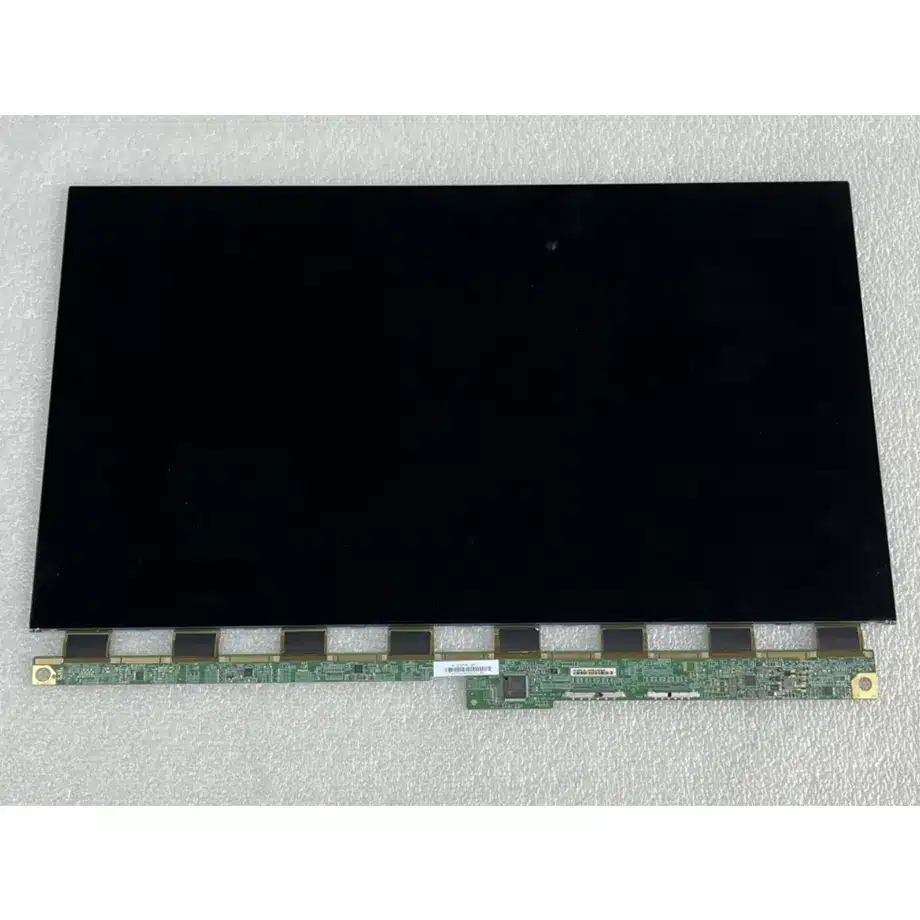
MV238FHB-NF0 Low-Blue-Light Monitor Open Cell BOE
Model P/N
Size
Resolution
Brightness
Viewing Angle
Connector Type
Operating Temp
Overall(mm)
boe
MV238FHB-NF0
Brand
Panel Size (inch)
Model P/N
Resolution
Viewing Angle
Contrast Ratio
Response Time
Overall (mm)
Active Area (mm)
Refresh Rate
Display Colors
Panel Type
Connector Type
Surface Treatment
Operating Temp
Touchscreen Type
Storage Temp
Work Mode
Pixel Format
Input Voltage (V)
Designed For
Product Details
Product Overview
MV238FHB-NF0 Low-Blue-Light Monitor Open Cell is a 23.8-inch BOE a-Si TFT-LCD CELL (FOB) for desktop-monitor integration. The exact cell uses a native 1920(RGB)×1080 FHD raster in a 16:9 format, with a 527.04 × 296.46 mm active area inside a 534.84 × 308.07 × 1.34 mm outline. It operates in ADS normally-black transmissive mode and is specified at 1000:1 typical contrast with 89/89/89/89 typical viewing-angle values at CR≥10. The front surface is antiglare with 25% haze and 3H hard coating, and the color field supports 16.7M colors with 99% sRGB and Low Blue Light wording.
This product is a bare LCD cell without a backlight or backlight driver, so its recorded luminance is 0 cd/m² and should not be interpreted as a usable monitor brightness value. The relevant optical cell parameter is 4.9% typical transmissivity with polarizer. Native signaling is dual-channel 8-bit LVDS through a 1.0 mm connector, with 5.0 V typical panel input. The cell runs at 75 Hz, is supplied without touch and identifies eight built-in source-driver chips. Its glass structure is documented as 0.50 + 0.50 mm. Operating temperature is 0 to 50 °C and storage is -20 to 60 °C.
Three Core Buyer Value Propositions
1. A 75 Hz FHD ADS cell gives mainstream monitor projects a clear performance target
The 1920×1080 raster and 75 Hz native timing define a familiar desktop-monitor class that can support office, productivity and general multimedia systems without requiring a high-bandwidth UHD controller. The refresh rate also distinguishes the exact cell from common 60 Hz alternatives. Buyers can therefore qualify the controller and optical stack against an explicit FHD/75 Hz target rather than treating every 23.8-inch panel as equivalent.
2. 99% sRGB and 25% haze provide measurable color and surface requirements
The exact-model color field includes 99% sRGB wording, while the front polarizer uses a 25% haze antiglare treatment with 3H hard coating. Together they create concrete acceptance criteria for mainstream color reproduction and reflection control. These values do not establish factory calibration, Delta E, white point or a professional color certification. The finished monitor should still be measured after the selected backlight, optical films and any front cover are assembled.
3. Bare-cell construction allows optical customization but makes backlight engineering mandatory
Because no light source or LED driver is integrated, the display manufacturer can design the backlight around cost, luminance, thermal and enclosure targets. That flexibility also shifts responsibility to the system. The 4.9% transmissivity value, active aperture and polarizer behavior must be combined with LED output, light-guide efficiency, diffuser films and driver control before a finished brightness specification can be established.
Key Specifications at a Glance
| Parameter | Confirmed value |
|---|---|
| Manufacturer / model | BOE MV238FHB-NF0 |
| Display size | 23.8 inch |
| Panel form | a-Si TFT-LCD, CELL (FOB), no backlight |
| Native resolution | 1920(RGB)×1080 FHD, 16:9 |
| Active area | 527.04 × 296.46 mm |
| Outline | 534.84 × 308.07 × 1.34 mm |
| Display mode | ADS, Normally Black, Transmissive |
| Contrast ratio | 1000:1 typical |
| Viewing-angle values | 89/89/89/89 typical at CR≥10 |
| Response time | 5 ms typical G2G |
| Colors | 16.7M, 99% sRGB, Low Blue Light wording |
| Surface | Antiglare, haze 25%, hard coating 3H |
| Transmissivity | 4.9% typical with polarizer |
| Glass thickness | 0.50 + 0.50 mm |
| Refresh rate | 75 Hz |
| Native interface | LVDS, 2 channels, 8-bit, 1.0 mm connector |
| Panel input | 5.0 V typical |
| Driver configuration | COF, 8 built-in source chips |
| Touch | Without touch screen |
| Operating / storage | 0 to 50 °C / -20 to 60 °C |
Why is 0 cd/m² correct for a bare monitor cell?
The zero-luminance entry describes the product configuration, not a dark-state performance characteristic. MV238FHB-NF0 is delivered without its own backlight, so no visible white luminance can be assigned until the integrator supplies an illumination system. The optical engineer should instead start from the 4.9% typical transmissivity, cell aperture and polarizer characteristics when estimating the backlight flux required for the final monitor.
For MV238FHB-NF0 Low-Blue-Light Monitor Open Cell, finished brightness should be validated with the actual LEDs, light guide, diffuser stack and current driver. A monitor designed for ordinary office use, a bright showroom or a power-sensitive embedded desktop can choose different backlight operating points while using the same cell. Any published nit value should therefore belong to the completed monitor configuration, not be borrowed from another BOE LCM.
How should 75 Hz timing and 5 ms G2G be evaluated?
The 75 Hz refresh rate defines how often a complete image frame can be presented, while the 5 ms typical G2G value describes liquid-crystal transition behavior under a specified test method. These values should not be merged into a single latency claim. Controller buffering, graphics rendering and any overdrive implementation add their own behavior. If the finished monitor is positioned for smoother desktop interaction, measure scrolling and motion on the complete electronics stack.
A 75 Hz controller design should also be checked for stable LVDS clocking across power cycles, sleep states and the intended cable length. The exact cell uses dual-channel 8-bit LVDS, so bit mapping, clock pairs and power timing should be taken from the controlled BOE specification. A generic LVDS board is only a starting point for engineering evaluation.
How should LVDS and source-driver integration be validated?
Texas Instruments' LVDS training material explains differential signaling, termination and routing principles relevant to display links. For this cell, eight source-driver chips are already built into the panel structure, while the external timing/controller electronics still have to deliver the correct dual-channel 8-bit stream and 5.0 V supply.
Prototype the production cable and controller board together. Check clock stability, color-bit ordering, image integrity after warm-up and repeated start/stop cycles. If a bridge converts HDMI or DisplayPort input to the panel's LVDS format, keep the system input and panel-native interface separate in documentation. The external connector on a finished monitor does not change the electrical interface seen by the cell.
How should 99% sRGB be qualified?
The exact-model specification supports 99% sRGB wording, which makes the cell relevant to general color-consistent desktop applications. It does not define the monitor's white point, gamma, calibration accuracy or uniformity. Those values depend on the selected backlight spectrum, monitor firmware, color-management implementation and production variation. If the project has a color-accuracy target, specify it independently and verify multiple samples.
BOE's monitor display portfolio describes office, entertainment and professional-design uses across its monitor product range. That manufacturer context supports desktop monitor as the application class, but it should not be used to add HDR, high-brightness or professional-certification claims to MV238FHB-NF0. Keep the exact FHD, 75 Hz, 99% sRGB and bare-cell facts distinct from portfolio marketing.
Surface haze, hard coating and final reflection performance
A 25% haze antiglare surface can diffuse sharp reflections from room lighting, while 3H hard coating provides a defined surface-hardness treatment. The effect on image clarity, grain and black level should be evaluated with the intended backlight and viewing distance. If the monitor adds protective glass or another front film, reflection and haze behavior can change materially, so repeat optical testing on the completed stack.
Low Blue Light wording appears in the exact-model color/features data, but no named eye-care certification or spectral metric is established. If the finished monitor requires a specific blue-light standard, provide the applicable component or system test evidence. Avoid converting a feature label into a certification claim.
Mechanical integration of a 1.34 mm cell
The 534.84 × 308.07 × 1.34 mm outline describes the bare glass/cell structure, not a complete desktop monitor module. Backlight, frame, controller, power supply and rear cover will add depth and mass. The 527.04 × 296.46 mm active area should be matched separately to the visible bezel aperture. The 0.50 + 0.50 mm glass specification is also relevant to handling and support-fixture design.
Cell mass remains unresolved, so mechanical teams should not insert a generic 23.8-inch weight. Use a controlled sample measurement if weight is needed for assembly automation or packaging. Support the cell without point loading and protect the source-driver regions and connector during fixture design. Exact outline control is more reliable than treating the panel as a commodity FHD sheet.
Application fit for office, general-purpose and color-aware desktop monitors
MV238FHB-NF0 Low-Blue-Light Monitor Open Cell is documented for Desktop Monitor use. Its FHD resolution, 75 Hz timing, broad ADS viewing, 99% sRGB wording and matte surface support office, productivity and general multimedia monitor projects when the integrator intentionally supplies the backlight and controller. A color-aware business monitor is also a reasonable scenario if final calibration targets are defined separately. No named retail monitor or chassis fit is asserted.
The cell is supplied without touch. If touch is required, a separate sensor, cover and controller stack must be qualified, including its influence on optical reflection and thickness. Replacement programs should lock the full `MV238FHB-NF0` identity and not treat another NF0-suffix BOE panel as equivalent; the NF0 suffix appears across different sizes and configurations.
Procurement and validation checklist
- Lock BOE MV238FHB-NF0 and the full suffix in the product BOM.
- Validate native 1920×1080 operation at 75 Hz over dual-channel 8-bit LVDS.
- Confirm the exact 1.0 mm connector geometry, LVDS mapping and 5.0 V power sequence.
- Design the external backlight using 4.9% transmissivity and the intended finished luminance.
- Verify 99% sRGB wording, 1000:1 contrast and the 25% haze antiglare surface on samples.
- Preserve the 5 ms typical G2G response qualifier without turning it into total system latency.
- Use the 534.84 × 308.07 × 1.34 mm cell outline for mechanical integration.
- Keep cell mass blank until exact evidence or a controlled sample measurement is available.
- Do not infer touch, HDR, professional calibration, price, MOQ, lead time or lifecycle guarantees.
For MV238FHB-NF0 Low-Blue-Light Monitor Open Cell qualification, provide the monitor controller, LVDS mapping, external-backlight architecture, optical targets, enclosure constraints and required quantity. Exact-model cell, backlight and controller validation should be completed together before production approval.
Recommended: Same Size
(23.8")
Applications & Value of LCD Panel

- Fast sourcing with in-stock panels & cross-reference alternatives
- Stable supply chain with long-term availability
- Engineering-level support from panel to integration
- Custom solutions: cable, touch & optical bonding
- Strict quality control with IQC / OQC / aging test
- Full traceability system for quality assurance
- Complete technical documentation & drawings
- Compliance support: RoHS & certification files