~
~
~
~
~
~
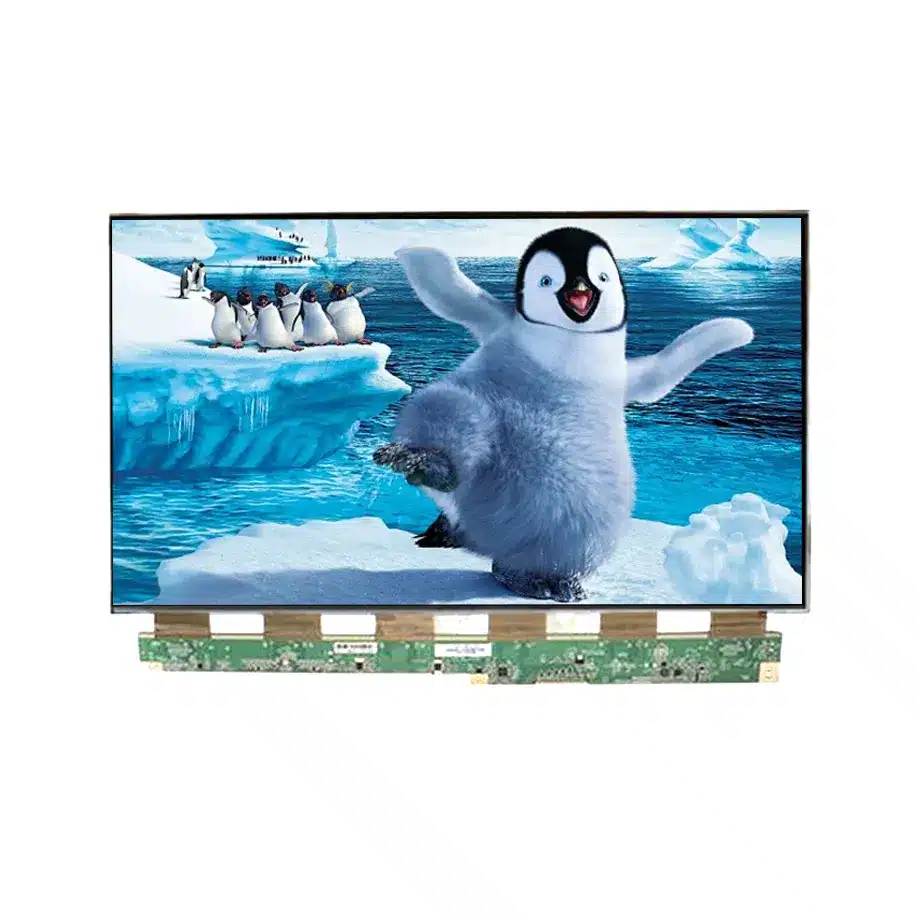
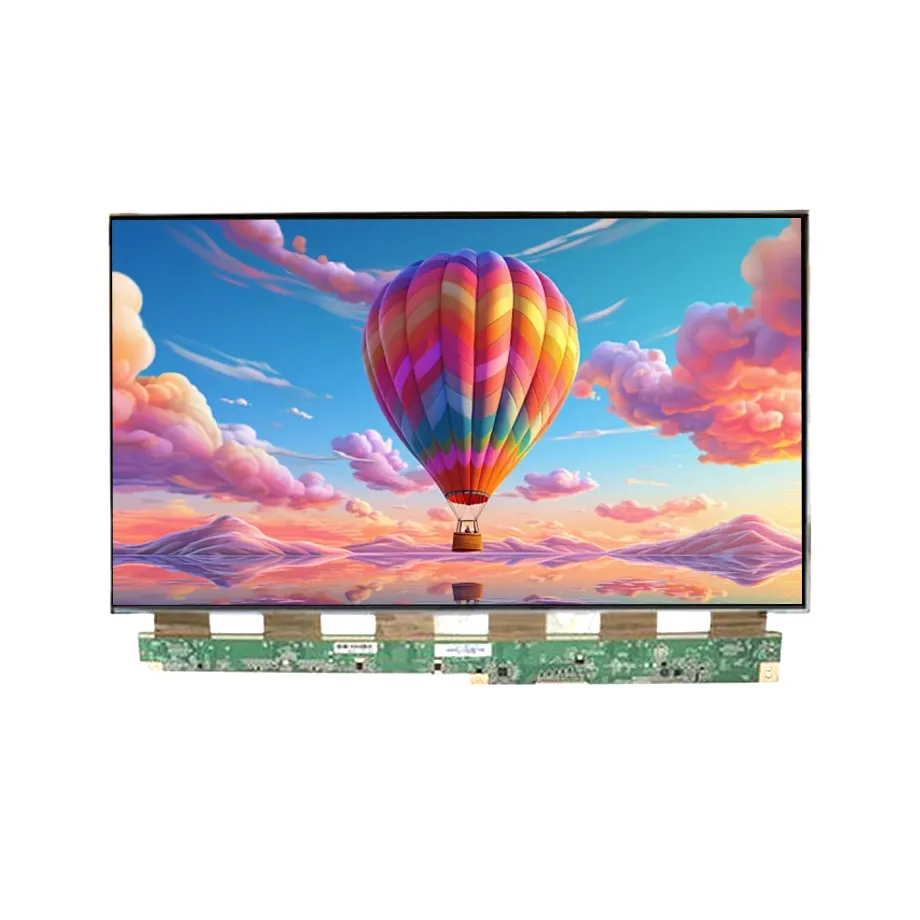
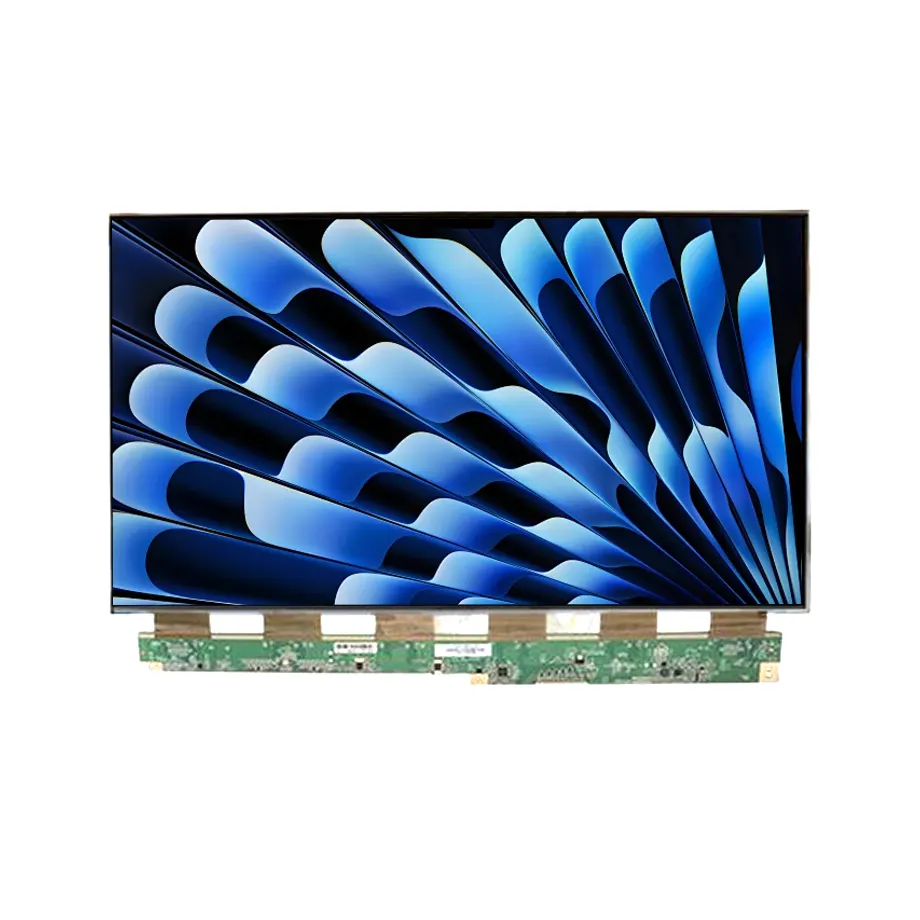
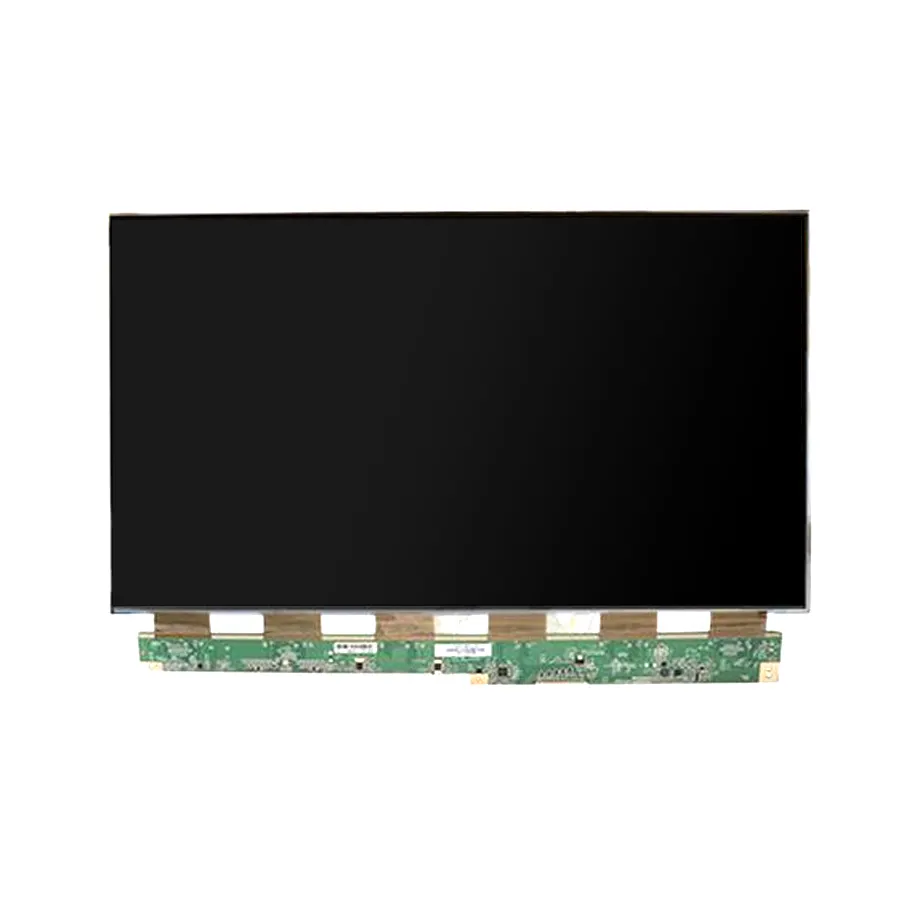
MF238FHB-N31 Backlightless LVDS Monitor Cell 23.8 Inch BOE
Model P/N
Size
Resolution
Brightness
Viewing Angle
Connector Type
Operating Temp
Overall(mm)
boe
MF238FHB-N31
Brand
Panel Size (inch)
Model P/N
Resolution
Viewing Angle
Contrast Ratio
Response Time
Overall (mm)
Active Area (mm)
Refresh Rate
Display Colors
Panel Type
Connector Type
Surface Treatment
Operating Temp
Touchscreen Type
Storage Temp
Work Mode
Pixel Format
Input Voltage (V)
Weight (g)
Designed For
Product Details
MF238FHB-N31 Backlightless LVDS Monitor Cell is a 23.8-inch BOE a-Si TFT-LCD CELL intended for desktop-monitor integration. Its native image is 1920×1080 FHD in a 16:9 format, with a 527.04 × 296.46 mm active area and a 533.58 × 305.85 × 1.3 mm outline. The exact-model data specifies ADS normally-black transmissive operation, 16.7 million colors with 100% sRGB, 1300:1 typical contrast, 89-degree viewing angles in all directions and a 60 Hz frame rate. Because this is a CELL with no backlight, the listed 0 cd/m² value describes the absence of an integrated light source rather than the brightness of a finished monitor.
Product architecture: a display CELL that requires a separate light system
The CELL format is the most important integration boundary. Unlike a complete LCM, this part does not include the backlight, light guide, LED driver or finished monitor electronics. The glass stack supplies the image modulation layer and polarizer-related optical behavior, while the product developer must provide a compatible illumination system behind it. That distinction affects mechanical depth, optical uniformity, thermal design and the way luminance is specified. A finished monitor using this cell can have a measurable brightness only after the backlight and optical stack are designed and validated.
The front surface is antiglare with 25% haze and a 3H hard coating. The cell also lists 4.7% typical transmissivity with polarizer. These parameters are useful when estimating how much backlight output may be required, but they are not a substitute for system-level photometric testing. Diffusers, prism films, reflector design, LED spectrum, light-guide efficiency, bezel pressure and thermal conditions can all change the completed display result.
Three Core Buyer Value Propositions
1. Full-HD ADS optics provide a defined desktop-monitor image platform
The confirmed 1920×1080 format, 23.8-inch diagonal and wide 89/89/89/89 typical viewing specification create a familiar desktop-monitor geometry. ADS normally-black transmissive operation and 100% sRGB coverage give an engineering team a clear optical target for general office, productivity and content-oriented monitor designs. These panel-level figures do not guarantee factory calibration, white point or a particular Delta E result in the finished product; the controller, backlight spectrum and final optical stack still need qualification.
2. Native LVDS simplifies evaluation for established monitor controller architectures
The exact cell uses two-channel, 8-bit LVDS through a 30-pin 1.0 mm connector with a typical 5.0 V supply. For systems already designed around LVDS timing, that gives engineers a concrete electrical starting point without assuming eDP or V-by-One behavior. Connector pitch, pin assignment, timing, polarity, voltage sequencing and cable routing must still match the exact BOE specification. An LVDS-capable controller is not automatically pin-compatible with every LVDS panel.
3. Backlightless construction lets the system designer control illumination strategy
For monitor manufacturers developing their own backlight unit, a CELL can provide flexibility in LED selection, optical-film configuration, chassis depth and thermal management. That flexibility comes with responsibility: the purchaser is not receiving a ready-to-light module. Backlight current, diffusion, edge leakage, mura, hotspot control and optical coupling must be engineered around the cell rather than inferred from the 0 cd/m² database entry.
Key Specifications at a Glance
| Specification | MF238FHB-N31 value |
|---|---|
| Display size | 23.8 inch |
| Panel form | a-Si TFT-LCD, CELL (FOB) |
| Resolution | 1920×1080 FHD, 16:9 |
| Active area | 527.04 × 296.46 mm |
| Outline | 533.58 × 305.85 × 1.3 mm |
| Weight | 460 g typical |
| Surface | Antiglare, 25% haze, 3H hard coating |
| Contrast | 1300:1 typical |
| Viewing angle | 89/89/89/89 typical at CR≥10 |
| Response | 14 ms typical G-to-G |
| Colors | 16.7M, 100% sRGB |
| Refresh rate | 60 Hz |
| Interface | LVDS, 2 channel, 8-bit, 30-pin 1.0 mm |
| Supply | 5.0 V typical |
| Backlight | Not included |
| Operating / storage | 0 to 50°C / -20 to 60°C |
Why does the brightness field read zero?
The brightness value should be interpreted together with the product form. MF238FHB-N31 is a CELL without a backlight, so there is no integrated illumination system from which to specify module luminance. Recording 0 in the source data preserves that construction fact. It should not be presented to a buyer as a black-screen brightness measurement, nor should it be used to predict how bright a completed monitor can become.
For a new design, luminance planning begins with the selected LED package, number of LEDs, optical efficiency, film stack and thermal operating point. The cell's 4.7% typical transmissivity is relevant to that optical budget, but the actual monitor result needs measurement after assembly. If the product has a target luminance or uniformity specification, validate multiple samples at production drive conditions and after thermal stabilization.
LVDS controller and cable qualification
MF238FHB-N31 Backlightless LVDS Monitor Cell provides a two-channel 8-bit LVDS input and a 30-pin 1.0 mm connector. Before PCB release, confirm the exact pin map, clock relationship, data mapping, connector orientation and power-control requirements from the current BOE document. The 5.0 V panel supply also needs correct sequencing relative to data and control signals. Cable length, impedance, grounding and routing around the backlight driver can affect link margin and image stability.
Bring-up testing should include cold start, repeated power cycling, sleep and wake behavior, mode changes and long-duration operation at native 1920×1080 60 Hz. Inspect for intermittent lines, color mapping errors, image flicker and startup artifacts. A controller board advertised for FHD LVDS should be treated as a candidate architecture, not as proof of exact compatibility.
Optical-stack development for a 25% haze cell
The 25% haze antiglare surface can help diffuse reflections in desktop environments, but perceived glare depends on the entire front construction. Additional cover material, protective film or air gaps can change reflected-light behavior. The 3H hard-coating value describes the panel surface treatment; it does not establish scratch resistance for an assembled monitor with a different outer layer.
Color and contrast should also be measured through the final backlight. The cell is specified for 100% sRGB and 1300:1 typical contrast, yet LED spectral power distribution, color processing and calibration determine the finished monitor's measured gamut and white point. Incoming-cell inspection can screen for gross defects, while final optical acceptance should be defined at the monitor level.
Mechanical integration of the thin CELL
The 533.58 × 305.85 × 1.3 mm outline and 460 g typical mass describe a thin glass-cell assembly, not a self-supporting finished display. The chassis must control flatness, edge support and clearance without creating localized pressure on the glass. The backlight stack, reflector, optical films and rear structure will add depth and mass that are not represented by the 1.3 mm cell thickness.
During prototype work, check active-area alignment to the bezel, connector access, COF clearance and cable bend radius. The integrated source-driver architecture uses four COF source chips, so mechanical parts should not load those areas. Transportation packaging and assembly fixtures should protect the panel from torsion and impact before the full monitor structure provides support.
Application fit: desktop monitor engineering
Desktop Monitor is the documented application for this exact model. That makes the cell appropriate for evaluation in 23.8-inch FHD monitor programs where the manufacturer already controls the backlight, LVDS controller path and mechanical stack. The exact-model evidence does not establish compatibility with a named retail monitor, all-in-one PC or replacement assembly. Service projects should compare the original label, connector, timing, outline and backlight construction before approving substitution.
The cell is supplied without touch. Adding a touch sensor or protective cover would create a new optical and mechanical stack that must be qualified for reflections, parallax, pressure, grounding and enclosure fit. Likewise, the 0 to 50°C operating range is a component limit and does not establish industrial, automotive or rugged qualification for the completed product.
Procurement and incoming-quality checklist
Confirm the exact MF238FHB-N31 model marking and revision on incoming material. Verify the 533.58 × 305.85 mm outline, 527.04 × 296.46 mm active area, 30-pin LVDS connector, no-backlight construction and 60 Hz FHD image. Check the antiglare surface and inspect COF regions before mechanical assembly. Keep the approved cell, cable, controller timing and backlight configuration under revision control so a later substitution does not silently change the optical or electrical stack.
Incoming electrical validation should include native timing, power sequencing and stable image output. Optical validation of the finished monitor should include luminance, uniformity, sRGB coverage, contrast, viewing behavior and visible artifacts after warm-up. MF238FHB-N31 Backlightless LVDS Monitor Cell should enter volume purchasing only after the complete backlight and monitor system demonstrates the required electrical, optical and mechanical performance. Stock, lead time and lifecycle status require separate current sourcing confirmation.
A production approval should also define what constitutes an acceptable cell-only shipment versus a completed monitor performance result. Glass cosmetic criteria, line defects, connector condition and COF integrity belong to incoming CELL inspection; luminance, backlight uniformity, thermal rise and enclosure behavior belong to the assembled monitor. Keeping these acceptance layers separate helps purchasing, quality and engineering teams diagnose failures without assigning a system-level backlight issue to the LCD cell itself. MF238FHB-N31 Backlightless LVDS Monitor Cell is therefore best sourced with a revision-controlled sample and a documented system qualification record.
Engineering summary
MF238FHB-N31 is a 23.8-inch FHD ADS CELL with wide viewing angles, 100% sRGB, a two-channel 8-bit LVDS interface and no integrated backlight. Its key integration task is not simply driving the pixels; it is building a compatible illumination, optical, electrical and mechanical system around a thin glass-cell product. Preserving that distinction keeps the 0 cd/m² source value technically correct and prevents it from being misrepresented as the brightness of a finished desktop monitor.
Recommended: Same Size
(23.8")
Applications & Value of LCD Panel

- Fast sourcing with in-stock panels & cross-reference alternatives
- Stable supply chain with long-term availability
- Engineering-level support from panel to integration
- Custom solutions: cable, touch & optical bonding
- Strict quality control with IQC / OQC / aging test
- Full traceability system for quality assurance
- Complete technical documentation & drawings
- Compliance support: RoHS & certification files