
~
~
~
~
~
~
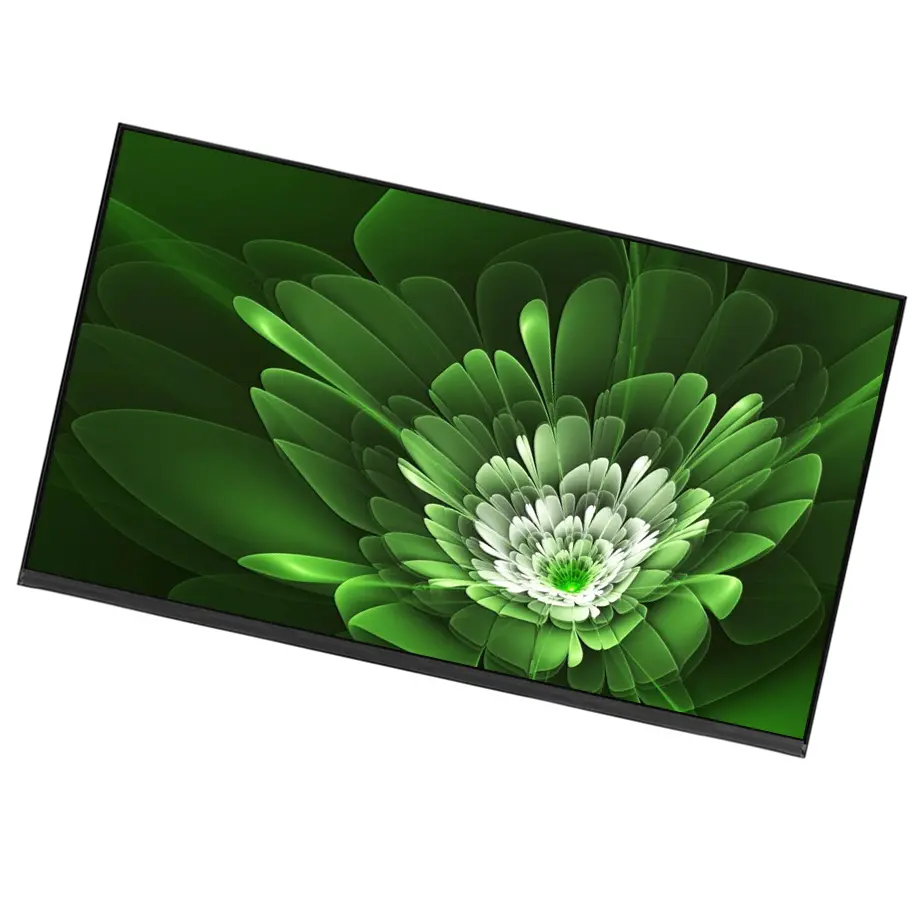
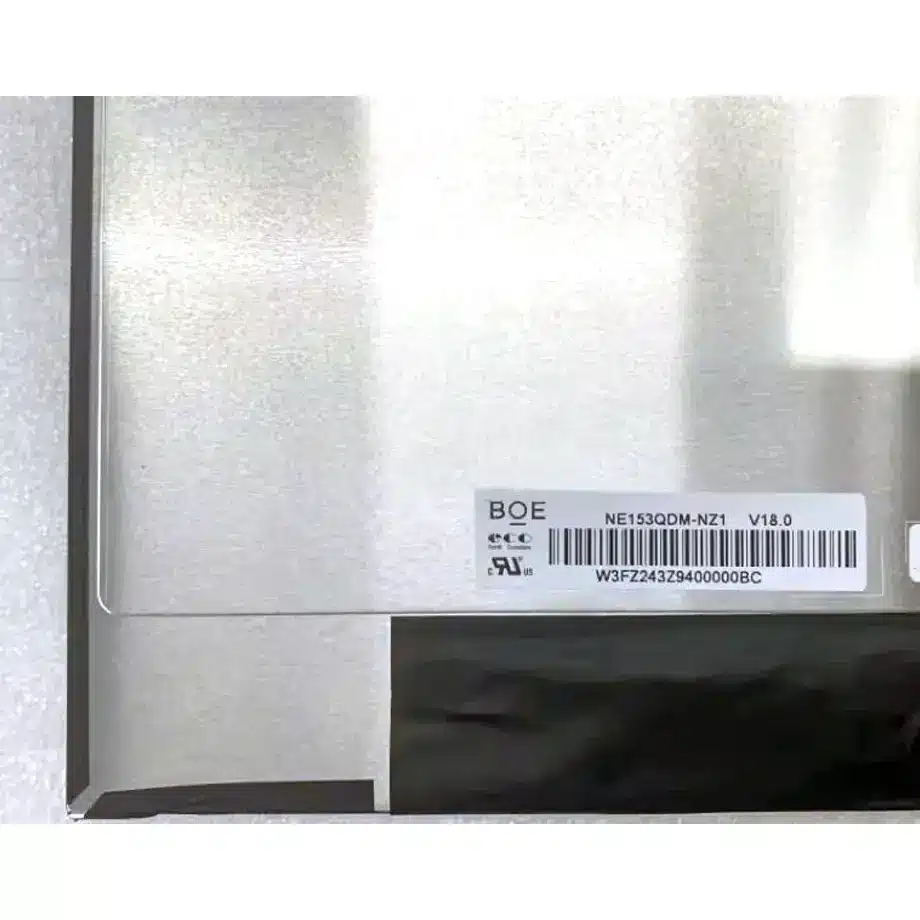
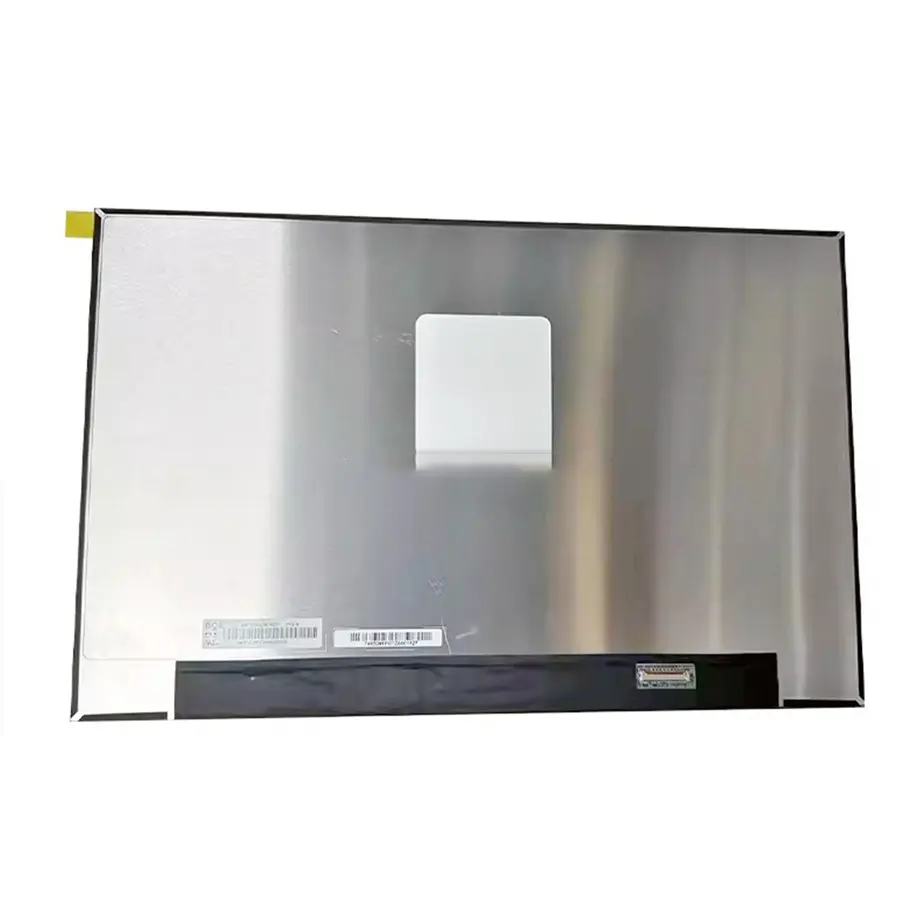
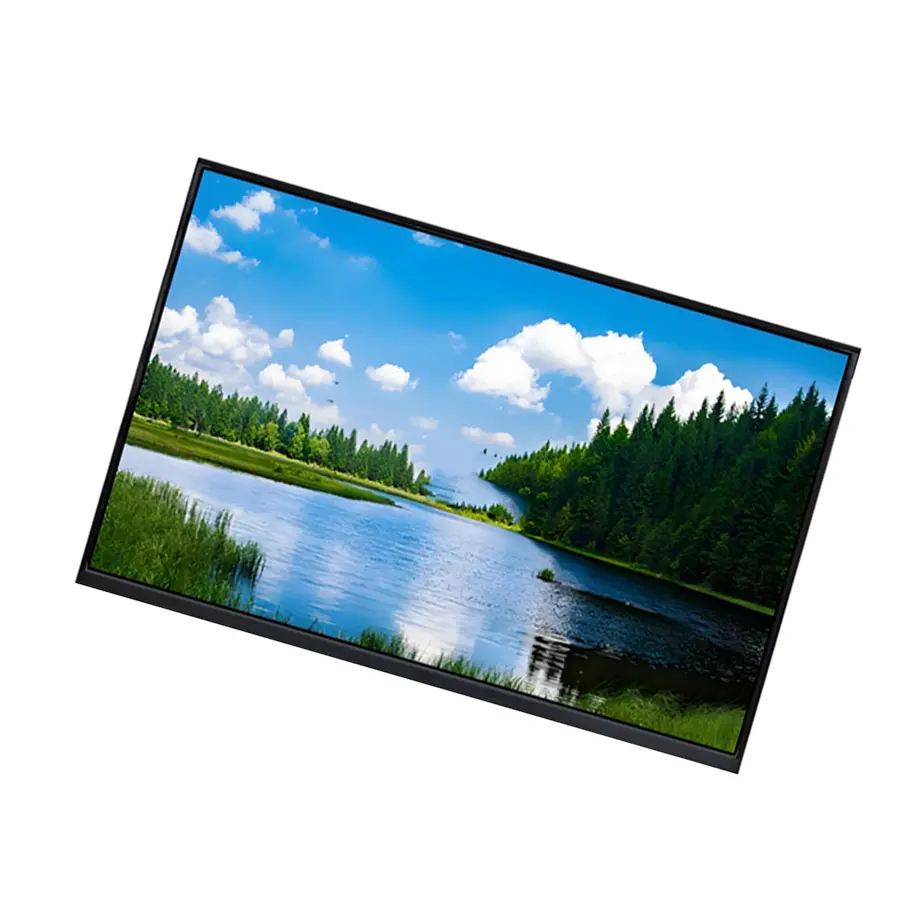
NE153QDM-NZ8 VRR eDP Notebook Refresh Module
Model P/N
Size
Resolution
Brightness
Viewing Angle
Connector Type
Operating Temp
Overall(mm)
boe
NE153QDM-NZ8
Brand
Panel Size (inch)
Model P/N
Resolution
Brightness (nits)
Viewing Angle
Contrast Ratio
Response Time
Overall (mm)
Active Area (mm)
Refresh Rate
Display Colors
Panel Type
Connector Type
Surface Treatment
Operating Temp
Touchscreen Type
Storage Temp
Work Mode
Pixel Format
Input Voltage (V)
Vibration Resistance
Weight (g)
Designed For
Product Details
NE153QDM-NZ8 VRR eDP Notebook Refresh Module is a 15.3-inch BOE Oxide TFT-LCD module aimed at high-refresh notebook and gaming designs. Its 2560×1600 WQXGA 16:10 format, 180 Hz refresh target, four-lane eDP 1.4b HBR2 interface and 100% sRGB wording define a performance-oriented panel class where the host GPU, cable, BIOS and display timing all matter.
The specification also references variable-refresh features, DSC, overdrive and HDR400. Those items should be validated on the target motherboard rather than treated as universal behavior. A panel can support the relevant mechanisms while a particular BIOS, GPU driver or cable configuration prevents the complete notebook from exposing them correctly.
Three buyer value propositions
180 Hz refresh on a 16:10 WQXGA canvas
The 2560×1600 pixel format gives more vertical workspace than a 16:9 panel while the 180 Hz target supports high-frame-rate gaming and smoother UI motion. The combination can be valuable in performance notebooks, provided the GPU and eDP path sustain the required link mode without instability.
Defined HBR2 eDP architecture
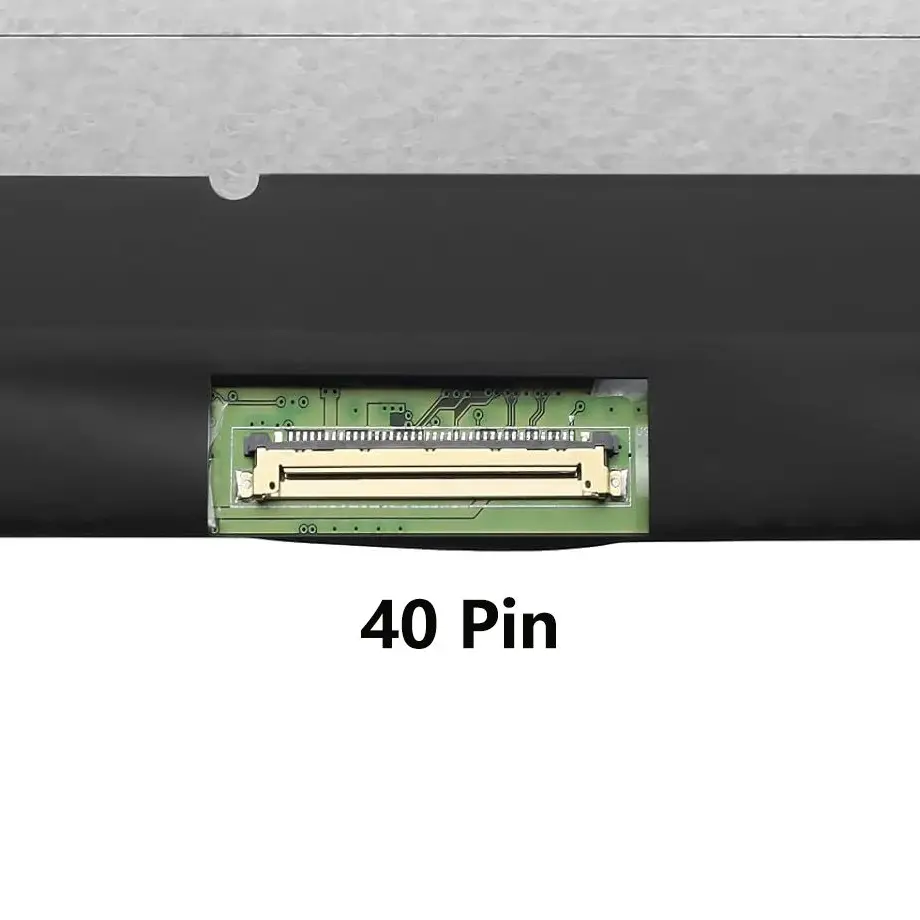
The exact model uses four eDP lanes, eDP 1.4b HBR2 signaling and a 40-pin 0.5 mm connector. That gives the electrical team a concrete cable and link target instead of relying on a generic “40-pin eDP” description.
sRGB-oriented antiglare optical specification
The module is listed at 400 cd/m² typical luminance with 1.07B colors, 100% sRGB wording and an antiglare 3H surface. These are useful component targets for notebook image quality; they do not prove a particular factory calibration error or finished-system HDR certification.
Key Specifications at a Glance
| Brand | BOE |
|---|---|
| Model P/N | NE153QDM-NZ8 |
| Size | 15.3 inch |
| Resolution | 2560(RGB)×1600, WQXGA, 16:10 |
| Active Area | 329.472×205.92 mm (H×V) |
| Overall | 334.47×214.92×4.6 mm |
| Brightness | 400 cd/m² (Typ.) |
| Viewing Angle | 89/89/89/89 (Typ.)(CR≥10) |
| Display Colors | 1.07B, 100% sRGB |
| Weight | 300 g |
| Refresh Rate | 180 Hz |
| Connector / Native Interface | eDP (4 Lanes), eDP1.4b, HBR2 5.4 Gbit/s/lane, 40 pins 0.5 mm connector |
| Input Voltage | 3.3 V (Typ.) |
| Operating Temperature | 0 ~ 50 °C |
| Storage Temperature | -20 ~ 60 °C |
| Vibration | 1.5G (14.7 m/s²) |
| Panel Type | Oxide TFT-LCD, LCM |
| Pixel Format | RGB Vertical Stripe |
| Surface Treatment | Antiglare, Hard coating (3H) |
| Contrast Ratio | 1200:1 (Typ.) |
| Response Time | 5 ms (Typ.)(G to G), 3 ms (Typ.)(G to G)(OD) |
| Work Mode | ADS, Normally Black, Transmissive |
| Backlight / Emission | 15,000 hours (12S6P WLED, integrated LED driver) |
| Designed For | Laptop and gaming notebook display integration |
| Touchscreen Type | Without touch screen |
What the host must do at 180 Hz
NE153QDM-NZ8 VRR eDP Notebook Refresh Module requires more than basic eDP connectivity. Validate the 2560×1600 timing at the high-refresh mode, HBR2 link training, AUX communication, lane mapping, production-cable insertion loss and any DSC behavior used by the platform. Testing should cover cold boot, sleep/wake, lid close/open, resolution changes and sustained gaming loads because intermittent link errors can appear outside a static desktop test.
If the notebook supports lower refresh modes as well, document the allowed mode set and transition behavior. BIOS and graphics-driver updates should be included in regression testing when display timing or variable-refresh behavior is business-critical.
Variable refresh is a system function, not a label-only decision
The supplied exact-model evidence includes FreeSync/G-Sync-related and VRR features. Engineering should confirm the actual supported refresh window on the target GPU and operating system, then test frame-rate transitions for flicker, blanking and visual artifacts. Do not promise compatibility with every GPU family simply because the panel listing contains both technology names.
NE153QDM-NZ8 VRR eDP Notebook Refresh Module also lists overdrive and a 3 ms G-to-G figure with OD, alongside a 5 ms typical G-to-G figure. Those values are useful for gaming-panel evaluation, but user-visible response still depends on drive mode and system configuration.
HDR400 wording and brightness boundaries
The panel is specified at 400 cd/m² typical luminance and carries HDR400 wording in the supplied evidence. A finished notebook's HDR experience still depends on graphics output, tone mapping, color management, backlight control and certification scope. Keep the panel evidence intact, but avoid converting it into a blanket claim that every system using the panel is HDR-certified.
Mechanical release for a slim bent-PCBA panel
The module measures 334.47×214.92×4.6 mm around a 329.472×205.92 mm active area and uses a slim bent-PCBA construction. The lid design should check PCB clearance, connector location, cable fold, hinge sweep, bezel pressure and any foam or adhesive zones. Similar 15.3-inch WQXGA panels can still differ enough in connector placement or thickness to prevent direct substitution.
Thermal and backlight considerations
The operating range is 0 to 50 °C and storage is -20 to 60 °C. Sustained gaming can heat the display lid and cable area even when room ambient is moderate, so panel temperature should be measured under a representative GPU workload. The WLED backlight is listed at 15,000 hours with an integrated LED driver; treat that as the exact-model component rating rather than a finished-notebook service-life promise.
Release documentation for future service replacements
Keep BOE NE153QDM-NZ8, the approved 40-pin cable, timing table, BIOS/display settings, mechanical drawing and validated VRR/high-refresh behavior in the product record. If a substitute is proposed later, compare those artifacts rather than accepting another 15.3-inch WQXGA panel based on resolution alone.
Quick engineering answers
BOE NE153QDM-NZ8 is a 15.3-inch 2560×1600 Oxide TFT-LCD with a 180 Hz refresh target.
The native link is four-lane eDP 1.4b HBR2 through a 40-pin connector.
NE153QDM-NZ8 VRR eDP Notebook Refresh Module is positioned for laptop and gaming use and includes variable-refresh-related feature references.
The approved configuration is without touch, so any touch function must be qualified separately.
Engineering review inputs
Provide the motherboard/GPU platform, BIOS context, eDP cable, lid drawing, target refresh modes, sample quantity and annual demand. With those inputs, NE153QDM-NZ8 VRR eDP Notebook Refresh Module can be qualified as a specific high-refresh notebook module rather than a generic gaming-screen replacement.
Recommended: Same Size
(15.3")
Applications & Value of LCD Panel

- Fast sourcing with in-stock panels & cross-reference alternatives
- Stable supply chain with long-term availability
- Engineering-level support from panel to integration
- Custom solutions: cable, touch & optical bonding
- Strict quality control with IQC / OQC / aging test
- Full traceability system for quality assurance
- Complete technical documentation & drawings
- Compliance support: RoHS & certification files
