
~
~
~
~
~
~
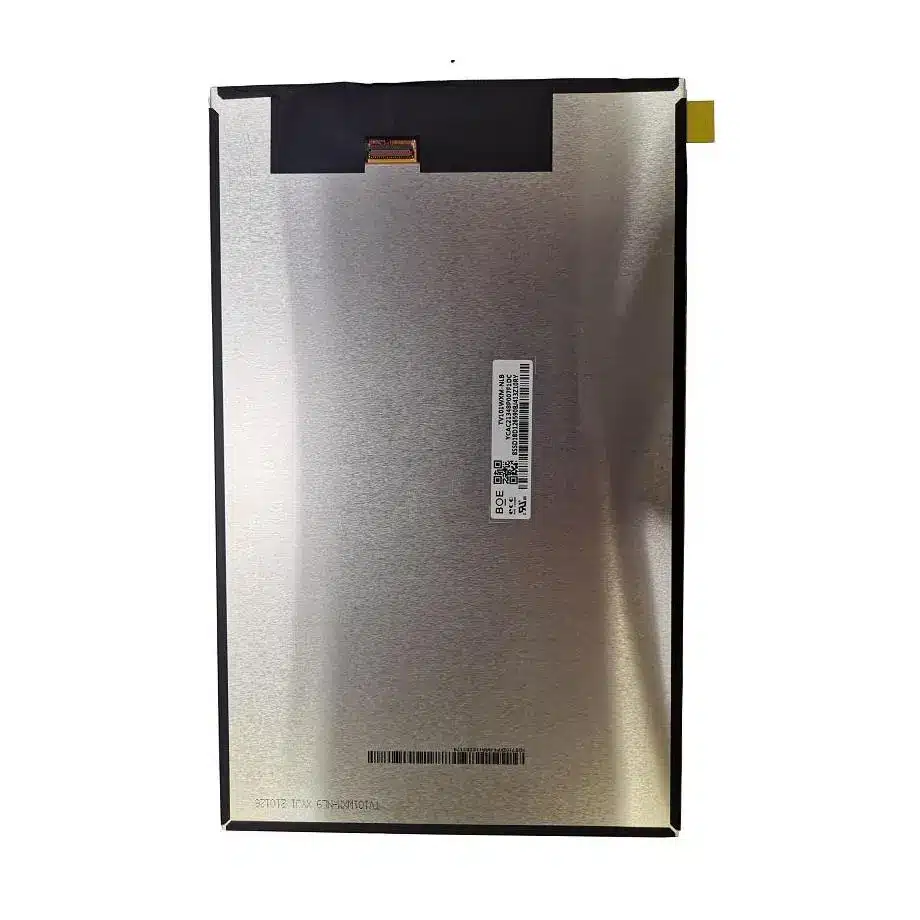
TV101WX1-M00-D000 400-Nit WXGA MIPI ADS Panel Portrait 10.1 Inch

Model P/N
Size
Resolution
Brightness
Viewing Angle
Connector Type
Operating Temp
Overall(mm)
boe
TV101WX1-M00-D000
Brand
Panel Size (inch)
Model P/N
Resolution
Brightness (nits)
Viewing Angle
Contrast Ratio
Response Time
Overall (mm)
Active Area (mm)
Refresh Rate
Display Colors
Panel Type
Connector Type
Surface Treatment
Operating Temp
Touchscreen Type
Storage Temp
Work Mode
Pixel Format
Input Voltage (V)
Designed For
Product Details
Product Overview
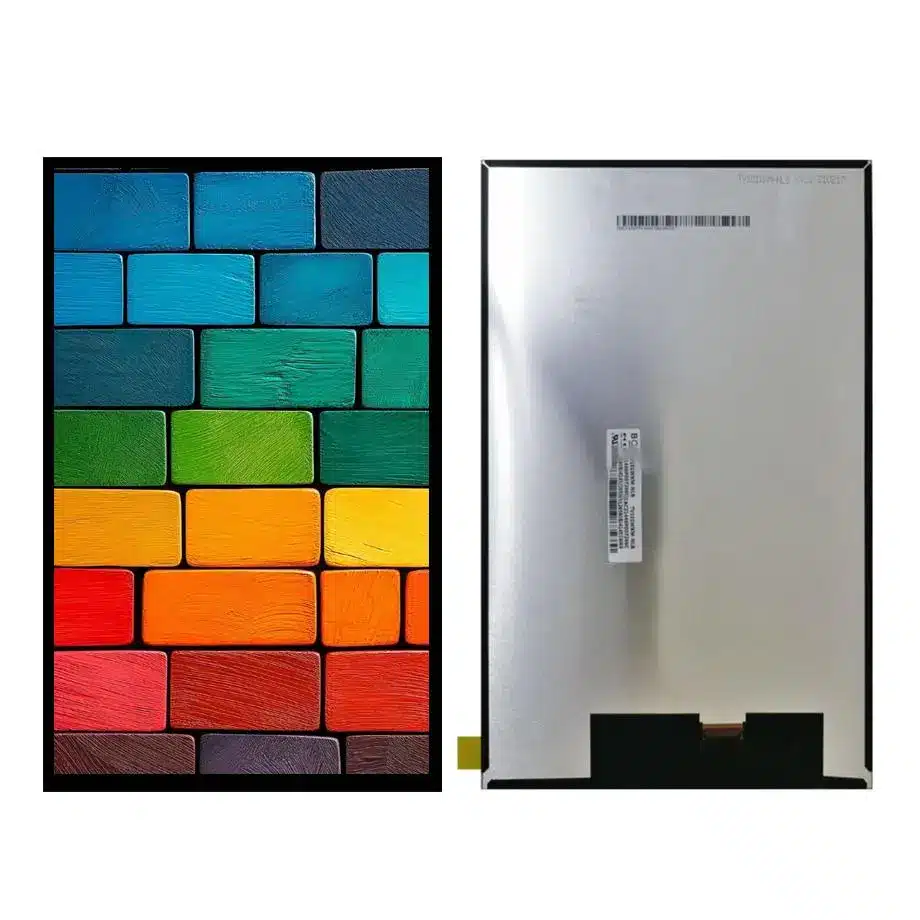
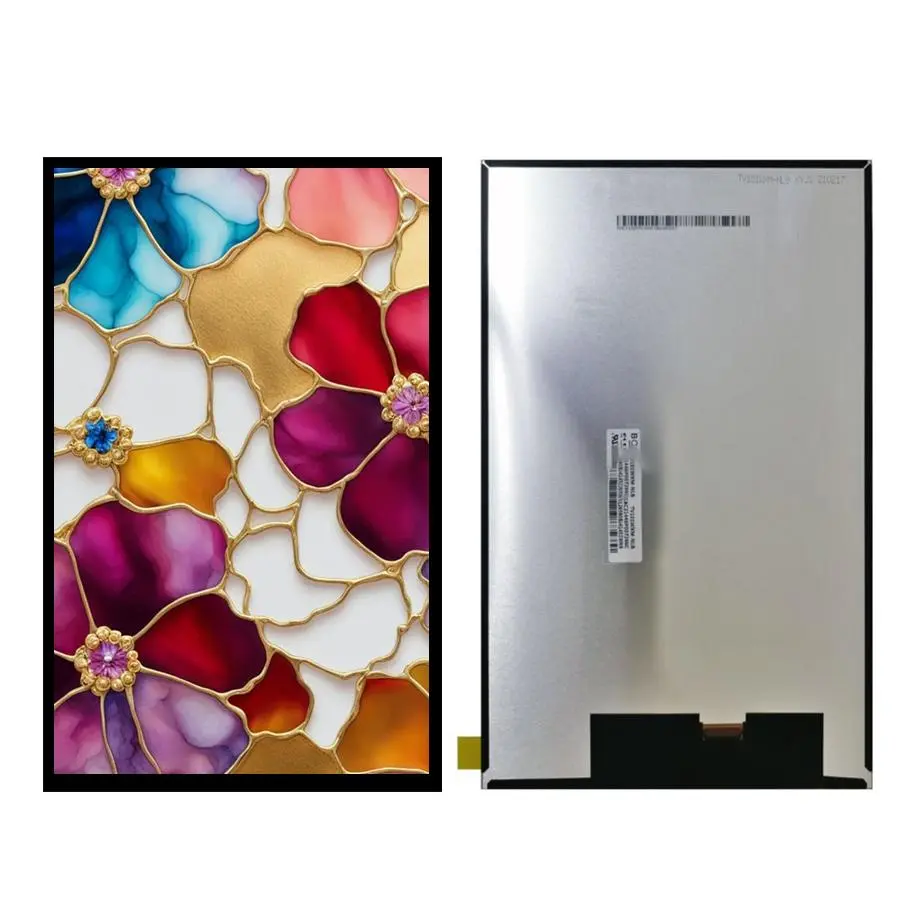
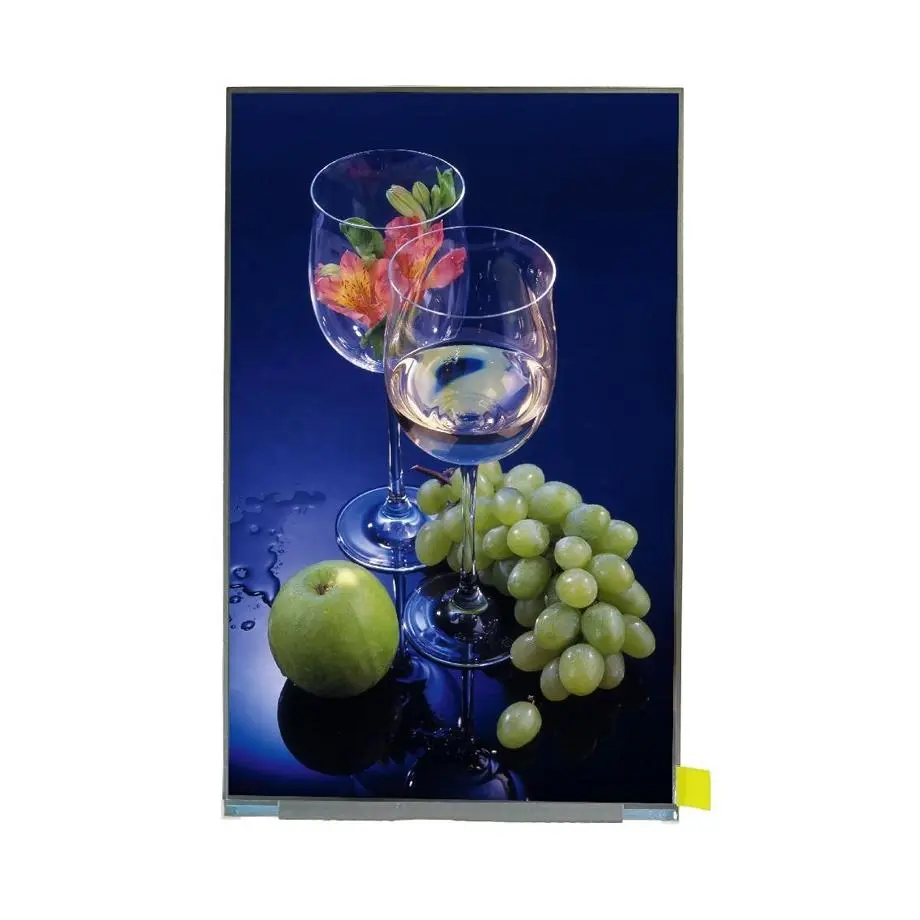
The TV101WX1-M00-D000 400-Nit WXGA MIPI ADS Panel is a 10.1-inch BOE a-Si TFT-LCD module for portrait-oriented tablet integration. It uses an 800(RGB)×1280 WXGA raster in a 10:16 format, with a 135.36 × 216.576 mm active area inside a 143 × 228.6 × 2.8 mm outline. The panel is specified for 400 cd/m² typical luminance, 1000:1 typical contrast, 16.7 million colors with 55% NTSC coverage and symmetric 80/80/80/80 typical viewing at CR≥10.
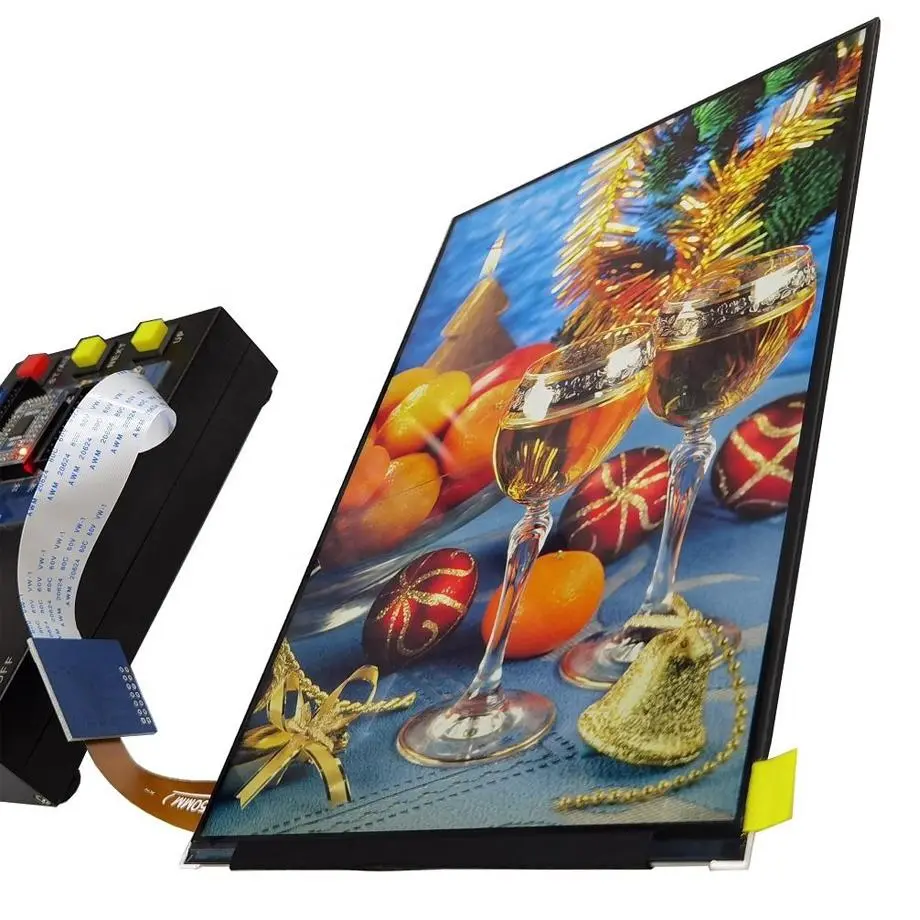
The native display path is four-lane MIPI through a 40-pin connector. Panel power is identified as 1.8 V IOVCC and 3.3 V VDD typical. A WLED backlight is integrated, with a 20,000-hour reference, but the backlight driver is not included. The standard module is also specified without touch. These boundaries matter because the host board, flex cable, power tree and LED driver must be qualified as a complete tablet display subsystem rather than treating the module as a generic 10.1-inch screen.
Three Core Buyer Value Propositions
Portrait WXGA geometry fits compact information-first tablet layouts
The 800×1280 native image gives a tall 10:16 canvas that can suit handheld terminals, education tablets, control interfaces and other portrait-first products. The known active area and 143 × 228.6 mm module envelope let mechanical teams separate the visible image window from the complete package early in design. That reduces enclosure ambiguity, but it does not prove drop-in fit because connector position, tolerances, support points and cable routing still require the current model drawing.
Four-lane MIPI keeps the host link aligned with mobile display architectures
MIPI DSI is designed as a high-speed serial link between a host processor and a display module, and MIPI lists tablets among its established application areas. For this BOE part, the useful engineering point is the confirmed four-data-lane MIPI interface, not an assumption of universal MIPI compatibility. The host still has to match the exact lane mapping, clocking, initialization commands, reset behavior and panel timing used by this model.
400-nit optics and external LED driving separate image performance from illumination electronics
The module provides a 400 cd/m² typical optical target while leaving LED-drive electronics to the system designer. That gives sourcing and engineering teams a clear panel-level brightness baseline and a separate backlight-power task. The 20,000-hour WLED figure is a reference under manufacturer test conditions, not a warranty or tablet service-life guarantee. Driver current, dimming method, thermal conditions and actual duty cycle still need project-specific qualification.
Key Specifications at a Glance
| Parameter | Specification |
|---|---|
| Manufacturer / model | BOE TV101WX1-M00-D000 |
| Size / type | 10.1 inch a-Si TFT-LCD, LCM |
| Resolution | 800(RGB)×1280 WXGA, 10:16 portrait |
| Active area / outline | 135.36 × 216.576 mm / 143 × 228.6 × 2.8 mm |
| Brightness / contrast | 400 cd/m² typical / 1000:1 typical |
| Viewing | 80/80/80/80 typical at CR≥10, symmetric |
| Display mode / color | ADS normally black transmissive / 16.7M colors, 55% NTSC |
| Surface | Antiglare |
| Native interface | MIPI, 4 data lanes, 40-pin connector |
| Panel rails | 1.8 V IOVCC / 3.3 V VDD typical |
| Backlight | WLED, 20,000-hour reference, without driver |
| Refresh rate | 60 Hz |
| Touch | Without touch screen |
| Temperature | Operating -10 to 50 °C; storage -20 to 60 °C |
How should the four-lane MIPI link be qualified?
The TV101WX1-M00-D000 400-Nit WXGA MIPI ADS Panel should be treated as an embedded display endpoint rather than a monitor with a universal external input. MIPI Alliance defines DSI as a high-speed serial interface between a host processor and a display module and notes broad use in tablet-class devices (MIPI DSI overview). That standards context explains the interface family, but it does not provide the TV101WX1-M00-D000 timing table, initialization commands or connector map.
Lane count and connector count do not prove compatibility
A 40-pin connector that physically mates is only a mechanical starting point. The application processor must support the correct four-lane display mode, lane order, clock behavior, reset and enable sequence, command set and native 800×1280 timing. The cable also has to preserve the exact contact arrangement and signal integrity required by the released design. Before committing to a board or flex, obtain the current BOE interface documentation and verify the production firmware against it.
Qualification should cover cold and warm starts, repeated panel enable/disable cycles, sleep/wake transitions and long-duration image operation. Use the production host rather than a temporary adapter board for final approval. Record the exact board revision, firmware build and cable so later procurement can distinguish a validated assembly from a visually similar but electrically different 10.1-inch module.
Why do the 1.8 V and 3.3 V rails matter?
The panel specification identifies separate IOVCC and VDD rails at 1.8 V and 3.3 V typical. These should not be collapsed into a generic “3.3 V display” description when the power tree is designed. The current product facts do not state current draw, tolerance, ramp timing or discharge sequence, so those details remain model-documentation items. A correct nominal voltage alone does not establish a safe startup or shutdown sequence.
Backlight power remains a separate design path
The WLED source is present, but the backlight driver is not. The LED driver may require a different input voltage and produces a boosted output appropriate to the LED string. Treat panel logic power and illumination power as coordinated but separate subsystems. During prototype testing, measure both the panel rails and the backlight-driver behavior through power transitions, brightness changes and thermal steady state.
What should mechanical teams verify on a portrait 10.1-inch module?
Mechanical qualification of the TV101WX1-M00-D000 400-Nit WXGA MIPI ADS Panel should start with the confirmed 135.36 × 216.576 mm active image and 143 × 228.6 × 2.8 mm module outline. That gives enclosure designers a compact portrait envelope, but the drawing is still needed for connector location, edge clearances, support regions and manufacturing tolerances. A housing originally designed around a landscape 10.1-inch panel can require substantial changes even when the diagonal is the same.
BOE’s current tablet-display portfolio spans medium-size mobile displays and emphasizes thin structures, narrow borders and touch-integration options across the category (BOE tablet display overview). Those portfolio capabilities are context only. This standard module is specifically documented without touch, so a touch sensor, cover lens or bonding stack must be treated as a separate project item unless the offered assembly is explicitly changed.
Optical expectations and front-stack decisions
The 400 cd/m² typical luminance, 1000:1 typical contrast and symmetric wide-view figures provide useful module-level optical targets for indoor and controlled-light tablet products. They do not prove sunlight readability, final cover-glass reflectance or calibrated color accuracy. The 55% NTSC color specification also should not be converted into a claim for a particular sRGB or DCI-P3 accuracy target without measurement.
If the product adds a protective lens or touch overlay, recheck luminance, reflections, color and viewing behavior on the assembled front stack. Air gaps, adhesive layers, coatings and cover material can change perceived contrast and ambient-light performance. Use the released mechanical and optical stack in sample approval rather than relying on the bare-module data alone.
Replacement and sourcing controls
For a replacement project, compare more than the 10.1-inch diagonal and 800×1280 raster. Match the 143 × 228.6 × 2.8 mm outline, four-lane MIPI implementation, 40-pin connector mapping, 1.8/3.3 V panel rails, non-touch configuration, backlight-driver boundary and temperature range. A nearby BOE tablet module can share MIPI and portrait geometry while using different initialization, pin mapping or power sequencing.
A current secondary sourcing reference lists this model as in production and notes a Q4 2025 mass-production start. That is useful sourcing context, not a guaranteed support horizon. Before volume purchasing, ask BOE or an authorized supply channel to confirm the offered revision, current lifecycle status, traceability and applicable PCN/EOL information. Marketplace stock counts are not HS-LCD inventory and should not be carried into the formal product record.
Engineering Answers in Brief
TV101WX1-M00-D000 is a 10.1-inch BOE portrait WXGA module with 800×1280 resolution, 400 cd/m² typical luminance and four-lane MIPI connectivity.
The panel requires separate 1.8 V IOVCC and 3.3 V VDD typical rails; the model should not be simplified into a single-rail display description.
The WLED backlight is integrated but its driver is not, so illumination power and dimming remain system-level responsibilities.
The standard module is non-touch; any touch sensor, cover lens or bonding structure must be separately specified and qualified.
Procurement Checklist
- Specify BOE TV101WX1-M00-D000 and confirm the exact offered revision.
- Request the current four-lane MIPI timing, initialization sequence and 40-pin assignment.
- Validate the 1.8 V IOVCC and 3.3 V VDD rails, including model-specific tolerances and sequencing.
- Design the external WLED driver from the current LED electrical requirements rather than from screen size alone.
- Check the 143 × 228.6 × 2.8 mm outline and 135.36 × 216.576 mm active area against the enclosure.
- Keep touch and protective front-stack requirements separate because the standard module is supplied without touch.
- Run native 800×1280 content at 60 Hz using the released host, firmware and flex cable.
- Reconfirm lifecycle, revision traceability and PCN/EOL expectations before volume commitment.
The TV101WX1-M00-D000 400-Nit WXGA MIPI ADS Panel gives tablet designers a defined BOE portrait display baseline with WXGA geometry, 400-nit optics and a four-lane MIPI path. Production readiness depends on matching the model-specific initialization, dual-rail power tree, external backlight driver, mechanics and sourcing controls to the exact module revision.
Recommended: Same Size
(10.1")
Applications & Value of LCD Panel

- Fast sourcing with in-stock panels & cross-reference alternatives
- Stable supply chain with long-term availability
- Engineering-level support from panel to integration
- Custom solutions: cable, touch & optical bonding
- Strict quality control with IQC / OQC / aging test
- Full traceability system for quality assurance
- Complete technical documentation & drawings
- Compliance support: RoHS & certification files
