Freya Yang
+86 18318948097
+852 62667476
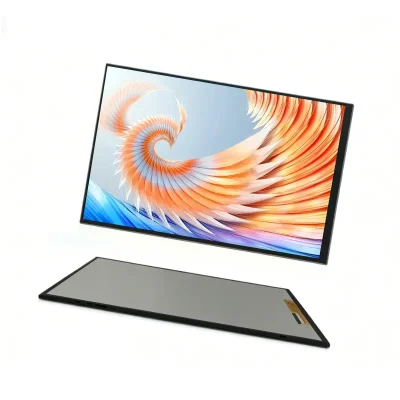
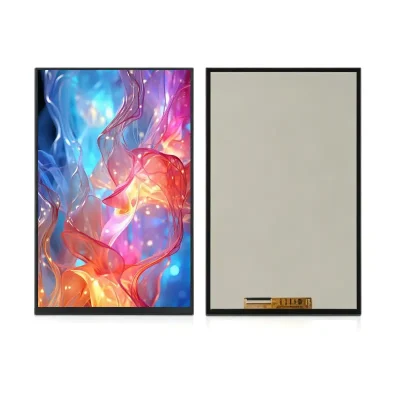
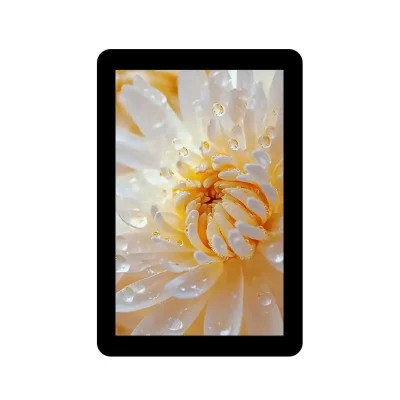
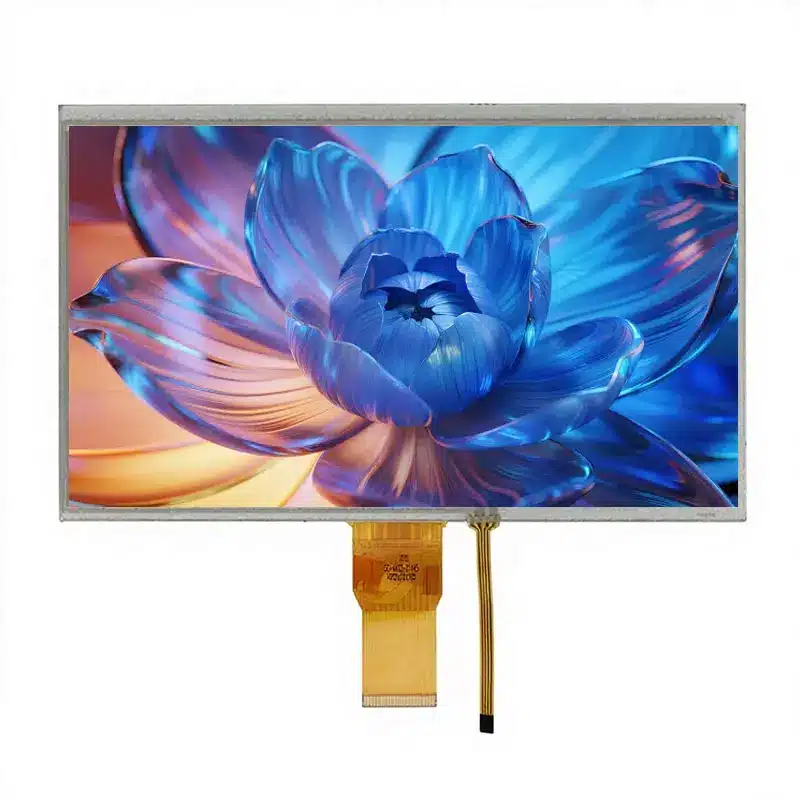
10.1 Inch Resistive Touch Display for Industrial RGB Systems
Model P/N
Size
Resolution
Brightness
Viewing Angle
Connector Type
Operating Temp
Overall(mm)
huisoar
HS101R42BE45-C02
Brand
Panel Size (inch)
Model P/N
Resolution
Brightness (nits)
Viewing Angle
Contrast Ratio
Response Time
Overall (mm)
Active Area (mm)
Refresh Rate
Display Colors
Panel Type
Connector Type
Operating Temp
Touchscreen Type
Storage Temp
Work Mode
Input Voltage (V)
Touch Interface
Control Type
Weight (g)
Designed For
1024x600 TFT LCD Module with 4-Wire RTP for Embedded Control Equipment
A factory operator wearing protective gloves often needs to interact with equipment quickly without relying on delicate capacitive gestures. In these environments, a 10.1 inch resistive touch display provides a more dependable input method for industrial terminals, machine interfaces, embedded controllers, and rugged operating systems. This module combines a 1024 × 600 transmissive TFT LCD structure with a 4-wire resistive touch panel, making it suitable for applications where stable touch response, RGB integration flexibility, and reliable operation under industrial conditions matter more than consumer-style touch aesthetics.
Why a 10.1 Inch Resistive Touch Display Still Matters in Industrial Equipment
Many industrial devices continue using resistive touch because operators may wear gloves, use stylus input, or interact with equipment in dusty and electrically noisy environments. Unlike purely consumer-oriented interfaces, resistive technology supports direct pressure-based interaction and remains practical for factory automation systems, handheld terminals, instrument controllers, and maintenance equipment.
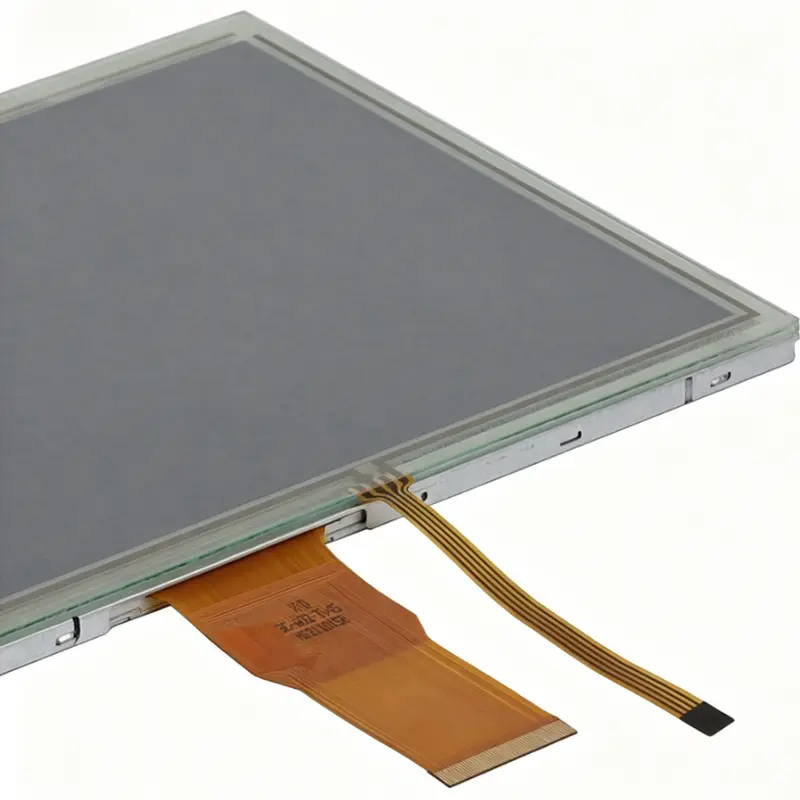
This 10.1 inch resistive touch display uses an F+G touch structure with a transmissive TFT LCD architecture. The combination supports straightforward integration into embedded systems that prioritize operational stability and practical service life over decorative interface styling.
The 1024 × 600 resolution provides a balanced layout for industrial menus, status indicators, control buttons, and monitoring interfaces without creating unnecessary GPU processing demands for embedded controller boards.
Engineering Benefits of the 10.1 Inch Resistive Touch Display
RGB Interface Integration for Embedded Platforms
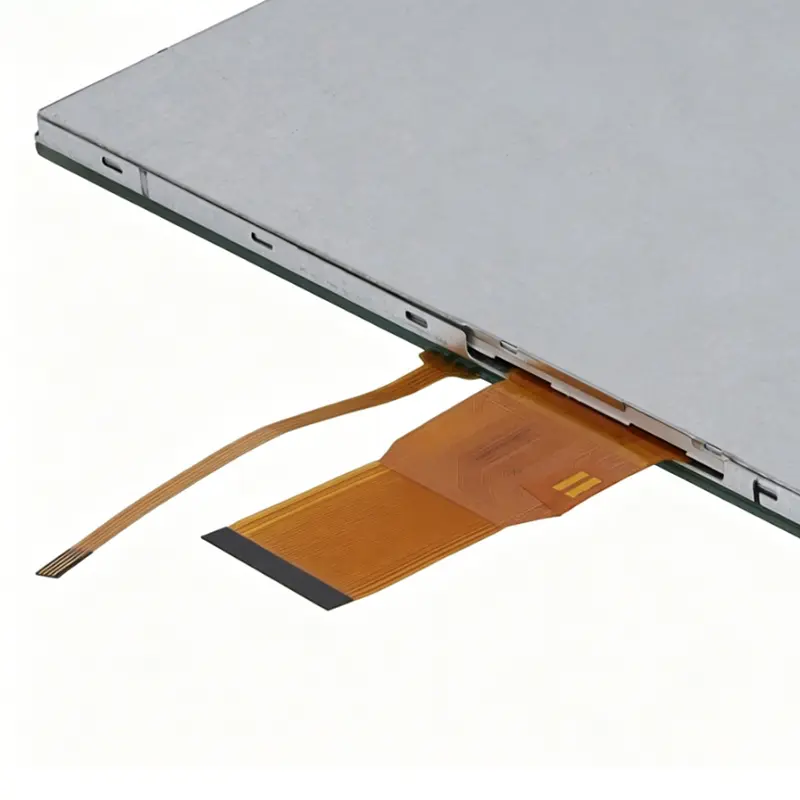
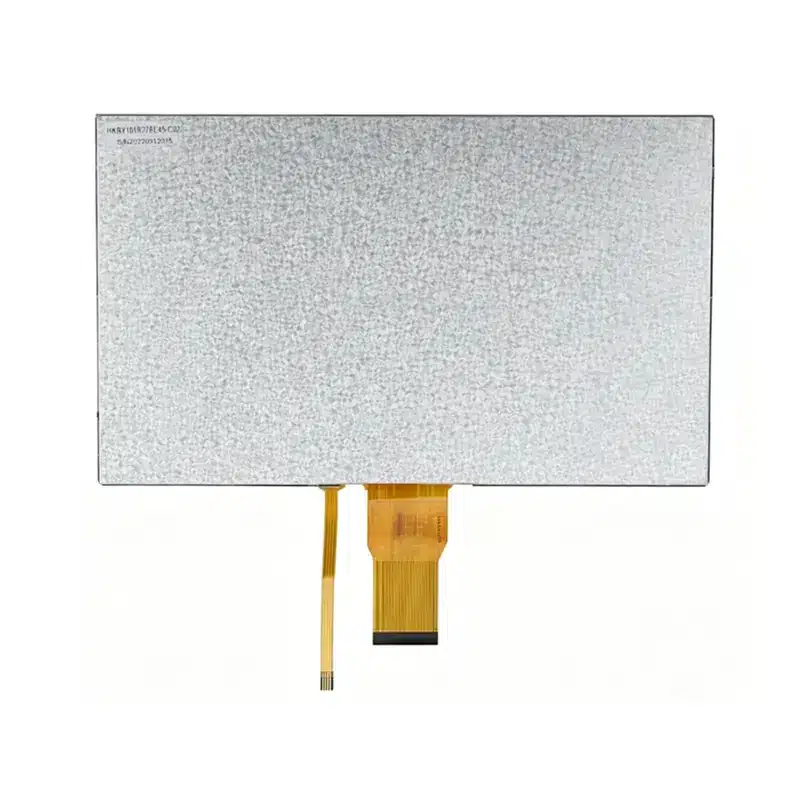
One of the main engineering advantages of this module is the RGB 50-pin interface structure. RGB interfaces remain widely used in industrial embedded platforms because they simplify compatibility with many controller boards and custom hardware systems.
For product developers working with ARM platforms, industrial SBCs, PLC interfaces, or custom embedded controllers, RGB architecture can reduce integration complexity compared with higher-speed mobile-focused interfaces. This helps shorten hardware adaptation cycles for industrial equipment manufacturers.
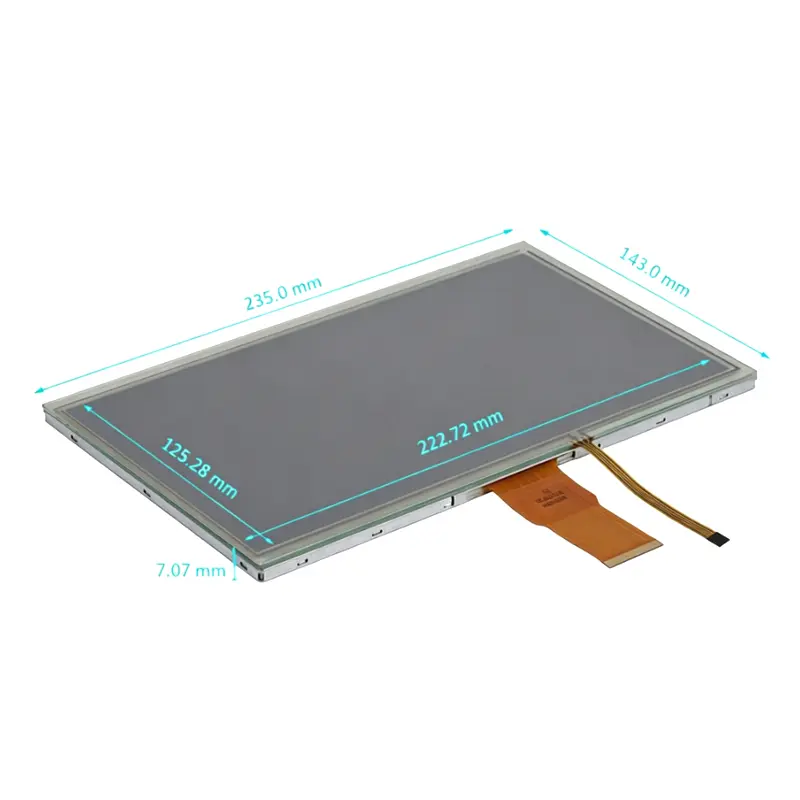
The module also maintains a compact mechanical structure with an overall outline dimension of 235.0 × 143.0 × 4.97 mm. This profile supports integration into slim industrial control panels, compact wall-mounted systems, and space-limited operator terminals.
Practical Touch Operation in Harsh Environments
Capacitive touch is common in commercial electronics, but many industrial buyers still select resistive solutions because of environmental reliability and operational consistency. A 4-wire resistive touch panel allows operation through gloves, stylus tools, or direct pressure input.
For industrial maintenance terminals, medical control systems, agricultural equipment, and machine interfaces, this interaction method remains highly practical. It can also reduce accidental touch activation in environments where operators frequently move around vibrating equipment or wear protective gear.
The touch surface includes ≥80% transparency and ≥3H surface hardness, helping support usability and durability during long-term equipment operation.
Optical and Mechanical Characteristics for Industrial Deployment
Brightness and Viewing Structure
This 10.1 inch resistive touch display provides 450 cd/m² typical brightness, which is appropriate for indoor industrial systems, embedded cabinets, medical instruments, and semi-controlled lighting environments.
The TN transmissive normally white display structure supports efficient operation for equipment interfaces where cost balance and stable image output are important. The specified viewing direction is 6 O’clock, which is often selected for equipment mounted slightly below operator eye level.
The module also supports a 600:1 typical contrast ratio and 16.7 million display colors for readable industrial graphics, monitoring layouts, and interface icons.
Thermal Suitability for Professional Equipment
Industrial environments often require displays to tolerate broader operating conditions than ordinary consumer electronics. This module supports an operating temperature range from -20°C to +70°C and storage capability from -30°C to +80°C.
That thermal range makes the display suitable for factory equipment, logistics terminals, warehouse systems, industrial monitoring devices, and embedded control equipment operating across changing environmental conditions.
Where Buyers Commonly Use This Display
Industrial Control and HMI Equipment
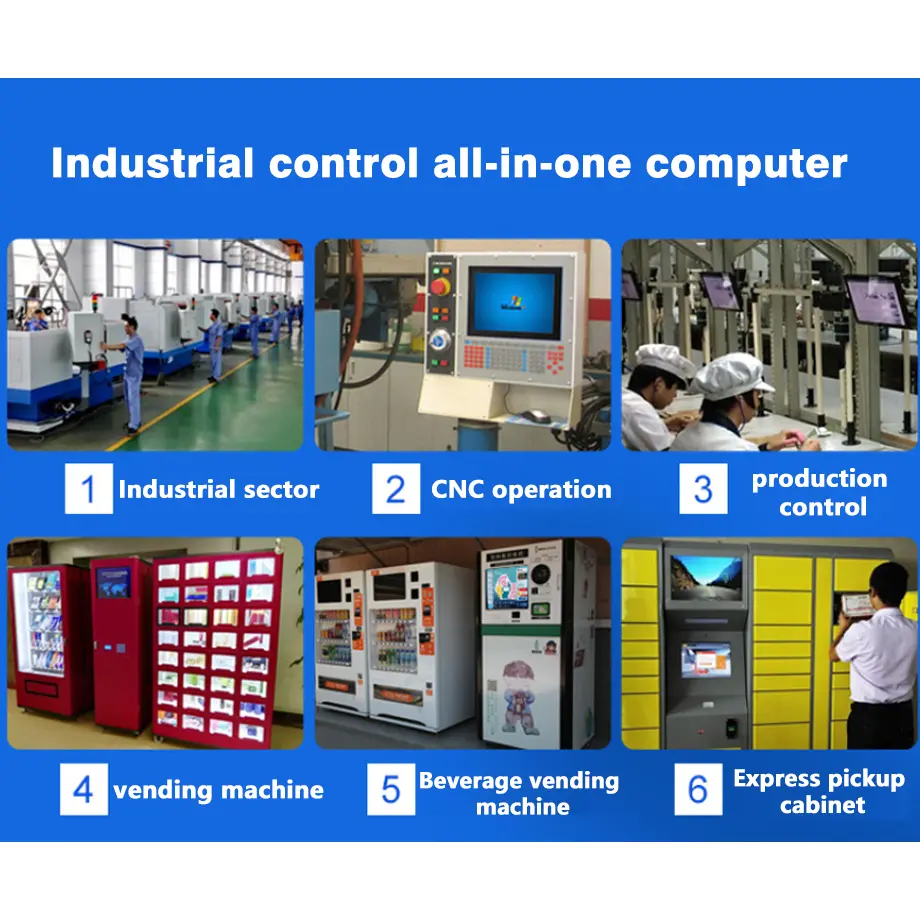
This module fits industrial HMI panels, embedded operating consoles, machine controllers, automation systems, and process management terminals. The resistive touch structure is especially useful where operators need reliable input while wearing gloves or working in environments where moisture or contamination may affect capacitive sensors.
Medical and Instrument Interface Devices
The display can also support portable medical devices, laboratory instruments, and diagnostic control terminals where stable touch operation and moderate brightness performance are required. Its compact 10.1-inch format helps maintain manageable enclosure dimensions for portable or desktop systems.
Long Lifecycle Embedded Projects
For OEM and ODM manufacturers managing long lifecycle industrial products, RGB-interface TFT modules remain attractive because they align with many mature embedded architectures already used in industrial systems. This can help reduce redesign risk while maintaining predictable supply-chain integration.
FAQ
Can you provide samples for testing before placing a bulk order, and what are the terms?
What are the packaging options for shipping and handling of fragile LCD panels?
What are the packaging options for shipping displays to prevent damage during transit?
Can you provide displays with In-Cell touch technology for slim-profile automotive infotainment systems?
Can you integrate capacitive or resistive touch screens with optically bonded covers for enhanced durability?
What are the key differences between standard TFT displays and stretched bar LCDs for automotive dashboard applications?
What are the optical bonding options available for displays used in high-humidity or harsh environment applications?
Do you provide displays with extended lifespan (e.g., 50,000+ hours) for 24/7 industrial automation applications?
What are the key advantages and limitations of Micro-LED technology compared to Mini LED and OLED for large-format commercial displays?
Do you offer sunlight-readable displays with anti-glare treatment and high brightness?
Freya Yang
+86 18318948097