Freya Yang
+86 18318948097
+852 62667476
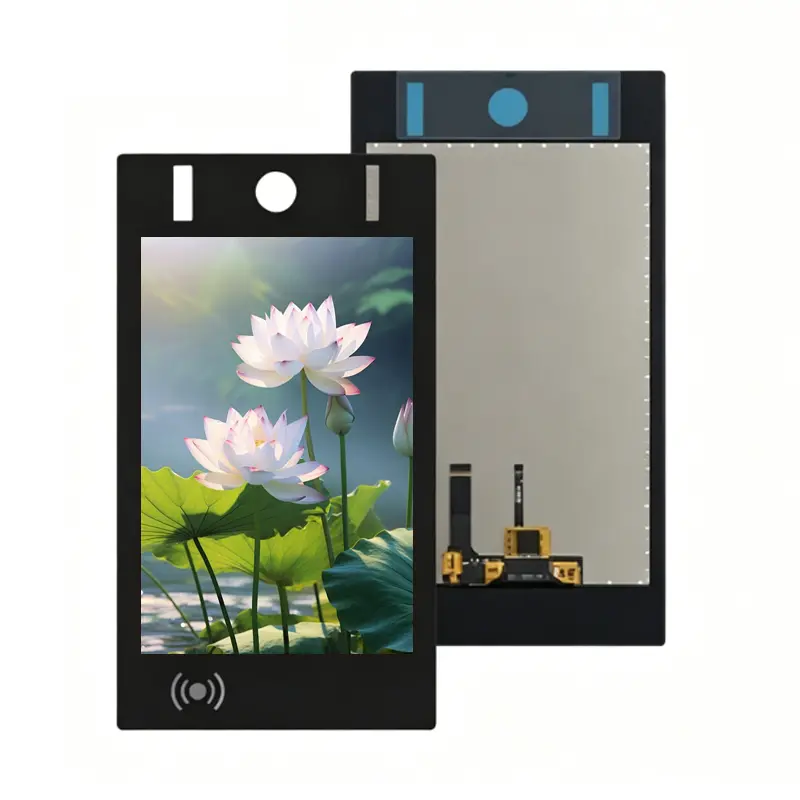
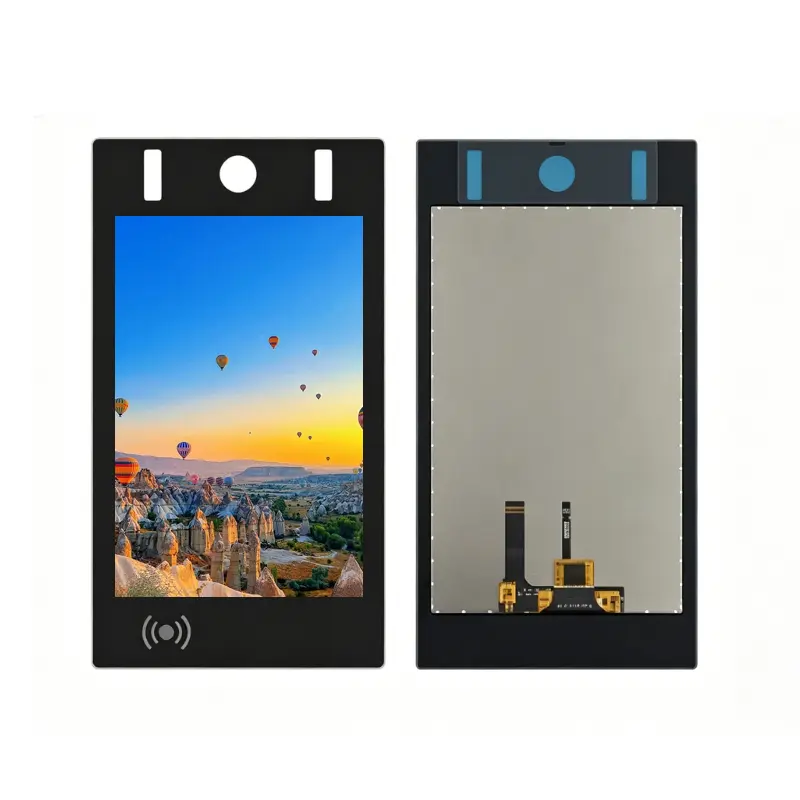
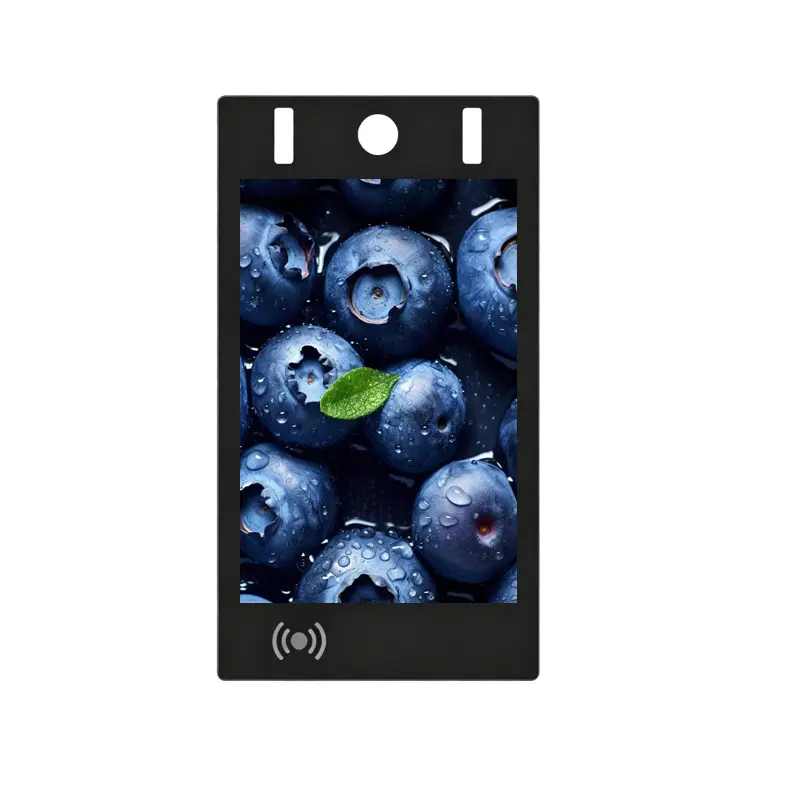
7 Inch MIPI Touch LCD Display 550 nits MIPI for Access Control
Model P/N
Size
Resolution
Brightness
Viewing Angle
Connector Type
Operating Temp
Overall(mm)
huisoar
HS700071S0-CTP
Brand
Panel Size (inch)
Model P/N
Resolution
Brightness (nits)
Viewing Angle
Contrast Ratio
Response Time
Overall (mm)
Active Area (mm)
Refresh Rate
Display Colors
Panel Type
Connector Type
Operating Temp
Touchscreen Type
Storage Temp
Work Mode
Pixel Format
Designed For
800×1280 Portrait Capacitive Touch TFT Module for Security, Medical, and Embedded Devices
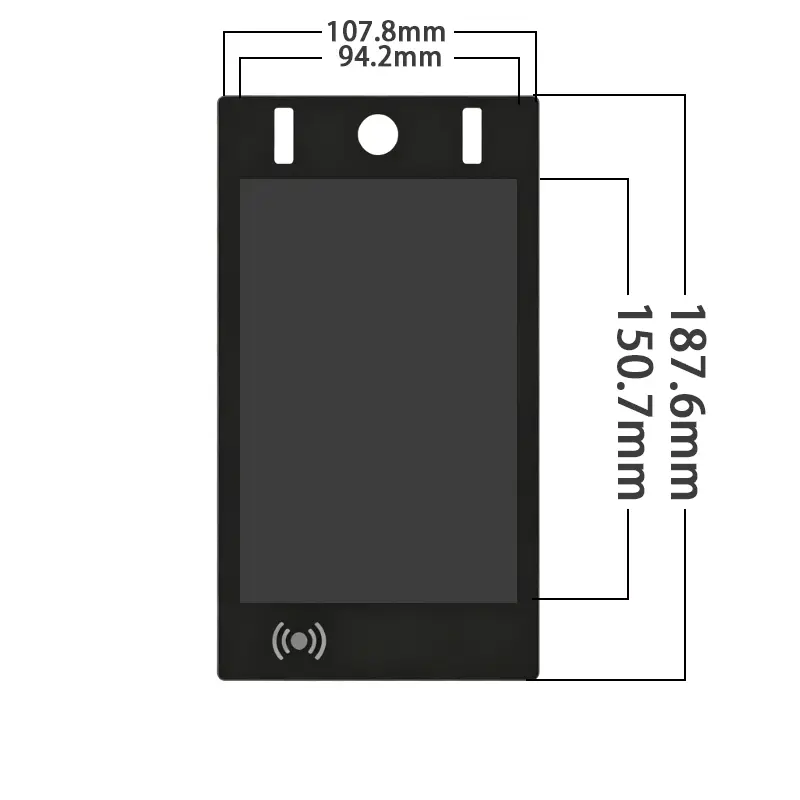
A 7 Inch MIPI Touch LCD Display is a portrait-format 800×1280 TFT-LCD module for access control terminals, medical handheld devices, smart tablets, and compact industrial interfaces that need 550 cd/m² brightness, IPS viewing, and capacitive touch operation. It combines a slim 107.8 × 187.67 × 4.45 mm structure, 94.2 × 150.72 mm active area, 25-pin MIPI interface, WLED backlight, and -20 to 70 °C operating range, giving OEM teams a practical display platform for interactive embedded products.
At a Glance: 7 Inch Portrait Touch LCD Highlights
- 7-inch portrait TFT-LCD module with 800 × 1280 resolution for vertical interface layouts.
- 550 cd/m² typical brightness supports indoor and semi-bright access-control or industrial environments.
- Projected capacitive touch supports direct user input for menu selection, verification, and control operation.
- MIPI interface with 25 pins supports compact embedded platform integration.
- IPS hard-screen structure provides 80/80/80/80 viewing angles for multi-angle readability.
- 107.8 × 187.67 × 4.45 mm overall size supports slim enclosure and front-panel planning.
- -20 to 70 °C operating range and -30 to 80 °C storage range support industrial and portable-device deployment.
Product Overview of the 7 Inch MIPI Touch LCD Display
The 7 Inch MIPI Touch LCD Display is built for compact products that require a vertical screen, direct touch interaction, and embedded MIPI integration. Its 800 × 1280 portrait resolution is well suited for access-control terminals, security gate interfaces, industrial tablets, handheld medical devices, and smart equipment where the UI needs vertical menus, verification prompts, data lists, icons, and touch navigation.
Unlike a non-touch LCD module, this display includes projected capacitive touch, allowing product designers to reduce mechanical buttons and create cleaner front-panel designs. The portrait active area of 94.2 × 150.72 mm gives enough usable screen space for information-dense layouts while keeping the mechanical footprint compact. This makes the module useful for wall-mounted access devices, handheld terminals, and equipment panels that cannot accommodate a wide horizontal display.
The 550 cd/m² brightness level positions this module as a balanced-brightness touch display rather than an ultra-high-brightness outdoor screen. It is suitable for indoor environments, entry areas, controlled industrial spaces, and portable equipment used under moderate ambient light. For direct sunlight or window-facing installations, brightness, anti-glare cover glass, optical bonding, enclosure protection, and thermal dissipation should be evaluated at the system level.
Key Features of the 7 Inch MIPI Touch LCD Display
| Key Feature | B2B Value |
|---|---|
| 7-inch portrait touch format | Supports vertical UI flows for access control, medical handhelds, smart tablets, and industrial terminals. |
| 800 × 1280 resolution | Provides enough pixel detail for menus, icons, verification prompts, status pages, and graphical interfaces. |
| 550 cd/m² brightness | Offers stronger readability than many standard indoor modules while remaining practical for compact embedded equipment. |
| Projected capacitive touch | Enables smooth touch operation for keypad-style UI, menu control, user verification, and device configuration. |
| MIPI interface with 25 pins | Supports compact embedded platform design and board-level integration. |
| IPS hard-screen viewing | Helps maintain image visibility when the display is viewed from different user positions. |
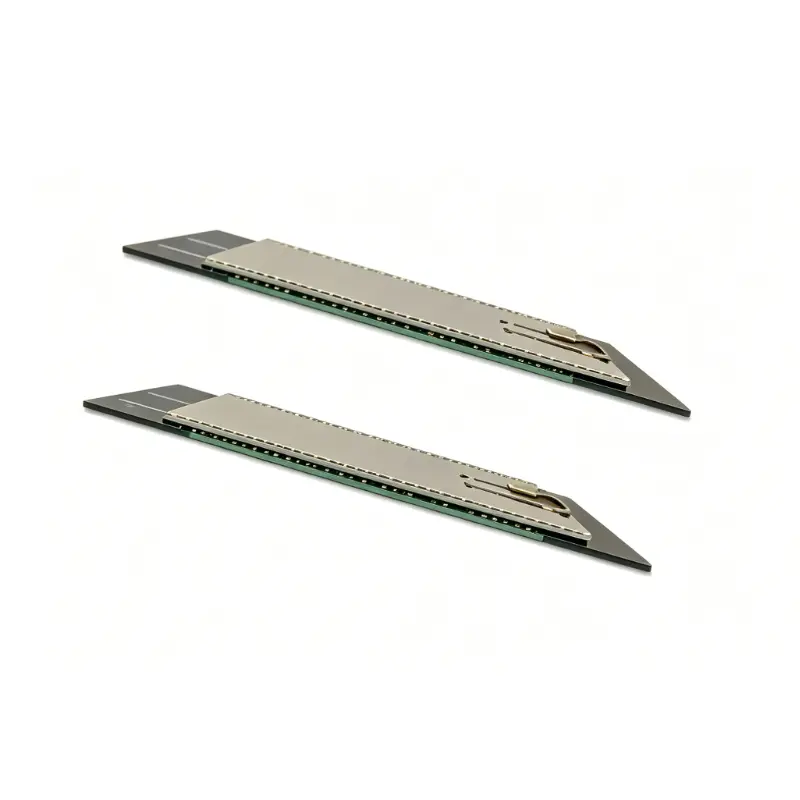
| 4.45 mm slim structure | Helps engineers design thinner front panels, handheld products, and wall-mounted terminals. |
| Wide operating range | -20 to 70 °C operation supports industrial, portable, and terminal equipment applications. |
Technical Specifications of the 7 Inch Portrait Touch LCD Module
| Specification | Value |
|---|---|
| Product Type | 7 inch MIPI capacitive touch LCD module |
| Display Size | 7 inch |
| Aspect Ratio / Format | 10:16 portrait |
| Resolution | 800 × 1280 |
| Brightness | 550 cd/m² typical |
| Interface | MIPI, 25 pins |
| Active Area | 94.2 × 150.72 mm |
| Overall Size | 107.8 × 187.67 × 4.45 mm |
| Viewing Angle | 80/80/80/80 |
| Operating Temperature | -20 to 70 °C |
These parameters show that the module is best evaluated as an embedded portrait touch display for custom equipment rather than a finished monitor. Engineers should confirm the MIPI timing, 25-pin pin definition, touch signal routing, backlight control, cable path, cover glass stack, and enclosure opening before final approval. For outdoor-facing or high-abuse installations, the finished device housing must be reviewed separately.
Why Choose This 7 Inch Capacitive Touch LCD Module?
This 7 inch capacitive touch LCD module is useful when a product needs modern touch interaction, a vertical UI, and a compact display structure in one integrated component. It helps OEM teams design products that feel more like smart terminals than traditional button-based equipment.
800×1280 Portrait Resolution for Access-Control UI
The 800 × 1280 portrait resolution fits access-control interfaces better than many landscape panels because it supports vertical identity prompts, numeric keypads, QR codes, facial-verification guidance, user messages, and status areas. For security terminals and door-entry panels, that screen format can make the front UI more intuitive without increasing device width.
Portrait resolution is also useful in medical handhelds and inspection tools. Data lists, test results, device settings, and workflow steps often read naturally from top to bottom. With a 94.2 × 150.72 mm active area, the display gives designers enough visual space for touch targets while preserving a compact industrial form factor.
550 cd/m² Brightness with Capacitive Touch for Smart Devices
The 550 cd/m² brightness level gives this module a practical balance between readability and system design. It provides stronger visibility than many basic indoor LCDs, making it suitable for access terminals near entrances, industrial panels in controlled environments, and portable equipment used in changing indoor light. It should not be described as a full direct-sunlight solution unless the complete optical stack and enclosure are evaluated.
The projected capacitive touch structure allows direct interaction and supports cleaner industrial design. In many embedded devices, this can reduce the need for large mechanical keypads and enable software-defined controls. Final touch performance still depends on cover glass, bonding, controller layout, grounding, firmware, and the intended user environment.
Display Performance of the Portrait LCD Touch Module for Smart Terminals
The portrait LCD touch module supports readable, interactive embedded interfaces by combining 550 cd/m² brightness, IPS viewing, 800:1 contrast, and 16.7M colors.
550 cd/m² Readability for Entry, Industrial, and Portable Devices
The 550 cd/m² brightness specification is valuable for indoor and semi-bright equipment where standard dim displays may not provide enough clarity. Access-control terminals, security gates, handheld instruments, and industrial tablets are often installed in locations with mixed ambient light. This brightness level gives buyers a reasonable baseline for visible touch interaction under controlled lighting.
For window-facing or outdoor installations, brightness alone is not enough. Cover lens reflectivity, anti-glare surface treatment, optical bonding, enclosure shading, temperature rise, and backlight driving all influence real readability. Sample testing in the intended environment is recommended before bulk production.
IPS Viewing Angle for Shared and Fixed-Mount Operation
The IPS hard-screen structure provides 80/80/80/80 viewing angles. This helps maintain readability when users approach the display from different angles, which is common for access-control terminals and wall-mounted panels. In handheld medical or industrial tools, the operator may tilt the device during use, making viewing stability important for daily operation.
Wide viewing is also relevant for installation flexibility. A panel installed at standing height, below eye level, or inside a recessed housing may not always be viewed straight on. Confirming the final cover glass and mounting angle helps ensure the display remains readable after assembly.
800:1 Contrast and 16.7M Colors for Touch UI Clarity
The 800:1 typical contrast ratio and 16.7M color support allow the screen to present icons, warnings, verification prompts, and graphical menu elements clearly. This matters in interactive products where users need to make quick decisions from visual cues, such as access granted, access denied, system standby, battery status, medical reading, or device alert.
Color and contrast should be treated as part of usability rather than a standalone marketing claim. UI design, font size, color contrast, brightness setting, and cover material all affect final user experience.
Integration and Mounting Options for MIPI Touch LCD Systems
This display is most suitable for embedded platforms that can support a MIPI display interface and capacitive touch integration in a compact mechanical stack.
25-Pin MIPI Interface and Control-Board Matching
The MIPI interface with 25 pins must be matched with the host platform, timing parameters, connector definition, cable design, and backlight control method. MIPI integration can be compact and efficient, but it requires accurate signal routing and controller compatibility. Engineers should not assume compatibility based only on size and resolution.
Before mass production, the display should be tested with the intended control board. Validation should include image orientation, color order, boot sequence, backlight control, touch response, EMI behavior, and cable reliability. A 25-pin signal configuration can be compact, but mechanical strain relief and connector access still need attention.
Capacitive Touch Stack, Cover Glass, and Enclosure Planning
Projected capacitive touch performance depends on the full front-panel stack. Cover glass thickness, bonding method, air gap, grounding, nearby metal housing, firmware tuning, and environmental noise can all influence touch sensitivity. For security gates or medical devices, engineers should also consider cleaning, surface durability, glove use, and false-touch risk during the project review.
The 107.8 × 187.67 × 4.45 mm outline supports slim product design, but the final enclosure must reserve space for the FPC, connector, adhesive, gasket, cover lens, and mounting support. The display should be evaluated with the final mechanical drawing rather than only the nominal screen size.
Power, Thermal, and System-Level Review
Input voltage and power consumption were not confirmed in the readable source, so the electrical design should be verified through the datasheet or sample documentation. Brightness, backlight control, touch controller behavior, housing ventilation, and duty cycle all affect thermal performance.
For access-control and industrial terminals that operate for long periods, thermal testing inside the real enclosure is important. A display that performs well as a standalone module may behave differently once it is assembled behind cover glass or inside a sealed housing.
Recommended Applications for Access Control and Embedded Touch Interfaces
This module is well suited for applications that need a vertical screen, direct touch input, and compact MIPI integration.
Access Control Terminals with Verification and Keypad Interaction
Access-control terminals need a portrait display that can show identity prompts, keypad input, QR code instructions, face-recognition guidance, and device status. The 7 Inch MIPI Touch LCD Display fits this scenario because it combines vertical resolution, capacitive touch, 550 cd/m² brightness, and a slim structure for front-panel equipment.
Security Gate and Smart Building Panels Requiring Touch Control
Security gate panels and smart building terminals often need a clear touch interface for user guidance, pass status, device setup, and service information. The portrait format supports vertically stacked information, while the capacitive touch layer enables modern interaction. For public-facing installations, cover glass, surface treatment, and enclosure protection should be reviewed during customization.
Medical Handheld and Portable Equipment Interfaces
Medical handheld and portable equipment require readable screens, stable touch response, and compact mechanical integration. This module’s operating temperature range and portrait UI format make it useful for devices that display menus, readings, patient-related prompts, or workflow steps. Regulatory and certification requirements should be confirmed separately based on the target market and final device category.
Industrial Control Panels and Smart Tablet Devices
Industrial control panels and smart tablet devices can use this display for settings, status monitoring, inspection workflows, and operator input. The MIPI interface supports embedded platform design, while the IPS viewing and capacitive touch improve daily usability. Final suitability should be validated with the actual software interface, controller board, and enclosure structure.
Customization Options for 7 Inch Touch LCD Display Projects
Customization should be handled as a project evaluation process so the display can match the final product environment. Depending on the application, review options may include cover glass, anti-glare treatment, optical bonding, capacitive touch tuning, custom FPC or cable, control-board matching, housing design, logo/front-panel structure, mounting support, and IP-rated enclosure evaluation for finished devices.
For access-control terminals, the front cover, touch sensitivity, and cleaning durability may be important. For medical or portable devices, enclosure size, cable route, operating temperature, and display readability under varied lighting should be reviewed. For public-facing security gates, anti-glare surface, impact protection, and system-level sealing may require additional design work beyond the LCD module itself.
Procurement and Engineering Checklist for 7 Inch Touch LCD Module Selection
Procurement and engineering teams should evaluate the module through both display-performance and system-integration criteria before approving samples or bulk supply.
- Confirm whether the 800 × 1280 portrait format fits the UI workflow, touch target size, and viewing distance.
- Check whether 550 cd/m² brightness is suitable for the actual installation environment.
- Verify MIPI host compatibility, 25-pin pinout, signal routing, timing, and cable design.
- Review the active area, outline size, 4.45 mm thickness, FPC route, and enclosure opening.
- Confirm projected capacitive touch requirements, including cover glass, grounding, and software tuning.
- Validate operating temperature needs against the -20 to 70 °C specification.
- Test the sample with the intended controller board and final UI before mass production.
- Review cover glass, bonding, sealing, and enclosure protection if the product is public-facing or exposed to harsh conditions.
Brightness / Interface / Mounting Selection Guide for 7 Inch Touch LCD Projects
For indoor terminals and controlled industrial environments, 550 cd/m² may provide a good balance of readability, power, and thermal design. For entrance areas, window-facing devices, or outdoor-facing terminals, sample testing should confirm actual visibility. If glare is a concern, anti-glare cover glass and optical bonding can be evaluated.
For interface selection, choose this module when the embedded platform supports MIPI and the mechanical design can accommodate the 25-pin cable path. For mounting, review the active area, cover lens, bonding method, gasket, FPC bend radius, and connector clearance before tooling.
FAQ
About 7 Inch MIPI Touch LCD Display
What is the main use of a 7 Inch MIPI Touch LCD Display?
Is 550 cd/m² brightness enough for access-control terminals?
What does the 800 × 1280 resolution support?
What should engineers check for MIPI integration?
Does the module include touch?
Can this display be used for medical equipment?
Is this display suitable for outdoor use?
What applications fit this portrait touch LCD best?
What mechanical details should be confirmed?
What information should buyers provide for a quotation?
Freya Yang
+86 18318948097