Freya Yang
+86 18318948097
+852 62667476
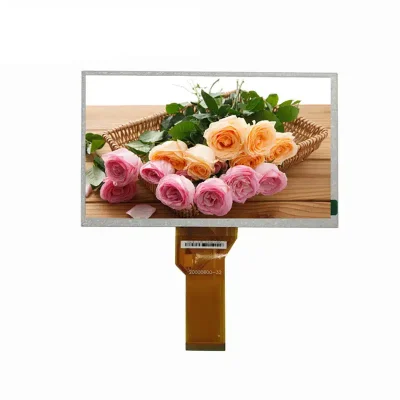
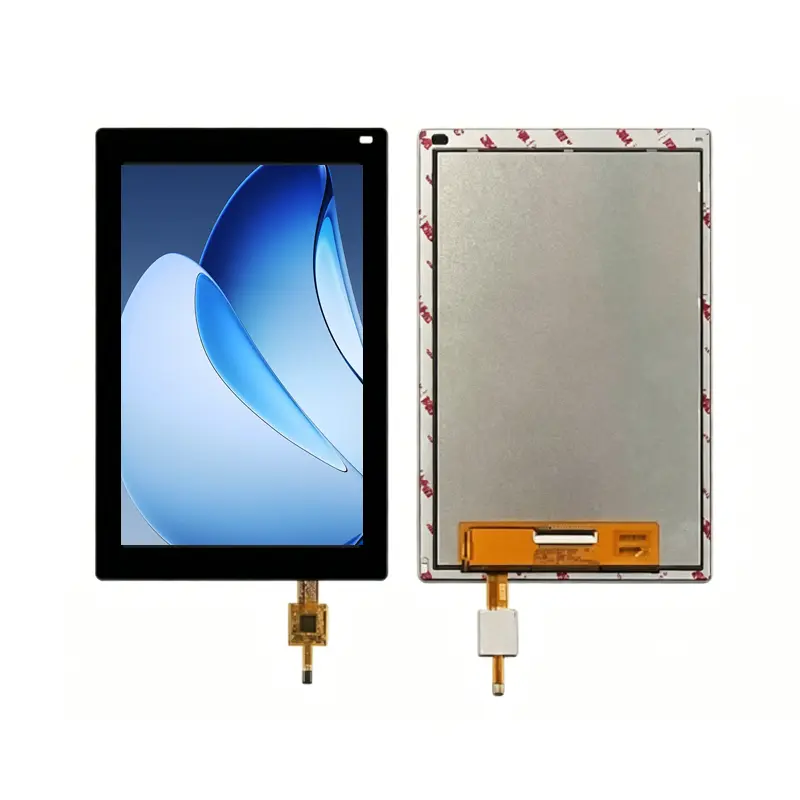
7 Inch 2000 Nits Touch Display MIPI High Brightness Touch TFT Display 800×1280 MIPI
Model P/N
Size
Resolution
Brightness
Viewing Angle
Connector Type
Operating Temp
Overall(mm)
huisoar
HS700146S0-SY01
Brand
Panel Size (inch)
Model P/N
Resolution
Brightness (nits)
Viewing Angle
Contrast Ratio
Response Time
Overall (mm)
Active Area (mm)
Refresh Rate
Display Colors
Panel Type
Connector Type
Operating Temp
Touchscreen Type
Storage Temp
Work Mode
Touch Interface
Designed For
800×1280 IPS Capacitive Touch TFT-LCD with MIPI 4-Lane, 40-Pin Connector, and High-Brightness Outdoor Visibility
A 7 Inch 2000 Nits Touch Display is a portrait-format TFT-LCD module for UAV ground stations, outdoor controllers, medical interfaces, industrial handheld terminals, and other embedded systems that need strong daylight visibility and direct touch interaction. It combines 800 × 1280 resolution, 2000 cd/m² brightness, IPS full-view performance, MIPI 4-lane signaling, a 40-pin connector, and IIC projected capacitive touch in a compact 7-inch module platform.
At a Glance: 7 Inch MIPI Touch Display Highlights
- 7-inch portrait TFT-LCD module with 800 × 1280 resolution for vertical HMI layouts and handheld interfaces.
- 2000 cd/m² brightness supports high-ambient-light visibility for outdoor controllers and field-operated equipment.
- IPS full-view structure with 85/85/85/85 viewing angles supports multi-position readability.
- MIPI 4-lane signal interface with 40-pin connector supports modern embedded controller integration.
- Projected capacitive touch uses IIC interface, GT911 touch IC, and G+F+F touch process.
- Display IC is listed as ILI9881C, providing a clear controller reference for engineering review.
- Application direction includes UAV ground stations, unmanned vehicle / boat controllers, medical devices, monitor displays, industrial computers, and handheld terminals.
Product Overview of the 7 Inch 2000 Nits Touch Display
The 7 Inch 2000 Nits Touch Display is a compact high-brightness touchscreen module for embedded products that need both outdoor-readable visual output and responsive user input. It is particularly useful when a product needs a vertical user interface, strong luminance, and MIPI-based integration in a 7-inch display format. The 800 × 1280 resolution provides enough pixel structure for control panels, telemetry screens, menus, camera previews, medical interface screens, and field-operation dashboards.
Unlike a generic indoor 7-inch display, this module is positioned around high-brightness use. The confirmed 2000 cd/m² brightness makes it more suitable for outdoor-adjacent equipment and field devices where lower-luminance modules may become difficult to read. The IPS full-view structure and 85/85/85/85 viewing-angle specification also help when the display is mounted into a fixed controller, handheld unit, vehicle terminal, or monitor housing where users may view the screen from different positions.
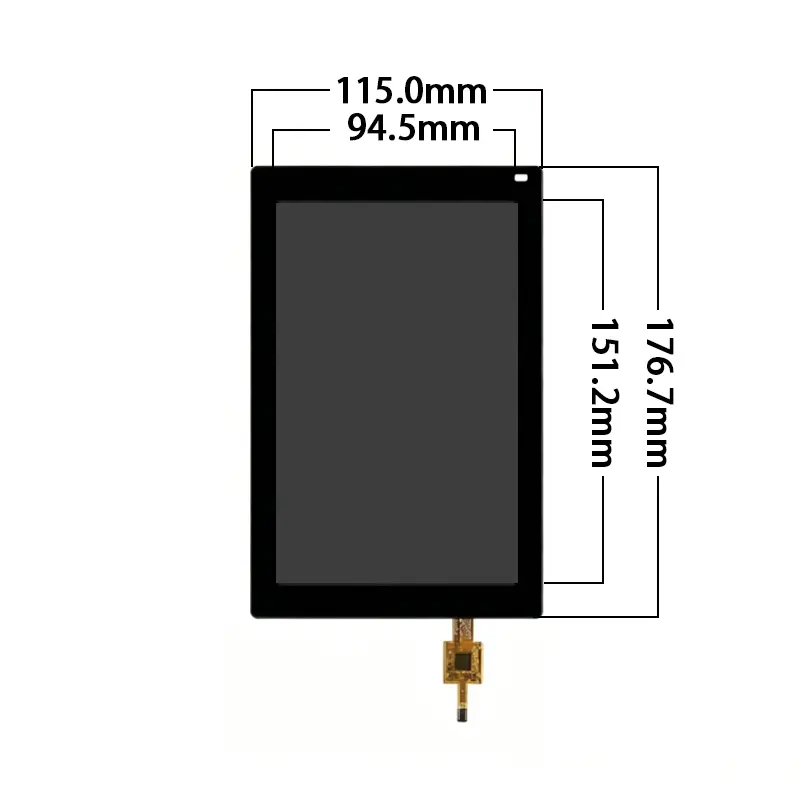
For product engineers, the integration value comes from confirmed module-level details: MIPI 4-lane display interface, 40-pin connector, IIC touch interface, projected capacitive touch, GT911 touch IC, ILI9881C display IC, 115 × 176.7 × 5.79 mm outline, 94.5 × 151.2 mm active area, and -20°C to 70°C operating temperature. These details make it practical to start controller-board matching, cable planning, enclosure layout, touch-function validation, and sample testing early in the project.
Key Features of the 7 Inch 2000 Nits Touch Display
The 7 Inch 2000 Nits Touch Display gives OEM teams a compact high-luminance touch module for outdoor controllers, industrial terminals, and portable embedded equipment.
| Key Feature | B2B Value |
|---|---|
| 2000 cd/m² brightness | Supports visibility in strong ambient light for field devices and outdoor-adjacent equipment. |
| 7-inch portrait format | Fits handheld terminals, vertical control screens, remote controllers, and compact HMI devices. |
| 800 × 1280 resolution | Provides enough pixel structure for menus, data screens, graphics, and touch UI layouts. |
| IPS full-view display | Helps maintain readability when the device is viewed from different operator positions. |
| 85/85/85/85 viewing angle | Supports left, right, upper, and lower viewing consistency for fixed-angle installations. |
| MIPI 4-lane signal interface | Matches many modern embedded display architectures and high-speed display platforms. |
| 40-pin connector | Gives engineers a defined hardware interface point for FPC and board planning. |
| Projected capacitive touch | Enables direct user interaction for modern control and monitoring interfaces. |
| IIC touch interface with GT911 | Supports a clear touch-controller review path for firmware and hardware integration. |
| Wide operating temperature | -20°C to 70°C operation supports field, industrial, and mobile equipment validation. |
Technical Specifications of the 7 Inch MIPI Touch LCD Module
The 7-inch MIPI touch LCD module combines high brightness, portrait resolution, capacitive touch, and MIPI integration for compact embedded display projects.
| Specification | Value |
|---|---|
| Product Type | 7 Inch MIPI Touch LCD Module |
| Display Size | 7 inch |
| Resolution | 800 × 1280 |
| Brightness | 2000 cd/m² |
| Viewing Angle | 85/85/85/85 |
| Interface | MIPI 4-lane, 40 pins |
| Touch Type | Projected capacitive touch |
| Touch Interface | IIC |
| Active Area | 94.5 × 151.2 mm |
| Operating Temperature | -20°C to 70°C |
These specifications should be reviewed as a complete integration set. Brightness affects power, thermal path, cover-lens choice, and field readability. MIPI 4-lane signaling affects controller compatibility and layout routing. IIC touch affects firmware and touch-controller integration. Active area and outline size affect housing, front opening, gasket design, touch cover position, and cable exit planning.
Why Choose This 7 Inch High Brightness MIPI Display?
This 7 inch high brightness MIPI display is a strong fit when an embedded product needs outdoor-readable brightness, portrait UI space, capacitive touch, and compact controller integration.
800×1280 Portrait LCD for UAV Ground Station and Handheld Controller UI
The 800 × 1280 portrait format is well suited for remote controllers, handheld terminals, UAV ground-station displays, and vertical HMI panels. It gives enough screen height for telemetry, preview content, button areas, status rows, alerts, and control widgets. For a field device, this can be more practical than a landscape module when the final product is held vertically or mounted in a narrow enclosure.
The 7-inch size also helps balance visibility and portability. It is large enough for detailed control screens while still compact enough for handheld and mobile equipment. When designing the UI, engineers should test icon size, touch target spacing, brightness behavior, and viewing distance using the actual module rather than relying only on software mockups.
2000 cd/m² Brightness with Capacitive Touch for Field Equipment
The confirmed 2000 cd/m² brightness is the primary differentiator of this product. In high-ambient-light environments, brightness has a direct effect on whether users can read maps, camera feeds, alerts, medical data, or control parameters. This makes the module suitable for applications where the display may be used near windows, outdoors, inside vehicles, or in strong industrial lighting.
The projected capacitive touch function also matters. A high-brightness display without touch may still require external buttons, but this module supports direct on-screen interaction through an IIC touch interface. Final touch performance should be tested with any cover glass, gloves, water exposure, enclosure lip, bonding layer, or firmware filtering required by the project.
Display Performance of the 7 Inch High-Visibility Touch Screen for Outdoor Controllers
The display performance of this high-visibility touch screen is built around brightness, IPS viewing, portrait resolution, and touch usability in field-operated systems.
2000 cd/m² Readability for High-Ambient-Light Operation
The 2000 cd/m² brightness level helps the display remain usable where standard indoor displays may appear washed out. This is valuable for UAV controllers, unmanned vehicle controllers, outdoor handheld terminals, inspection devices, and mobile industrial panels. It does not automatically mean the finished product is waterproof or sunlight-certified; the final enclosure, cover lens, bonding method, and thermal design still determine real-world outdoor performance.
Brightness should also be reviewed as part of the electrical and thermal design. High luminance can increase backlight load and heat generation, so engineers should request detailed power and backlight specifications before finalizing the product architecture.
IPS Full View, 16.7M Colors, and 800:1 Contrast for Control Screens
The IPS full-view structure and 85-degree viewing specification support stable screen visibility from multiple directions. This is especially important when a device is mounted in a fixed location or shared by more than one operator. Control devices, monitor screens, medical displays, and vehicle terminals may be viewed from the side, from above, or while in motion.
The source materials also confirm 16.7M display colors and an 800:1 typical contrast ratio. These parameters support clear visual output for user interfaces, warning colors, live display content, and monitoring graphics. Color-critical use should still be validated with real content and final cover materials.
Outdoor and Embedded Display Conditions Require System-Level Testing
This display is suitable for outdoor-adjacent and field-controller projects, but system-level review remains necessary. Engineers should validate the display under expected ambient light, operating temperature, enclosure heat buildup, cover-lens reflectivity, touch sensitivity, and cable routing conditions. For products exposed to weather, a complete IP-rated enclosure should be evaluated separately because the module itself is not confirmed as a waterproof finished display.
Integration and Mounting Options for MIPI 4-Lane Embedded Touch Display
MIPI 4-lane embedded touch display integration should start with display timing, pinout confirmation, IIC touch routing, FPC clearance, and controller-board matching.
MIPI 4-Lane Interface and 40-Pin Connector Review
The display interface is listed as MIPI 4-lane with 40 pins. This gives a clear starting point for embedded platform integration, but engineers still need the detailed pin definition, timing, initialization sequence, backlight drive information, connector orientation, FPC drawing, and recommended cable length. MIPI compatibility should be confirmed against the target processor or display bridge before sample approval.
The display IC is listed as ILI9881C. This is useful for firmware and driver research, but it should not replace the official initialization code, timing table, or module datasheet. Buyers should request the complete technical file before PCB design or mass production.
IIC Capacitive Touch, GT911, and G+F+F Stack Planning
The touch system is confirmed as projected capacitive touch with IIC interface, GT911 touch IC, and G+F+F touch process. These details are important for touch-controller firmware, interrupt line planning, IIC address review, cover stack evaluation, and touch calibration.
If the final device needs glove operation, wet-hand interaction, thick cover glass, optical bonding, or ruggedized front protection, those requirements should be discussed before sample approval. Touch performance can change significantly after adding cover glass or changing the mechanical stack.
Mechanical Mounting, Housing, Cable, and Thermal Review
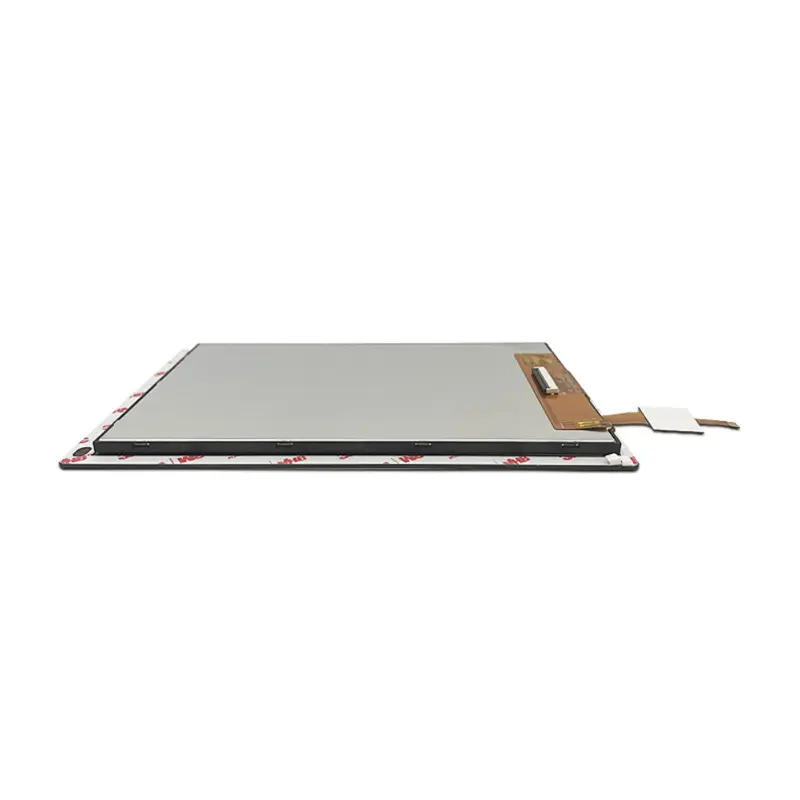
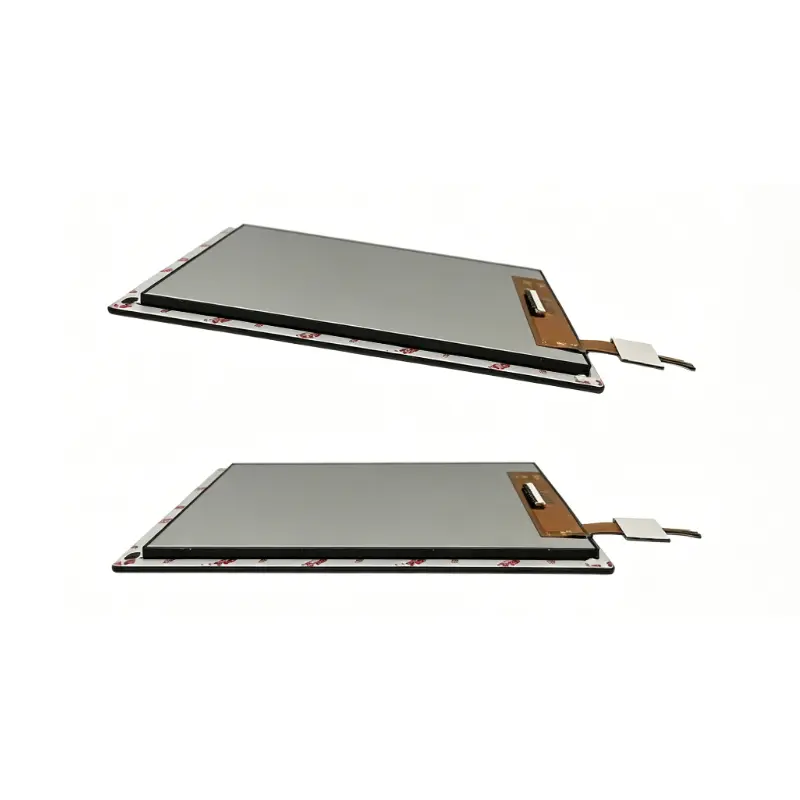
The configuration image lists an outline size of 115 × 176.7 × 5.79 mm, while the parameter table lists 115 × 176 mm and a maximum thickness of 5 mm. Because both values appear in the provided materials, mechanical engineers should request a formal drawing before tooling. The active area is 94.5 × 151.2 mm, which should be used for bezel opening, cover-glass border, gasket design, and UI safe-area planning.
High-brightness displays also require thermal review. The product should be validated inside the intended enclosure under maximum brightness, real ambient conditions, and expected duty cycle.
Recommended Applications for UAV Ground Station and Outdoor Controller Displays
UAV ground station and outdoor controller displays require bright screens, compact structure, responsive touch, and interface compatibility with embedded control boards.
UAV Ground Station Controllers Needing Sunlight-Visible Telemetry and Touch UI
A UAV ground-station controller often needs to show telemetry, camera content, maps, alerts, battery status, and control menus in a bright field environment. This module’s 2000 cd/m² brightness, portrait resolution, MIPI interface, and capacitive touch make it a strong candidate for this type of controller. Final sunlight readability should still be validated with the selected cover lens and enclosure.
Unmanned Vehicle and Boat Remote Displays Requiring Field Operation
Unmanned vehicle and unmanned boat remote-control systems may be used outdoors or in variable lighting. A high-brightness 7-inch portrait display can provide a compact but readable interface for mission data, status monitoring, and operator feedback. Engineers should validate vibration resistance, sealing, and mounting at the finished-device level because these are not confirmed module parameters.
Medical Equipment and Industrial Computer Displays with Touch Interaction
Medical device displays and industrial computer interfaces benefit from a screen that supports clear data output and direct touch control. The IPS viewing structure supports shared viewing, while the IIC capacitive touch function supports modern interface design. For medical or industrial certification pathways, buyers should request full electrical, reliability, and compliance files from the supplier before production decisions.
Outdoor Handheld Terminals and Mobile Inspection Devices
Outdoor handheld terminals and mobile inspection devices need a display that is bright, compact, and responsive. The 7-inch format can support mobile work orders, diagnostic information, live monitoring screens, inspection checklists, and equipment-control pages. The -20°C to 70°C operating temperature range supports field evaluation, but battery, enclosure, and thermal design must be validated together.
Customization Options for 7 Inch MIPI Touch Display Projects
Customization for 7 inch MIPI touch display projects can include brightness validation, cover glass, anti-glare coating, optical bonding, touch sensitivity review, FPC and cable design, MIPI control-board matching, housing review, mounting structure, and field-use enclosure evaluation. These should be treated as project-level options, not default features.
For outdoor or mobile use, buyers should evaluate cover-lens reflectivity, bonding method, front-surface durability, sealing, and thermal dissipation. For touch-heavy applications, the IIC touch route, GT911 firmware behavior, touch calibration, cover thickness, and user interaction conditions should be tested during sample validation. For OEM projects, mechanical drawing review is essential because the two source images show slightly different thickness values.
Procurement and Engineering Checklist for 7 Inch Touch Display Selection
A reliable purchasing decision should confirm optical, electrical, mechanical, touch, and environmental requirements before moving from sample to bulk order.
- Confirm whether 800 × 1280 portrait resolution matches the UI, content orientation, and touch layout.
- Verify that 2000 cd/m² brightness is appropriate for the viewing environment and power budget.
- Confirm MIPI 4-lane compatibility, 40-pin connector definition, initialization code, and timing.
- Confirm IIC touch routing, GT911 touch IC behavior, interrupt line, reset line, and firmware support.
- Request a formal mechanical drawing before final enclosure or front-cover tooling.
- Validate cover glass, anti-glare, optical bonding, and touch performance under real use conditions.
- Test maximum-brightness operation inside the target housing for heat and stability.
- Confirm operating temperature, sample validation plan, quantity, packaging, and application environment.
Brightness / MIPI / Touch Selection Guide for 7 Inch Touch Display Projects
For high-ambient-light devices, brightness should be evaluated with the final front lens and housing, not only in open-air lab conditions. For MIPI integration, confirm the host processor, lane count, connector, timing, and driver initialization. For touch selection, test IIC touch behavior after adding glass, bonding, enclosure edges, or rugged front protection. For field use, also review thermal path, mounting strength, and service access.
FAQ
About 7 Inch High Brightness Touch Display Integration
What is a 7 Inch 2000 Nits Touch Display used for?
What resolution does this 7-inch display support?
What display interface does the module use?
Does the module include touch?
Is this display suitable for outdoor use?
What are the confirmed viewing angles?
What are the key mechanical dimensions?
What operating temperature is confirmed?
What information is needed for a quotation?
Can the display be customized for rugged field equipment?
Freya Yang
+86 18318948097