
~
~
~
~
~
~
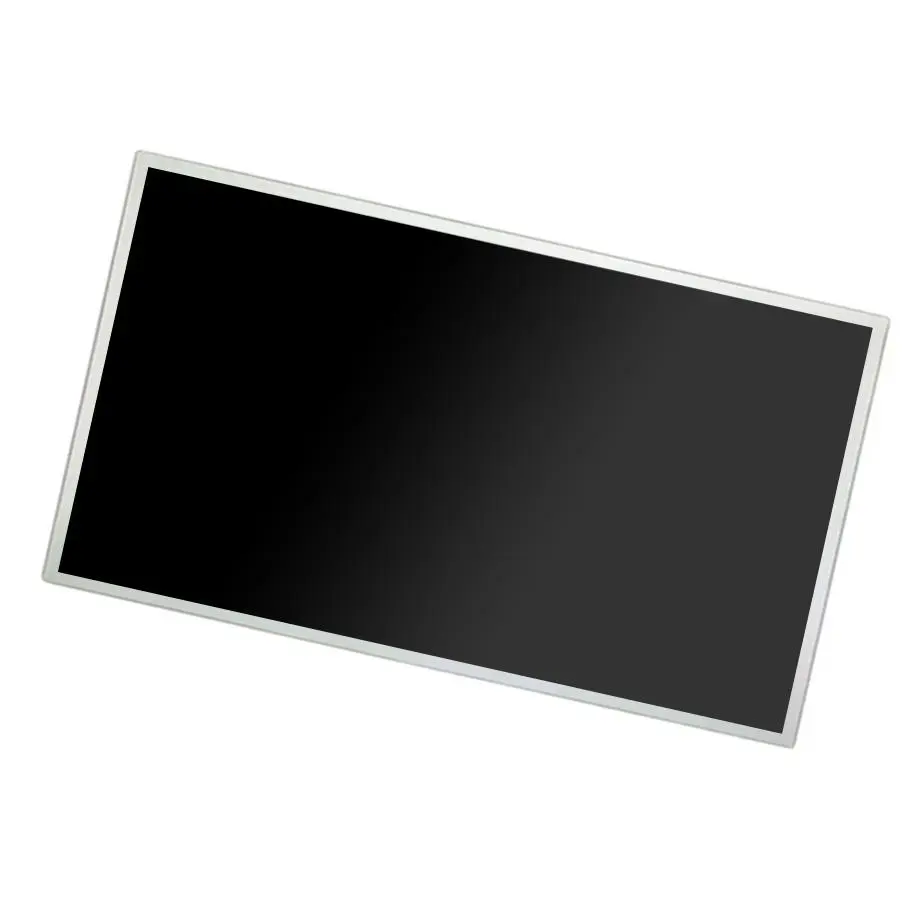
A0700FHL2MBABMM10 120Hz eDP LTPS Tablet LCD 7″ Tianma
Model P/N
Size
Resolution
Brightness
Viewing Angle
Connector Type
Operating Temp
Overall(mm)
tianma
A0700FHL2MBABMM10
Brand
Panel Size (inch)
Model P/N
Resolution
Brightness (nits)
Viewing Angle
Contrast Ratio
Response Time
Overall (mm)
Active Area (mm)
Refresh Rate
Display Colors
Panel Type
Connector Type
Surface Treatment
Operating Temp
Touchscreen Type
Storage Temp
Work Mode
Pixel Format
Input Voltage (V)
Designed For
Product Details
Product Overview
The A0700FHL2MBABMM10 120Hz eDP LTPS Tablet LCD is a 7.0-inch Tianma LTPS TFT-LCD module for compact tablet-class display integration. It combines a native 1920(RGB)×1080 FHD image with a 120 Hz refresh rate, a 154.944 × 87.156 mm active area and a 157.444 × 94.506 × 2.57 mm module outline. The panel is specified for 450 cd/m² typical luminance, 1000:1 typical contrast, symmetric 88/88/88/88 typical viewing at CR≥10 and 16.7 million colors with 70% NTSC coverage.
The native display interface is two-lane eDP 1.4 through a 40-pin connector, and the panel input is 3.3 V typical. The WLED backlight includes an LED driver, which changes the integration boundary compared with a driverless module. The current row-scoped facts do not establish a touch configuration, backlight lifetime or module weight. Those fields remain unspecified rather than being filled from nearby Tianma products.
Three Core Buyer Value Propositions
120 Hz FHD performance gives compact tablet designs a higher-refresh target
The 1920×1080 raster operating at 120 Hz creates a materially different host requirement from a conventional 60 Hz 7-inch panel. The graphics path, eDP transmitter, lane rate, timing table and firmware all need enough margin for the intended frame rate. This gives engineers a clear performance target during controller selection, but it does not mean that any eDP source advertising FHD output will automatically run the module at 120 Hz.
Two-lane eDP 1.4 narrows the internal display architecture
The model identifies two eDP lanes and a 40-pin connector, which gives the host designer a more specific starting point than a generic “digital interface” label. That helps frame cable and controller work, while the exact lane rate, link training, AUX behavior, panel timing and pin mapping remain model-specific. Qualification should therefore use the released host platform and the current Tianma interface documentation rather than a generic eDP cable assumption.
Integrated WLED driving removes one external subsystem
Because the backlight is listed with an LED driver, the system does not need to reproduce the raw LED-string driver architecture normally required by a driverless module. That can simplify the display power tree and brightness-control design. The host still has to meet the exact backlight power and control requirements, and no lifetime figure should be invented from the presence of the integrated driver.
Key Specifications at a Glance
| Parameter | Specification |
|---|---|
| Manufacturer / model | Tianma A0700FHL2MBABMM10 |
| Size / type | 7.0 inch LTPS TFT-LCD, LCM |
| Resolution | 1920(RGB)×1080 FHD, 16:9 |
| Active area / outline | 154.944 × 87.156 mm / 157.444 × 94.506 × 2.57 mm |
| Brightness / contrast | 450 cd/m² typical / 1000:1 typical |
| Viewing | 88/88/88/88 typical at CR≥10, symmetric |
| Display mode / colors | SFT normally black transmissive / 16.7M colors, 70% NTSC |
| Surface | Hard coating |
| Response time | 30 ms maximum Tr+Td |
| Native interface | eDP 1.4, 2 lanes, 40-pin connector |
| Panel input | 3.3 V typical |
| Backlight | WLED with integrated LED driver |
| Refresh rate | 120 Hz |
| Touch | Not specified in current product parameters |
| Temperature | Operating 0 to 50 °C; storage -20 to 60 °C |
What does 120 Hz change in the eDP qualification plan?
The A0700FHL2MBABMM10 120Hz eDP LTPS Tablet LCD should be tested at its specified native FHD timing and 120 Hz frame rate on the intended controller. VESA describes eDP as the internal electrical interface used to transport video data from graphics hardware to an embedded display panel and notes that eDP supports high resolution, refresh rate and color depth with a relatively low wire count (VESA eDP overview). That standards-level description does not replace the A0700FHL2MBABMM10 timing table or lane-rate requirements.
Link capability must be proven with the exact host implementation
Two eDP lanes are confirmed, but lane count alone does not establish bandwidth margin. Verify the controller’s supported link rates, link training, AUX behavior, panel power sequencing and firmware timing. Run moving content, fine text, gradients and repeated mode transitions at the released 120 Hz configuration. If the host platform also supports lower frame rates, verify that the production software selects the intended mode consistently rather than relying on an accidental bench configuration.
How should the integrated LED driver be treated?
An integrated WLED driver means the module contains more of the backlight-driving function than a raw WLED panel that exposes LED strings directly. That can reduce the external component count, but it does not make backlight power “automatic.” The host still needs the exact supply, enable and dimming-control requirements. The current product parameters do not state backlight lifetime or the dimming method, so neither should be inferred from another Tianma part.
During thermal qualification, measure the module after the backlight and application processor have reached steady state. The specified operating range is 0 to 50 °C, which is narrower than many industrial display families and should be treated as a real design boundary. A sealed tablet enclosure, battery charging and processor load can raise internal temperature above room ambient even when the product is used indoors.
What should be verified around the 3.3 V panel input?
The panel input is specified at 3.3 V typical. That value provides a nominal rail target, not a complete power specification. Current draw, tolerance, sequencing, inrush and shutdown behavior remain model-specific. A controller board should expose measurement points so the panel rail, enable signals and any backlight-control behavior can be checked during cold start, warm restart and repeated power cycling.
Do not merge display-link and power assumptions
eDP signaling and the 3.3 V panel supply are separate integration concerns. A controller that has an eDP connector can still be unsuitable because of pin mapping, voltage sequencing, connector orientation or timing. Likewise, a correct 3.3 V rail does not prove that the eDP link will train at the required 120 Hz mode. Treat the cable, panel power and display protocol as three coordinated checkpoints.
Mechanical fit in a high-density 7-inch module
The active area measures 154.944 × 87.156 mm, while the complete module outline is 157.444 × 94.506 × 2.57 mm. That narrow difference between image area and module envelope is useful for compact tablet packaging, but mechanical release should still use the current drawing for connector position, support regions, tolerances and any keep-out requirements. A thin module can be sensitive to chassis pressure, twist and cable strain even when its overall dimensions fit.
The standard surface description is “Hard coating.” It does not establish antiglare haze, cover-glass construction, optical bonding or impact performance. If the finished product requires a protective lens or touch layer, specify that front stack separately. The current product parameters do not establish a touch configuration for this exact module, so no touch-controller, sensor or bonding claim is carried into the formal record.
How does Tianma’s LTPS context help without becoming a product claim?
Tianma’s current advanced-technology material describes LTPS variable-refresh display technology reaching up to 120 Hz for notebook and tablet devices (Tianma advanced technologies). That is useful category context for why a compact LTPS panel may target higher refresh rates. It is not evidence that this exact part implements a specific variable-refresh standard or adaptive-refresh algorithm. For A0700FHL2MBABMM10, the verified product fact is a 120 Hz refresh rate.
The same evidence boundary applies to color and power features. The module’s 70% NTSC figure, 450 cd/m² typical brightness and SFT wide-view mode are exact product facts. Broader Tianma portfolio claims about low power, narrow borders or advanced display technology should not be imported unless the exact model documentation supports them.
Replacement and sourcing controls
For replacement work, compare the A0700FHL2MBABMM10 120Hz eDP LTPS Tablet LCD against candidates across the complete display stack: 157.444 × 94.506 × 2.57 mm outline, 154.944 × 87.156 mm active area, two-lane eDP 1.4, 40-pin connector, 3.3 V panel input, 120 Hz FHD timing, integrated LED driver and 0 to 50 °C operating range. Similar 7-inch FHD panels can differ in lane count, link rate, connector map, thickness or backlight-control behavior.
A current secondary sourcing reference lists the model as in production and notes a Q2 2025 mass-production start. Treat that only as planning context. Before a volume order, ask Tianma or an authorized channel to confirm the offered revision, lifecycle status, traceability and any applicable PCN/EOL information. Current marketplace stock counts are not HS-LCD inventory and do not establish a guaranteed supply horizon.
Engineering Answers in Brief
A0700FHL2MBABMM10 is a 7-inch Tianma LTPS FHD module specified for 120 Hz operation, two-lane eDP 1.4 and a 3.3 V typical panel input.
The WLED backlight includes an LED driver, but the host still needs the exact power, enable and dimming-control requirements for the model.
The module is specified for 450 cd/m² typical luminance, 1000:1 typical contrast and symmetric 88-degree viewing, while touch configuration remains unspecified.
Replacement approval should match timing, lane count, 40-pin mapping, mechanics and backlight-control behavior rather than relying on size and FHD resolution alone.
Procurement Checklist
- Specify Tianma A0700FHL2MBABMM10 and confirm the exact offered revision.
- Request the current eDP 1.4 timing, two-lane link requirements and 40-pin connector assignment.
- Validate native 1920×1080 operation at 120 Hz using the released controller, firmware and cable.
- Confirm 3.3 V panel-power tolerance, current demand and sequencing.
- Request the integrated LED-driver power and brightness-control requirements.
- Check the 157.444 × 94.506 × 2.57 mm outline against the enclosure and connector route.
- Keep touch, cover-lens and bonding requirements separate unless the offered assembly explicitly documents them.
- Reconfirm lifecycle, traceability and PCN/EOL expectations before volume purchasing.
The A0700FHL2MBABMM10 120Hz eDP LTPS Tablet LCD gives tablet designers a compact Tianma FHD platform with a 120 Hz target, two-lane eDP 1.4 and integrated backlight driving. Production approval depends on matching the exact link timing, 3.3 V power behavior, mechanics, thermal limits and sourcing revision to the released product design.
Recommended: Same Size
(7")
Applications & Value of LCD Panel

- Fast sourcing with in-stock panels & cross-reference alternatives
- Stable supply chain with long-term availability
- Engineering-level support from panel to integration
- Custom solutions: cable, touch & optical bonding
- Strict quality control with IQC / OQC / aging test
- Full traceability system for quality assurance
- Complete technical documentation & drawings
- Compliance support: RoHS & certification files
FAQ
About A0700FHL2MBABMM10 120Hz eDP LTPS Tablet LCD
What does the two-lane eDP 1.4 interface require from the host?
Does A0700FHL2MBABMM10 include a backlight driver?
Can any 7-inch FHD eDP panel replace this model?
What optical performance is confirmed for this module?
Is touch integrated with A0700FHL2MBABMM10?
What should procurement confirm before volume purchasing?
What is your MOQ and sample policy for A0700FHL2MBABMM10?
MOQ and sample policy are not fixed on this page; they are set per order and subject to stock and production scheduling. For the A0700FHL2MBABMM10, we can typically support sample evaluation before volume commitment, with sample quantities and pricing confirmed on request. Please share your target annual volume, required sample date, and destination so we can confirm MOQ, sample lead time, and any sample charges. Because this is a 7.0-inch Tianma LTPS TFT-LCD with eDP 1.4 interface, sample units may require a compatible driver board or host eDP output for evaluation.
Can you customize the display driver board to match our existing system's LVDS or eDP interface?
For custom driver board requests, we can provide engineering support to match your system's interface, but the exact board design, connector mating, and signal mapping must be confirmed on request. Because the panel input is 3.3 V typical and includes a WLED backlight with LED driver, any custom board must respect these electrical boundaries. We recommend sharing your interface specifications and mechanical constraints so we can assess feasibility and provide a tailored solution.
Can you customize the mechanical dimensions and mounting holes of a standard LCD panel to fit our specific enclosure design?
We cannot change the glass outline or active area, but we can support custom mounting brackets, bezels, or interface boards that adapt the panel to your enclosure. Mounting hole changes on the panel itself are not feasible. Please share your enclosure drawing, mounting hole pattern, and keep-out requirements so engineering can confirm whether a bracket or adapter solution meets your design.
How do you ensure color consistency and calibration across multiple display units in a single production batch?
Color consistency across production units is managed through batch-level control and calibration. For the A0700FHL2MBABMM10, the panel is specified for 16.7 million colors with 70% NTSC coverage, and we can discuss calibration targets and acceptance criteria for your batch. Typical measures include sourcing panels from the same production batch where possible, verifying color coordinates and luminance against agreed limits, and providing test data for critical parameters. Final calibration method, sample size, and pass/fail thresholds depend on your application. Please share your color tolerance requirements and target white point so we can confirm a suitable inspection and calibration plan.
