
~
~
~
~
~
~
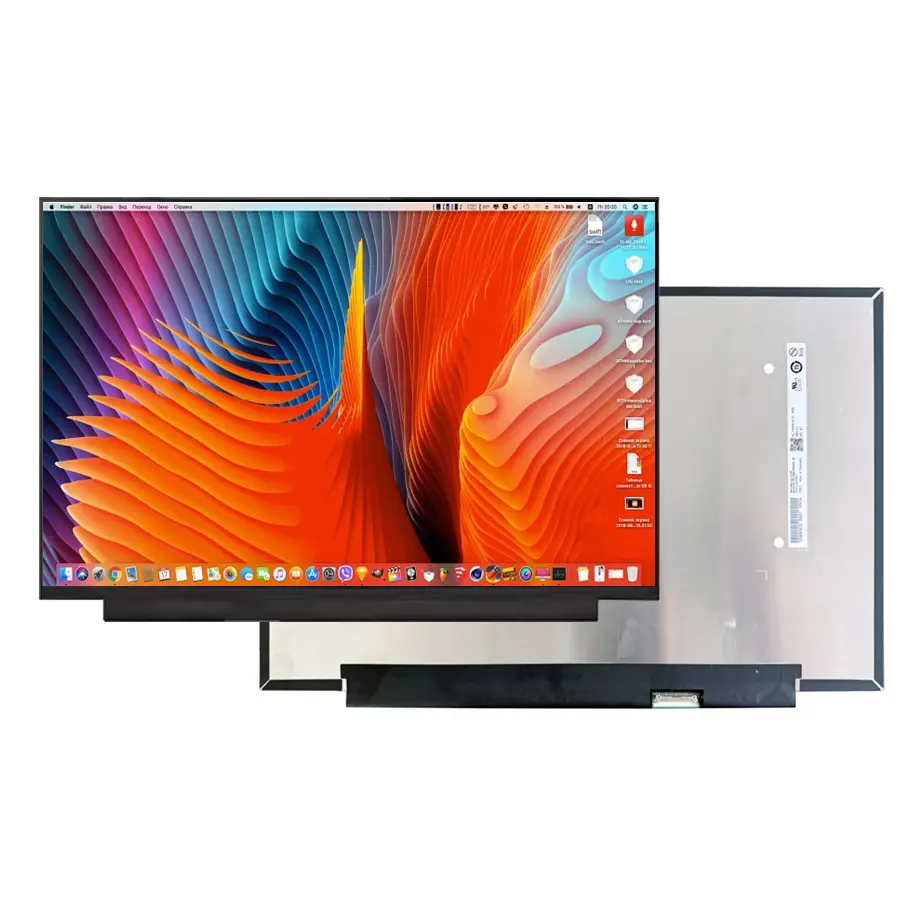
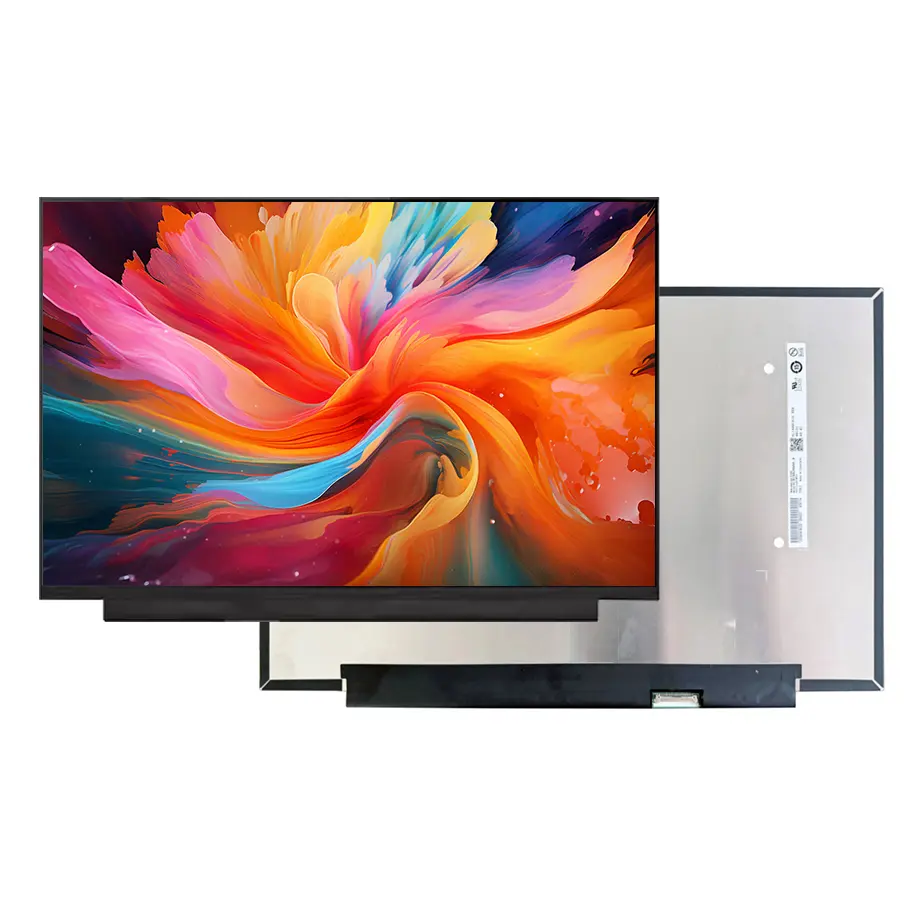
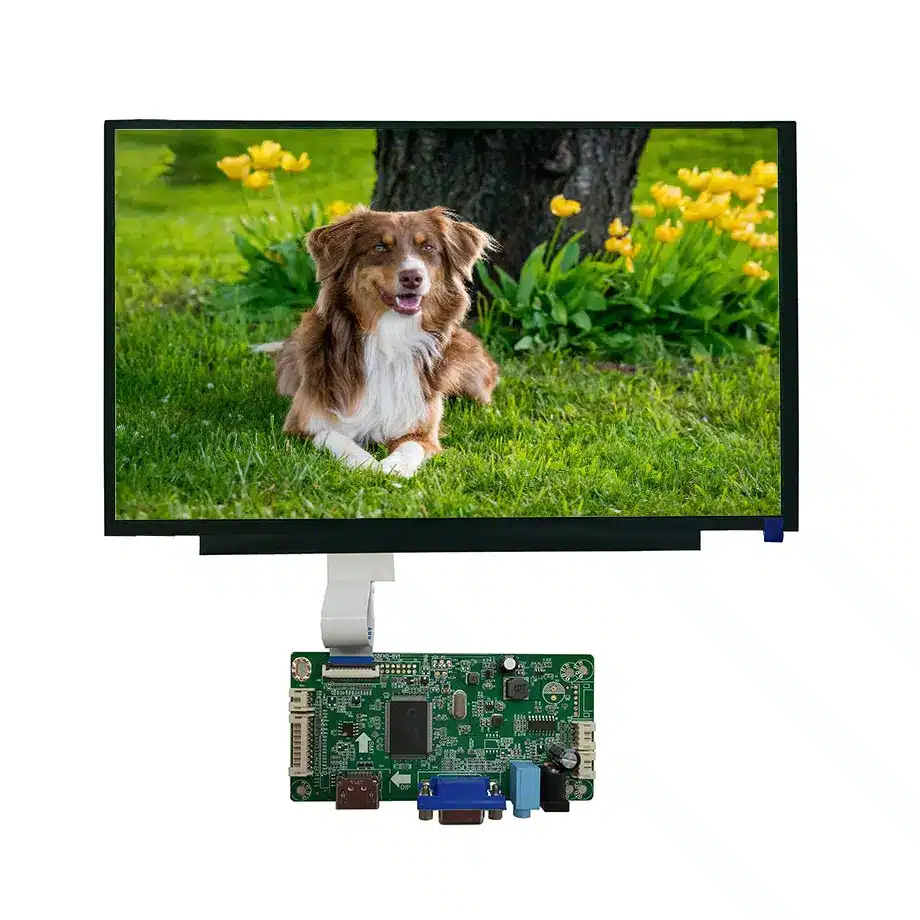
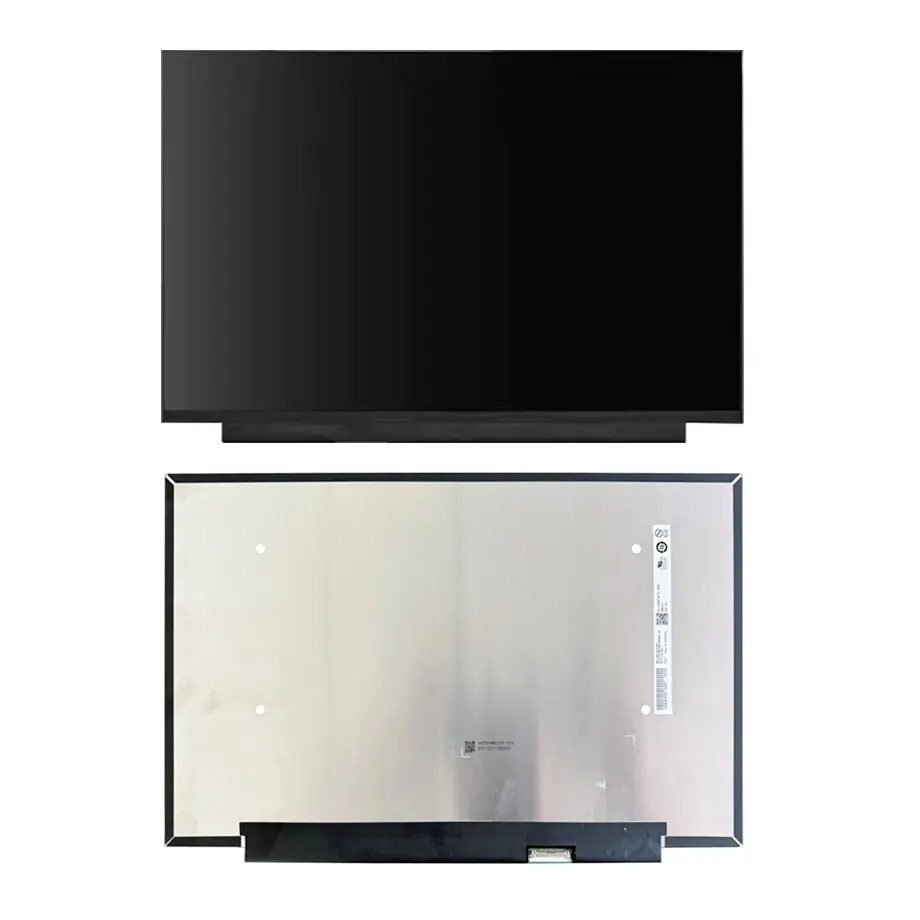
B140UANAA.1 HW1B Flat-PCBA Laptop LCD 14 Inch AUO
Model P/N
Size
Resolution
Brightness
Viewing Angle
Connector Type
Operating Temp
Overall(mm)
auo
B140UANAA.1 HW1B
Brand
Panel Size (inch)
Model P/N
Resolution
Brightness (nits)
Viewing Angle
Contrast Ratio
Response Time
Overall (mm)
Active Area (mm)
Refresh Rate
Display Colors
Panel Type
Connector Type
Surface Treatment
Operating Temp
Touchscreen Type
Storage Temp
Work Mode
Pixel Format
Input Voltage (V)
Vibration Resistance
Weight (g)
Designed For
Product Details
Product Overview
B140UANAA.1 HW1B Flat-PCBA Laptop LCD is a 14.0-inch AUO a-Si TFT-LCD module designed around a notably thin 2.55 mm overall depth. The native image is 1920(RGB)×1200 WUXGA in a 16:10 aspect ratio. Its 301.594 × 188.496 mm active area sits within a 307.29 × 205.35 mm outline, and maximum panel weight is 235 g. The display is rated at 300 cd/m² typical brightness with an 800:1 typical contrast ratio.
The source identifies a flat-PCBA slim style, an antiglare surface, AHVA normally-black transmissive operation and a two-lane eDP 1.2 interface through a 30-pin connector. The module uses a 3.3 V typical supply, includes WLED illumination with an integrated LED driver and does not contain a touch panel. AMD FreeSync is listed as a panel feature at a 60 Hz frame rate.
AUO includes notebook displays in its panel-product portfolio. VESA's Embedded DisplayPort information explains why eDP is widely used to connect internal panels in portable computers. Those references are useful for architecture; an exact replacement still depends on the B140UANAA.1 HW1B mechanical and pin-level definition.
Three Core Buyer Value Propositions
1. 2.55 mm module depth supports thin-lid replacement projects
The 2.55 mm outline depth is the most distinctive mechanical fact for this configuration. It can be valuable when a notebook lid has little rear clearance or when a service team needs to preserve a thin original stack. That advantage is conditional on the rest of the geometry matching. Connector position, rear-PCBA footprint, mounting method and cable fold can still make another “14-inch WUXGA” panel incompatible.
2. Flat-PCBA layout can simplify rear-clearance planning
The supplied shape description calls out a slim flat-PCBA design with a T≤3.2 mm subassembly reference. A flat board arrangement changes where the rear electronics occupy space compared with bent-PCBA notebook panels. For replacement and new mechanical design, that can make cable and bezel planning more predictable. It should not be treated as permission to ignore the official drawing; exact keep-out regions remain model specific.
3. Standard 30-pin eDP 1.2 path supports familiar notebook architectures
The panel uses two-lane eDP 1.2 on a 30-pin connector and a 3.3 V typical supply. Those are common notebook characteristics, which can simplify controller screening. They are not a universal compatibility rule. The exact pin assignment, connector side, link timing and backlight-control implementation must match the target notebook before power is applied.
Key Specifications at a Glance
| Parameter | Confirmed value |
|---|---|
| Manufacturer / model | AUO B140UANAA.1 HW1B |
| Display size | 14.0 inch |
| Resolution | 1920(RGB)×1200, WUXGA, 16:10 |
| Panel mode | AHVA, Normally Black, Transmissive |
| Active area | 301.594 × 188.496 mm |
| Outline | 307.29 × 205.35 × 2.55 mm |
| Weight | 235 g maximum |
| Brightness / contrast | 300 cd/m² typical / 800:1 typical |
| Viewing angle | 85/85/85/85 typical at CR≥10 |
| Color | 16.2M, 45% NTSC |
| Refresh | 60 Hz, AMD FreeSync listed |
| Interface | eDP 1.2, 2 lanes, 30-pin connector |
| Power | 3.3 V typical |
| Backlight | WLED, 15K hours, with LED driver |
| Touch | Without touch screen |
| Environment | 0 to 50 °C operating; -20 to 60 °C storage |
Why Is Thickness a Critical Replacement Parameter?
Notebook service listings often group panels by size, resolution and connector count. That approach can miss the physical constraints of modern narrow lids. At only 2.55 mm overall depth, B140UANAA.1 HW1B occupies a different rear envelope from a 4–5 mm module. A thicker alternative may press against the lid, camera cable or antenna routing even if the front bezel closes.
B140UANAA.1 HW1B Flat-PCBA Laptop LCD also uses a flat-PCBA arrangement. The rear-board footprint should be compared with the original panel because cable routing can cross the PCBA zone differently from a bent-board design. The correct process is to compare mechanical drawings, then check a sample in the real lid before placing a large replacement order.
Active area versus outer dimensions
The 301.594 × 188.496 mm active image area and the 307.29 × 205.35 mm outer dimensions serve different functions. The first drives the visible bezel opening; the second determines physical fit. Do not use active-area dimensions as a substitute for the outline. The narrow depth also does not describe the complete laptop lid thickness, which includes the rear cover, bezel, cable and structural elements.
How Should a 30-Pin eDP Replacement Be Electrically Screened?
Start with the connector and pinout, not the marketing description. The panel needs a two-lane eDP 1.2 link and a 3.3 V typical supply. The cable must also be on the correct side and route without excessive bend or strain. A different 30-pin screen can use a similar connector shell but a different pin assignment or backlight-control implementation.
Once the electrical match is confirmed, verify 1920×1200 timing at 60 Hz, sleep/wake behavior and brightness control. The panel includes its WLED driver, so the host controls the backlight rather than supplying raw LED-string power. AMD FreeSync is listed in the same-model feature data; treat it as a platform qualification item that requires compatible GPU and firmware behavior.
What Should Buyers Expect From the Optical Specification?
The module provides 300 cd/m² typical luminance, 800:1 typical contrast and 16.2M colors with 45% NTSC coverage. Those values define a mainstream notebook display rather than a wide-gamut creative panel. Procurement teams should not substitute it for a 100% sRGB requirement simply because resolution and size match. Color requirement is part of the replacement specification.
The surface is antiglare, which is relevant for office and mobile use where reflections can be distracting. The source does not supply a haze percentage for this configuration, so no numeric haze claim should be invented. AHVA normally-black behavior and the 85/85/85/85 typical viewing specification support broad viewing around the notebook.
Response and motion
The typical Tr+Td response is 25 ms and the refresh rate is 60 Hz. That is adequate for general notebook UI and video, but it should not be reframed as a high-refresh gaming panel. If the system uses the listed FreeSync capability, validate variable-frame behavior separately and avoid assuming that adaptive timing changes the underlying 60 Hz maximum refresh specification.
Where Is This Thin 14-Inch Module a Good Fit?
The confirmed application is laptop use. B140UANAA.1 HW1B Flat-PCBA Laptop LCD is especially relevant to replacement programs that need a thin 14-inch WUXGA panel with a flat rear-board layout and 30-pin eDP 1.2 connection. It can also support new slim business-notebook platforms when 300 cd/m² brightness and 45% NTSC color meet the product requirements.
External replacement sources for this exact model emphasize comparing the original resolution, refresh rate, connector and mounting details before ordering. That is consistent with the mechanical risk of this thin configuration. No exact laptop fit should be promised from the panel model alone unless the buyer has confirmed the original panel and cable specification.
Environmental and Sourcing Boundaries
The operating range is 0 to 50 °C and storage is -20 to 60 °C. Same-model reference data also records a 1.5G vibration limit. These are component parameters, not evidence of rugged or industrial qualification. A laptop OEM still needs hinge, drop, vibration, thermal and transport testing at the complete-system level.
Current production status and stock indications are time-sensitive. They can help plan a sample purchase but should not be turned into a long-term supply statement. If the panel is intended for a fleet replacement program, confirm hardware revision, change status and quantity before making a large procurement commitment.
How Should a Fleet Replacement Program Control Variants?
When hundreds of notebooks share a marketing model name, the installed screen can still vary by production lot. A fleet service process should capture the original LCD part number before placing bulk orders and should classify acceptable replacements by exact electrical and mechanical equivalence. For this thin AUO module, the most important control points are the 2.55 mm package, flat-PCBA position, 30-pin eDP mapping and WUXGA timing. A thicker panel may create lid pressure even if it appears electrically compatible.
Maintain an approved-parts record with photographs, cable identifiers and test results from a representative unit. When a new supplier lot arrives, sample-check model labels and physical dimensions rather than assuming that every box marked “14-inch WUXGA” contains the same configuration. This discipline is especially useful for service organizations because it prevents silent substitutions from turning into intermittent cable stress, bezel gaps or inconsistent color performance across a fleet.
If appearance consistency matters across a fleet, compare antiglare finish and brightness as well as electrical fit. A replacement that boots correctly can still create visible inconsistency between machines if surface treatment or gamut differs. Sample approval should therefore include both a mechanical fit check and a side-by-side visual review under the normal workplace lighting.
Procurement Checklist
- Confirm the full B140UANAA.1 HW1B identity and not just the B140UANAA.1 family.
- Compare the 307.29 × 205.35 × 2.55 mm outline with the original panel drawing.
- Verify the flat-PCBA footprint, cable side and rear-lid keep-out area.
- Match two-lane eDP 1.2, the 30-pin connector and 3.3 V supply.
- Confirm that 300 cd/m² and 45% NTSC meet the product requirement.
- Test 1920×1200 at 60 Hz plus sleep/wake and backlight control.
- Confirm current revision and sourcing status before volume replacement.
B140UANAA.1 HW1B Flat-PCBA Laptop LCD is a mechanically distinctive thin WUXGA notebook module. Its value is strongest when the buyer verifies the exact 2.55 mm package and flat-PCBA layout rather than treating it as an interchangeable generic 14-inch panel.
Recommended: Same Size
(14")
Applications & Value of LCD Panel

- Fast sourcing with in-stock panels & cross-reference alternatives
- Stable supply chain with long-term availability
- Engineering-level support from panel to integration
- Custom solutions: cable, touch & optical bonding
- Strict quality control with IQC / OQC / aging test
- Full traceability system for quality assurance
- Complete technical documentation & drawings
- Compliance support: RoHS & certification files
