
~
~
~
~
~
~
NV140DRM-N67 7H Anti-Scatter 2.2K Assembly 14 Inch PSR2 BOE

Model P/N
Size
Resolution
Brightness
Viewing Angle
Connector Type
Operating Temp
Overall(mm)
boe
NV140DRM-N67
Brand
Panel Size (inch)
Model P/N
Resolution
Brightness (nits)
Viewing Angle
Contrast Ratio
Response Time
Overall (mm)
Active Area (mm)
Refresh Rate
Display Colors
Panel Type
Connector Type
Surface Treatment
Operating Temp
Touchscreen Type
Storage Temp
Work Mode
Pixel Format
Input Voltage (V)
Vibration Resistance
Weight (g)
Designed For
Product Details
Product Overview
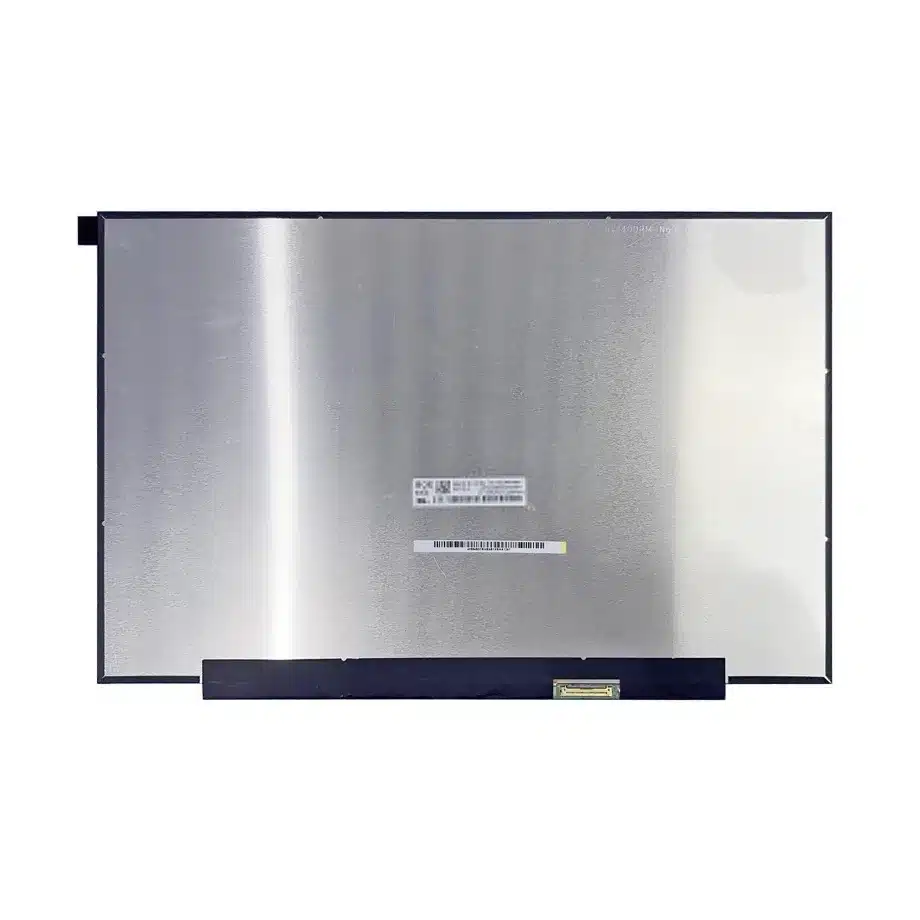
NV140DRM-N67 7H Anti-Scatter 2.2K Assembly is a 14.0-inch BOE a-Si TFT-LCD display assembly for 2.2K-class notebook integration. It uses 2240(RGB)×1400 resolution in a 16:10 aspect ratio across a 301.526 × 188.454 mm active area. The complete assembly measures 307.9 × 212.45 × 3.22 mm and weighs up to 320 g. Optical specifications include 270 cd/m² typical luminance, 1500:1 typical contrast, 89/89/89/89 typical viewing at CR≥10 and 16.7M colors with 100% sRGB and Low Blue Light.
The front surface is Anti-Scatter with 7H hard coating. The module operates at 60 Hz and lists AMD FreeSync among the exact-model features. It uses four-lane eDP 1.4b at HBR1 2.7 Gbit/s per lane through a 40-pin connector and a 3.3 V typical panel supply. The backlight is an 11S5P WLED system with integrated LED driver, DC control and a 15,000-hour source-life figure. Touch is not included.
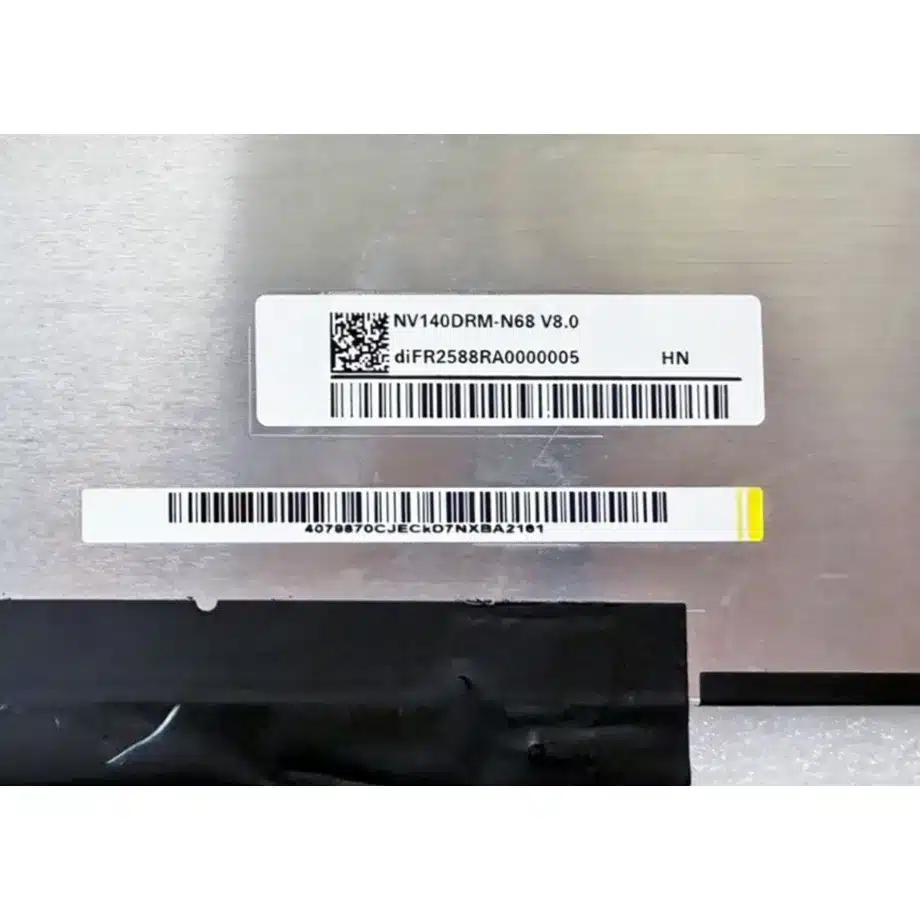
The exact-model technical listing identifies BOE0D0A for laptop use and documents features including PSR2, Low Blue Light, Reverse I/F and the 2.2K-class geometry. Independent notebook testing has also identified this exact panel code in a compact productivity laptop. For embedded-link context, VESA eDP guidance provides general information about modern internal notebook-display transport.
Three Core Buyer Value Propositions
1. 2240×1400 16:10 resolution gives compact notebooks more usable workspace
The 2.2K-class native format provides more image detail and vertical workspace than standard 1920×1080 FHD while keeping the graphics load below 2560×1600 WQXGA. For a 14-inch productivity notebook, that balance can improve document layout, web work, coding and image review without forcing a larger chassis. The benefit remains a platform choice: operating-system scaling, GPU performance and battery policy still shape the finished experience.
2. 7H Anti-Scatter surface is a distinctive front-stack feature
The exact model uses an Anti-Scatter surface with a 7H hard coat rather than a conventional 3H antiglare description. That creates a meaningful procurement and replacement attribute because front-surface behavior affects reflections, handling and the visual character of text and images. It should not be turned into a claim about scratch-proof performance or a specific durability certification without BOE's test method.
3. 100% sRGB, 1500:1 contrast and PSR2 support balanced productivity design
The module combines full sRGB coverage with a strong 1500:1 typical contrast target and same-model PSR2 support. That mix is useful for business and mainstream creator notebooks that want predictable standard-gamut color plus power-management flexibility. PSR2 is an integration capability rather than a guaranteed battery-life improvement, and the finished notebook should verify the real platform effect under controlled brightness and workload conditions.
Key Specifications at a Glance
| Parameter | Confirmed value |
|---|---|
| Manufacturer / model | BOE NV140DRM-N67 / BOE0D0A |
| Display size | 14.0 inch |
| Panel type | a-Si TFT-LCD, Assembly |
| Resolution | 2240(RGB)×1400, 16:10 |
| Active area | 301.526 × 188.454 mm |
| Outline | 307.9 × 212.45 × 3.22 mm |
| Weight | 320 g maximum |
| Brightness | 270 cd/m² typical |
| Contrast | 1500:1 typical |
| Viewing | 89/89/89/89 typical at CR≥10 |
| Color | 16.7M, 100% sRGB, Low Blue Light |
| Refresh | 60 Hz, AMD FreeSync listed |
| Interface | eDP 1.4b, 4 lanes, HBR1, 40-pin connector |
| Supply | 3.3 V typical |
| Surface | Anti-Scatter, 7H hard coating |
| Backlight | 11S5P WLED, 15K hours, LED driver, DC |
| Touch | Without touch screen |
| Operating / storage | 0 to 50 °C / -20 to 60 °C |
What Does “Assembly” Change for Replacement Planning?
The product is identified as a display assembly rather than simply an LCM. That distinction matters because a service buyer may be replacing a larger integrated object with its own front structure or model-specific mechanical details, not just a bare notebook panel. The exact 307.9 × 212.45 × 3.22 mm envelope, 320 g maximum mass and Anti-Scatter front treatment should therefore be checked together.
NV140DRM-N67 7H Anti-Scatter 2.2K Assembly should not be assumed interchangeable with another NV140DRM family member even if resolution and active area are similar. The reference data notes a relationship to an NV140DRM-N63 hardware configuration for an HP-oriented application, but that information is best treated as same-model engineering context rather than a universal fit statement. Confirm the original assembly label, cable and mounting arrangement before replacement.
Mechanical stack matters
The source describes a flat-PCBA slim design with T≤3.2 mm for the relevant subassembly, while the complete outline depth is 3.22 mm. Those values should remain semantically separate. Use the exact mechanical drawing to verify rear-board clearance, cable fold, bezel support and any adhesive or cover-layer structure associated with the assembly.
How Should 270 cd/m² and the Anti-Scatter Surface Be Evaluated?
The confirmed luminance is 270 cd/m² typical, so the module belongs in an ordinary indoor notebook brightness class rather than a high-brightness or sunlight-readable category. Surface treatment can improve usability by changing how reflections are scattered, but it cannot create additional emitted luminance. Evaluate the complete notebook under typical office lighting, near windows and at common viewing angles.
The 7H hard-coating value should be interpreted according to the manufacturer's test basis. It can be useful as a comparative front-surface specification, but it should not be translated into claims such as “scratch-proof” or a particular impact resistance. If the notebook program has abrasion or stylus-contact requirements, request the relevant BOE surface test method.
What Must Match on the eDP 1.4b Interface?
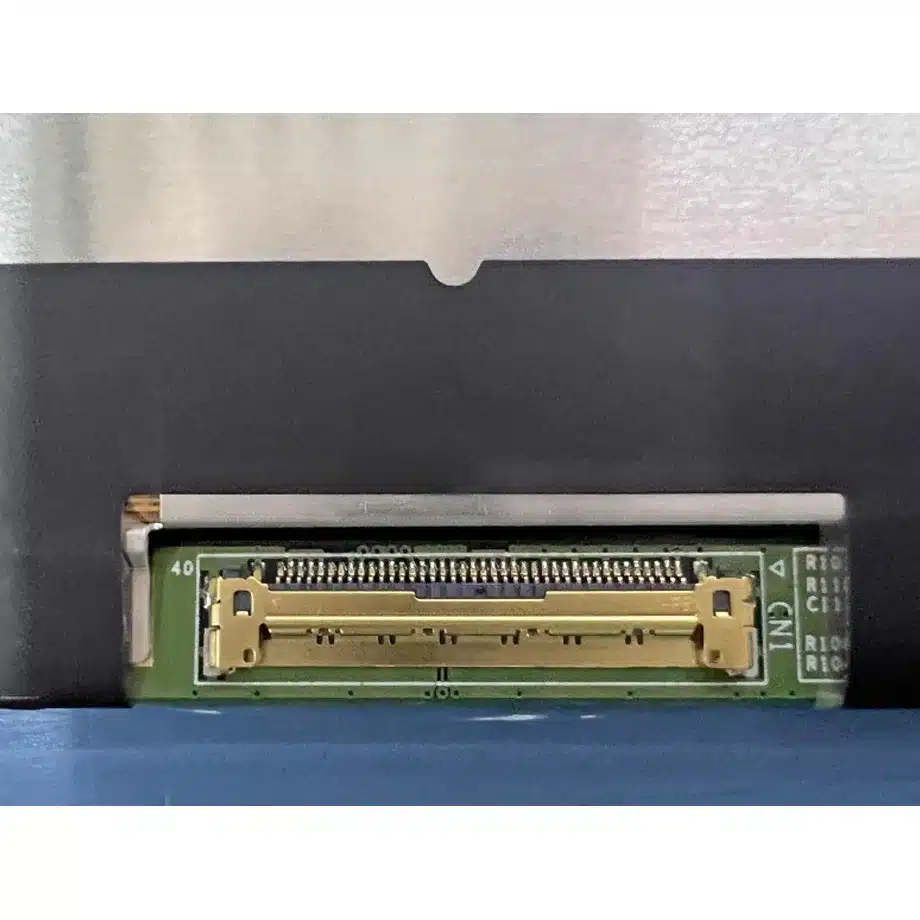
The panel uses four lanes at HBR1 on a 40-pin connector. Verify exact pin assignment, AUX signals, connector orientation, 3.3 V power sequencing and backlight controls from BOE documentation. A 40-pin notebook cable can also be used by touch or higher-bandwidth panels, so connector count by itself is not a compatibility decision.
The native 2240×1400 timing should be tested through BIOS, operating-system startup, sleep/wake and display-mode transitions. A notebook replacement that boots at a fallback mode but cannot reliably reach the intended native timing should not be considered fully qualified.
How Should PSR2 and FreeSync Be Positioned?
Same-model feature data lists PSR2 and AMD FreeSync, while the base panel refresh remains 60 Hz. That means power-management and adaptive-timing capabilities should be evaluated separately from a high-refresh gaming claim. PSR2 can support reduced display-link activity in appropriate static conditions, and FreeSync-related behavior can help coordinate changing frame delivery, but the finished platform determines whether and how those features are used.
Measure actual battery power at controlled brightness and verify transitions between static work, scrolling, video and sleep/wake. Do not infer a variable-refresh range that is not documented for this exact model. A safe public description is that these features are listed and available for platform qualification.
Where Does NV140DRM-N67 Fit Best?
The documented primary application is laptop use. NV140DRM-N67 7H Anti-Scatter 2.2K Assembly fits compact 14-inch business notebooks, productivity systems and mainstream creator laptops that need a taller 16:10 canvas, 100% sRGB, strong contrast and a slim integrated assembly. Same-model implementation evidence in a compact notebook supports this positioning without guaranteeing compatibility with another chassis.
It is non-touch. The 0 to 50 °C operating range is a standard notebook component envelope, not an industrial wide-temperature classification. The 270 cd/m² luminance also means the module should remain outside high-brightness outdoor taxonomy even if a finished notebook can be used briefly in bright conditions.
How Should First-Article Approval Be Structured?
Record the full NV140DRM-N67 / BOE0D0A identity, production 40-pin cable, notebook BIOS and mechanical assembly revision. Bring the panel up at native 2240×1400 and verify stable 60 Hz operation, brightness control and sleep/wake before evaluating PSR2 or any FreeSync-related behavior.
Install the assembly in the final lid and inspect active-area alignment, front-surface condition, cable strain and PCBA clearance. Measure 270 cd/m² behavior, visible uniformity, contrast and color after warm-up. If the 100% sRGB requirement is important to the product, include representative-unit gamut checks in incoming-quality control rather than relying only on a supplier label.
How Should Incoming Assemblies Be Controlled?
Incoming inspection should treat the complete assembly as the controlled object. Verify the BOE0D0A label, front-surface condition, 307.9 × 212.45 × 3.22 mm envelope and 40-pin connector before it enters notebook production. Sample units should be checked for native 2240×1400 operation, 270 cd/m²-class luminance and visible uniformity after installation. Because the Anti-Scatter surface and assembly mechanics are distinguishing features, a supplier should not replace the product with a related NV140DRM LCM without a separate engineering review.
Procurement Checklist
- Confirm exact NV140DRM-N67 / BOE0D0A identity and current revision.
- Match the 307.9 × 212.45 × 3.22 mm assembly envelope and 320 g maximum mass.
- Validate 2240×1400 at 60 Hz through four-lane HBR1 eDP 1.4b.
- Verify the exact 40-pin map and 3.3 V power sequence.
- Use 270 cd/m², 1500:1 contrast and 100% sRGB as optical acceptance points.
- Evaluate the Anti-Scatter 7H front surface in the finished notebook.
- Qualify PSR2 / FreeSync-related behavior with the target firmware without inventing a VRR range.
- Confirm current lifecycle and revision-control information before volume sourcing.
NV140DRM-N67 7H Anti-Scatter 2.2K Assembly is a compact 2.2K notebook assembly with a distinctive 7H Anti-Scatter surface, strong standard-gamut optics and a four-lane eDP path. Exact assembly mechanics and disciplined system validation matter as much as the resolution when selecting it for production or service use.
Recommended: Same Size
(14")
Applications & Value of LCD Panel

- Fast sourcing with in-stock panels & cross-reference alternatives
- Stable supply chain with long-term availability
- Engineering-level support from panel to integration
- Custom solutions: cable, touch & optical bonding
- Strict quality control with IQC / OQC / aging test
- Full traceability system for quality assurance
- Complete technical documentation & drawings
- Compliance support: RoHS & certification files
