
~
~
~
~
~
~
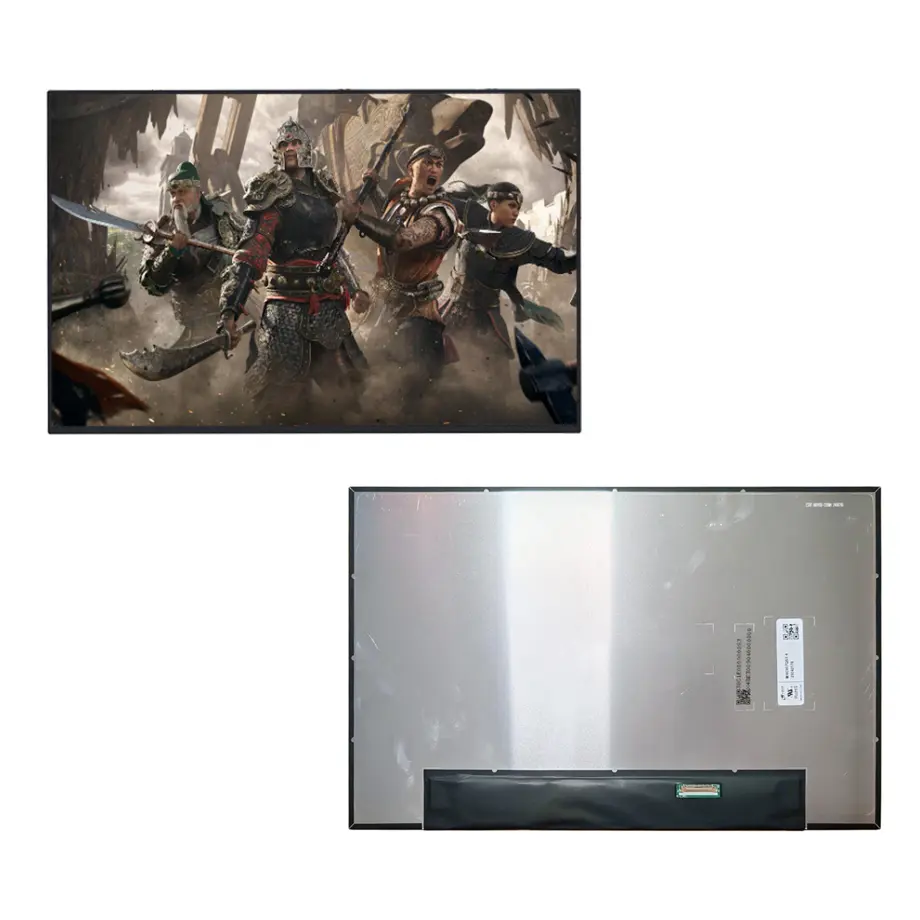
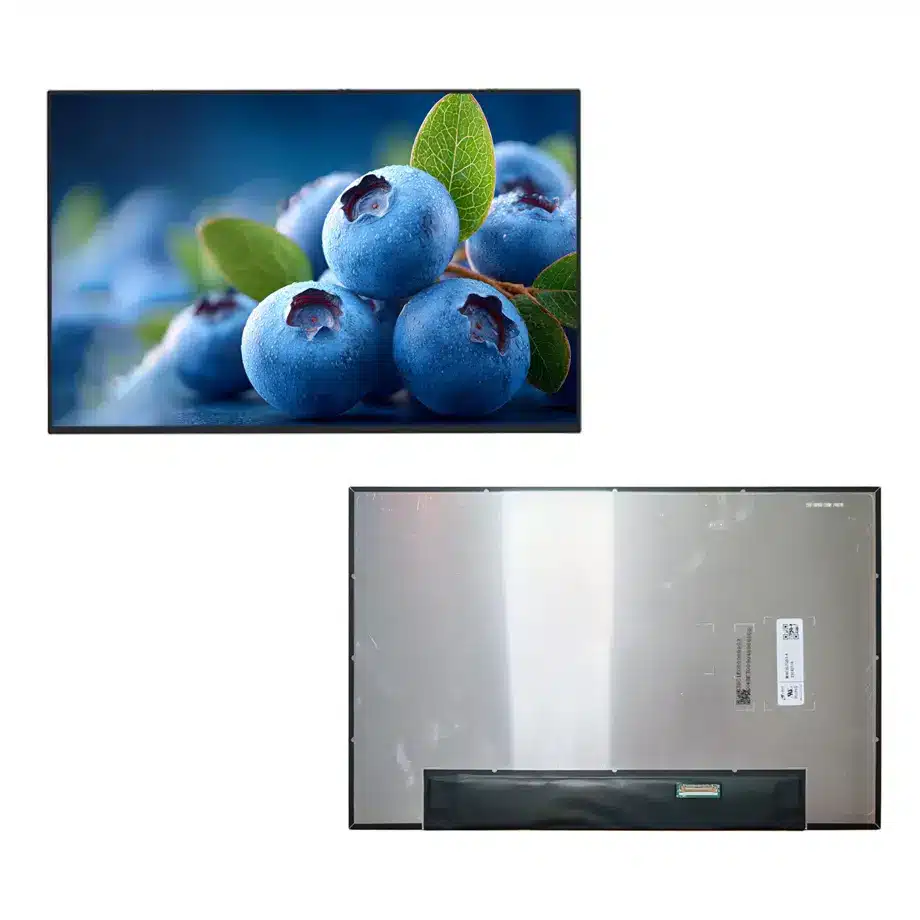
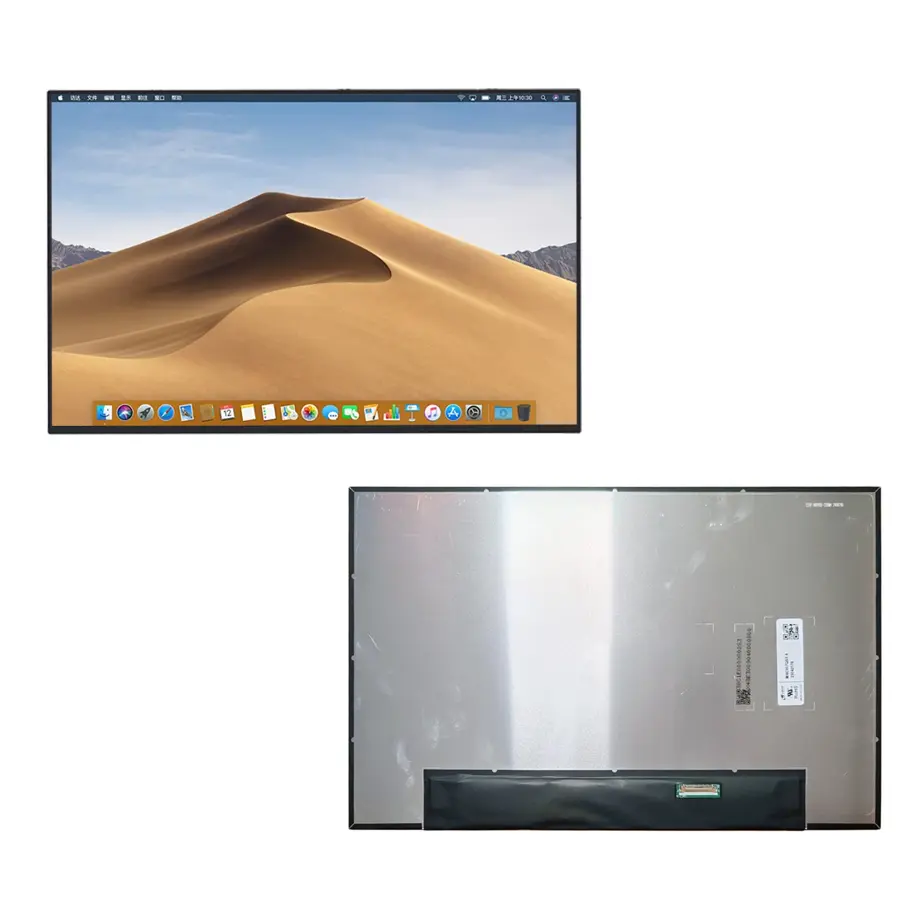
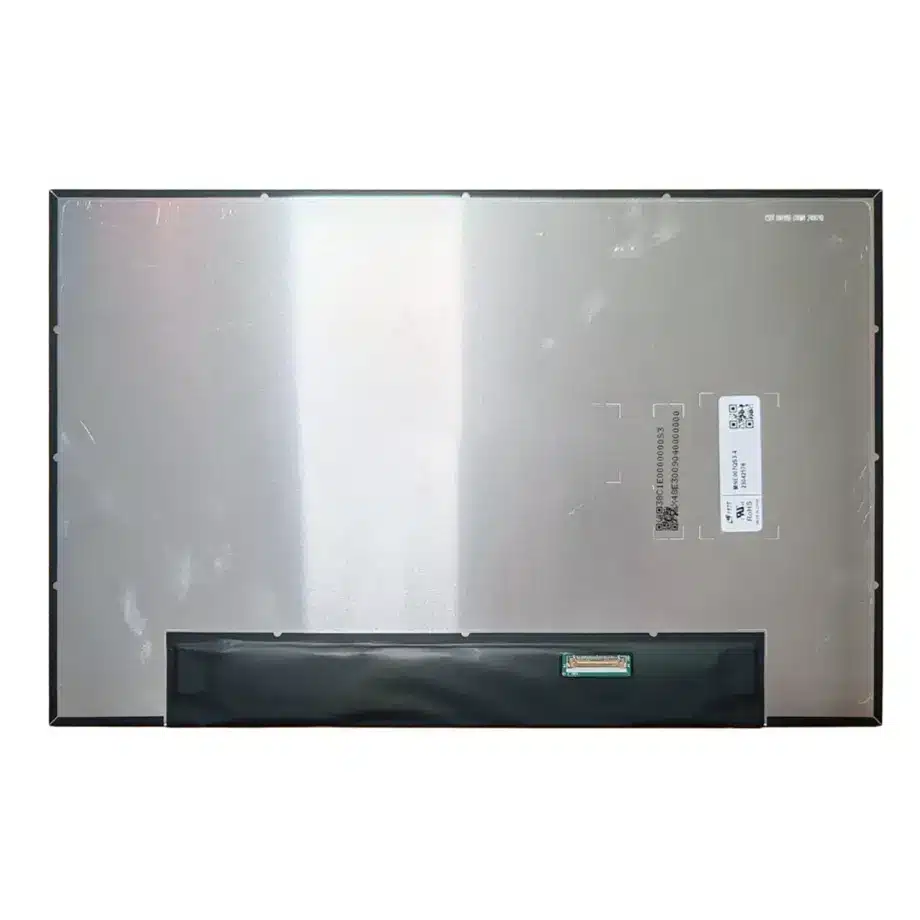
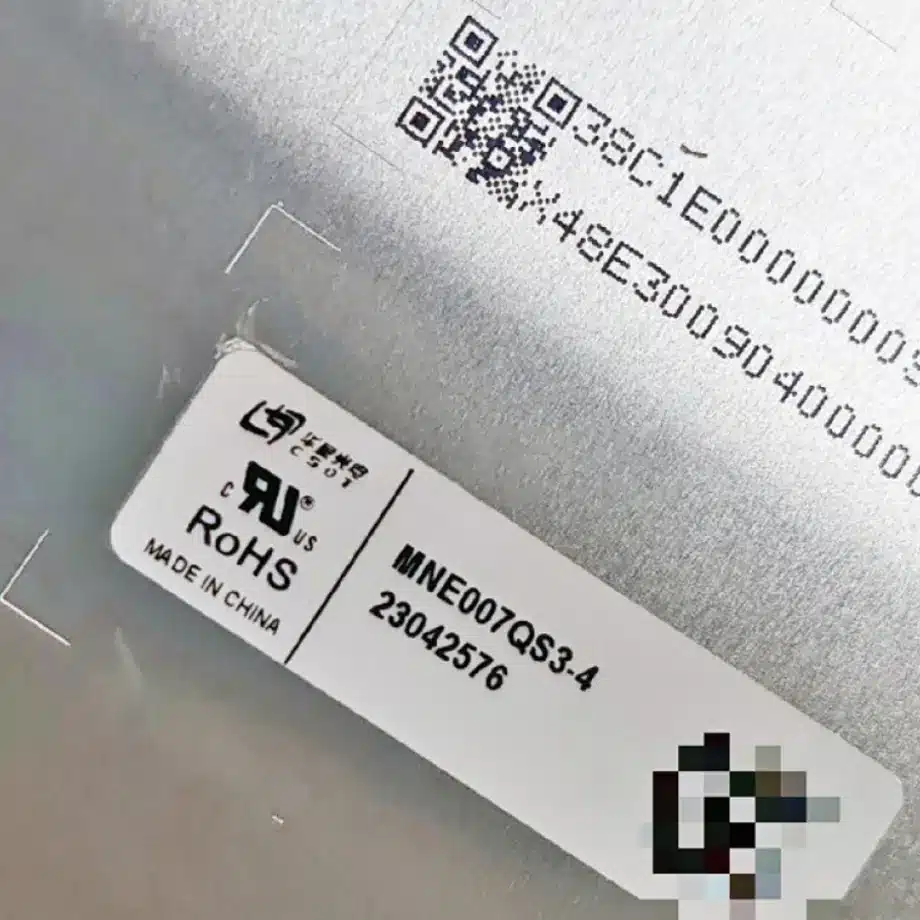
MNE007QS3-4 2-Lane WUXGA Bent-PCBA LCM CSOT
Model P/N
Size
Resolution
Brightness
Viewing Angle
Connector Type
Operating Temp
Overall(mm)
csot
MNE007QS3-4
Brand
Panel Size (inch)
Model P/N
Resolution
Brightness (nits)
Viewing Angle
Contrast Ratio
Response Time
Overall (mm)
Active Area (mm)
Refresh Rate
Display Colors
Panel Type
Connector Type
Operating Temp
Touchscreen Type
Storage Temp
Work Mode
Pixel Format
Designed For
Product Details
Product Overview
MNE007QS3-4 2-Lane WUXGA Bent-PCBA LCM is a 14.0-inch CSOT a-Si TFT-LCD notebook module with 1920(RGB)×1200 WUXGA resolution in a 16:10 aspect ratio. The user-supplied exact-model row confirms a 301.594 × 188.496 mm active area, RGB vertical-stripe pixels, 1200:1 typical contrast, 89/89/89/89 typical viewing at CR≥10 and 16.7M colors. The display mode is FFS, normally black and transmissive.
The module runs at 60 Hz and includes an integral WLED backlight with LED driver and a 15,000-hour source-life reference. It is non-touch. The panel-side interface is confirmed as two-lane eDP, while connector pin count, eDP revision, panel voltage, brightness, response time, weight, complete outline dimensions and surface treatment are not established in the current exact-model evidence. Those fields remain blank rather than being inferred from a related MNE007 variant.
The supplied source describes a slim bent-PCBA form with T≤3.5 mm for the relevant subassembly. The exact-model page supports laptop use, WLED, integrated driver and Reverse I/F context. TCL CSOT's official notebook-display page provides broader manufacturer context for notebook display solutions. Exact missing component values are intentionally not borrowed from MNE007QS3-5 or another family member.
Three Core Buyer Value Propositions
1. WUXGA 16:10 provides a practical productivity format
The 1920×1200 native image offers more vertical workspace than 1920×1080 while retaining moderate GPU bandwidth. That makes the panel relevant to office, education and general notebook productivity. The exact display size and active area give mechanical teams a clear visible-window target even though the complete module envelope still needs the production drawing.
2. FFS normally-black operation gives a defined wide-view optical architecture
The user-supplied facts establish FFS, normally black and transmissive operation with 1200:1 typical contrast and symmetric wide viewing. These parameters give system designers a reliable optical baseline without inventing brightness or gamut figures. For a sourcing program, preserving known facts and keeping unknown fields blank is safer than copying specifications from a similar CSOT notebook panel.
3. Two-lane eDP and integrated WLED driver simplify the notebook subsystem boundary
The module accepts a two-lane eDP signal and includes its WLED driver. That means the notebook mainboard controls the display link and brightness commands without a separate external LED-driver board. Pin assignment and supply voltage still need the exact electrical release, so the apparent simplicity should not be interpreted as universal notebook-panel compatibility.
Key Specifications at a Glance
| Parameter | Confirmed value |
|---|---|
| Manufacturer / model | CSOT MNE007QS3-4 |
| Display size | 14.0 inch |
| Panel type | a-Si TFT-LCD, LCM |
| Resolution | 1920(RGB)×1200, WUXGA, 16:10 |
| Active area | 301.594 × 188.496 mm |
| Contrast | 1200:1 typical |
| Viewing | 89/89/89/89 typical at CR≥10 |
| Display mode | FFS, Normally Black, Transmissive |
| Color | 16.7M |
| Refresh | 60 Hz |
| Interface | eDP, 2 lanes; pin count and revision unresolved |
| Backlight | WLED, 15K hours, integrated LED driver |
| Touch | Without touch screen |
| Operating / storage | 0 to 50 °C / -20 to 60 °C |
| Unresolved | Full outline, weight, luminance, response, surface, panel voltage |
Why Should Missing Fields Stay Blank?
The current model record does not establish several common notebook-panel specifications. MNE007QS3-4 2-Lane WUXGA Bent-PCBA LCM therefore keeps brightness, weight, complete outline, response time, surface treatment and panel voltage unresolved. A family member can look nearly identical while using a different optical class, connector or mechanical package, so cross-model completion would create false precision.
For a new design, request the exact CSOT electrical, mechanical and optical specification before tooling. For service replacement, compare the original panel and production cable directly. A measured old panel can support fit checks but should not silently become a manufacturer specification for new supply.
Do not use the -5 family value to fill -4
Public seller pages often place MNE007QS3-4 and MNE007QS3-5 next to each other, and the -5 version may list brightness, connector pins or other data. Those values belong to a different model. This record preserves identity isolation and uses only exact -4 evidence.
What Must Be Verified on the Two-Lane eDP Connection?
Two lanes are confirmed, but the connector pin count and eDP revision are not. Obtain the exact pin map before connecting the panel. Verify AUX signals, grounds, connector orientation, power rails, enable sequence and any backlight-control lines. A standard-looking 30-pin notebook cable should not be assumed compatible without documentation.
Bring up native 1920×1200 at 60 Hz with the production mainboard. Test BIOS output, operating-system initialization, restart and sleep/wake. If the notebook uses panel-specific EDID or power tables, keep the approved firmware with the qualification record.
How Should Bent-PCBA Mechanics Be Qualified?
The source describes a slim bent-PCBA subassembly with T≤3.5 mm but does not provide a complete module outline. Mechanical engineers therefore need the exact drawing for rear-board location, connector access, cable fold and overall width/height/depth. The active area only defines the visible image region and cannot substitute for the enclosure envelope.
During first fit, cycle the lid through its full hinge range and inspect cable strain. Check for pressure-related mura after final bezel installation. If a supplier sends a panel that is visually similar but has a different PCBA bend or connector position, treat it as a separate mechanical qualification.
How Should 1200:1 Contrast and Wide Viewing Be Used?
The user-supplied optical facts provide a useful baseline even without a luminance value. The 1200:1 contrast and symmetric 89-degree viewing angles support notebook use across common seated positions. Final perceived contrast still depends on the unknown surface treatment, backlight operating point and ambient reflection.
Once exact brightness and surface data become available, those values can be added without changing the established facts. Until then, the product page should avoid classifying the model as high-brightness, wide-gamut, sunlight-readable or matte beyond what the exact source actually supports.
Where Does MNE007QS3-4 Fit Best?
The supplied application is Laptop. MNE007QS3-4 2-Lane WUXGA Bent-PCBA LCM fits 14-inch WUXGA notebook projects and service programs that need a 16:10 FFS panel with two-lane eDP and integrated WLED driver. It is particularly suitable for evaluation in productivity and education notebooks where native resolution and mechanical fit are more important than unverified premium optical claims.
The panel is non-touch and has normal notebook temperature limits. It should remain in the `TFT LCD Displays` inventory taxonomy rather than being assigned to touch, industrial or high-brightness categories from assumptions.
What Does Reverse I/F Context Mean?
The same-model reference lists Reverse I/F as a general feature. This indicates connector/interface orientation context useful to mechanical and cable design, but it is not enough to derive a complete pinout or connector position. Use the exact drawing before final cable design.
In service applications, compare the original panel's connector side and cable path. A panel with the same electrical family but opposite interface orientation can be difficult or impossible to install safely in a thin lid.
How Should First-Article Approval Be Structured?
Record the full MNE007QS3-4 label, production notebook cable, mainboard and firmware. Verify native WUXGA at 60 Hz and check restart, display-off and sleep/wake. Do not sign off connector compatibility until the exact electrical map and supply voltage are confirmed.
Install the panel in the final lid and verify visible-area alignment, cable routing and bent-PCBA clearance. Once exact optical specifications are available, add luminance and response acceptance tests. The first article should document both confirmed values and unresolved dependencies so procurement knows which checks cannot be skipped.
How Should Incoming Lots Be Controlled?
Incoming inspection should verify the exact `MNE007QS3-4` label rather than a related suffix. Check active-area position, connector orientation and bent-PCBA form against the approved sample. Sample units should be run at native WUXGA using the production cable and firmware.
Current public production and stock data is time-sensitive. Confirm revision and lifecycle information with CSOT or an authorized source for volume programs. If later exact documentation fills the missing brightness, weight, outline or voltage fields, update only those unresolved facts without altering established user-supplied values.
For long-lived service programs, the unresolved fields should be tracked as explicit document dependencies rather than forgotten blanks. A later exact CSOT datasheet can close brightness, voltage, connector-pin, response and outline fields without reinterpreting the already confirmed WUXGA, FFS, active-area or backlight facts. This makes the record maintainable and prevents future sourcing teams from treating absence of data as permission to substitute a family specification.
Procurement Checklist
- Confirm exact CSOT MNE007QS3-4 identity.
- Preserve 301.594 × 188.496 mm active area and 1920×1200 native timing.
- Verify the exact two-lane eDP connector and panel voltage before design release.
- Keep full outline, weight, brightness, response and surface fields blank until exact evidence exists.
- Use 1200:1 contrast and 89/89/89/89 viewing as the established optical baseline.
- Check bent-PCBA and Reverse I/F mechanics in the production lid.
- Do not copy specifications from MNE007QS3-5 or another family variant.
- Confirm lifecycle and revision-control information before volume sourcing.
MNE007QS3-4 2-Lane WUXGA Bent-PCBA LCM is a deliberately evidence-bounded 14-inch WUXGA notebook module record. Its production value lies in preserving the confirmed FFS, eDP, active-area and backlight facts while clearly blocking unsupported mechanical and optical assumptions until exact CSOT documentation becomes available.
Recommended: Same Size
(14")
Applications & Value of LCD Panel

- Fast sourcing with in-stock panels & cross-reference alternatives
- Stable supply chain with long-term availability
- Engineering-level support from panel to integration
- Custom solutions: cable, touch & optical bonding
- Strict quality control with IQC / OQC / aging test
- Full traceability system for quality assurance
- Complete technical documentation & drawings
- Compliance support: RoHS & certification files
