
~
~
~
~
~
~
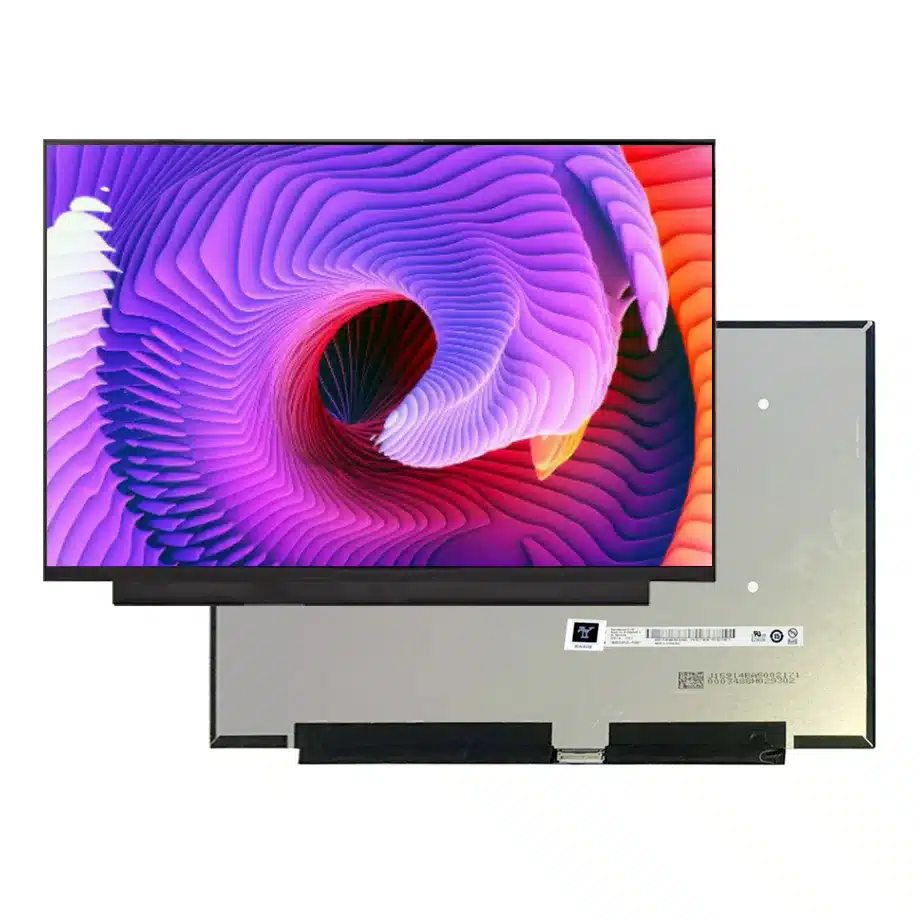
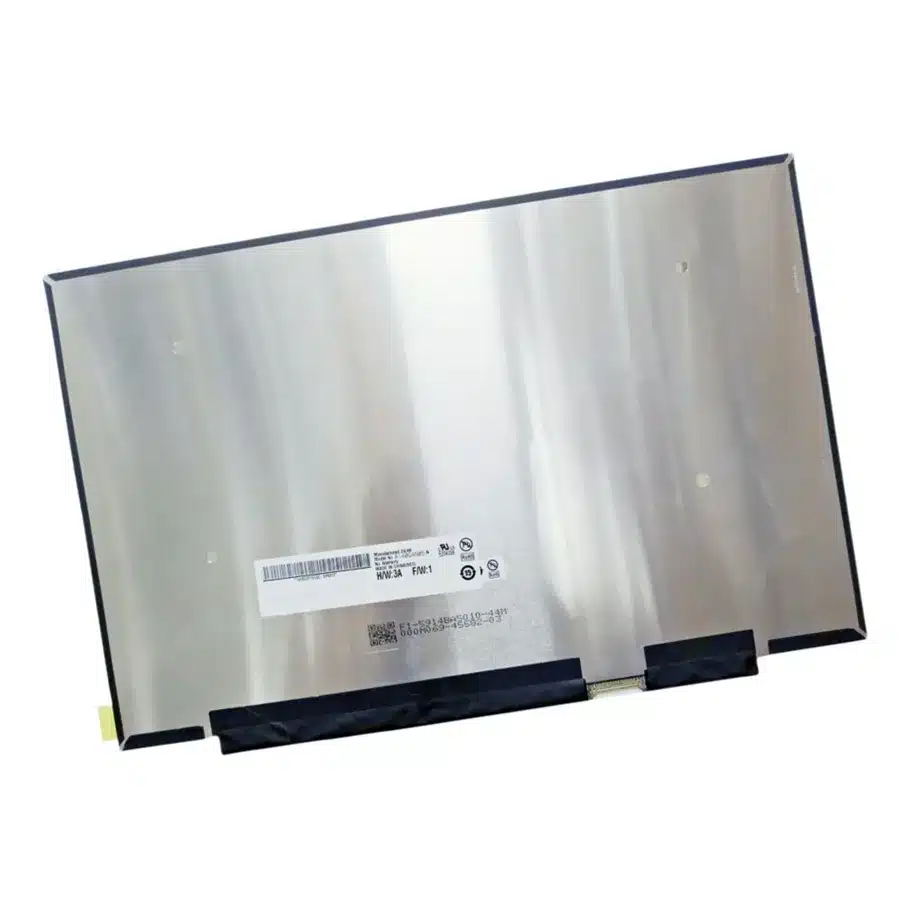
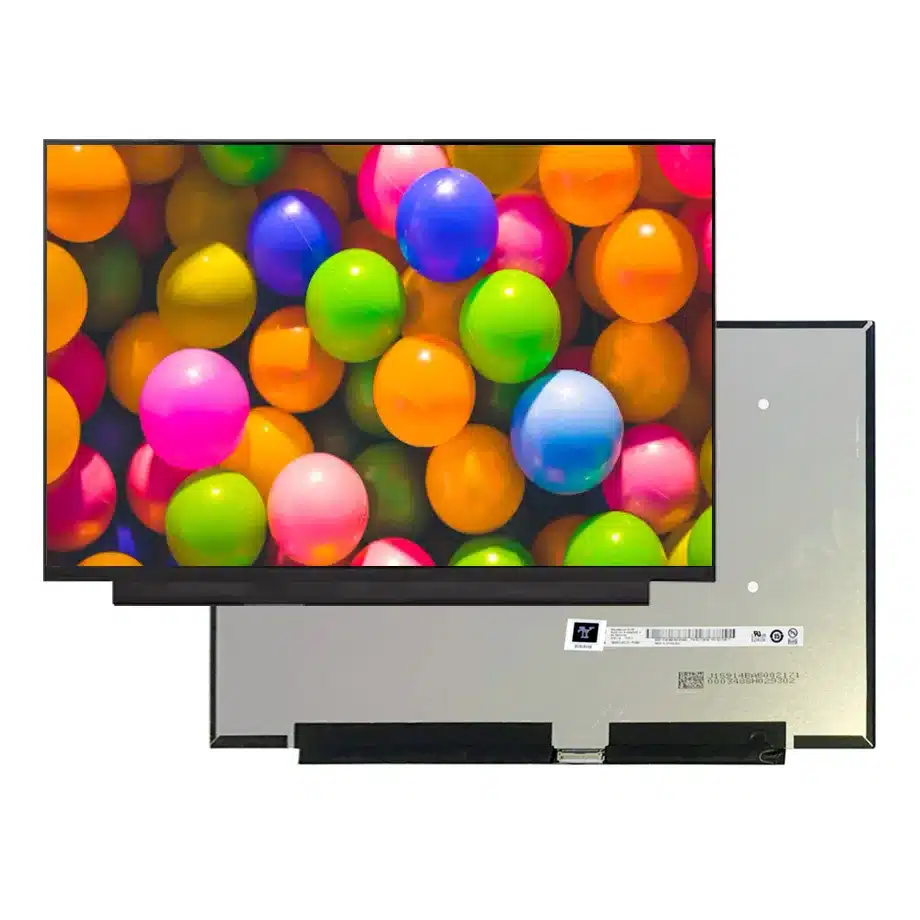
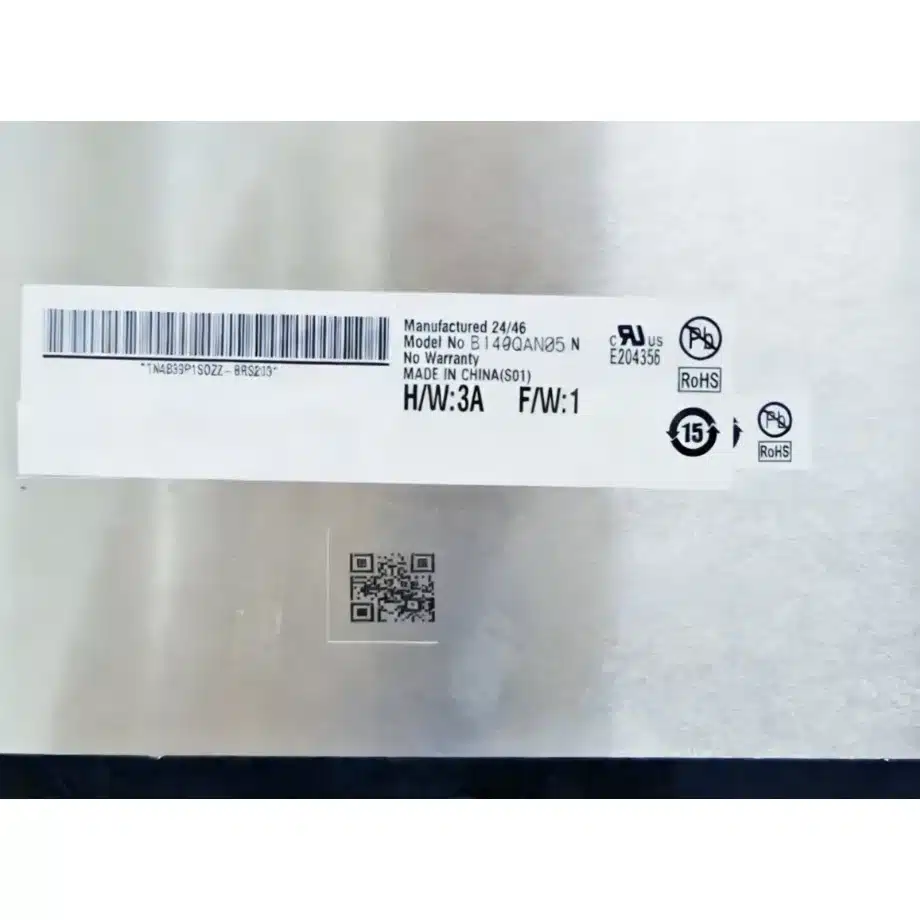
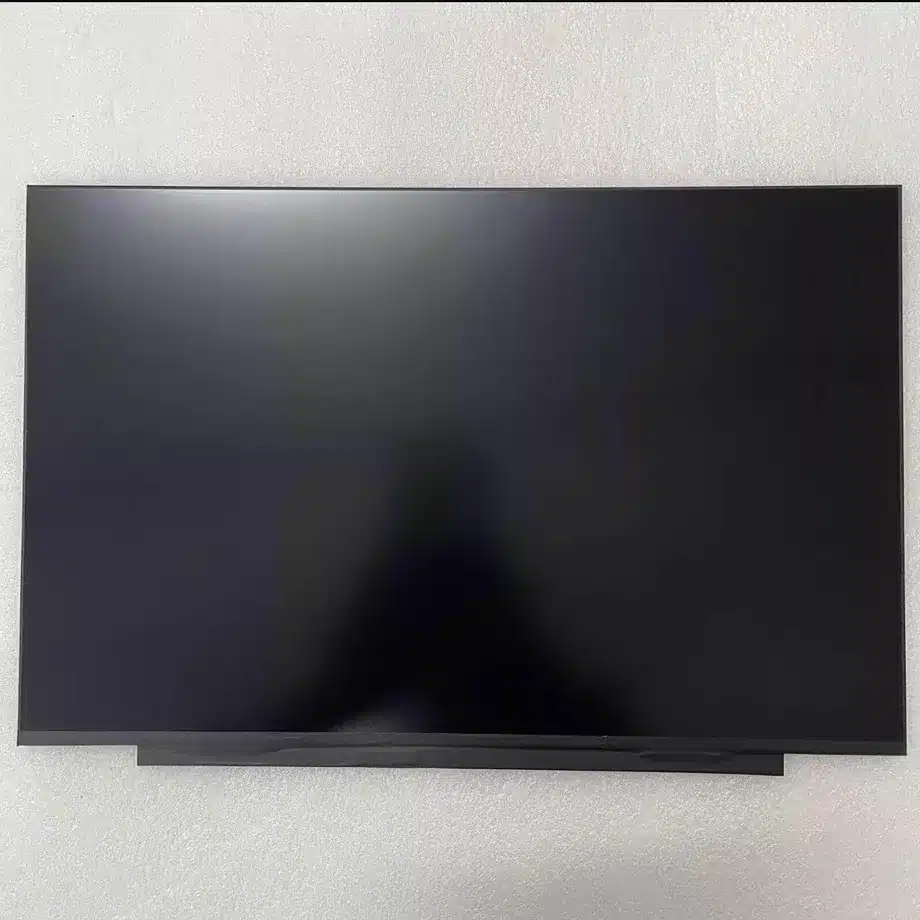
B140QAN05.N PSR-SU-RC FreeSync Antiglare LCM PSR2 14in AUO
Model P/N
Size
Resolution
Brightness
Viewing Angle
Connector Type
Operating Temp
Overall(mm)
auo
B140QAN05.N
Brand
Panel Size (inch)
Model P/N
Resolution
Brightness (nits)
Viewing Angle
Contrast Ratio
Response Time
Overall (mm)
Active Area (mm)
Refresh Rate
Display Colors
Panel Type
Connector Type
Surface Treatment
Operating Temp
Touchscreen Type
Storage Temp
Work Mode
Pixel Format
Input Voltage (V)
Vibration Resistance
Weight (g)
Designed For
Product Details
B140QAN05.N PSR-SU-RC FreeSync Antiglare LCM is a 14.0-inch AUO notebook LCM with 2240×1400 native resolution, a 16:10 aspect ratio, AHVA normally-black transmissive operation, and an antiglare hard-coated surface. The supplied feature set also references FreeSync, PSR-SU, PSR2, PSR-SU RC, low-blue-light wording, and eDP 1.4. For a replacement project, these labels are useful only when kept tied to the exact module: they are not proof that every host platform supports every related feature.
Mechanically, the module is specified at 306.55 × 204.45 × 2.4 mm with a 301.526 × 188.454 mm active area and a maximum mass of 220 g. Optical data includes 300 cd/m² typical luminance, 1200:1 typical contrast, symmetric 85-degree viewing-angle figures, and 16.7M color with 99% sRGB wording. These facts form a strong comparison sheet, but an engineer still needs connector position, detailed mounting geometry, pin assignment, and validated system timing before treating it as interchangeable.
Replacement decisions start with feature preservation, not diagonal size
A 14-inch label can hide substantial differences. Resolution, 16:10 geometry, thickness, connector pitch, eDP revision, pin mapping, surface, backlight-control behavior, and firmware expectations all affect whether a replacement works correctly. For B140QAN05.N, the supplied interface is four-lane eDP 1.4 through a 40-pin 0.4 mm connector. A panel with 40 pins but a different mapping or touch configuration can still be unsuitable.
The 3.3 V typical panel supply is another screening point. It should be validated together with backlight-driver control and power sequence rather than treated as a complete power specification. The module includes a WLED backlight and LED driver according to the supplied information. Dimming behavior, enable logic, PWM details, current limits, and sequence should come from the exact documentation rather than from a family assumption.
Three buyer value propositions
16:10 mechanics are specified precisely enough for an early CAD check
The 306.55 mm width, 204.45 mm height, and 2.4 mm depth give a purchasing or engineering team concrete dimensions for first-pass enclosure screening. That can catch obvious fit problems before a sample is ordered. The qualification boundary remains the drawing: connector exit, fixing method, edge clearances, cable fold, and bezel pressure points still need model-specific verification.
Antiglare optics support a different use profile from a glossy replacement
The surface is identified as antiglare with 3H hard coating, and the panel carries 300 cd/m² typical luminance. For notebook selection, that combination can reduce reflection sensitivity compared with a glossy surface in typical indoor use. It is not evidence of sunlight readability. Ambient-light performance should be judged in the final cover/enclosure stack under the project's actual lighting conditions.
Power-saving and adaptive-display feature labels can guide host review
PSR-SU, PSR2, PSR-SU RC, and FreeSync appear in the supplied exact-model feature description. They give platform engineers specific items to investigate during qualification instead of assuming a generic eDP feature set. Whether a particular host enables those functions depends on GPU, firmware, driver, timing, and panel support details; the presence of feature wording is not a guarantee of finished-system behavior.
Key Specifications at a Glance
| Specification | Approved value |
|---|---|
| Manufacturer / Model | AUO B140QAN05.N |
| Display type | a-Si TFT-LCD, LCM |
| Diagonal size | 14.0 inch |
| Native resolution | 2240(RGB)×1400, 16:10 |
| Active area | 301.526×188.454 mm (H×V) |
| Outline | 306.55×204.45×2.4 mm (H×V×D) |
| Brightness | 300 cd/m² (Typ.) |
| Contrast ratio | 1200:1 (Typ.) |
| Viewing angle | 85/85/85/85 (Typ.)(CR≥10) |
| Response time | 25 ms (Typ.)(Tr+Td) |
| Color | 16.7M, 99% sRGB, Low Blue Light |
| Refresh rate | 60 Hz |
| Native interface | eDP (4 Lanes), eDP1.4, 40-pin 0.4 mm connector |
| Panel supply | 3.3 V (Typ.) |
| Operating temperature | 0 ~ 50 °C |
| Storage temperature | -20 ~ 60 °C |
| Touch | Without touch screen |
How should the B140QAN05.N PSR-SU-RC FreeSync Antiglare LCM be matched to an eDP host?
Use a three-layer comparison: physical connector, electrical link, and timing behavior. First, verify the 40-pin 0.4 mm connector location and exact pinout. Second, confirm the four-lane eDP 1.4 signal path, supply rails, AUX channel, backlight control, and power sequence. Third, confirm native 2240×1400 timing at the intended 60 Hz mode. A host-side HDMI connector or controller-board input does not change the native panel interface, so conversion hardware must be documented separately if used.
VESA's VESA eDP 1.4b overview describes eDP's role in mobile personal computing and the protocol refinement work around eDP 1.4. It is appropriate standards context for interface planning. The exact B140QAN05.N specification remains necessary for pin-level and timing-level implementation.
AUO's AUO notebook display portfolio shows the manufacturer's notebook-display technology direction, including notebook form factors and touch/options at the portfolio level. This page uses it only to support the broader notebook context; no portfolio feature is automatically assigned to B140QAN05.N unless it is also present in the approved model facts.
What do the AHVA and color specifications tell a buyer?
B140QAN05.N PSR-SU-RC FreeSync Antiglare LCM uses AHVA, normally-black, transmissive operation with 85/85/85/85 viewing-angle figures at CR≥10. That is useful for a notebook where off-axis viewing matters. The 16.7M and 99% sRGB wording provides a color-gamut reference, while low-blue-light wording is also present in the supplied evidence. None of those statements establishes calibrated color accuracy, a specific eye-care certification, or a guaranteed viewing result after integration.
The 1200:1 typical contrast and 25 ms typical Tr+Td response belong to the panel measurement context. A final system can differ because of drive mode, overdrive settings, optics, firmware, and test method. Procurement comparisons should therefore preserve the measurement labels rather than simplifying the figures into “fast” or “high contrast” marketing claims.
When is B140QAN05.N PSR-SU-RC FreeSync Antiglare LCM a sensible notebook replacement?
Use it when the original equipment calls for the exact model or when an engineering team can qualify it against the host. The supplied data supports laptop use; same-model public information remains within that notebook application. Nothing in the approved evidence establishes medical, automotive, military, rugged, or outdoor-high-brightness qualification, and the 0 to 50 °C operating range should not be upgraded into an industrial-grade claim.
The product description also reports a 1.5G maximum vibration level and a 15K-hour WLED life wording. Those values may be useful in a component comparison, but they should be retained with their source qualifiers and test basis. They are not an invitation to claim a rugged certification or a guaranteed service life in a finished notebook.
If an alternate is being considered, compare it against B140QAN05.N across resolution, active area, outline, connector pitch, pin mapping, eDP mode, voltage, brightness, surface, viewing mode, backlight behavior, temperature limits, and any host-dependent PSR/FreeSync requirements. Resolve every material difference before approval rather than relying on a supplier's generic “compatible” label.
A practical qualification sequence
- Lock the exact AUO model identity and obtain current specification/drawing evidence.
- Measure the target lid or service assembly and compare the 306.55 × 204.45 × 2.4 mm outline.
- Match the 40-pin 0.4 mm connector, four-lane eDP 1.4 signal path, 3.3 V supply, and cable orientation.
- Drive 2240×1400 at the required 60 Hz timing and verify stable link training and image behavior.
- Test antiglare reflection, 300 cd/m² typical luminance target, color, viewing angle, and response in the finished optical stack.
- Review PSR-SU/PSR2/FreeSync behavior only where the host and firmware actually support it.
- Confirm sample acceptance before volume procurement or field replacement release.
Procurement Checklist
Provide the original panel model, notebook platform, cable or harness part number, mechanical envelope, required optical targets, sample quantity, annual demand, and target production schedule. Request current commercial information separately for stock, MOQ, lead time, and change status. Do not convert a marketplace quantity into a supply-lifetime promise, and do not infer a second source merely because another panel shares the same diagonal or resolution.
For ongoing service programs, keep an approved interchange matrix and record exactly which variations were tested. If the project depends on low-blue-light behavior, PSR modes, FreeSync, or a particular backlight-control implementation, include those items in the acceptance test rather than letting them disappear behind a generic “14-inch eDP panel” purchase description.
Preserve the approved host-feature matrix
Because B140QAN05.N carries several host-dependent feature labels, maintain a simple matrix that records which PSR and adaptive-refresh functions were actually exercised on the approved platform. Include graphics hardware, firmware/BIOS revision, operating system and driver build, cable revision, display timing, and observed pass/fail behavior. This prevents procurement from converting a source feature list into an unconditional promise for every notebook. If a board or panel revision changes, rerun the affected checks before releasing the combination. The same matrix is useful during service because it distinguishes a basic image-compatible substitute from one that preserves the power-saving and motion behavior expected by the original system design.
Quick engineering answers
AUO B140QAN05.N is a 14.0-inch 2240×1400 AHVA a-Si TFT-LCD LCM with a 16:10 aspect ratio and an antiglare 3H surface.
The module uses four-lane eDP 1.4 through a 40-pin 0.4 mm connector, so pinout and host timing must match the exact model.
B140QAN05.N PSR-SU-RC FreeSync Antiglare LCM is specified at 300 cd/m² typical luminance and 0 to 50 °C operation; neither value proves sunlight-readable or industrial qualification.
The supplied feature wording includes FreeSync and PSR-related modes, but actual host support requires platform-level validation.
B140QAN05.N PSR-SU-RC FreeSync Antiglare LCM is best handled as a documented component qualification rather than a commodity screen swap. Mechanical fit, link behavior, power, optics, firmware-dependent features, and commercial continuity should each be closed with evidence before the product is approved for production or service use.
Recommended: Same Size
(14")
Applications & Value of LCD Panel

- Fast sourcing with in-stock panels & cross-reference alternatives
- Stable supply chain with long-term availability
- Engineering-level support from panel to integration
- Custom solutions: cable, touch & optical bonding
- Strict quality control with IQC / OQC / aging test
- Full traceability system for quality assurance
- Complete technical documentation & drawings
- Compliance support: RoHS & certification files
