
~
~
~
~
~
~
PG2701G03-1 QHD PCAP Industrial Touch LCM USB CSOT
Model P/N
Size
Resolution
Brightness
Viewing Angle
Connector Type
Operating Temp
Overall(mm)
csot
PG2701G03-1
Brand
Panel Size (inch)
Model P/N
Resolution
Brightness (nits)
Viewing Angle
Contrast Ratio
Response Time
Overall (mm)
Active Area (mm)
Refresh Rate
Display Colors
Panel Type
Connector Type
Operating Temp
Touchscreen Type
Storage Temp
Work Mode
Pixel Format
Input Voltage (V)
Touch Interface
Weight (g)
Designed For
Product Details
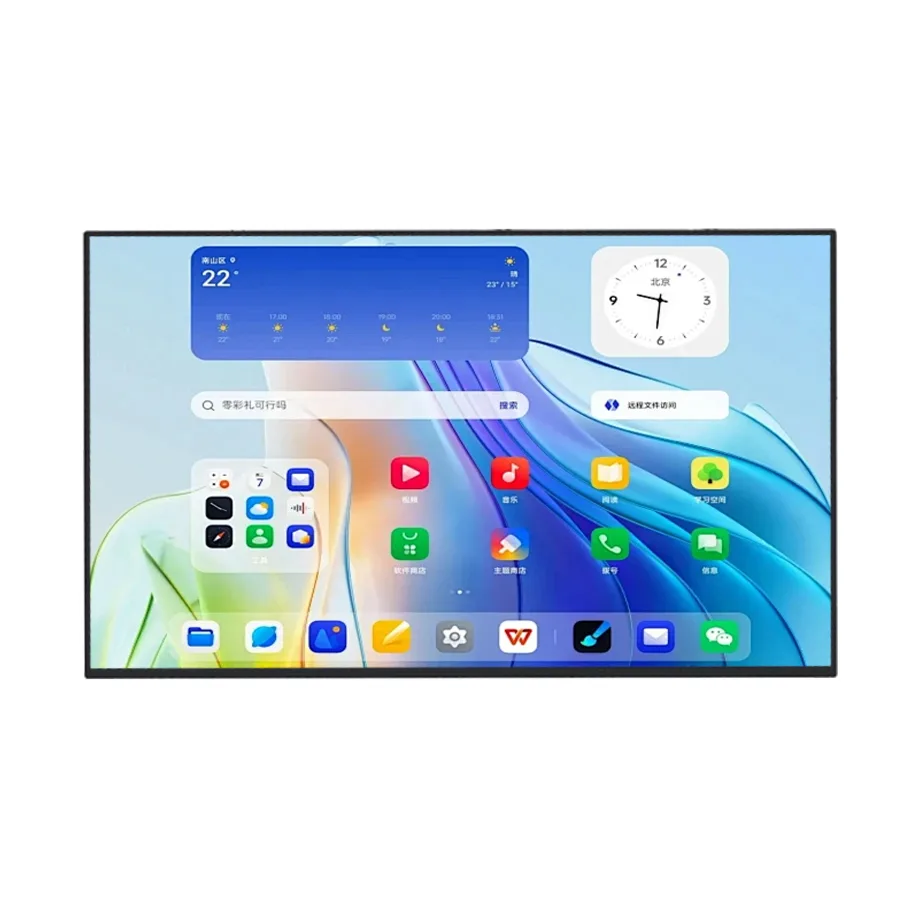
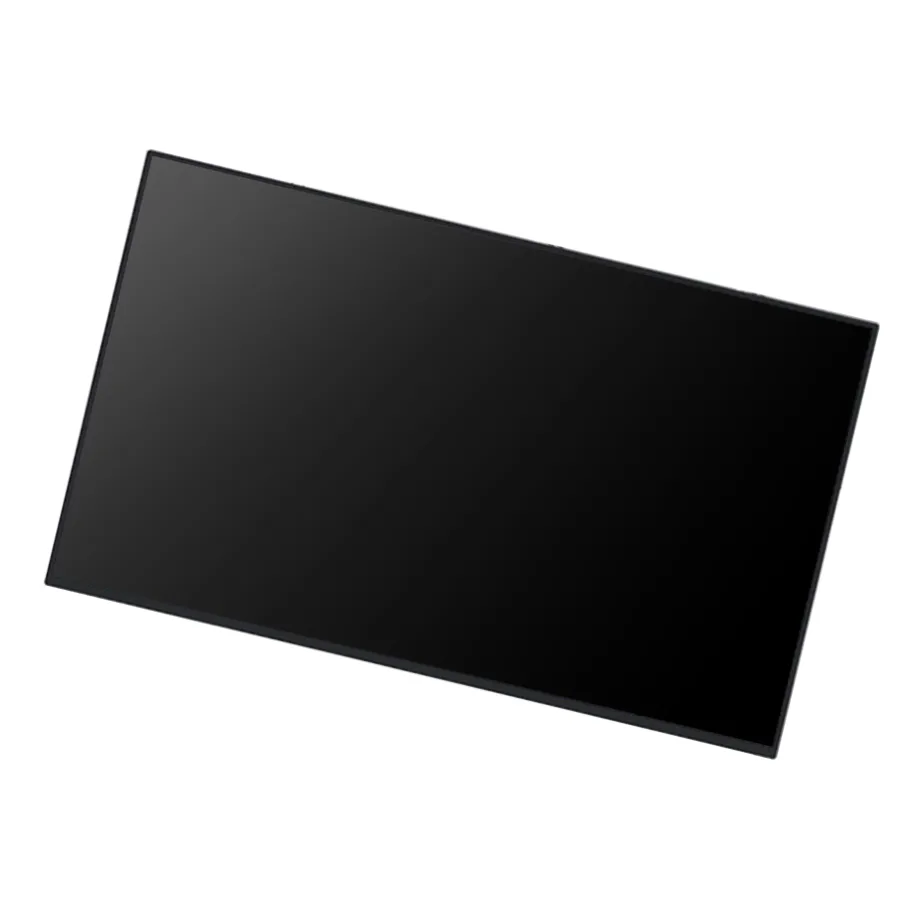
PG2701G03-1 QHD PCAP Industrial Touch LCM is the controlled component reference for engineering, procurement and system-integration review of this exact 27 inch CSOT configuration.
PG2701G03-1 is a 27 inch CSOT a-Si TFT-LCD, LCM with 2560(RGB)×1440, QHD, 16:9, 500 cd/m² (Typ.) and V-by-One (4 lanes), 51 pins 0.5 mm connector. The current-run packet establishes the electrical, optical, thermal and mechanical baseline. System-level behavior still has to be demonstrated on the intended host, cable, enclosure and firmware stack.
Three buyer value propositions
Integrated PCAP with USB host connection
The exact configuration includes PCAP touch with USB signaling. This gives system designers a clear touch-host boundary for industrial terminals while keeping operating-system drivers, controller firmware, grounding and user-interface behavior within the final equipment qualification.
Four-lane V-by-One transport for QHD control displays
The 2560×1440 panel uses four V-by-One lanes through a 51-pin connector rather than eDP or LVDS. That interface distinction is critical for controller-board selection and prevents false drop-in assumptions based only on QHD resolution.
500-nit 100% sRGB module for industrial and signage use
The current-run evidence combines 500 cd/m² typical luminance, 100% sRGB wording and explicit Industrial / Digital Signage applications. These are useful component facts without implying sunlight readability, calibrated color or a specific enclosure environmental rating.
PG2701G03-1 QHD PCAP Industrial Touch LCM should be qualified as one exact configuration; shared diagonal, resolution or connector family is not enough to establish drop-in equivalence.
Key Specifications at a Glance
| Brand | CSOT |
|---|---|
| Model P/N | PG2701G03-1 |
| Size | 27 inch |
| Resolution | 2560(RGB)×1440, QHD, 16:9 |
| Active Area | 596.736×335.664 mm (H×V) |
| Overall | 616.38×356.47×16.1 mm |
| Brightness | 500 cd/m² (Typ.) |
| Viewing Angle | 89/89/89/89 (Typ.)(CR≥10) |
| Display Colors | 1.07B, 100% sRGB |
| Weight | 2.35/2.45 kg (Typ./Max.) |
| Refresh Rate | 60 Hz |
| Connector / Native Interface | V-by-One (4 lanes), 51 pins 0.5 mm connector |
| Input Voltage | 12.0 V (Typ.) |
| Operating Temperature | 0 ~ 60 °C |
| Storage Temperature | -20 ~ 60 °C |
| Panel Type | a-Si TFT-LCD, LCM |
| Pixel Format | RGB Vertical Stripe |
| Contrast Ratio | 1000:1 (Typ.) |
| Response Time | 14 ms (Typ.)(G to G) |
| Work Mode | HFS, Normally Black, Transmissive |
| Backlight / Emission | 30,000 hours (12S10P WLED, no integrated driver) |
| Designed For | Industrial HMI, interactive terminal and digital-signage integration; QHD PCAP touch platforms |
| Touchscreen Type | PCAP |
| Touch Interface | USB |
V-by-One controller architecture
Treat the four-lane V-by-One interface as a defining system requirement. Verify transmitter compatibility, lane mapping, connector pinout, clocking and startup sequence on the production controller. A board designed for eDP or LVDS is not directly interchangeable simply because it supports 2560×1440 output.
USB touch bring-up
The PCAP path communicates over USB and should be validated separately from the image interface. Confirm enumeration, descriptor behavior, coordinate orientation, multi-touch support and recovery after host sleep or restart. If the product uses a locked-down operating system image, include the exact USB driver stack in the approval package.
Industrial enclosure integration
The supplied application evidence explicitly includes industrial use. Use the 616.38×356.47×16.1 mm envelope and actual mounting features when designing the chassis. Check connector access, cable strain, rear clearance and bezel pressure on the touch assembly before tooling release.
Touch accuracy after full assembly
PCAP performance can change after the module is installed near metal bezels, power supplies or protective structures. Run a full touch grid, edge test and multi-touch gesture set on the finished enclosure. Do not assume bench-top touch behavior will remain unchanged once grounding and mechanical pressure are different.
500-nit optical acceptance
The 500 cd/m² typical luminance is a useful industrial indoor and controlled-light baseline. It should not be described as sunlight-readable unless outdoor evidence exists for the exact model and configuration. Measure brightness and uniformity through the final front stack, especially if a protective cover or additional optical layer is introduced.
sRGB color path
The module carries 100% sRGB wording and 1.07B color support. For control rooms, visualization or signage, decide whether gamut coverage is sufficient or whether the finished system also needs white-point, gamma or calibration targets. Those system claims should be validated through the actual controller and software pipeline.
Backlight-driver responsibility
The 12S10P WLED system is supplied without an integrated driver. The equipment electronics therefore own LED current regulation, dimming, protection and startup behavior. Preserve the approved driver circuit with the display BOM; a controller-board substitution can change brightness or thermal behavior even if image timing remains correct.
Industrial temperature boundary
The panel is specified for operation from 0 to 60 °C and storage from -20 to 60 °C. Explicit industrial application supports the taxonomy, but these limits should still be verified against the real local panel temperature inside the enclosure. Do not turn them into an IP, rugged or outdoor certification claim.
QHD text and interface scaling
A 27-inch QHD canvas provides useful detail for HMI dashboards, diagnostic screens and interactive terminals. Validate font size, touch target dimensions and scaling at native resolution. Service menus and boot environments should also be checked so the system does not rely on a desktop scaling profile that is unavailable during recovery.
USB and display power sequencing
Display power and USB touch may recover on different schedules. Test cold boot, warm restart, host suspend/resume and abrupt power interruption while monitoring both image and touch enumeration. The final system should return to an operational state without requiring a manual USB reconnect or display power cycle.
Surface specification boundary
The current packet does not establish a specific antiglare or hard-coating treatment for this exact configuration, so no such surface claim should be invented. If the industrial design requires defined gloss, haze, chemical resistance or scratch performance, obtain exact-model documentation or qualify the final cover solution separately.
Interactive-terminal grounding
USB PCAP and high-speed V-by-One transport can both be sensitive to grounding and EMI. Test the production cable routing near DC/DC converters, fans or other switching loads. If false touches or image instability appear, capture the complete system condition so corrective work addresses the real coupling path rather than treating the two interfaces independently.
Incoming production checks
Incoming inspection should verify model identity, connector condition, touch operation and agreed cosmetic limits. Sample modules can be checked at native QHD timing with a basic touch-grid test. Preserve lot traceability and do not convert third-party marketplace stock listings into formal availability, MOQ, lifecycle or second-source claims.
Replacement screening
A proposed 27-inch QHD touch display must be compared on V-by-One transport, USB touch, connector geometry, 12 V supply, outline, backlight-driver requirement and industrial application constraints. A similar eDP touch monitor module is not a drop-in replacement without controller-board and cable redesign.
V-by-One lane-margin validation
At QHD resolution, verify each V-by-One lane with the real PCB trace geometry and connector path used in production. If the controller exposes error counters or training diagnostics, capture them during warm operation and after repeated starts. A future board spin that changes connector placement or routing length should trigger focused lane-margin regression instead of being accepted solely because the same four-lane interface name remains.
USB cable and hub topology
Interactive terminals sometimes place the touch controller behind an internal hub or extended USB harness. Validate the exact topology, cable length and power behavior used by the shipping unit. Check enumeration after cold boot, resume and repeated reconnects. If the design later adds another USB device on the same hub, rerun touch stability testing because bus-power and timing interactions can change even when the display module is untouched.
Touch-display cleaning and front-stack policy
The supplied packet does not define a special surface treatment, so the finished product should establish cleaning and front-cover requirements at the system level. If a cover glass, protective film or bonded overlay is added, verify optical clarity and PCAP sensitivity again. Do not attach unsupported chemical-resistance or hardness language to the panel itself when the evidence belongs to a separate front-stack component.
Industrial signaling and EMC coexistence
V-by-One and USB touch occupy different electrical domains but share the same enclosure, power supply and grounding network. Run conducted and radiated stress tests appropriate to the finished equipment while monitoring both image stability and touch input. An EMC issue can manifest as intermittent image loss, false touches or USB resets, so troubleshooting should preserve simultaneous logs from both interfaces rather than treating failures as unrelated.
Release dossier
Store the exact CSOT model, drawing, V-by-One controller settings, USB touch configuration, backlight-driver design, mechanical stack and functional test results. This dossier gives engineering, procurement and service teams one controlled definition of the approved industrial touch display configuration.
PG2701G03-1 QHD PCAP Industrial Touch LCM belongs in the released sourcing dossier together with the exact drawing, production interface hardware and test evidence used to approve the target system.
Engineering and sourcing review
Before release, provide the target host or controller, mechanical drawing, production cable, power design and acceptance criteria. Qualification should verify native timing, interface behavior, optical performance, touch behavior where applicable and mechanical fit for the exact PG2701G03-1 configuration.
PG2701G03-1 QHD PCAP Industrial Touch LCM should remain the reference term for this approved component package so future lots and substitutes can be evaluated against the same evidence.
Recommended: Same Size
(27")
Applications & Value of LCD Panel

- Fast sourcing with in-stock panels & cross-reference alternatives
- Stable supply chain with long-term availability
- Engineering-level support from panel to integration
- Custom solutions: cable, touch & optical bonding
- Strict quality control with IQC / OQC / aging test
- Full traceability system for quality assurance
- Complete technical documentation & drawings
- Compliance support: RoHS & certification files
