~
~
~
~
~
~
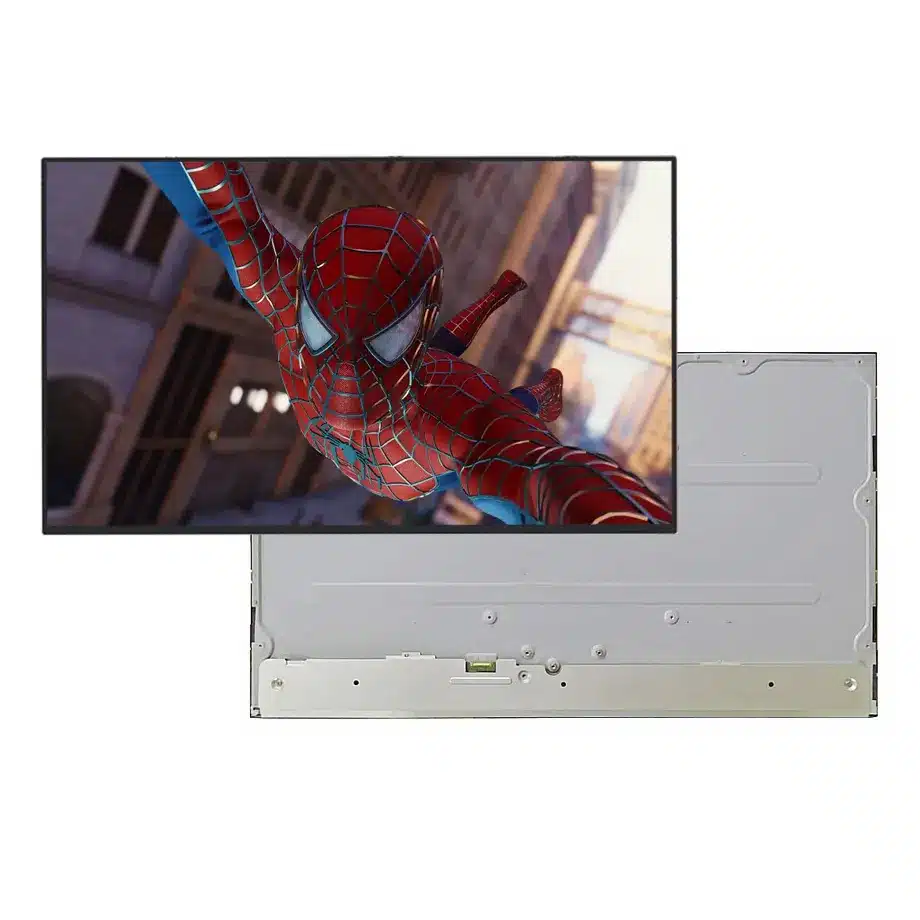
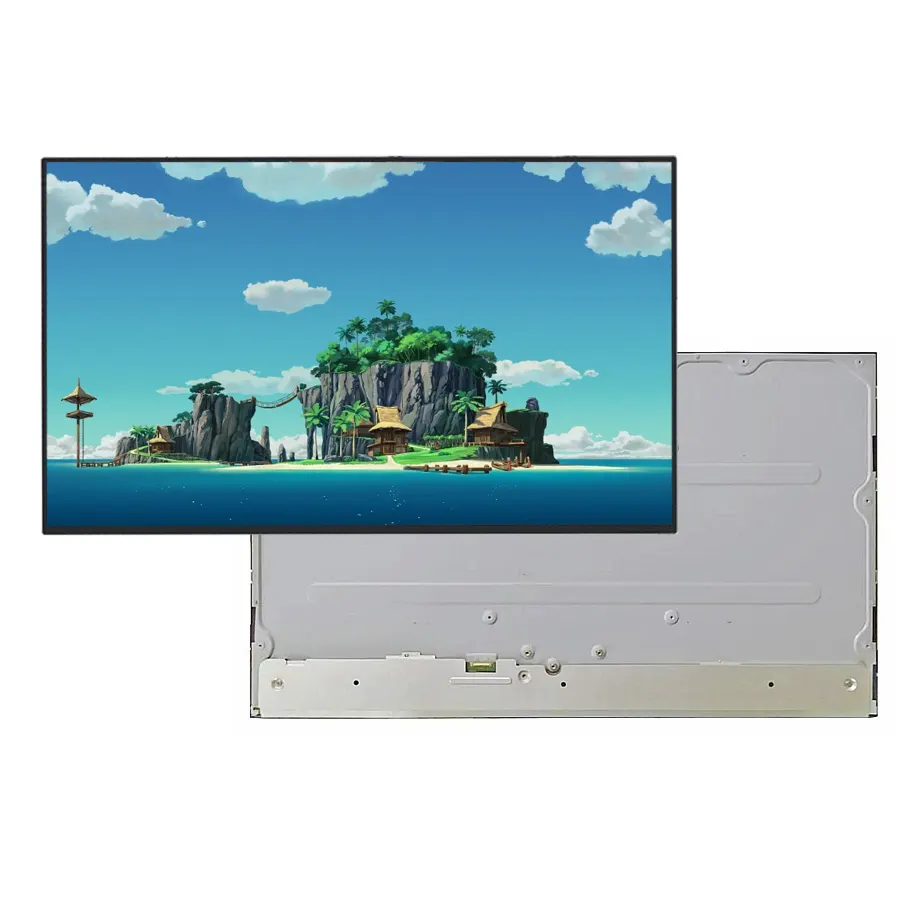
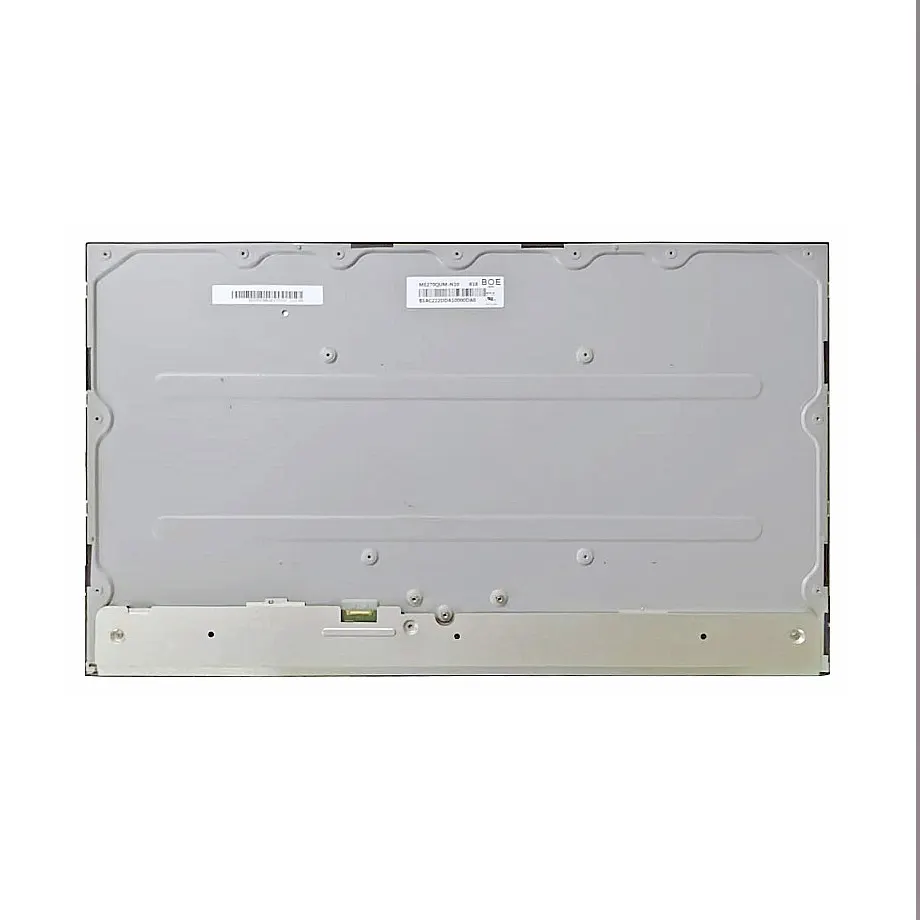
ME270QUM-N20 UHD Oxide Monitor LCM 27 Inch BOE
Model P/N
Size
Resolution
Brightness
Viewing Angle
Connector Type
Operating Temp
Overall(mm)
boe
ME270QUM-N20
Brand
Panel Size (inch)
Model P/N
Resolution
Brightness (nits)
Viewing Angle
Contrast Ratio
Response Time
Overall (mm)
Active Area (mm)
Refresh Rate
Display Colors
Panel Type
Connector Type
Surface Treatment
Operating Temp
Touchscreen Type
Storage Temp
Work Mode
Pixel Format
Input Voltage (V)
Weight (g)
Designed For
Product Details
ME270QUM-N20 UHD Oxide Monitor LCM is a 27-inch BOE Oxide TFT-LCD module built around a native 3840×2160 UHD image and a 16-lane V-by-One interface. The exact-model specification lists 500 cd/m² typical luminance, 1200:1 typical contrast, 89/89/89/89 viewing angles, 1.07 billion colors with 100% DCI-P3 coverage and a 60 Hz refresh rate. Its 596.16 × 335.34 mm active area is packaged in a 606.11 × 350.28 × 4.2 mm outline with a typical mass of 970 g. Desktop Monitor is the documented application, making this module a practical candidate for 4K monitor platforms that can support its native timing, power, backlight and mechanical requirements.
4K module architecture for desktop-monitor development
This product is an LCM rather than a bare CELL. It includes a WLED light source rated at 30K hours with LED driver, so the module already integrates the illumination architecture that a cell-only product would require the system builder to create. The monitor design still needs the scaler/controller, video inputs, power conversion, enclosure, thermal path and firmware. Treating the display as an LCM clarifies what is contained in the panel assembly and what remains the responsibility of the finished monitor.
The Oxide TFT backplane operates in ADS, Normally Black, Transmissive mode. A 25% haze antiglare surface with 3H hard coating supports desktop use under ambient lighting, while the 1.07B-color and 100% DCI-P3 specification provides a wide-gamut starting point. Final color accuracy, gamma, white point and HDR behavior are system properties and require calibration and measurement on the completed monitor.
Three Core Buyer Value Propositions
1. Native UHD resolution provides a defined 27-inch 4K integration target
The 3840×2160 native matrix gives controller and mechanical teams an unambiguous pixel format for a 27-inch desktop display. The 596.16 × 335.34 mm active area can be checked directly against bezel opening and industrial design requirements. A monitor controller must deliver the exact timing expected by the panel; simply supporting “4K” as a marketing feature does not establish V-by-One timing compatibility.
2. 500-nit wide-gamut optics support premium desktop-monitor concepts
The panel-level specification combines 500 cd/m² typical luminance, 100% DCI-P3 and 1.07 billion colors. That is useful for monitor programs prioritizing bright indoor operation and wide-gamut content. It does not create an automatic certification, calibrated color tolerance or sunlight-readable claim. The complete optical path, factory calibration and system drive conditions determine the final measured output.
3. Sixteen-lane V-by-One gives the controller team a concrete native link
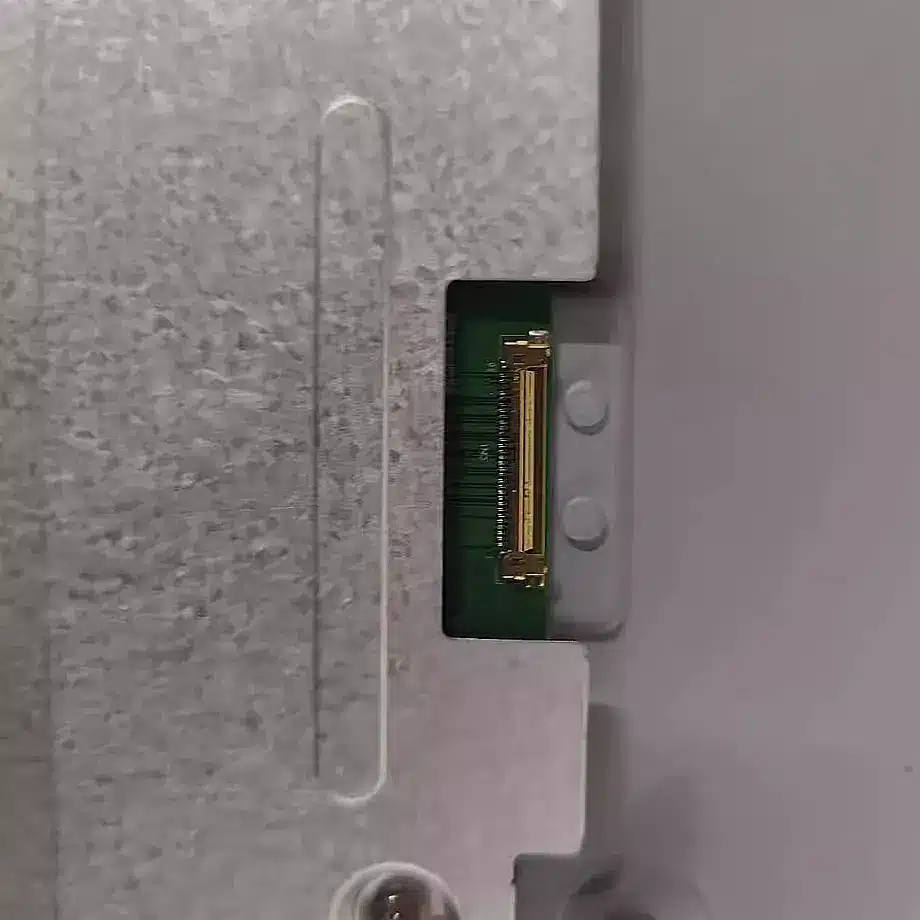
The panel uses V-by-One with 16 lanes through a 51-pin 0.5 mm connector. This is the panel's internal signal interface rather than a consumer connector such as HDMI or DisplayPort. A scaler board must convert external inputs to the exact V-by-One lane mapping, data rate and timing required by ME270QUM-N20. Cable design, connector orientation and power sequencing belong in the qualification plan.
Key Specifications at a Glance
| Specification | ME270QUM-N20 value |
|---|---|
| Display size | 27 inch |
| Panel type | Oxide TFT-LCD, LCM |
| Resolution | 3840×2160 UHD, 16:9 |
| Active area | 596.16 × 335.34 mm |
| Outline | 606.11 × 350.28 × 4.2 mm |
| Weight | 970 g typical |
| Brightness | 500 cd/m² typical |
| Contrast | 1200:1 typical |
| Viewing angle | 89/89/89/89 typical at CR≥10 |
| Response | 16 ms typical Tr+Td |
| Colors | 1.07B, 100% DCI-P3, Low Blue Light |
| Refresh rate | 60 Hz |
| Interface | V-by-One, 16 lanes, 51-pin 0.5 mm connector |
| Supply | 12 V typical |
| Backlight | WLED, 30K hours, with LED driver |
| Operating / storage | 0 to 50°C / -20 to 60°C |
Controller selection for a 16-lane V-by-One panel
ME270QUM-N20 UHD Oxide Monitor LCM should be qualified from the panel side outward. Start with the native timing, lane count and electrical requirements defined for the 51-pin connector, then select a scaler architecture that can generate that output while accepting the intended external interfaces. The controller's support for 3840×2160 is necessary but not sufficient; V-by-One lane mapping, clocking and initialization must match the exact panel.
Prototype testing should cover cold boot, repeated power cycles, sleep and wake, source changes and sustained 4K content. Signal-integrity checks are especially important where the panel cable passes near switching regulators or other noise sources. Keep the approved controller firmware and cable revision with the panel qualification record so later component changes can be evaluated against a known working baseline.
Power, backlight and thermal integration
The panel uses a typical 12 V supply and includes its LED driver. The current exact-model facts do not provide a complete inrush, current or sequencing table, so board release should rely on the current BOE electrical specification rather than treating the 12 V value as the whole power design. The monitor power architecture must also accommodate the scaler, input circuitry and other system loads.
A 500 cd/m² panel can generate meaningful thermal load during sustained bright content. Enclosure airflow, rear cover geometry, driver efficiency and ambient temperature all influence operating temperature. The module is specified for 0 to 50°C operation. That component range does not establish rugged or industrial qualification, and the local panel temperature should be measured in the assembled monitor under representative worst-case workloads.
Wide-gamut color qualification
One hundred percent DCI-P3 and 1.07 billion colors are strong component-level inputs for a premium desktop monitor. They do not guarantee that the monitor will ship with a particular calibration tolerance. The scaler's processing precision, tone curves, color-management firmware and factory calibration process can all affect output. If the program has formal color targets, define the measurement equipment, test pattern, white point, gamma and acceptance limits before pilot production.
The Low Blue Light descriptor in the source should likewise be preserved as a documented feature rather than expanded into an unsupported certification claim. Any finished-product compliance badge or health-related statement needs its own evidence at the system level. This distinction keeps the panel specification useful without turning feature language into a broader certification promise.
Mechanical and surface considerations
The 606.11 × 350.28 × 4.2 mm outline and 970 g typical mass give the enclosure team useful packaging anchors. The 596.16 × 335.34 mm active area determines the visible image window. During prototype assembly, verify bezel overlap, rear clearances, connector access, cable bend radius and pressure around the panel edge. Mechanical support should hold the module securely without twisting the display stack.
The 25% haze antiglare surface may be appropriate for office and studio environments, but glare perception depends on room lighting and display angle. Additional protective layers can change reflectance. Incoming inspection should preserve the surface condition and avoid contamination or protective-film residues that could affect optical checks.
Application fit: 27-inch desktop and professional monitor projects
Desktop Monitor is the documented application, and the combination of UHD resolution, 500-nit luminance and wide-gamut color makes the model relevant to premium desktop-monitor engineering. The evidence does not establish compatibility with a particular retail monitor model, workstation, medical system or broadcast product. Those use cases require their own electrical, mechanical and regulatory validation.
The module is specified without touch. If a project adds a touch sensor or cover lens, the added stack can influence reflections, color, thermal behavior and mechanical fit. The monitor designer should therefore requalify optics and enclosure tolerances rather than assuming the bare LCM values remain unchanged after front-stack modification.
Procurement and qualification checklist
Verify the ME270QUM-N20 label and revision on received samples. Confirm the 606.11 × 350.28 mm outline, 596.16 × 335.34 mm active area, 16-lane V-by-One connector, 12 V supply architecture and integrated WLED driver. Test native 3840×2160 output, 60 Hz stability, luminance, uniformity, color behavior and backlight control with the intended scaler and enclosure.
ME270QUM-N20 UHD Oxide Monitor LCM should be released for volume purchasing only after the controller, cable, power supply and mechanical stack have been validated together. Record the approved panel revision, scaler firmware and cable design in the BOM qualification package. Stock, lead time, lifecycle and change-notification status remain separate sourcing questions and should be confirmed when the order is placed.
Incoming-sample validation before design freeze
A useful qualification sequence separates panel identity, electrical operation and optical acceptance. First confirm the exact label, connector and mechanical dimensions against the approved drawing. Next bring the panel up at native timing and record startup, shutdown and mode-switch behavior with the target controller. Finally, measure brightness, uniformity, contrast and representative color performance after the assembly reaches thermal equilibrium. This staged approach helps isolate a signal-path issue from a backlight or optical issue.
For pilot builds, keep photos of the label and connector side with the approved sample record, and record the controller firmware used during acceptance. If purchasing later receives a different revision, cable or controller substitution, repeat the affected portions of the qualification rather than assuming the change is transparent. ME270QUM-N20 UHD Oxide Monitor LCM is most useful as a controlled engineering component whose exact revision, electrical path and optical result are kept traceable through the monitor program.
Engineering summary
ME270QUM-N20 is a 27-inch 4K Oxide TFT-LCD module with 500-nit typical luminance, 100% DCI-P3, 1.07B colors, 60 Hz refresh and a 16-lane V-by-One native interface. Its integrated WLED system with driver reduces backlight-development work compared with a bare cell, while the complete monitor still depends on correct controller timing, 12 V power design, calibration, thermal management and mechanical integration.
Recommended: Same Size
(27")
Applications & Value of LCD Panel

- Fast sourcing with in-stock panels & cross-reference alternatives
- Stable supply chain with long-term availability
- Engineering-level support from panel to integration
- Custom solutions: cable, touch & optical bonding
- Strict quality control with IQC / OQC / aging test
- Full traceability system for quality assurance
- Complete technical documentation & drawings
- Compliance support: RoHS & certification files