~
~
~
~
~
~
ME270QUB-N10 240Hz UHD Monitor Cell 27 Inch BOE
Model P/N
Size
Resolution
Brightness
Viewing Angle
Connector Type
Operating Temp
Overall(mm)
boe
ME270QUB-N10
Brand
Panel Size (inch)
Model P/N
Resolution
Viewing Angle
Contrast Ratio
Response Time
Overall (mm)
Active Area (mm)
Refresh Rate
Display Colors
Panel Type
Connector Type
Surface Treatment
Operating Temp
Touchscreen Type
Storage Temp
Work Mode
Pixel Format
Input Voltage (V)
Weight (g)
Designed For
Product Details
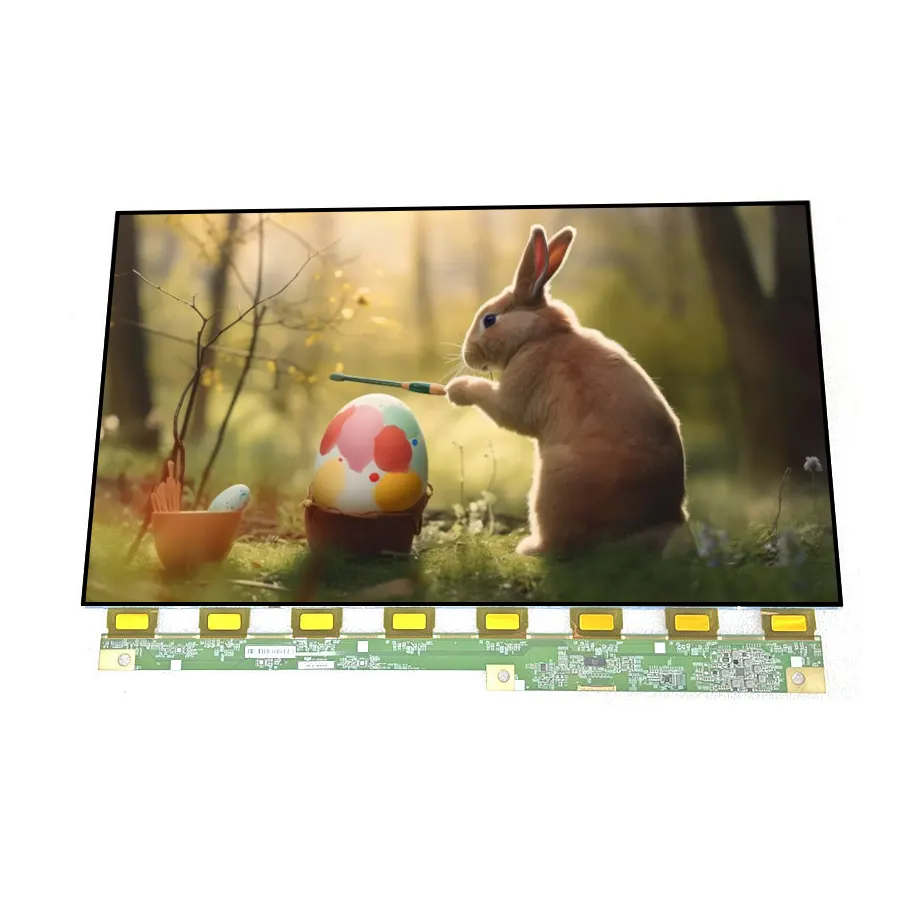
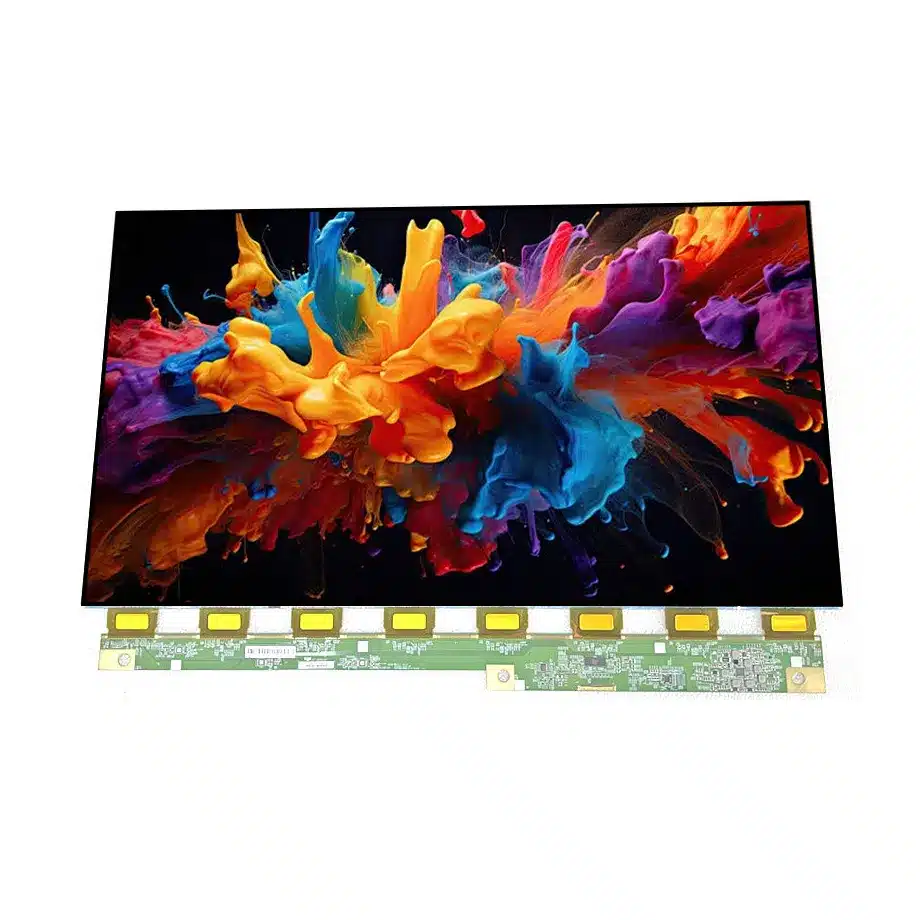
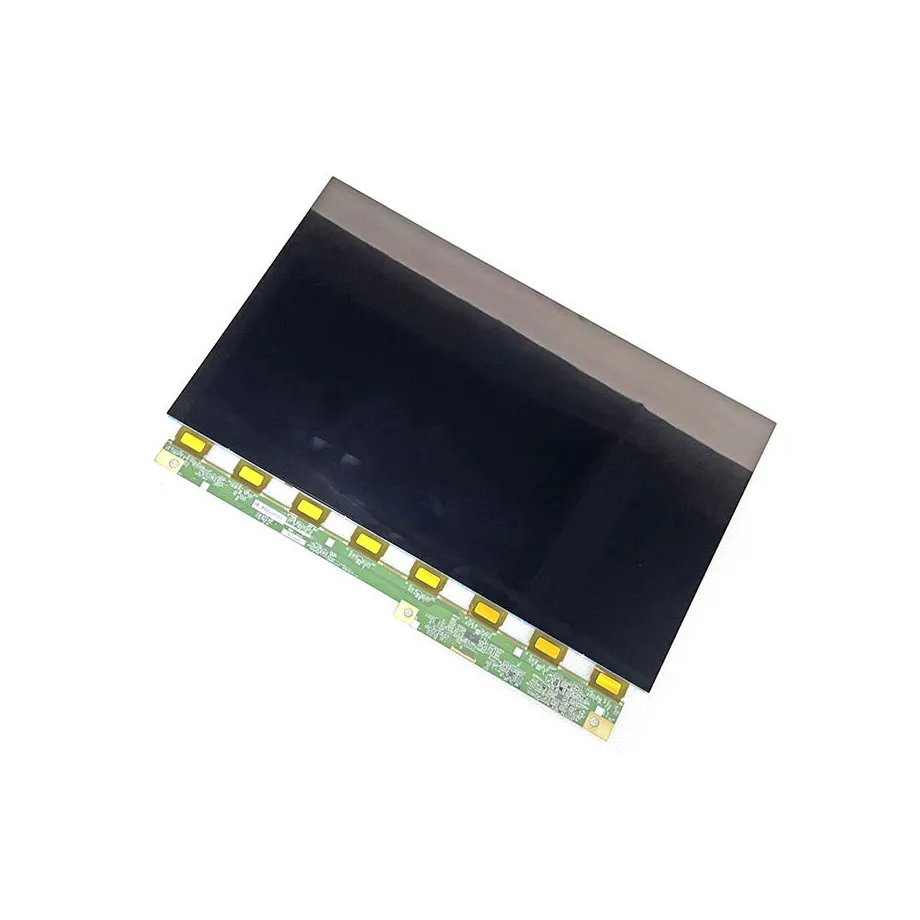
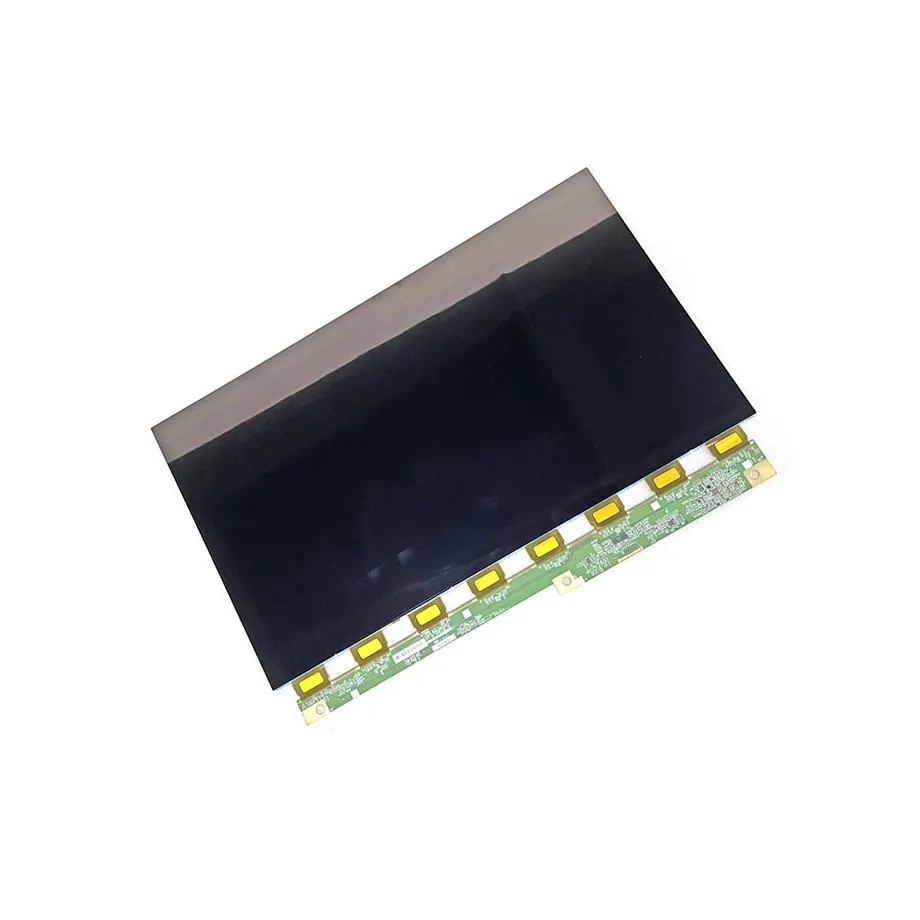
ME270QUB-N10 240Hz UHD Monitor Cell is a 27-inch BOE Oxide TFT-LCD CELL combining 3840×2160 UHD resolution with a 240 Hz refresh rate and an eight-lane eDP HBR2 interface. The exact-model data identifies a 596.16 × 335.34 mm active area, a 600.71 × 343.3 × 1.3 mm outline and a typical mass of 600 g. It operates in ADS, Normally Black, Transmissive mode with 1200:1 typical contrast, 89/89/89/89 viewing angles, 1.07 billion colors and 100% DCI-P3. Because the product is supplied as a CELL without a backlight, its recorded 0 cd/m² value indicates that no integrated illumination is present; finished-monitor luminance must come from a separately engineered backlight system.
High-refresh 4K CELL architecture
The unusual combination of UHD resolution and 240 Hz refresh makes the native signal path a primary engineering concern. The panel uses eight eDP lanes at HBR2 data rate through a 51-pin 0.5 mm connector. This should be treated as an internal panel link with exact timing and lane requirements, not as a generic consumer DisplayPort input. The controller architecture must deliver the native stream, handle the required initialization and meet the electrical limits defined for the exact model.
At the same time, the CELL construction means the panel has no integrated backlight or LED driver. The display manufacturer must design the illumination, optical films, mechanical support and thermal path around the glass cell. The 3.3% transmissivity figure is therefore an important optical input: it influences the backlight energy required to reach the target monitor luminance, but it does not by itself determine the final brightness.
Three Core Buyer Value Propositions
1. 3840×2160 at 240 Hz creates a specific premium-monitor performance target
The exact model gives engineering teams a clear combination of pixel count and frame rate to qualify. This is more actionable than a generic “4K gaming” description because the scaler, graphics path, internal link and thermal design must all sustain the native condition. The panel capability does not guarantee that every external input, cable or graphics source can deliver 4K at 240 Hz; that is a system-level requirement.
2. Eight-lane HBR2 eDP defines the electrical architecture early
ME270QUB-N10 uses eight eDP lanes at HBR2 with a 51-pin connector, which narrows the controller and cable design space. Signal integrity, lane mapping, power sequencing and connector orientation can be evaluated against a known native interface. The buyer value is engineering specificity, not universal compatibility: an eDP-capable controller still needs exact support for this panel's lane count, timing and electrical behavior.
3. Wide-gamut Oxide CELL supports premium optical development
The 1.07B-color, 100% DCI-P3 specification provides a strong component basis for wide-gamut monitors. The cell also uses an antiglare surface with 3% haze and 3H hard coating. These attributes support optical design, but final gamut, luminance, white point and uniformity depend on the selected backlight spectrum, optical films, processing and calibration. System testing remains necessary before any finished-monitor claim is released.
Key Specifications at a Glance
| Specification | ME270QUB-N10 value |
|---|---|
| Display size | 27 inch |
| Panel form | Oxide TFT-LCD, CELL (FOB) |
| Resolution | 3840×2160 UHD, 16:9 |
| Active area | 596.16 × 335.34 mm |
| Outline | 600.71 × 343.3 × 1.3 mm |
| Weight | 600 g typical |
| Brightness | 0 cd/m²; no integrated backlight |
| Contrast | 1200:1 typical |
| Viewing angle | 89/89/89/89 typical at CR≥10 |
| Response | 16 ms typical Tr+Td |
| Colors | 1.07B, 100% DCI-P3, Low Blue Light |
| Refresh rate | 240 Hz |
| Interface | eDP, 8 lanes, HBR2 5.4G/lane, 51-pin 0.5 mm |
| Supply | 12 V typical |
| Transmissivity | 3.3% typical with polarizer |
| Operating / storage | 0 to 50°C / -20 to 60°C |
Understanding the 0 cd/m² source value
A CELL cannot produce visible luminance by itself because there is no built-in light source behind the liquid-crystal stack. The zero value is therefore a construction indicator, not a statement that the completed display is intended to operate at zero brightness. A monitor manufacturer must supply a backlight capable of meeting the desired luminance, uniformity and thermal requirements while working through the cell's 3.3% typical transmissivity.
Backlight engineering should consider LED spectrum, optical-film efficiency, local thermal conditions, diffuser behavior and mechanical spacing. A high-brightness target can require significant optical and electrical power, especially when the cell has a low transmission percentage. These choices also influence color gamut and long-term thermal behavior, so the backlight should be developed together with the panel rather than treated as a late mechanical accessory.
Qualifying an eight-lane HBR2 link
ME270QUB-N10 240Hz UHD Monitor Cell demands an internal data path that can sustain the native 4K high-refresh timing. The 8-lane HBR2 architecture increases the importance of controlled impedance, connector quality, lane routing and firmware configuration. The exact BOE electrical document should define the power-on sequence, auxiliary behavior, lane order and timing set used for release.
Prototype testing should include repeated starts, source-mode changes, long-duration 240 Hz operation and representative high-motion content. Engineers should inspect for link drops, lane-related image corruption, intermittent lines and thermal sensitivity. If the external monitor input uses HDMI or DisplayPort, the scaler and bridge architecture must be validated end to end; the panel's eDP link does not guarantee the capability of the complete consumer input path.
Motion, response and refresh-rate boundaries
The panel lists a 16 ms typical Tr+Td response entry and a 240 Hz refresh rate. These parameters describe different aspects of panel behavior and should not be collapsed into a single gaming-latency claim. Refresh rate specifies how frequently frames can be presented, while pixel transition behavior, overdrive strategy, controller buffering and source frame delivery all influence perceived motion.
For a gaming-monitor project, evaluate scrolling, dark transitions, bright transitions, variable frame content and frame pacing on the completed display. Input lag also includes the scaler and firmware path. The panel's high refresh capability is an important component feature, but the finished product requires its own measured latency and motion-performance validation.
Wide-gamut backlight and color development
The cell is specified for 100% DCI-P3 and 1.07 billion colors, but a transmissive LCD reaches those results only in combination with the correct backlight spectrum and processing. Selecting a generic white LED system without considering the panel's color filters can change the measured gamut. The backlight, scaler processing, gamma tables and production calibration process should therefore be qualified as one optical system.
The 3% haze antiglare surface is relatively low-haze compared with many matte desktop panels. That surface choice can affect clarity and reflection appearance. If a project adds a cover layer, protective film or touch sensor, the finished stack should be remeasured for reflectance, sharpness and color. The exact component surface treatment does not automatically describe the completed front surface.
Mechanical integration of a thin 27-inch cell
The 600.71 × 343.3 × 1.3 mm outline describes a thin cell that needs controlled mechanical support. The enclosure and backlight structure must maintain flatness without loading the glass or the COF source-driver areas. The model has twelve source chips integrated through COF, so keep-out zones and assembly pressure should follow the exact mechanical drawing.
The 600 g typical cell mass is only part of the finished display assembly. Backlight plate, optics, bezel, rear chassis and controller electronics will add weight and depth. Prototype builds should verify active-area centering, connector access, cable bend radius, thermal clearances and resistance to assembly-induced stress before tooling is frozen.
Application fit: high-refresh 4K desktop monitors
Desktop Monitor is the documented application for this exact model. The combination of UHD resolution, 240 Hz refresh and wide-gamut color makes it relevant to premium gaming and performance-monitor development where the OEM can design the separate backlight and high-bandwidth controller path. It does not establish compatibility with a specific retail display or controller board.
The panel is supplied without touch. A touch-enabled design would require a separately engineered sensor and front stack, with requalification of optics, grounding and mechanics. The component operating range of 0 to 50°C should also be treated as a panel limit, not as evidence of industrial or rugged product certification.
Procurement and release checklist
Confirm the exact ME270QUB-N10 label and revision, 600.71 × 343.3 mm outline, 51-pin connector, eight-lane HBR2 architecture and no-backlight condition on incoming samples. Verify 3840×2160 native operation at the intended 240 Hz timing with the production controller. Inspect the glass, antiglare surface and COF areas before assembly into the backlight structure.
Optical qualification should be performed only after the final backlight and film stack are installed. Measure luminance, uniformity, contrast, gamut and thermal behavior at realistic operating conditions. ME270QUB-N10 240Hz UHD Monitor Cell should move to volume release only after the complete monitor demonstrates stable signal integrity, optical performance and mechanical support. Current supply status, lead time and lifecycle require separate procurement confirmation.
Revision control for a bandwidth-sensitive platform
ME270QUB-N10 240Hz UHD Monitor Cell should be controlled as a bandwidth-sensitive component. High-refresh monitor designs benefit from disciplined configuration control. Record the approved cell revision, scaler firmware, internal cable, backlight configuration and native timing file together. If a later lot changes panel revision, cable construction or controller firmware, repeat the affected electrical and optical tests rather than assuming that a visually similar part will behave identically.
This approach is particularly important where the panel link operates at high data rates and the cell depends on a custom backlight. A small change in cable loss, connector quality, power sequencing or optical spacing can create a system problem that is not obvious from the model's headline specifications. Keeping the approved configuration traceable makes troubleshooting and sourcing decisions more defensible.
Engineering summary
ME270QUB-N10 is a 27-inch 4K Oxide TFT-LCD CELL with a 240 Hz refresh rate, 100% DCI-P3, 1.07B colors, eight-lane HBR2 eDP and no integrated backlight. Successful integration requires a controller that can sustain the exact native link plus a separately engineered illumination and mechanical stack. The correct interpretation of 0 cd/m² is therefore central to technical accuracy: it describes a backlightless CELL, not a finished monitor's luminance.
Recommended: Same Size
(27")
Applications & Value of LCD Panel

- Fast sourcing with in-stock panels & cross-reference alternatives
- Stable supply chain with long-term availability
- Engineering-level support from panel to integration
- Custom solutions: cable, touch & optical bonding
- Strict quality control with IQC / OQC / aging test
- Full traceability system for quality assurance
- Complete technical documentation & drawings
- Compliance support: RoHS & certification files