~
~
~
~
~
~
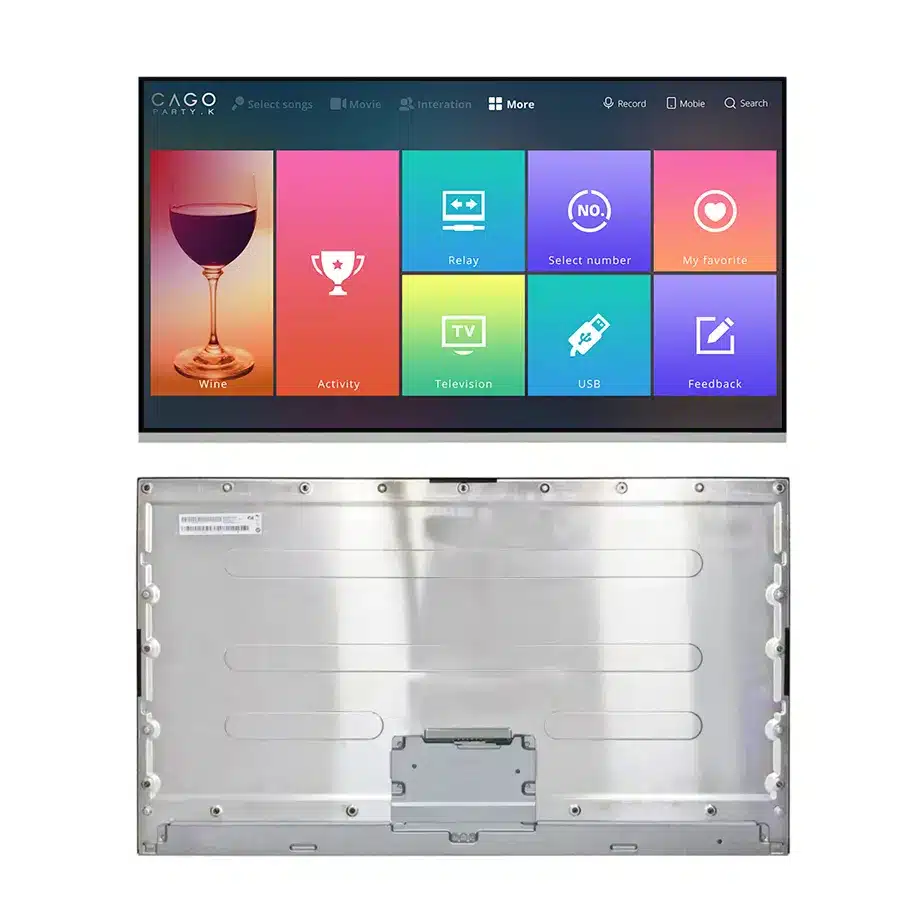
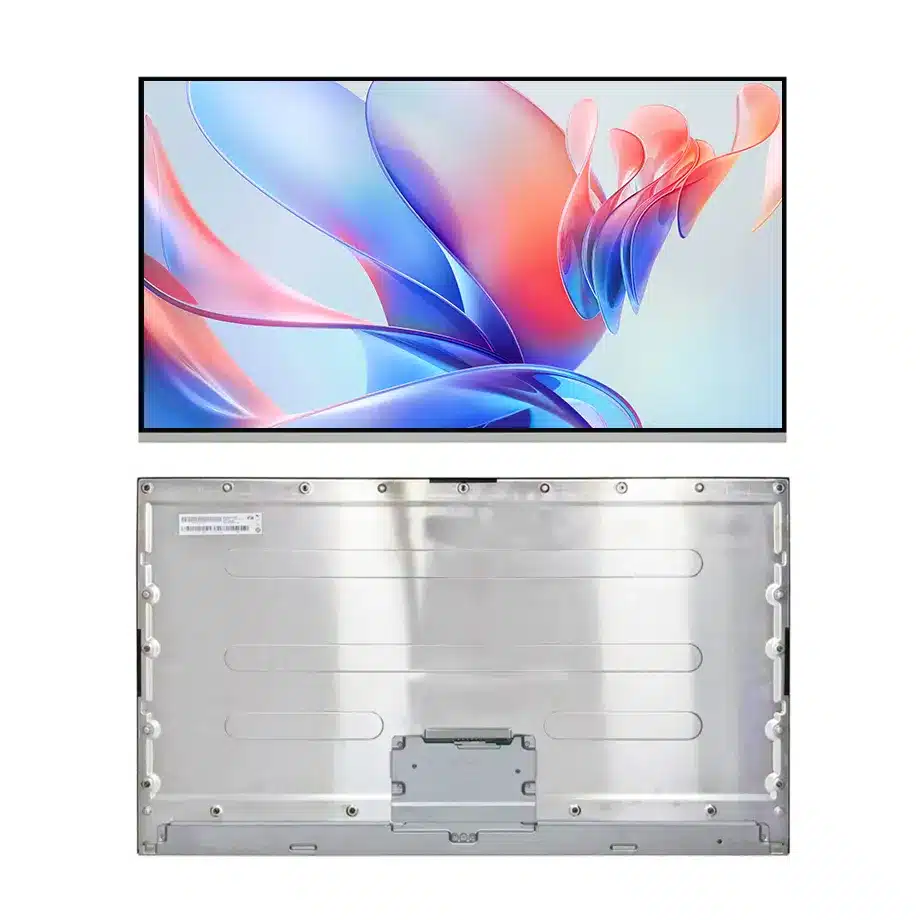
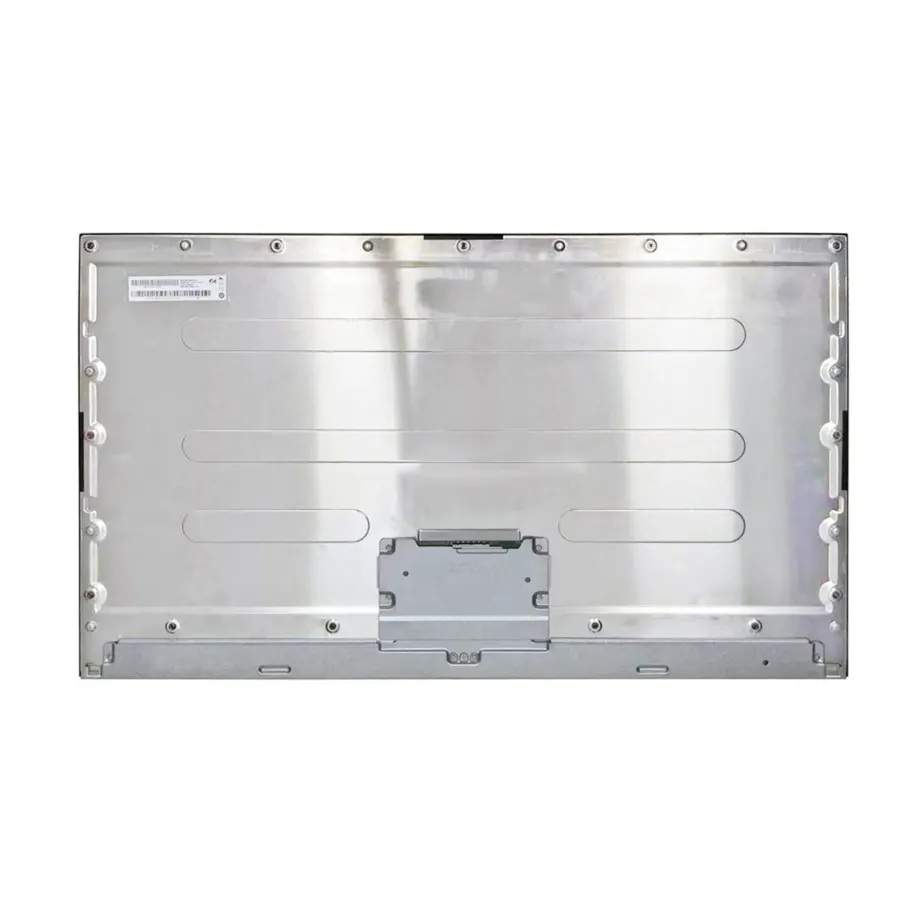
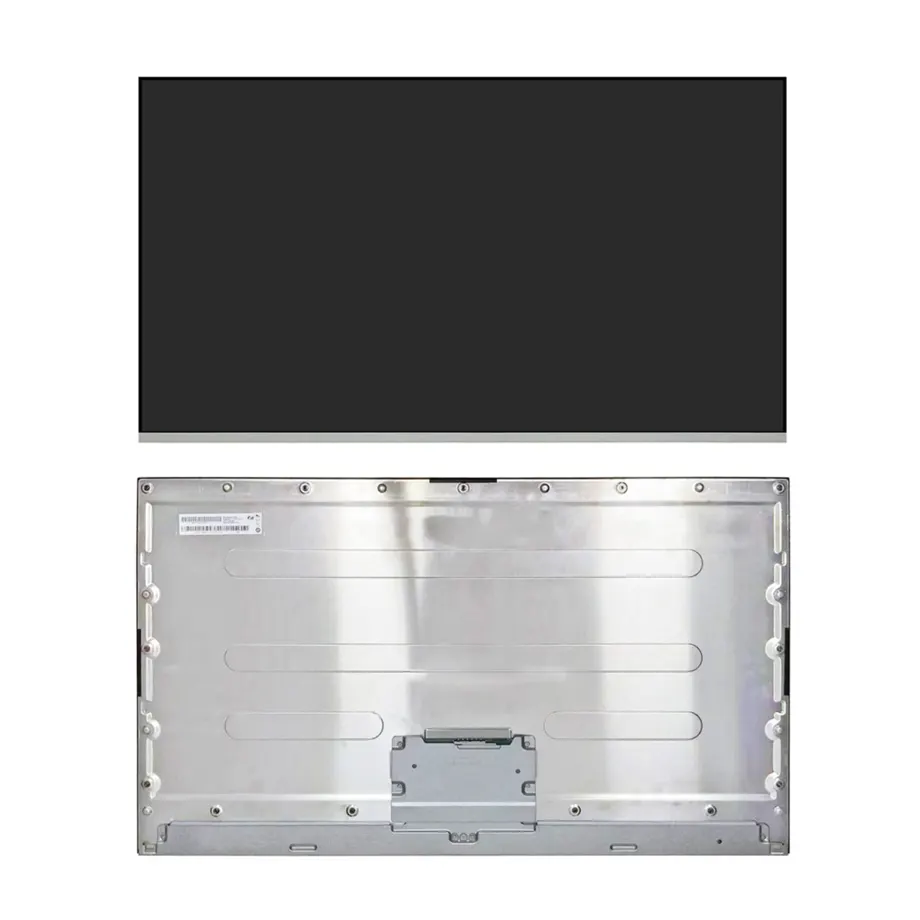
M320QAN02.D AMVA6 Professional Monitor Module 32 Inch AUO

Model P/N
Size
Resolution
Brightness
Viewing Angle
Connector Type
Operating Temp
Overall(mm)
auo
M320QAN02.D
Brand
Panel Size (inch)
Model P/N
Resolution
Brightness (nits)
Viewing Angle
Contrast Ratio
Response Time
Overall (mm)
Active Area (mm)
Refresh Rate
Display Colors
Panel Type
Connector Type
Surface Treatment
Operating Temp
Touchscreen Type
Storage Temp
Work Mode
Pixel Format
Input Voltage (V)
Weight (g)
Designed For
Product Details
M320QAN02.D AMVA6 Professional Monitor Module is a 32-inch AUO a-Si TFT-LCD LCM designed for desktop-monitor integration, with native 3840×2160 UHD resolution, 1400 cd/m² typical luminance and a 6000:1 typical contrast ratio. The exact-model data lists AMVA6 normally-black transmissive operation, 1.07 billion colors, 99.5% Adobe RGB and 100% DCI-P3 coverage. A 698.4 × 392.85 mm active area sits inside a 711.2 × 413.2 × 35 mm module outline, and the panel mass is 4080 g typical. Native video uses a 16-lane V-by-One interface through a 51-pin 0.5 mm connector, while the module is powered from a typical 12 V supply and includes a direct-LED light system with driver.
High-luminance 4K architecture for professional desktop monitors
The 1400 cd/m² specification is a major system-design trigger. High panel luminance can be valuable for demanding indoor workflows, bright presentation environments and professional displays that need substantial optical headroom. It also raises thermal, power and enclosure requirements compared with a conventional office monitor. The panel's high-brightness capability should therefore be evaluated together with the power supply, LED drive strategy, rear-cover ventilation and sustained-content conditions of the finished product.
AMVA6 normally-black transmissive operation is paired with a 6000:1 typical contrast ratio and 89-degree viewing angles in all directions. These component-level optical characteristics provide a strong basis for deep-black and high-contrast monitor designs. They do not guarantee a finished monitor's calibration, black uniformity, HDR implementation or ambient-light performance; those results depend on backlight control, optical assembly, processing and production tuning.
Three Core Buyer Value Propositions
1. 1400-nit panel capability creates substantial optical headroom
The specified 1400 cd/m² typical luminance gives engineers a clear high-brightness target for the panel itself. That supports monitor concepts requiring strong visibility in bright indoor conditions or high-output professional workflows. The number should not be converted into an unsupported sunlight-readable certification or a finished-product HDR claim. Final usable brightness, thermal behavior and any certification depend on the complete monitor architecture and measurement method.
2. Adobe RGB and DCI-P3 coverage support wide-gamut professional workflows
The exact-model specification lists 99.5% Adobe RGB and 100% DCI-P3 with 1.07 billion colors. This combination is relevant to photography, design, content production and other applications where wide color coverage matters. Panel gamut is not the same as calibrated color accuracy. The monitor still requires suitable processing, white-point control, gamma management and a defined factory-calibration process if a formal accuracy target is part of the product specification.
3. Sixteen-lane V-by-One provides a defined internal 4K link
The module uses 16-lane V-by-One through a 51-pin 0.5 mm connector. This gives the controller team a concrete internal interface for 3840×2160 at the documented 60 Hz refresh rate. Consumer connectors such as HDMI or DisplayPort belong to the scaler board, which must convert those inputs to the exact native panel timing. Lane mapping, cable construction, connector orientation and power sequencing must be verified for this model.
Key Specifications at a Glance
| Specification | M320QAN02.D value |
|---|---|
| Display size | 32 inch |
| Panel type | a-Si TFT-LCD, LCM |
| Resolution | 3840×2160 UHD, 16:9 |
| Active area | 698.4 × 392.85 mm |
| Outline | 711.2 × 413.2 × 35 mm |
| Weight | 4080 g typical |
| Brightness | 1400 cd/m² typical |
| Contrast | 6000:1 typical |
| Viewing angle | 89/89/89/89 typical at CR≥10 |
| Response | 6.5 ms typical G-to-G |
| Colors | 1.07B, 99.5% Adobe RGB, 100% DCI-P3 |
| Refresh rate | 60 Hz |
| Interface | V-by-One, 16 lanes, 51-pin 0.5 mm connector |
| Supply | 12 V typical |
| Backlight | Direct LED with driver |
| Operating / storage | 0 to 50°C / -20 to 60°C |
Thermal and power planning at 1400 nits
A high-output direct-LED system can produce more heat than a standard-luminance monitor, particularly during sustained bright content. The exact source provides the panel supply voltage but not a complete system power budget in the current batch record. The design should therefore use the current AUO electrical documentation for current, sequencing and protection requirements, then add the scaler, external interfaces and auxiliary electronics when sizing the power supply.
Thermal validation should measure the panel and driver region after the monitor reaches steady state at representative high-luminance workloads. Airflow, rear-cover clearance and heat spreading can affect optical stability and component temperature. The 0 to 50°C operating range is a component limit and does not by itself qualify the finished monitor for industrial, outdoor or rugged service.
Color-management implications of dual wide-gamut coverage
Adobe RGB and DCI-P3 serve different content workflows, so a monitor using this module may need multiple color modes rather than one generic “wide gamut” setting. The panel provides the color-capability foundation, but the scaler, lookup tables, white-point adjustment and factory measurement process determine whether those modes are accurate and repeatable. A finished monitor should be characterized with the intended measurement equipment and software.
Because the exact model lists 1.07 billion colors, the processing chain should also preserve adequate precision if the system intends to make use of that capability. Banding, clipping and color transforms can be introduced outside the panel. Procurement teams should therefore avoid treating the panel's color specification as a complete guarantee of end-to-end monitor performance.
V-by-One controller qualification
M320QAN02.D AMVA6 Professional Monitor Module uses a sixteen-lane V-by-One panel link. Controller qualification should confirm native 3840×2160 timing, lane mapping, connector pinout, startup sequence and stable operation across power cycles. The 51-pin 0.5 mm connection should be evaluated with the intended cable length and mechanical routing because signal margin can be affected by cable construction and nearby switching noise.
External video inputs are system-level functions. A monitor may use HDMI, DisplayPort or another source interface, but the internal controller must translate that source into the panel's required V-by-One output. Test source switching, sleep/wake, repeated cold starts and long-duration UHD content before the controller design is frozen.
Mechanical integration of a deeper 32-inch LCM
The module outline is 711.2 × 413.2 × 35 mm and the typical mass is 4.08 kg. That depth and weight are significant compared with thin notebook or cell-only products and should be reflected in stand, rear-cover and chassis calculations. The enclosure must support the panel without twisting the optical stack, while maintaining clearance for the backlight and controller connections.
The active area is 698.4 × 392.85 mm. Bezel overlap, mounting points, cable access and rear ventilation should be checked against the exact mechanical drawing. Packaging and handling procedures should also account for the module mass and glass area, particularly during pilot assembly and transport before the final monitor enclosure provides full structural support.
Surface treatment and viewing environment
The exact model uses an antiglare surface with 25% haze and 3H hard coating. That can be suitable for professional desktop environments where reflections need to be moderated without adding a separate front layer. Ambient-light perception still depends on room geometry, monitor angle and any protective cover used by the OEM.
High luminance does not eliminate the need to control reflections. A bright monitor can remain difficult to view if strong reflected light reaches the user. If a front cover, touch layer or protective window is added, remeasure glare, contrast and color because the final surface stack no longer matches the bare module condition.
Application fit: professional and high-brightness desktop monitors
Desktop Monitor is the documented application. The confirmed combination of UHD resolution, 1400-nit brightness, 6000:1 contrast and wide color coverage supports evaluation for premium professional monitors and other desktop-display projects with high optical requirements. This does not establish compatibility with a named commercial monitor, broadcast certification or medical diagnostic use.
The module is supplied without touch. Any interactive product would require a separately engineered touch solution and front optical stack. Likewise, the high-luminance specification alone should not be used to assign an outdoor or sunlight-readable finished-product rating without testing the complete monitor under the target ambient conditions.
Procurement and incoming-quality checklist
Confirm the exact M320QAN02.D model and revision on the label. Verify the 711.2 × 413.2 × 35 mm outline, 698.4 × 392.85 mm active area, 51-pin V-by-One connector, 12 V supply and direct-LED construction. Power the approved sample with the intended controller and test native 4K output, backlight control, startup behavior and thermal stabilization.
Optical acceptance should include luminance, black level, contrast, uniformity, Adobe RGB and DCI-P3 behavior, viewing angles and visible artifacts. M320QAN02.D AMVA6 Professional Monitor Module should enter volume release only after the complete monitor has demonstrated stable electrical, optical and thermal performance. Current price, stock, lead time, lifecycle and change-notification status are separate procurement matters and require current supplier confirmation.
Configuration control for production
A professional monitor program should keep the panel revision, scaler firmware, V-by-One cable, calibration profile and approved luminance settings together in the qualification record. Changes in any of those items can alter measured color, link stability or thermal performance. Requalification can be bounded to the affected functions, but it should not be skipped simply because the replacement part shares the same diagonal and resolution.
M320QAN02.D AMVA6 Professional Monitor Module is best treated as one component in a controlled display platform. This approach lets engineering distinguish panel capability from scaler behavior, backlight control and mechanical effects, while giving purchasing a clear reference for incoming inspection and approved substitutions.
Engineering summary
M320QAN02.D is a 32-inch 4K AMVA6 LCM with 1400 cd/m² typical luminance, 6000:1 contrast, 1.07B colors, 99.5% Adobe RGB, 100% DCI-P3 and a sixteen-lane V-by-One interface. Its optical capability is substantial, but successful productization depends on controller compatibility, power and thermal engineering, calibration, mechanical support and finished-system validation rather than on panel specifications alone.
Recommended: Same Size
(32")
Applications & Value of LCD Panel

- Fast sourcing with in-stock panels & cross-reference alternatives
- Stable supply chain with long-term availability
- Engineering-level support from panel to integration
- Custom solutions: cable, touch & optical bonding
- Strict quality control with IQC / OQC / aging test
- Full traceability system for quality assurance
- Complete technical documentation & drawings
- Compliance support: RoHS & certification files