~
~
~
~
~
~
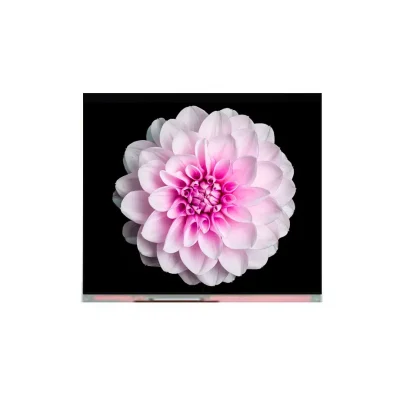
TV080WXM-NM6 8 Inch Driverless WLED MIPI Display BOE
Model P/N
Size
Resolution
Brightness
Viewing Angle
Connector Type
Operating Temp
Overall(mm)
boe
TV080WXM-NM6
Brand
Panel Size (inch)
Model P/N
Resolution
Brightness (nits)
Viewing Angle
Contrast Ratio
Response Time
Overall (mm)
Active Area (mm)
Refresh Rate
Display Colors
Panel Type
Connector Type
Surface Treatment
Operating Temp
Touchscreen Type
Storage Temp
Work Mode
Pixel Format
Input Voltage (V)
Designed For
Product Details
Product Overview
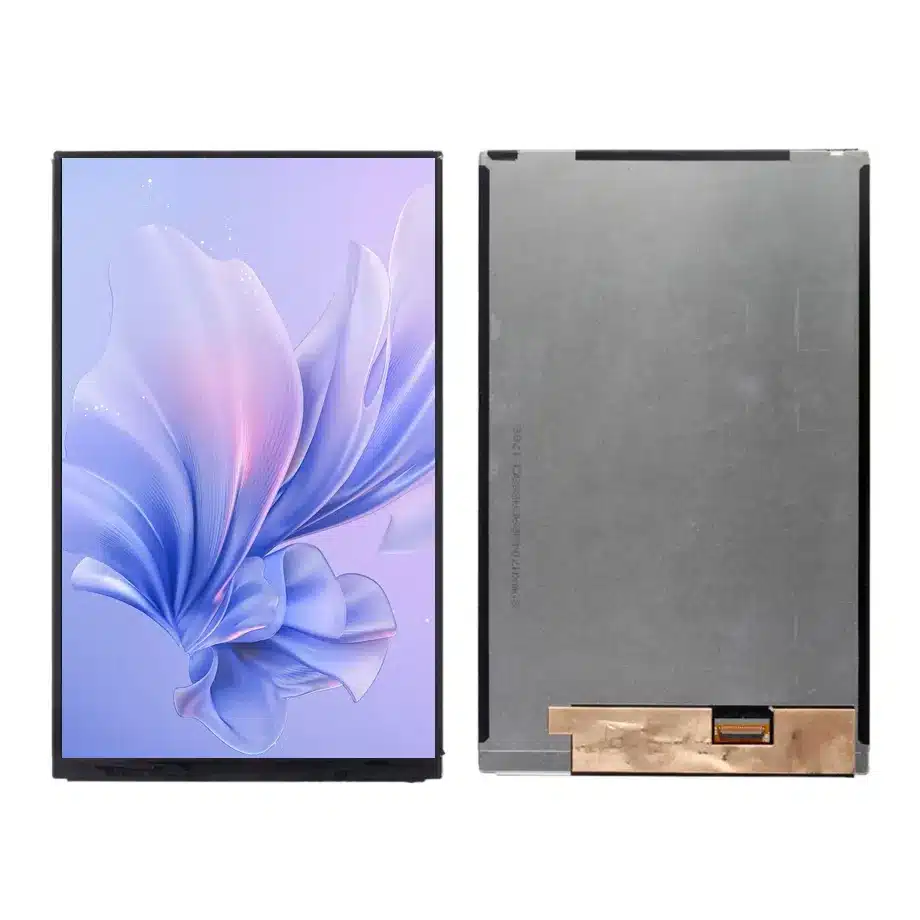
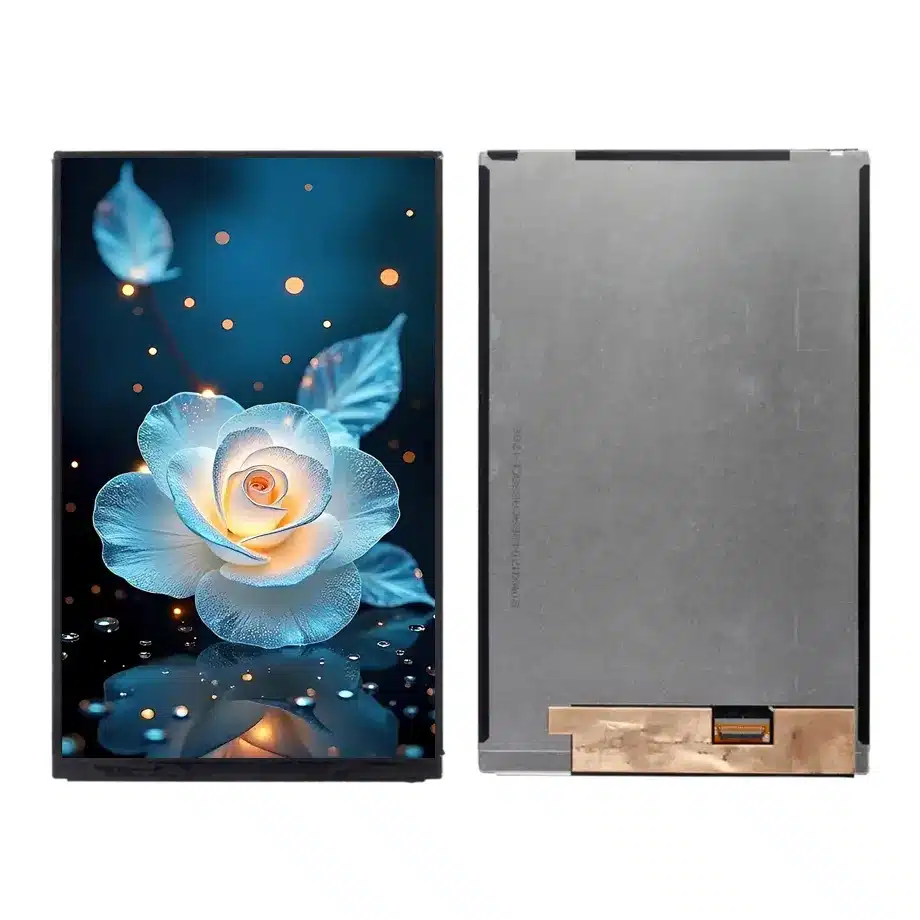
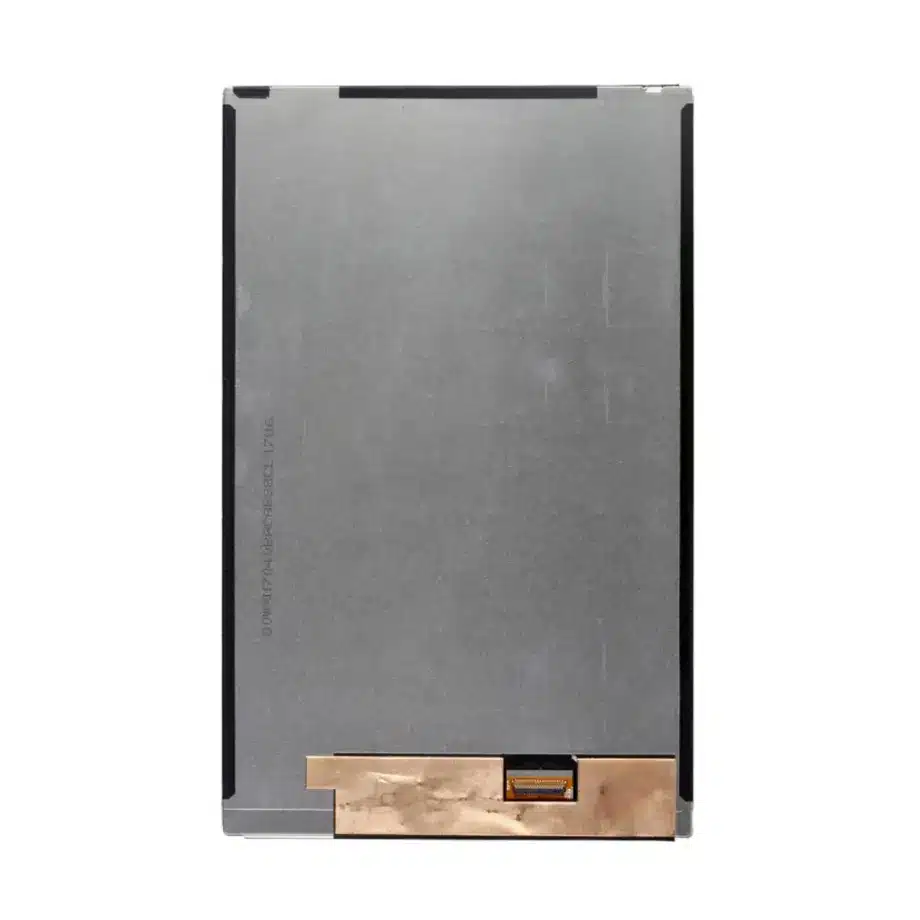
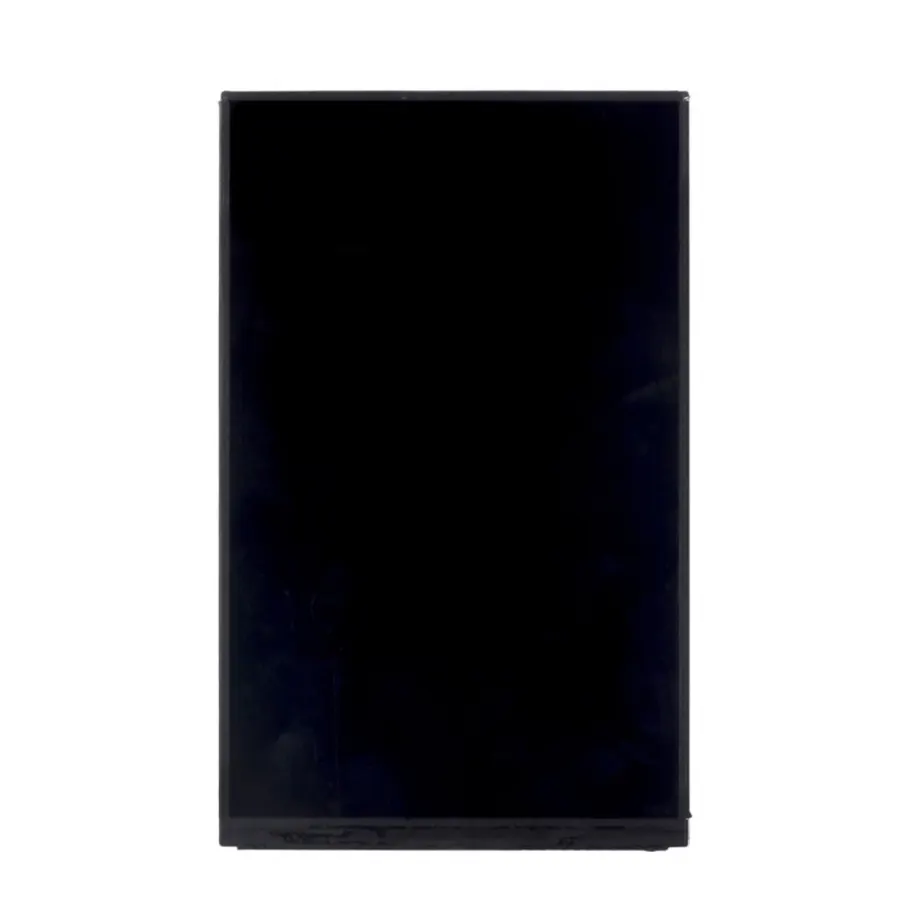
TV080WXM-NM6 8 Inch Driverless WLED MIPI Display is a BOE a-Si TFT-LCD LCM for tablet integration, using a native 800(RGB)×1280 WXGA raster in a 10:16 portrait format. The 107.64 × 172.224 mm active area fits inside a 114.6 × 184.1 × 4.25 mm module outline, with a maximum mass of 95 g. The panel uses ADS normally-black transmissive operation and is specified at 450 cd/m² typical luminance, at least 1000:1 contrast, 80/80/80/80 typical viewing-angle values at CR≥10 and 16.7M colors with 60% NTSC wording. Its front surface is antiglare.
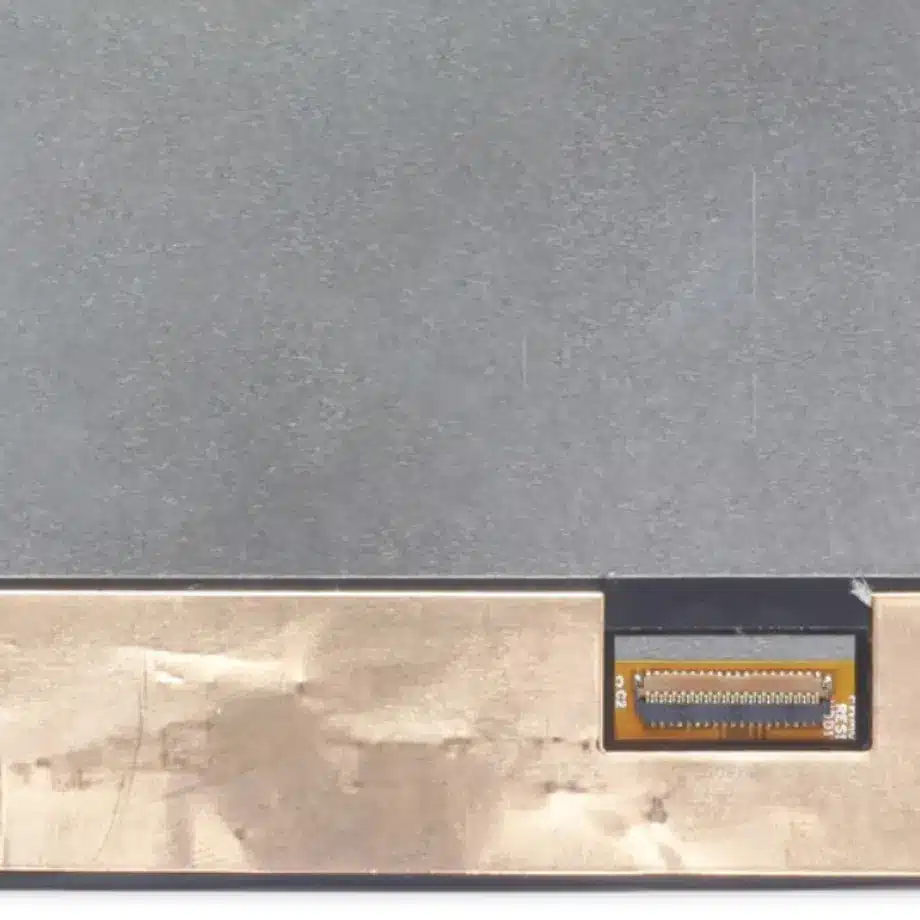
The native display interface is four-lane MIPI on a 39-pin 0.3 mm connector. The panel operates at 60 Hz and uses a 6S4P WLED backlight supplied without an integrated LED driver, so the system must provide the backlight-current and dimming electronics. Panel rails are 1.8 V VDDIO, 6.0 V AVDD and -6.0 V AVEE typical, and typical panel power is documented at 1.61 W. The module is supplied without touch. Its response-time line is a Tr+Td time measurement; the numeric value is preserved as 35 ms maximum because the listed length unit is physically incompatible with a time quantity.
Three Core Buyer Value Propositions
1. Four-lane MIPI and a 0.3 mm connector give tablet teams a specific host-interface target
The interface definition goes beyond a generic “MIPI panel.” Four data lanes, a 39-pin connector and the unusually fine 0.3 mm contact pitch create concrete electrical and mechanical requirements for the processor, flex and board. This helps eliminate alternatives with the same 8-inch WXGA image format but different pin counts or connector geometry. It does not prove plug-and-play compatibility: lane timing, initialization commands, exact pin mapping, reset behavior and panel power sequence still need to match the controlled specification.
2. 450-nit ADS optics provide a useful tablet visibility baseline without overstating outdoor performance
The typical 450 cd/m² luminance, antiglare surface, wide viewing-angle values and 1000:1 minimum contrast make the panel suitable for normal tablet-display evaluation across varied viewing positions. These figures can be turned into measurable incoming inspection limits. They should not be expanded into sunlight-readable, outdoor-grade or rugged claims. Cover glass, bonding method, ambient illumination, brightness-control range and finished-system thermal conditions all affect practical visibility.
3. WLED without an integrated driver gives system designers control—and responsibility—over illumination
The 6S4P WLED light source is part of the LCM, but the LED driver is not. That allows the tablet platform to choose the current regulator, dimming method and backlight power architecture, while making those items system responsibilities. The 1.61 W typical panel-power figure and backlight design should therefore be budgeted separately. Final brightness, flicker behavior, thermal loading and battery impact depend on the selected driver and operating point rather than the panel specification alone.
Key Specifications at a Glance
| Parameter | Confirmed value |
|---|---|
| Manufacturer / model | BOE TV080WXM-NM6 |
| Display size | 8.0 inch |
| Panel type | a-Si TFT-LCD, LCM |
| Native resolution | 800(RGB)×1280 WXGA, 10:16 |
| Active area | 107.64 × 172.224 mm |
| Outline | 114.6 × 184.1 × 4.25 mm |
| Weight | 95 g maximum |
| Brightness | 450 cd/m² typical |
| Display mode | ADS, Normally Black, Transmissive |
| Contrast ratio | 1000:1 minimum |
| Viewing-angle values | 80/80/80/80 typical at CR≥10 |
| Response time | 35 ms maximum Tr+Td |
| Colors | 16.7M, 60% NTSC |
| Surface | Antiglare |
| Refresh rate | 60 Hz |
| Native interface | MIPI, 4 data lanes, 39-pin 0.3 mm connector |
| Panel input rails | 1.8 / 6.0 / -6.0 V typical (VDDIO / AVDD / AVEE) |
| Backlight | 6S4P WLED, without LED driver |
| Touch | Without touch screen |
| Power | 1.61 W typical |
| Operating / storage | 0 to 50 °C / -20 to 70 °C |
How should the four-lane MIPI link be qualified?
MIPI Alliance defines MIPI DSI as a high-speed serial display interface between a host processor and an embedded display module. That standards context explains why lane configuration, low-power states and command handling matter. For this exact model, the concrete product facts are the four data lanes, 39 contacts and 0.3 mm connector pitch; the exact timing and pin assignment still need the controlled BOE specification.
For TV080WXM-NM6 8 Inch Driverless WLED MIPI Display, platform bring-up should cover native 800×1280 timing at 60 Hz, panel reset, initialization, sleep/wake and repeated power cycles. Flex design deserves special attention because 0.3 mm pitch is finer than many tablet display connectors. Connector housing, contact orientation and cable fold can make a mechanically similar module incompatible even when both products are described as four-lane MIPI.
Why the external LED driver is a system-level design item
The LCM contains the WLED source but not the LED driver. The tablet therefore needs a current regulator capable of driving the 6S4P arrangement, together with dimming control, over-voltage protection and thermal management appropriate to the chosen brightness range. Display rails such as AVDD and AVEE serve the LCD electronics and should not be mistaken for the LED backlight supply. The exact backlight electrical specification should control driver selection.
No backlight lifetime in hours is confirmed for this exact model, so a sourcing page should not borrow a generic “50K hours” or similar figure from another WLED module. If service life is important, request exact-model backlight-life test conditions or establish an incoming reliability plan. The practical battery impact also depends on user brightness, driver efficiency, content and thermal control, not just the 1.61 W panel-power reference.
How should 450-nit ADS optics be evaluated in a finished tablet?
BOE describes ADS Pro as its wide-view LCD technology family and identifies tablet displays among its major product applications. The exact model is specified as ADS with symmetric 80-degree viewing values, antiglare surface treatment and 450 cd/m² typical luminance. Those facts support broad-view tablet qualification without changing the exact panel into a different technology or assigning portfolio-level features that are not listed for TV080WXM-NM6.
BOE’s tablet-display overview also shows that thin form, low power and touch integration are common design considerations in tablet products. For this specific no-touch LCM, any added digitizer or protective cover is a separate subsystem. Such layers can increase reflection and alter apparent contrast, so the finished optical stack should be tested at the intended brightness levels and ambient-light conditions.
Mechanical packaging for an 8-inch portrait LCM
The 114.6 × 184.1 × 4.25 mm module outline and 95 g maximum mass provide clear starting points for enclosure and support design. The active image area of 107.64 × 172.224 mm should be compared with the visible bezel aperture, while the outer module rectangle must be checked against internal ribs, battery placement and connector clearance. The complete drawing should define mounting, keep-out zones and cable position.
A replacement with the same 800×1280 raster may still fail mechanically if the connector is on the opposite side or the frame depth differs. Because tablet enclosures can place the battery directly behind the display, pressure distribution and local clearance are important. Prototype assembly should verify that adhesive, foam and chassis features do not load the LCD unevenly or pinch the fine-pitch flex connection.
Why is the response time represented as 35 ms?
The documented field explicitly identifies response time and provides a maximum Tr+Td value of 35, while the attached unit is a length unit. The number is therefore preserved and represented as 35 ms, which is the physically consistent unit for rise-plus-decay timing. This is not a conversion to another response metric and does not create a G2G specification where none was documented.
At 60 Hz, response time is only one contributor to motion appearance. Tablet rendering, compositor behavior, application frame rate and MIPI transport all contribute to the user experience. If the target application involves video, drawing or interactive controls, evaluate real content on the final processor and software stack rather than using the panel response value as an end-to-end latency number.
Application fit for tablets and embedded pad products
TV080WXM-NM6 8 Inch Driverless WLED MIPI Display is documented for Pad & Tablet use. Its strongest fit is an 8-inch portrait device designed around WXGA resolution, four-lane MIPI, 450-nit ADS optics and an external WLED driver. It can also be evaluated for embedded tablet-style terminals when their temperature, mechanical and no-touch requirements are consistent with the confirmed specification. That is an application direction, not a guarantee of fit with a named commercial tablet.
The module has no integrated touch function. A product requiring touch needs a separate sensor, controller, cover layer and firmware path, all of which can affect thickness, reflection and mechanical packaging. Exact-model replacement should therefore match not only the diagonal and resolution but also the 39-pin 0.3 mm interface, outline, backlight arrangement and connector location.
Procurement and validation checklist
- Lock BOE TV080WXM-NM6 in the BOM and reject unapproved suffix substitutions.
- Validate native 800×1280 WXGA portrait timing at 60 Hz over the four-lane MIPI interface.
- Confirm the 39-pin 0.3 mm connector, exact pin map, flex orientation and power sequence.
- Check the 114.6 × 184.1 × 4.25 mm outline, active area and 95 g maximum mass against the tablet enclosure.
- Design the external LED driver for the 6S4P WLED backlight and verify dimming, protection and thermal behavior.
- Measure 450 cd/m² typical luminance, viewing behavior and antiglare performance through the production cover stack.
- Preserve the documented 1.61 W typical power reference without treating it as total device consumption.
- Keep the 35 ms maximum Tr+Td response qualifier intact.
- Confirm the no-touch architecture and qualify any added digitizer separately.
- Request current revision and change-status information before volume procurement rather than inferring a guaranteed supply period.
For qualification of TV080WXM-NM6 8 Inch Driverless WLED MIPI Display, provide the target processor, MIPI timing plan, flex drawing, enclosure mechanics, external LED-driver concept, brightness acceptance criteria and required quantity. Exact-model display, backlight and mechanical validation should be completed together before production release.
Recommended: Same Size
(8")
Applications & Value of LCD Panel

- Fast sourcing with in-stock panels & cross-reference alternatives
- Stable supply chain with long-term availability
- Engineering-level support from panel to integration
- Custom solutions: cable, touch & optical bonding
- Strict quality control with IQC / OQC / aging test
- Full traceability system for quality assurance
- Complete technical documentation & drawings
- Compliance support: RoHS & certification files