~
~
~
~
~
~
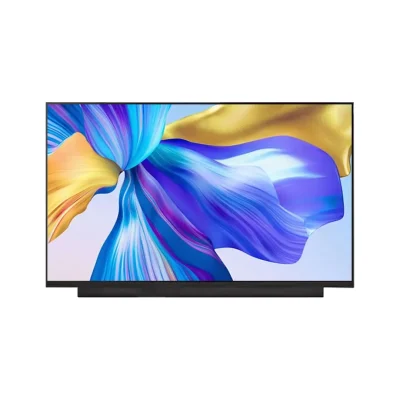
M315HVR01.8 1500R Curved Monitor LCD Cell 100Hz AUO
Model P/N
Size
Resolution
Brightness
Viewing Angle
Connector Type
Operating Temp
Overall(mm)
auo
M315HVR01.8 CELL
Brand
Panel Size (inch)
Model P/N
Resolution
Viewing Angle
Contrast Ratio
Response Time
Overall (mm)
Active Area (mm)
Refresh Rate
Display Colors
Panel Type
Connector Type
Surface Treatment
Operating Temp
Touchscreen Type
Storage Temp
Work Mode
Pixel Format
Input Voltage (V)
Designed For
Product Details
Product Overview
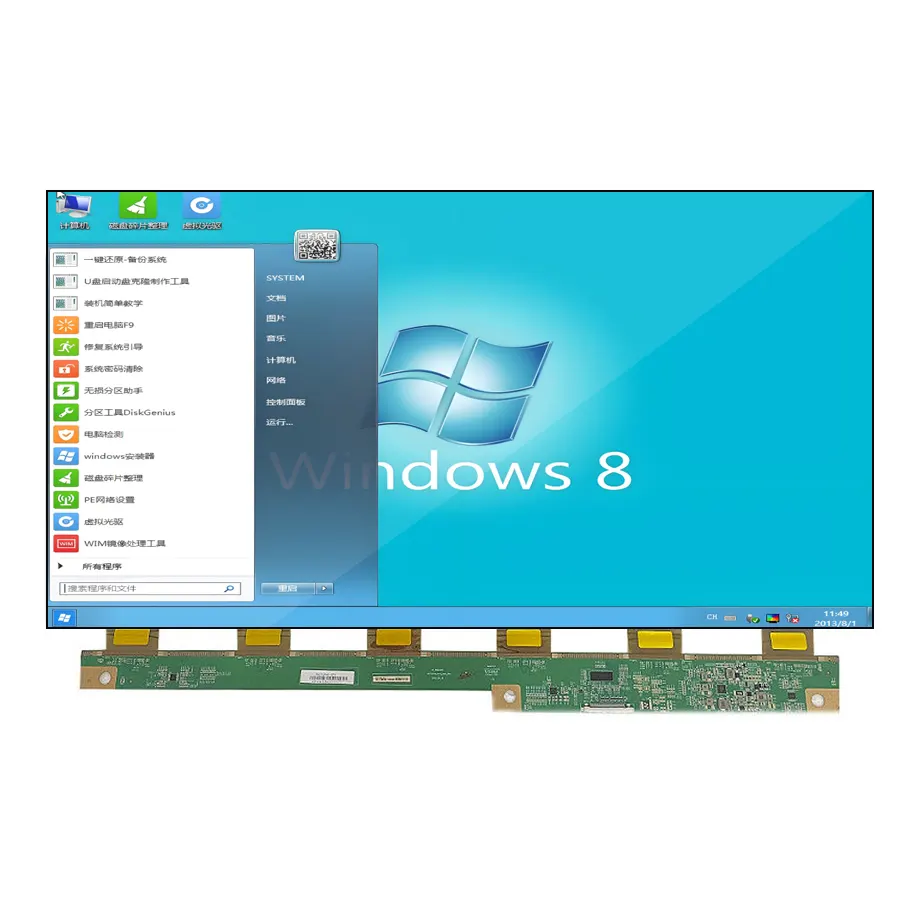
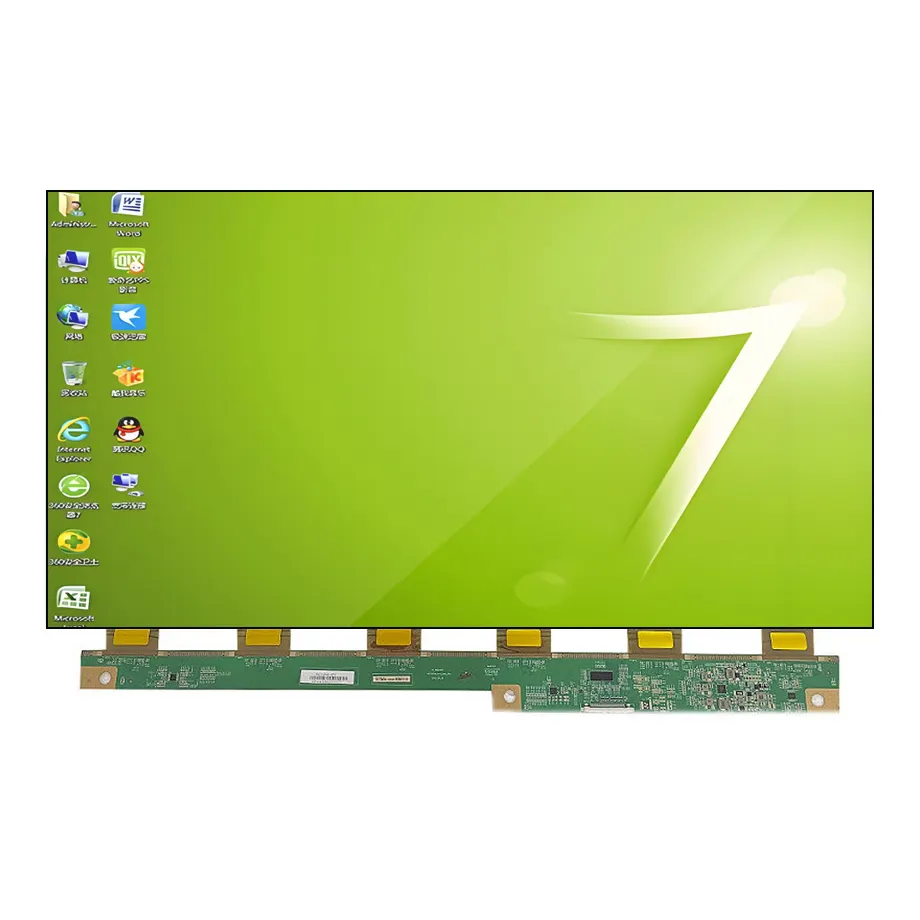
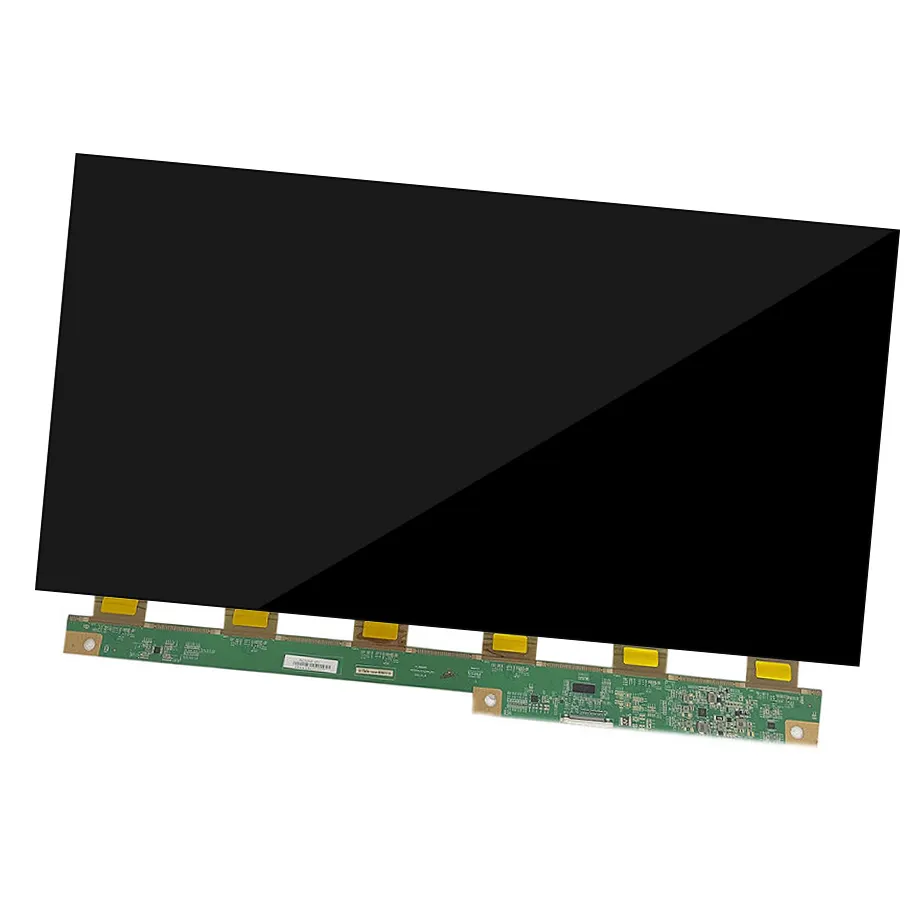
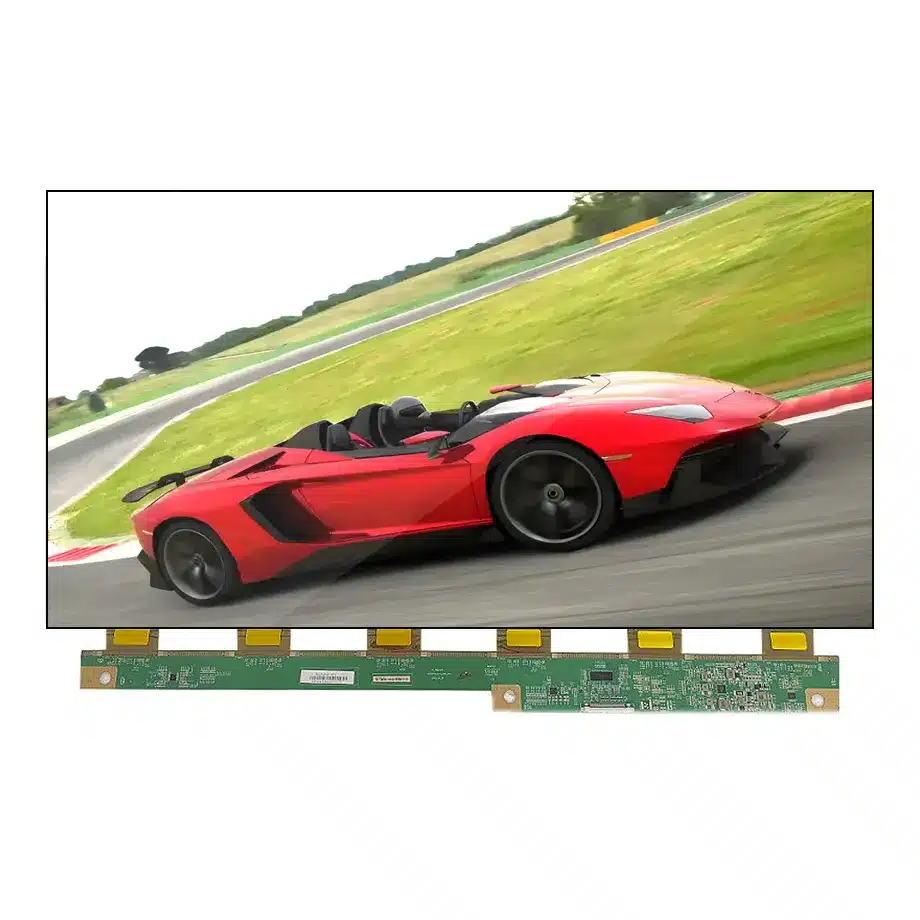
M315HVR01.8 1500R Curved Monitor LCD Cell is a 32.0-inch AUO a-Si TFT-LCD cell for curved desktop-monitor integration, using a native 1920(RGB)×1080 FHD raster in a 16:9 format. The active area measures 698.4 × 392.85 mm, while the confirmed cell outline is 708.94 × 405.73 × 1.13 mm with a typical mass of 766 g. The model uses VA normally-black transmissive technology and is specified at 3000:1 typical contrast with 89/89/89/89 viewing-angle values. Its front surface is antiglare with 40% haze and 3H hard coating.
The product is a bare CELL (FOB) without an integrated backlight or touch screen, so its recorded luminance is 0 cd/m² and its 4.25% typical transmissivity with polarizer is the relevant optical cell parameter for backlight design. The glass structure is documented as 0.40 + 0.40 mm. Native signaling is dual-channel 8-bit LVDS on a 30-pin 1.0 mm connector with a 12 V typical input. The cell runs at 100 Hz, includes six built-in source driver chips, and carries 3-side-borderless, matte and 1500R curved-display feature wording. Operating temperature is 0 to 50 °C and storage is -20 to 60 °C.
Three Core Buyer Value Propositions
1. A confirmed 1500R curved cell gives mechanical teams an exact geometry target
The 1500R designation is central to the product identity because curvature affects bezel design, rear support, optical-film behavior and local stress. Mechanical engineers can work from the 708.94 × 405.73 × 1.13 mm cell envelope, 766 g typical mass and 1500R feature wording rather than treating the product as a flat 32-inch FHD glass. The complete finished monitor still needs a curved backlight, frame and cover architecture matched to the same radius and support conditions.
2. 100 Hz operation and 3000:1 VA contrast define a clear monitor-performance class
The cell combines a 100 Hz native refresh rate with a 3000:1 typical contrast ratio, giving the controller and product teams measurable motion and dark-state targets for a curved desktop monitor. Those figures are more useful than generic “gaming” language because they can be verified directly. They do not prove variable refresh, overdrive tuning, HDR certification or a specific total latency. The complete monitor must validate timing, response behavior and firmware modes on its own controller electronics.
3. Bare-cell construction gives the integrator full backlight control while exposing optical responsibility
With no integrated backlight, the system designer can select LED type, light-guide geometry, diffusion films, driver topology and thermal path for the intended brightness and cost target. The 4.25% transmissivity helps define that optical problem, but it is not a finished luminance specification. The 0 cd/m² cell entry should never be interpreted as usable monitor brightness. Final white luminance, uniformity, dimming and thermal behavior belong to the assembled backlight-plus-cell system.
Key Specifications at a Glance
| Parameter | Confirmed value |
|---|---|
| Manufacturer / model | AUO M315HVR01.8 CELL |
| Display size | 32.0 inch |
| Panel form | a-Si TFT-LCD, CELL (FOB), no backlight |
| Native resolution | 1920(RGB)×1080 FHD, 16:9 |
| Active area | 698.4 × 392.85 mm |
| Outline | 708.94 × 405.73 × 1.13 mm |
| Weight | 766 g typical |
| Curvature | 1500R |
| Display mode | VA, Normally Black, Transmissive |
| Contrast ratio | 3000:1 typical |
| Viewing-angle values | 89/89/89/89 |
| Response time | 20 ms typical G2G |
| Colors | 16.7M |
| Surface | Antiglare, haze 40%, hard coating 3H |
| Transmissivity | 4.25% typical with polarizer |
| Glass thickness | 0.40 + 0.40 mm |
| Refresh rate | 100 Hz |
| Native interface | LVDS, 2 channels, 8-bit |
| Connector | 30-pin 1.0 mm connector |
| Panel input | 12 V typical |
| Driver configuration | Built-in 6 source chips |
| Touch | Without touch screen |
| Operating / storage | 0 to 50 °C / -20 to 60 °C |
How should a 1500R cell be supported mechanically?
A curved LCD cell is mechanically different from a flat sheet that can simply be pressed into a frame. The support structure, backlight, bezel and adhesive strategy should preserve the intended radius without introducing local bending, edge loading or torsion. The 708.94 mm width makes fixture flatness and radius control especially important because small local deviations can create visible optical non-uniformity or stress in the glass.
For M315HVR01.8 1500R Curved Monitor LCD Cell, prototype the curved stack with production-intent supports before final tooling. Check the cell radius against the backlight and bezel, confirm clearance around source-driver areas and avoid forcing the glass to follow a frame that is out of tolerance. The typical 766 g mass is useful for stand and housing calculations, but the final monitor will add a backlight, frame, electronics, rear cover and stand that dominate total product weight.
What does 4.25% transmissivity mean for the external backlight?
Transmissivity describes the optical efficiency of the cell and polarizer under the defined test condition. Because no light source is integrated, the backlight system must generate enough incident flux to achieve the target finished luminance after optical losses. The 4.25% value should therefore feed an optical power budget together with light-guide efficiency, film losses, panel aperture and cover treatment.
Backlight architecture for a curved 32-inch display also needs uniformity control across a large surface. LED spacing, light-guide design and curved mechanical support can create brightness or color variation if they are not developed together. Validate white, gray and dark fields across the screen at multiple brightness levels. No exact backlight-life value is confirmed for this cell, so a lifetime figure from another AUO module should not be imported into the specification.
Dual-channel LVDS at 100 Hz requires controller and cable margin
Texas Instruments' LVDS training material explains the differential signaling, termination and signal-integrity principles behind LVDS. In this exact implementation, the image path is dual-channel 8-bit LVDS on a 30-pin 1.0 mm connector. The monitor controller must generate the correct FHD timing at 100 Hz and match the AUO mapping, clocking and power sequence.
Higher refresh increases the data-rate requirement compared with a conventional 60 Hz FHD panel, so cable quality and PCB routing should be validated under production conditions. Test cold boot, repeated power cycles, mode changes and long-duration 100 Hz operation. A generic LVDS controller is not proof of compatibility because bit mapping, channel organization and control pins can vary between cells with similar connector counts.
3000:1 VA contrast and matte surface need system-level optical validation
The 3000:1 typical contrast is a strong intrinsic VA characteristic, but perceived contrast in a room depends on ambient reflections and the complete front stack. The antiglare surface uses 40% haze with 3H hard coating, which can suppress sharp reflections while changing the appearance of fine detail compared with a low-haze or glossy screen. Evaluate text, games, video and dark content at the intended desktop viewing distance.
AUO's monitor display portfolio provides broader context for curved and high-refresh monitor applications, but portfolio-level claims should not be assigned to this cell automatically. Keep the exact 1500R, 100 Hz, 3000:1, 4.25% transmissivity and LVDS facts tied to M315HVR01.8 CELL. Any HDR, adaptive-sync or gaming certification requires separate finished-product evidence.
Why 100 Hz and 20 ms G2G should remain separate performance metrics
A 100 Hz panel can provide smoother motion than 60 Hz when the graphics system delivers corresponding frame updates, while the documented 20 ms typical G2G value describes a pixel-transition measurement under its specified test method. These are different layers of performance. Neither one alone establishes total input latency, overdrive behavior or variable-refresh capability. The monitor should be evaluated with scrolling, video, UI animation and target game content using the intended controller firmware.
If overdrive or adaptive-sync functions are part of the finished product, those are controller-level features requiring their own tuning and evidence. Preserve the 20 ms typical G2G qualifier rather than replacing it with a value from another M315HVR01 revision or translating it into an unsupported “gaming response” claim. Keeping panel capabilities separate from system marketing claims makes substitute qualification more reliable.
3-side-borderless wording and bezel integration
The exact-model feature set includes 3-side-borderless wording, which is relevant to industrial design because it indicates a narrow-border product concept. It should not be interpreted as a complete monitor mechanical drawing. The actual non-active border, source-driver locations and support zones must come from the controlled dimensional documentation. Curved bezel geometry makes those details more important because inconsistent support can distort the intended radius.
For multi-monitor or immersive desktop layouts, a narrow border may be attractive, but no exact seam width or multi-monitor compatibility is claimed. Build the enclosure around the confirmed cell drawing and prototype the complete front frame. If a cover or protective layer is added, evaluate whether it follows the 1500R geometry without creating optical distortion or mechanical stress.
Application fit for curved desktop-monitor platforms
M315HVR01.8 1500R Curved Monitor LCD Cell is documented for Desktop Monitor use. Its strongest fit is a 32-inch curved monitor system intentionally designed around 1500R geometry, FHD resolution, 100 Hz timing, 3000:1 VA contrast and an external backlight. General entertainment, productivity and smooth-motion desktop displays are reasonable scenarios when the complete controller, backlight and enclosure are engineered for the confirmed cell. No named retail monitor chassis or OEM fit is established from the component data.
Replacement sourcing should preserve the full `M315HVR01.8 CELL` identity. Related M315HVR01 variants can differ in interface or other configuration details even when they share size, resolution and contrast class. Do not approve a neighboring suffix solely because it appears in the same family list. Exact pin mapping, curvature, optical values and mechanics should be reviewed as a new engineering change.
Procurement and validation checklist
- Lock AUO M315HVR01.8 CELL and the complete suffix in the BOM.
- Verify the 708.94 × 405.73 × 1.13 mm cell outline, 1500R curvature and 766 g typical mass.
- Validate native 1920×1080 operation at 100 Hz over dual-channel 8-bit LVDS.
- Confirm the 30-pin 1.0 mm connector, exact mapping and 12 V input sequence.
- Design the curved external backlight around 4.25% transmissivity and the intended finished luminance.
- Verify 3000:1 typical contrast, viewing behavior and the antiglare 40% haze surface.
- Preserve the documented 20 ms typical G2G response qualifier when comparing alternatives.
- Qualify the no-touch architecture and any added cover layer separately.
- Do not infer adaptive sync, HDR certification, named device compatibility or lifecycle guarantees from family information.
For M315HVR01.8 1500R Curved Monitor LCD Cell qualification, provide the monitor controller, LVDS mapping, curved backlight concept, 1500R frame design, optical targets, thermal conditions and required quantity. Exact-model radius, interface and cell-level optical verification should control release so a similar 32-inch curved panel is not treated as interchangeable without evidence.
Recommended: Same Size
(32")
Applications & Value of LCD Panel

- Fast sourcing with in-stock panels & cross-reference alternatives
- Stable supply chain with long-term availability
- Engineering-level support from panel to integration
- Custom solutions: cable, touch & optical bonding
- Strict quality control with IQC / OQC / aging test
- Full traceability system for quality assurance
- Complete technical documentation & drawings
- Compliance support: RoHS & certification files