~
~
~
~
~
~
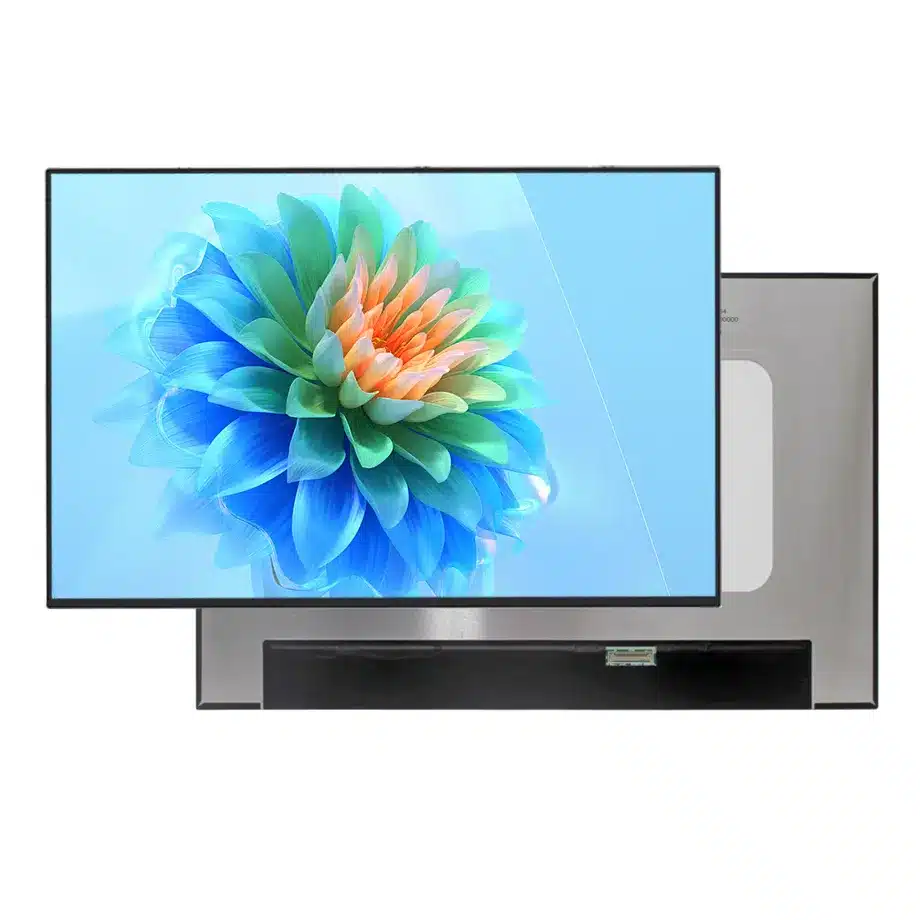
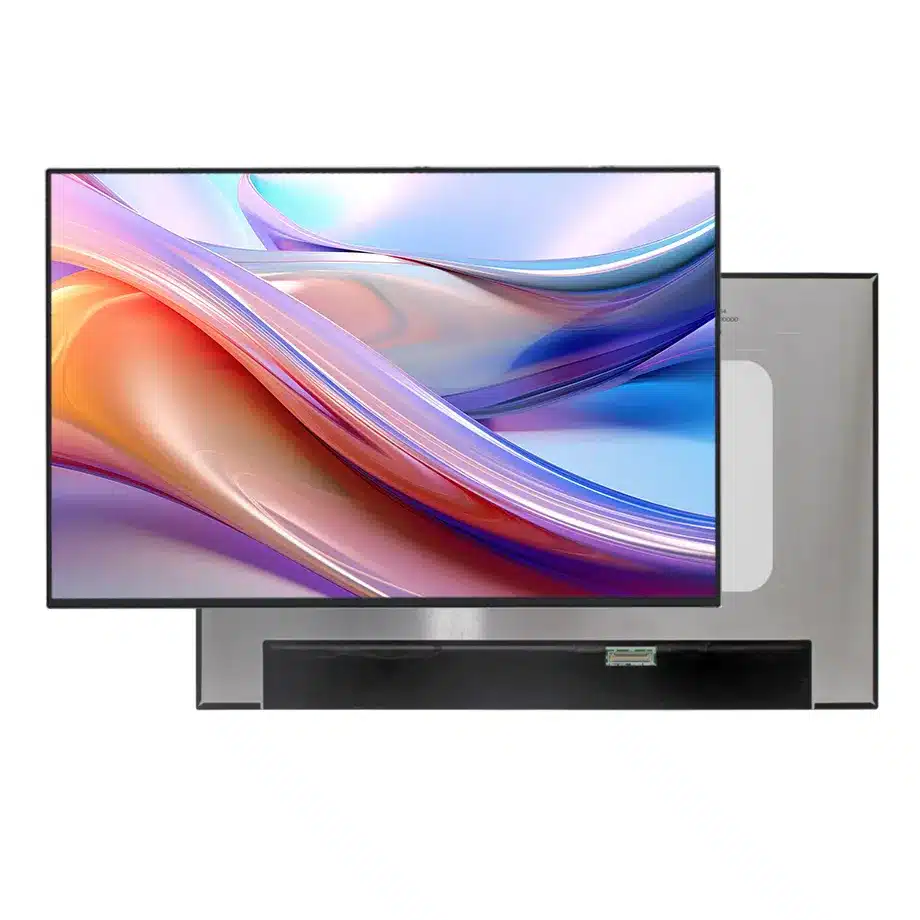
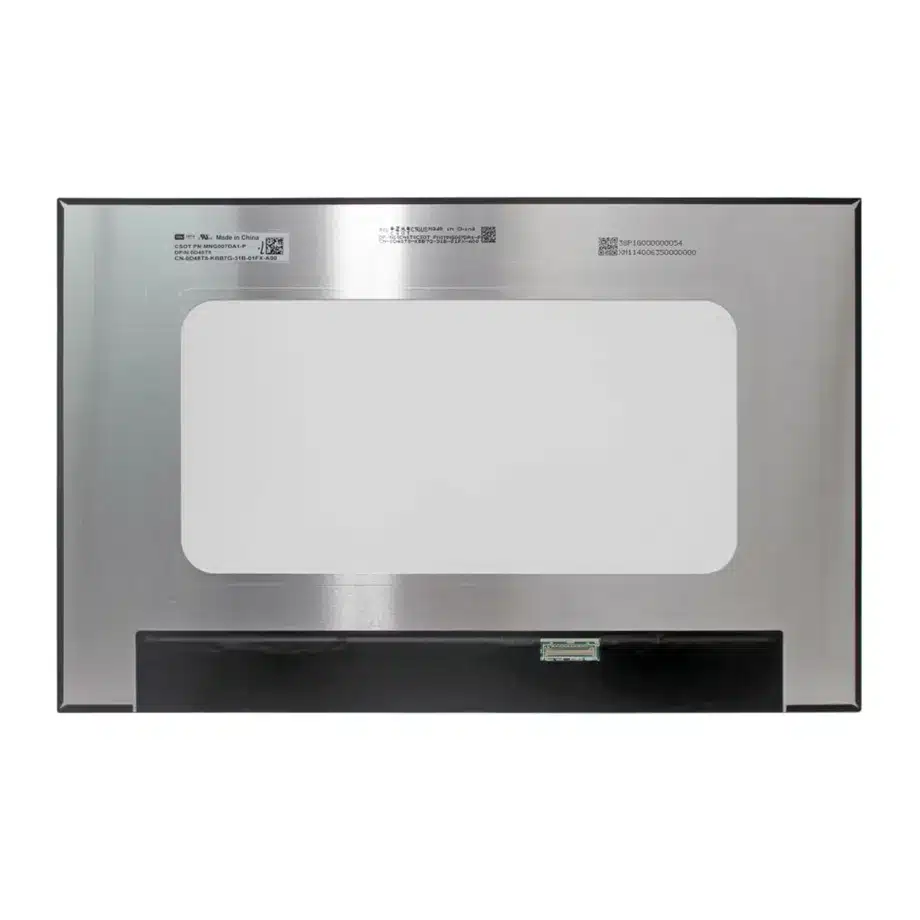
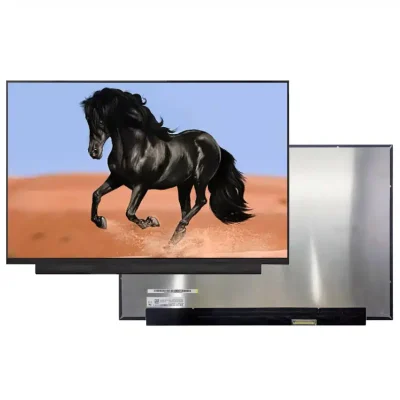
MNG007DA1-P 120Hz FFS Performance Laptop LCM CSOT
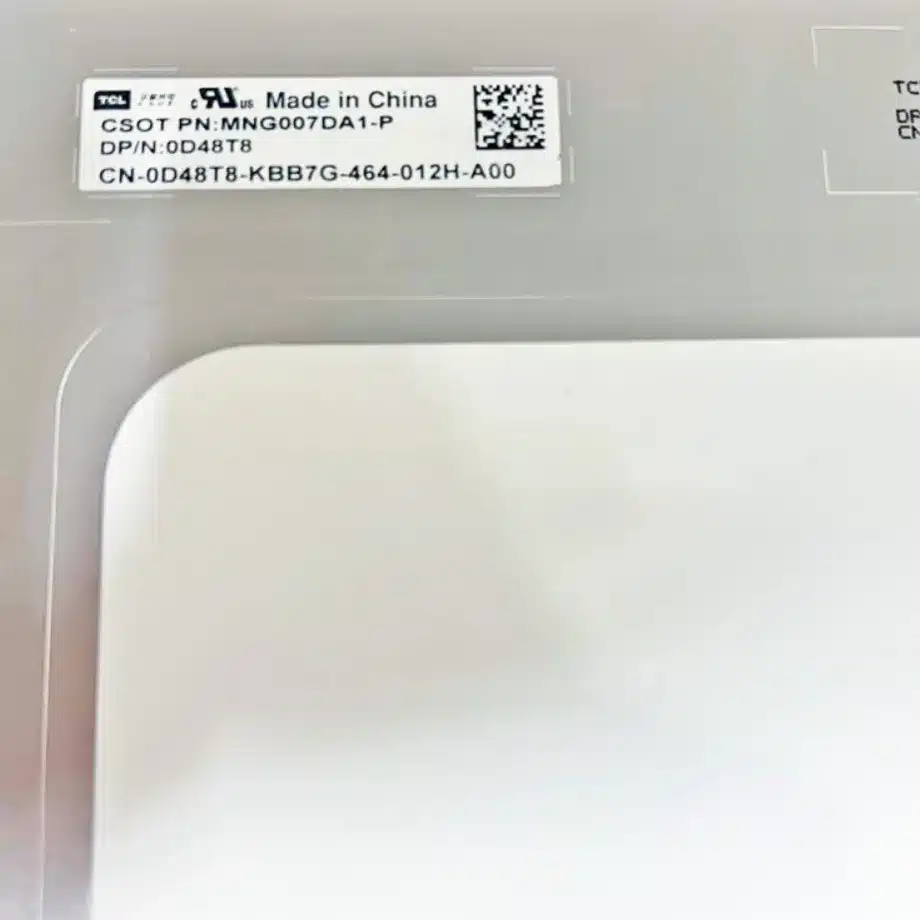
Model P/N
Size
Resolution
Brightness
Viewing Angle
Connector Type
Operating Temp
Overall(mm)
csot
MNG007DA1-P
Brand
Panel Size (inch)
Model P/N
Resolution
Brightness (nits)
Viewing Angle
Contrast Ratio
Response Time
Overall (mm)
Active Area (mm)
Refresh Rate
Display Colors
Panel Type
Connector Type
Surface Treatment
Operating Temp
Touchscreen Type
Storage Temp
Work Mode
Pixel Format
Input Voltage (V)
Designed For
Product Details
Product Overview
MNG007DA1-P 120Hz FFS Performance Laptop LCM is a 16.0-inch CSOT LTPS TFT-LCD module for notebook integration with a native 2560(RGB)×1600 WQXGA raster in a 16:10 format. The confirmed active area is 344.678 × 215.424 mm. This exact suffix uses FFS normally-black transmissive operation, 1200:1 typical contrast, 89/89/89/89 typical viewing-angle values at CR≥10 and a 25 ms typical Tr+Td response value. The front surface is antiglare with 3H hard coating and 6.5% maximum reflection. The documented color field is 16.7M with Low Blue Light wording; no exact-model numeric sRGB/DCI-P3 percentage is confirmed, and brightness, outline dimensions and panel mass remain unresolved.
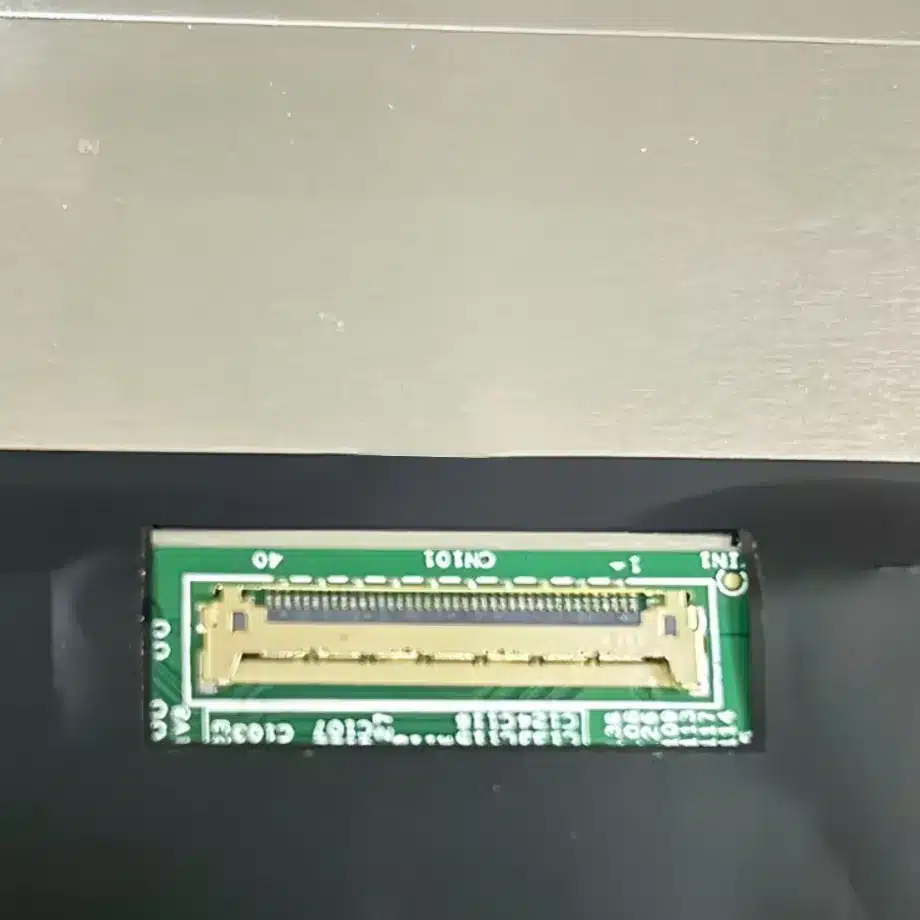
The module runs at 120 Hz and is supplied without touch. Its native display path is four-lane eDP 1.4 through a 40-pin 0.5 mm connector with 3.3 V typical panel input. The WLED backlight includes its LED driver and carries a 15K-hour life reference. Reverse-interface wording is documented for this suffix, so cable side and flex routing are part of exact-model compatibility. Operating temperature is 0 to 50 °C and storage is -20 to 60 °C. These facts define a high-refresh WQXGA notebook panel without importing the 400-nit, 100% sRGB or known mechanical values of the closely related MNG007DA1-N.
Three Core Buyer Value Propositions
1. 120 Hz WQXGA gives notebook designers a smooth-motion 16:10 platform
The combination of 2560×1600 native resolution and 120 Hz refresh creates a clear product class for performance notebooks that need more vertical workspace and smoother UI motion than conventional 60 Hz panels. It can suit fast scrolling, animation, video work and gaming-oriented systems when the graphics platform sustains the required timing. The panel specification itself does not prove variable refresh, overdrive tuning or any gaming certification, so those functions should be treated as system-level features unless exact evidence is available.
2. FFS wide viewing and matte 3H surface give a defined optical baseline despite unresolved brightness
The FFS mode, broad 89-degree viewing values, 1200:1 contrast and antiglare 3H surface provide useful acceptance criteria even though exact-model luminance is not confirmed. That distinction matters during sourcing: procurement can verify mode, contrast and reflection behavior without inventing a nit value from a sibling panel. The correct engineering action is to state no brightness figure until a controlled specification or approved sample establishes it.
3. Exact 40-pin eDP and reverse-interface architecture make replacement control more reliable
The four-lane eDP 1.4 interface, 40-pin 0.5 mm connector and reverse-interface wording establish an exact electrical/mechanical boundary for cable and motherboard selection. Replacement programs should match connector location, cable exit and pin map rather than accepting a generic 16-inch 120 Hz WQXGA screen. The integrated LED driver simplifies backlight-side hardware, but brightness command behavior and panel power sequencing still require model-specific validation.
Key Specifications at a Glance
| Parameter | Confirmed value |
|---|---|
| Manufacturer / model | CSOT MNG007DA1-P |
| Display size | 16.0 inch |
| Panel type | LTPS TFT-LCD, LCM |
| Native resolution | 2560(RGB)×1600 WQXGA, 16:10 |
| Active area | 344.678 × 215.424 mm |
| Outline / weight | Not confirmed for this exact suffix |
| Brightness | Not confirmed for this exact suffix |
| Display mode | FFS, Normally Black, Transmissive |
| Contrast ratio | 1200:1 typical |
| Viewing-angle values | 89/89/89/89 typical at CR≥10 |
| Response time | 25 ms typical Tr+Td |
| Colors | 16.7M, Low Blue Light wording |
| Surface | Antiglare, 3H hard coating, reflection 6.5% maximum |
| Refresh rate | 120 Hz |
| Native interface | eDP 1.4, 4 lanes, 40-pin 0.5 mm connector |
| Panel input | 3.3 V typical |
| Backlight | WLED, 15K hrs, with LED driver |
| Touch | Without touch screen |
| Operating / storage | 0 to 50 °C / -20 to 60 °C |
What does 120 Hz improve, and what does it not prove?
A 120 Hz panel can present a new frame every 8.33 ms when the graphics system supplies corresponding updates, reducing the temporal gap between displayed frames compared with 60 Hz operation. That can improve perceived smoothness in scrolling, cursor movement and interactive content. It does not mean the liquid-crystal transition itself is 8.33 ms; the exact-model response value remains 25 ms typical Tr+Td under its specified measurement basis.
For MNG007DA1-P 120Hz FFS Performance Laptop LCM, qualification should therefore separate refresh capability from pixel response and end-to-end latency. Test native-resolution scrolling, video, UI animation and any game workloads intended for the finished notebook. If the platform claims variable refresh or adaptive synchronization, validate that feature through the complete GPU, firmware and panel path rather than inferring it from 120 Hz alone.
Why should the missing brightness value remain blank?
The closely related MNG007DA1-N has a documented brightness value, but that does not authorize filling the `.P` suffix with the same number. The exact-model evidence for MNG007DA1-P does not establish luminance. Engineering and procurement should treat this as an open specification item and request the controlled panel document or measure an approved sample before setting a brightness acceptance limit.
This discipline is particularly important because two products can share panel size, active area, interface and display mode while using different backlight drive, optical films or binning. Borrowing a sibling's value creates false precision. A disciplined specification distinguishes confirmed facts from unresolved requirements rather than hiding uncertainty behind family-level assumptions.
How should eDP 1.4 be qualified at 120 Hz WQXGA?
VESA's Embedded DisplayPort overview explains the role of eDP for internal notebook links. At 2560×1600 and 120 Hz, the controller, cable and panel have a more demanding timing workload than a 60 Hz implementation. The exact panel still requires its controlled link parameters, AUX behavior and initialization sequence even though the interface family is known.
Bench and system tests should include repeated link training, cold boot, sleep/resume and sustained 120 Hz operation. Route the production cable through the real hinge and lid because signal integrity can change with cable length, folding and grounding. Reverse-interface wording makes the physical cable path especially important; electrical success on an open bench does not prove a mechanically viable notebook integration.
Matte optics and Low Blue Light wording
The antiglare 3H surface and 6.5% maximum reflection value define the front-surface behavior available for optical qualification. These facts can help a notebook avoid sharp mirror-like reflections in normal indoor use, but they do not establish sunlight readability. Luminance remains unresolved, so bright-room performance should be measured after the exact brightness target is obtained.
The feature list also includes Low Blue Light wording. TCL CSOT's laptop display portfolio provides broader manufacturer context for notebook display applications, but it does not supply a certification or numeric blue-light metric for this exact panel. Any eye-care certification should be supported by the applicable test evidence for the module or finished notebook.
Backlight life and integrated driver boundaries
The WLED system includes its LED driver and carries a 15K-hour reference. That reduces external backlight circuitry, but the notebook still controls brightness, power states and thermal conditions. The life value should remain tied to the source's test basis; it is not a guarantee that a notebook will operate for 15,000 hours or that the panel will remain commercially available for that period.
Test minimum and maximum brightness once the exact luminance specification is obtained, and include warm operation in the final lid. Driver behavior during rapid brightness changes, sleep and wake can reveal issues that are not visible during static operation. The backlight and display electronics should be validated together because a high-refresh workload can change the system's thermal and power environment.
Mechanical sourcing without an exact outline dimension
The active area is confirmed, but the exact `.P` outline and mass are not. That means industrial design should not copy the 349.68 × 225.42 × 4.6 mm dimensions from the `.N` variant. Obtain the `.P` mechanical drawing before lid tooling, and verify connector side, PCB geometry, support points and thickness directly. A family-level assumption can turn an electrically correct screen into a mechanically unusable replacement.
In service programs, inspect the old panel label and exact suffix before ordering. A replacement listing that says “16-inch WQXGA 120 Hz” is only a screening clue. Confirm eDP version, 40-pin pitch, connector orientation, active area and the current drawing. If the mechanical information cannot be obtained, use a controlled sample before volume approval.
Application fit for high-refresh 16-inch notebook systems
MNG007DA1-P 120Hz FFS Performance Laptop LCM is documented for Laptop use, and exact-model replacement references place it in the notebook-screen channel. Its 120 Hz WQXGA format makes performance notebooks, smooth-motion productivity systems and gaming-capable laptop platforms reasonable scenarios when the host supports the confirmed eDP and backlight architecture. These are application directions rather than guarantees of fit with a named Dell or other notebook.
The panel is non-touch. A convertible or touch notebook needs a separate touch assembly or a different integrated display. A potential gaming use case should also be qualified at system level: refresh rate alone does not establish overdrive quality, VRR, response behavior or GPU performance. Keep the product positioned around confirmed 120 Hz WQXGA capability rather than unsupported feature stacking.
Procurement and validation checklist
- Lock CSOT MNG007DA1-P and the exact `.P` suffix in the BOM.
- Validate native 2560×1600 operation at 120 Hz over four-lane eDP 1.4.
- Confirm the 40-pin 0.5 mm connector, reverse-interface orientation and production cable.
- Do not state brightness, full outline or mass until exact-model documentation or an approved sample supports those values.
- Verify the antiglare 3H surface, 6.5% maximum reflection and 1200:1 typical contrast.
- Preserve the 25 ms typical Tr+Td response qualifier separately from the 120 Hz refresh value.
- Test brightness control and integrated WLED-driver behavior across power states.
- Keep the non-touch configuration explicit during replacement screening.
- Confirm current revision and change status before volume procurement without inferring price, MOQ, lead time or supply continuity.
For MNG007DA1-P 120Hz FFS Performance Laptop LCM qualification, provide the target GPU/motherboard, production eDP cable, 120 Hz timing plan, lid constraints, required brightness once defined, environmental limits and quantity. Exact-model documentation should close the remaining mechanical and optical gaps before production or service approval.
Recommended: Same Size
(16")
Applications & Value of LCD Panel

- Fast sourcing with in-stock panels & cross-reference alternatives
- Stable supply chain with long-term availability
- Engineering-level support from panel to integration
- Custom solutions: cable, touch & optical bonding
- Strict quality control with IQC / OQC / aging test
- Full traceability system for quality assurance
- Complete technical documentation & drawings
- Compliance support: RoHS & certification files