Freya Yang
+86 18318948097
+852 62667476
47.6 Inch Dual Facing LCD Signage Display for Public Corridors
Model P/N
Size
Resolution
Brightness
Viewing Angle
Connector Type
Operating Temp
Overall(mm)
huisoar
HS476TXP02-V02
Brand
Panel Size (inch)
Model P/N
Resolution
Brightness (nits)
Viewing Angle
Contrast Ratio
Response Time
Overall (mm)
Active Area (mm)
Refresh Rate
Display Colors
Panel Type
Connector Type
Operating Temp
Touchscreen Type
Storage Temp
Work Mode
Pixel Format
Control Type
Operating Environment
Motherboard Type
Designed For
47.6 Inch Dual Facing LCD Signage Display for Public Corridors
This two-faced commercial display combines a native 1920 × 360 canvas, 700 cd/m² luminance and Android-based media playback for covered public spaces.
Product Summary
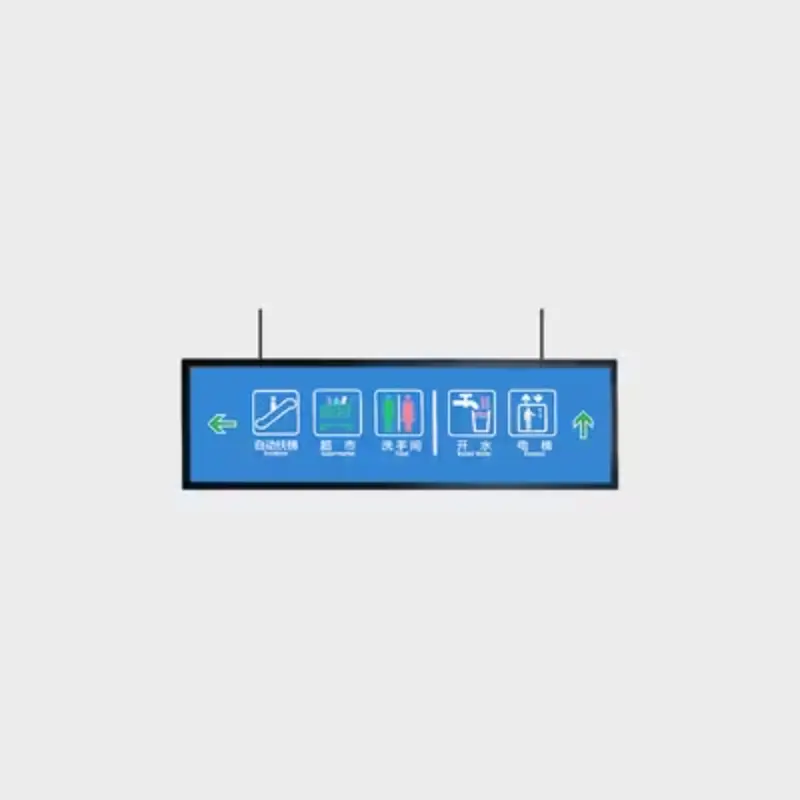
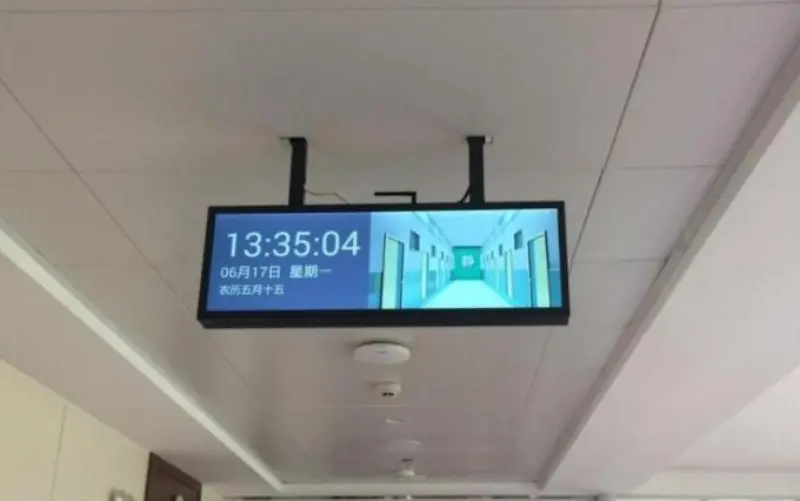
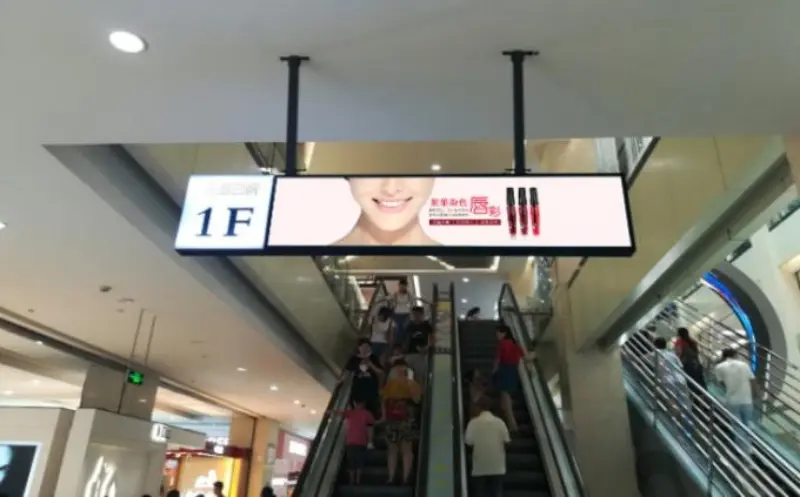
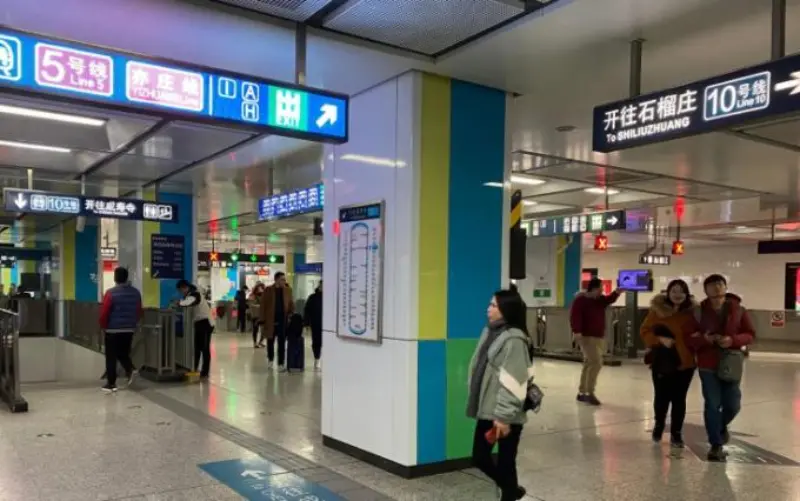
The Dual Facing LCD Signage Display is designed for corridors, entrances, concourses and other circulation areas where people approach from two directions. Its opposing screen faces allow one suspended or structure-integrated unit to present wayfinding, announcements or promotional content to audiences on both sides.
Each display face uses a wide 1920 × 360 content format. The complete unit measures 1199.84 × 241.42 × 55 mm and provides an active image area of 1189.44 × 223.02 mm. The elongated format is suitable for directional messages, store promotions, service information, transport notices and event guidance.
The system includes Android 7.1 on an RK3288 processing platform and identifies HDMI, USB and TF card as content-input routes. The playback workflow, network functions and ability to run different content on each face must be defined during project review.
Key Specifications
| Specification | Value |
|---|---|
| Display size | 47.6 inches |
| Native resolution | 1920 × 360 pixels |
| Architecture | Dual-facing commercial signage unit |
| Luminance | 700 cd/m² |
| Contrast ratio | 1200:1 |
| Active area | 1189.44 × 223.02 mm |
| Overall dimensions | 1199.84 × 241.42 × 55 mm |
| Operating system | Android 7.1 |
| Processor | RK3288 quad-core Cortex-A17, 1.8 GHz |
| Media inputs | HDMI, USB and TF card |
| Power reference | 150 W |
| Backlight | WLED |
| Operating temperature | 0°C to +50°C |
Planning Content for Two Opposing Display Faces
Same-content and different-content workflows
A dual-facing housing does not automatically establish how the two screens are controlled. The project specification must state whether both faces will show the same content or require separate playlists.
Synchronized content is appropriate for:
- Directional arrows
- Public announcements
- Event schedules
- Safety notices
- Building information
- General promotions
Different content may be preferred when each side faces a different destination, tenant group or traffic flow. This requirement must be confirmed against the media-player and control architecture before deployment.
The Dual Facing LCD Signage Display should not be described as independently controlled until the controller configuration, video routing and software functions have been verified.
Native 1920 × 360 artwork
Artwork should be created directly at 1920 × 360 pixels. Scaling conventional 16:9 advertising content into the ultra-wide space can produce undersized text, excessive cropping or large unused areas.
Effective layouts generally use:
- One primary message
- A short supporting line
- Directional icons
- A limited number of product images
- High-contrast typography
- Controlled animation speed
- Clear spacing between information zones
The production team should test actual artwork on a sample at the intended viewing distance. Text height, image cropping and message duration should be evaluated from both traffic directions.
Android and Media Input Integration
Android 7.1 application review
The integrated system is identified with Android 7.1 and an RK3288 quad-core Cortex-A17 processor operating at 1.8 GHz. This provides a defined playback platform, but software suitability depends on the application package, codec, security requirements and peripheral configuration.
Before approval, provide:
- Required application package
- Supported Android version range
- Video and image formats
- Playlist structure
- Startup behaviour
- Orientation requirements
- Offline playback requirements
- Restart and recovery rules
- Required language support
- Content-update procedure
Android compatibility should be validated with the production-intent application rather than assumed from the operating-system name alone.
HDMI, USB and TF-card content routes
HDMI can be used for an external media source when the approved configuration exposes a usable input. USB and TF card support local media workflows, subject to supported file systems, codecs and playback software.
The engineering review should determine:
- Primary content source
- Backup content source
- Required connector access
- Removable-media security
- File-update procedure
- Cable retention
- Service access
- Automatic playback behaviour
- Recovery after power interruption
Wi-Fi, Ethernet, cloud publishing and remote monitoring are separate requirements and should be specified explicitly rather than inferred.
Mechanical Integration of the Dual Facing LCD Signage Display
Housing dimensions and mounting support
The overall housing measures 1199.84 × 241.42 × 55 mm. The mounting system must support the complete finished unit rather than only the LCD glass or one enclosure edge.
A mechanical review should cover:
- Suspension points
- Bracket spacing
- Structural load
- Installation orientation
- Ceiling or wall material
- Safety retention
- Alignment between both faces
- Vibration from nearby equipment
- Service removal
- Local installation requirements
The installation drawing should include all fasteners, secondary safety restraints and cable-entry positions.
Cable, service and ventilation access
The 150 W product reference requires coordinated power delivery and thermal planning. Cable entry should avoid sharp bends, pinch points and visible loops below a suspended installation.
Provide clearance for:
- AC or DC power hardware
- HDMI cables
- USB devices
- TF-card access
- Controller service
- Ventilation paths
- Maintenance tools
- Mounting adjustment
- Safe unit removal
The enclosure should not be boxed into an unventilated cavity without a thermal assessment.
Optical, Power and Temperature Boundaries
The standard luminance is 700 cd/m². This supports evaluation in well-lit indoor and covered public areas, but it does not establish direct-sun performance.
Finished-system readability depends on:
- Ambient illumination
- Screen reflections
- Viewing distance
- Installation height
- Content contrast
- Protective-front construction
- Dust accumulation
- Display orientation
- Temperature inside the housing
The 700 cd/m² value should therefore be tested at the actual site or in a representative lighting environment.
The 150 W figure is a complete-product power reference for electrical and thermal planning. The branch circuit, power conversion, cabling and protective devices should be selected for the approved production configuration.
The stated operating range is 0°C to +50°C. Installations outside that range require a different product configuration or a controlled enclosure. The rating does not establish outdoor, waterproof or cold-start performance.
Application Fit
The display can be evaluated for:
- Building-lobby information
- Shopping-mall corridors
- Hotel passages and entrances
- Hospital hallways
- Station concourses
- Subway circulation areas
- Government-building notices
- Exhibition guidance
- Event schedules
- Covered transport information
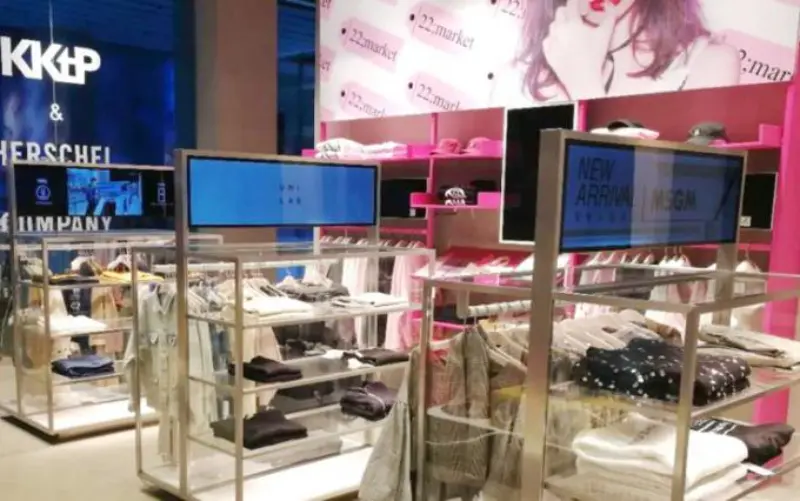
- Retail promotional strips
- Public wayfinding
The two opposing faces are most useful where pedestrian traffic passes in both directions. Installation height, content readability and safe structural support should be reviewed for every site.
The product should not be represented as an outdoor, interactive or network-managed display unless the selected project configuration confirms those capabilities.
Project Customization and Sample Review
Project-specific reviews may include:
- Mounting brackets
- Hanging structure
- Enclosure finish
- Logo and visual identity
- Cable-entry position
- Media-player configuration
- Same-content or different-content playback
- Startup screen
- Local media workflow
- Content-management requirements
- Packaging and labeling
- Power-cable configuration
Custom configurations are generally reviewed from 500 pieces, subject to tooling requirements, material availability and specification scope. Sample and standard-product quantities are confirmed separately.
A production release should follow approval of the mechanical drawing, playback workflow, installation method and sample-validation report.
Procurement Checklist
Submit:
- Native 1920 × 360 content examples
- Same-content or different-content requirement
- Android application list
- Required media formats
- HDMI, USB and TF-card workflow
- Network requirements
- Startup and recovery behaviour
- Mounting drawing
- Installation orientation
- Structural support details
- Cable-entry plan
- Power location
- Ambient-light conditions
- Operating-temperature range
- Required compliance documents
- Sample quantity
- Annual demand
- Acceptance criteria
Engineering review should cover content mapping, media-player compatibility, mounting safety, cable access, thermal conditions, optical performance and sample qualification.
FAQ
About 47.6 Inch Dual Facing LCD Signage Display
What must be confirmed before using different content on the two sides?
How should artwork be prepared for the 1920 × 360 format?
Is 700 cd/m² sufficient for a station or shopping-mall corridor?
What installation information is needed before ordering?
What should be checked before installing an Android application?
Freya Yang
+86 18318948097