Freya Yang
+86 18318948097
+852 62667476
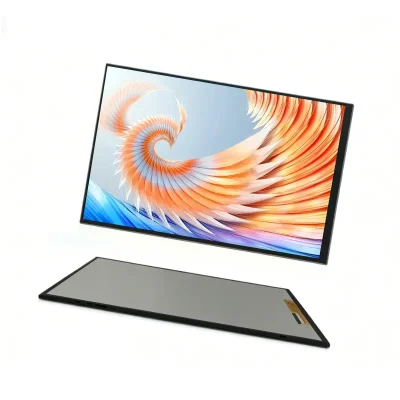
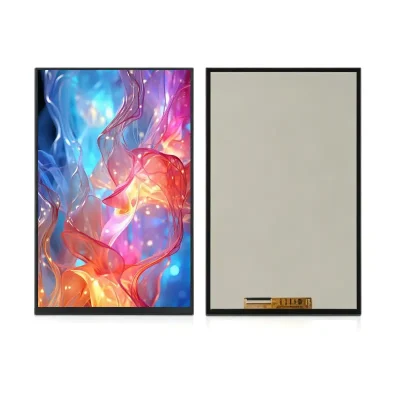
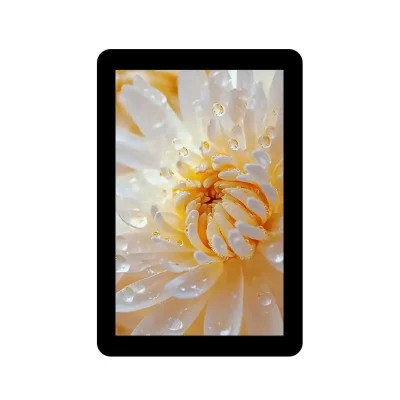
10.1″ 1000nits IP65 USB EETI 10-Point Industrial Touch Module 60Hz


Model P/N
Size
Resolution
Brightness
Viewing Angle
Connector Type
Operating Temp
Overall(mm)
huisoar
HSFPCY1
Brand
Panel Size (inch)
Model P/N
Resolution
Brightness (nits)
Viewing Angle
Contrast Ratio
Response Time
Overall (mm)
Active Area (mm)
Refresh Rate
Display Colors
Panel Type
Connector Type
Surface Treatment
Operating Temp
Touchscreen Type
Storage Temp
Work Mode
Pixel Format
Weight (g)
Designed For
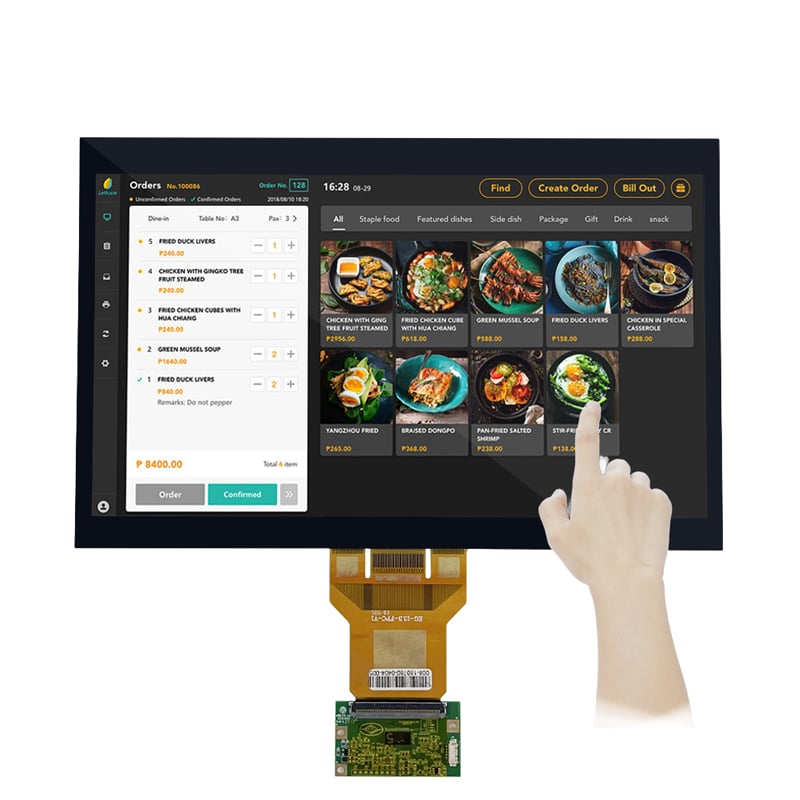
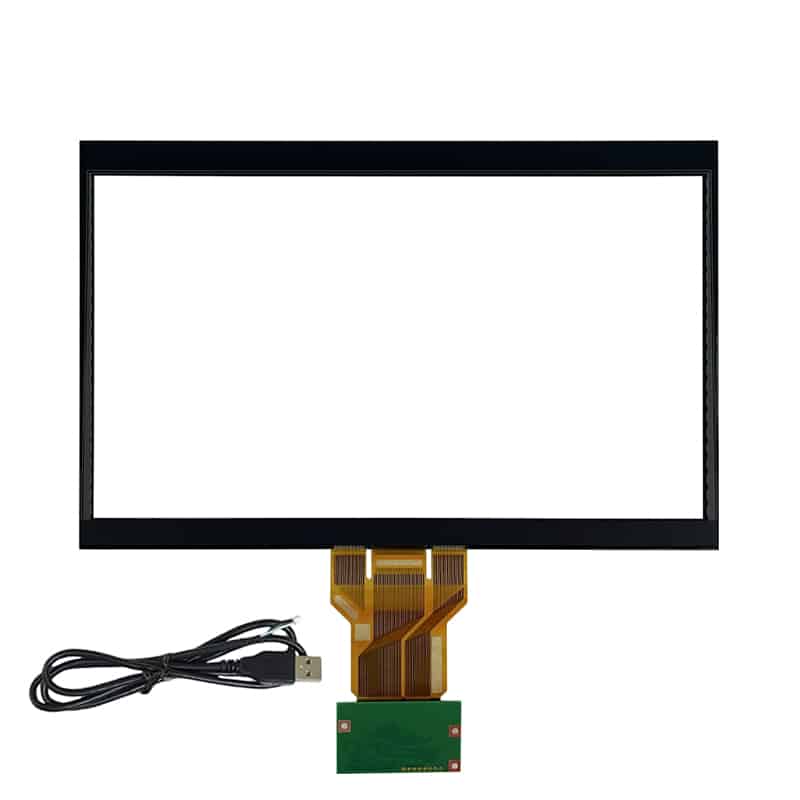
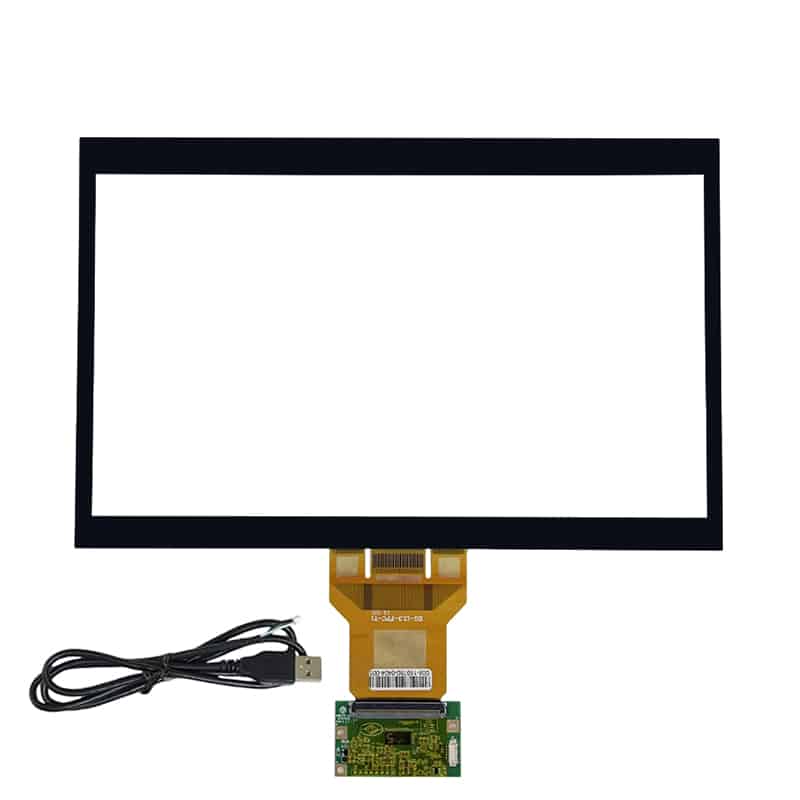
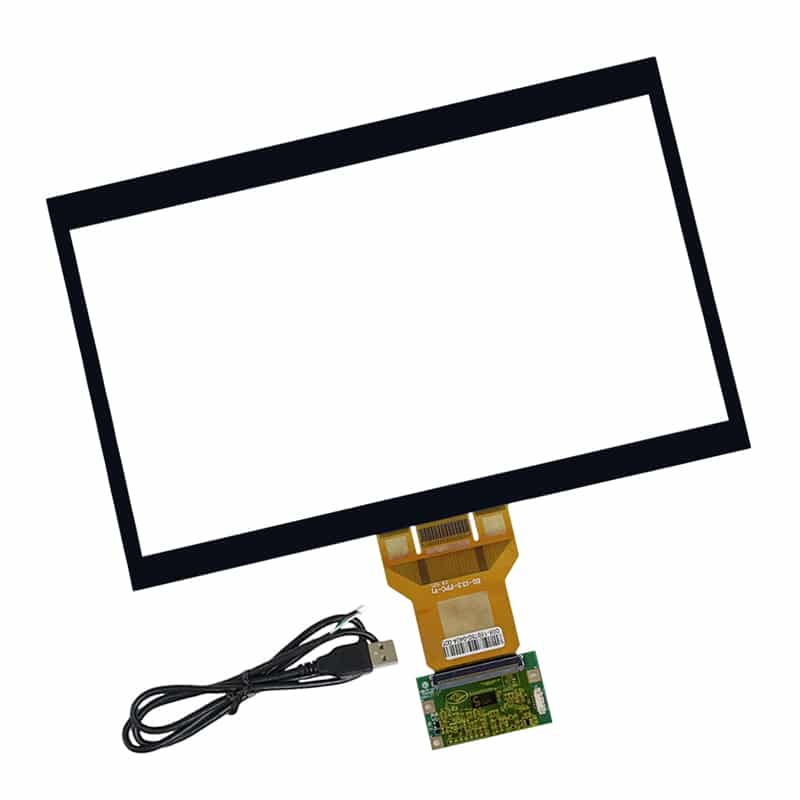
The 10.1" 1000nits IP65 USB EETI 10-Point Industrial Touch Module is a high-reliability, user-friendly display solution engineered for industrial Human-Machine Interface (HMI) and industrial automation applications, combining IP65 full-sealing waterproof/dustproof protection, EETI (Elan Microelectronics) industry-leading touch IC technology, USB plug-and-play connectivity, and 10-point precise multi-touch functionality to deliver seamless operation in harsh industrial environments. Tailored for industrial control panels, medical equipment, and outdoor industrial terminals—where durability, ease of integration, and stable touch performance are critical—it stands out with its 60Hz smooth refresh rate, wide operating temperature range, and CE/FCC/RoHS multi-certification, making it a top choice for industrial equipment manufacturers, HMI system integrators, and medical device providers worldwide.
Core Optical & Touch Performance for Industrial Scenarios
Equipped with a 1280×800 WXGA resolution TFT LCD panel (16:10 aspect ratio) and a G+G structured capacitive touch screen, this touch module ensures sharp, clear visual output for industrial control data, medical imaging, and outdoor industrial information—ideal for industrial HMI panels, industrial automation workstations, and medical device displays. The 10.1-inch compact size (16:10 widescreen) optimizes space utilization in compact industrial equipment, while the 16.7M color depth delivers vivid, accurate color reproduction for complex industrial interfaces and medical diagnostic content.
The 1000nits high brightness (up to 1500nits customizable) and sunlight-readable design eliminate glare under direct industrial site lighting or outdoor sunlight, ensuring critical data visibility in bright industrial environments—critical for outdoor industrial terminals and manufacturing floor control panels. The 88-95% high transmittance maximizes light utilization, balancing display brightness with energy efficiency, outperforming standard industrial displays (75-85% transmittance). The 3-6ms fast response time and 60Hz refresh rate eliminate motion blur and screen lag, ensuring smooth, responsive touch interactions for real-time industrial control and precise medical equipment operation.
Powered by EETI—a globally recognized brand for industrial touch ICs—this module delivers industry-leading touch accuracy, stability, and anti-interference performance, a key advantage over competitors using generic ICs. The EETI drive IC supports USB plug-and-play functionality, enabling instant connection with industrial PCs, PLCs, and embedded systems without additional drivers, significantly reducing integration time and costs. The capacitive (PCAP) touch technology supports 10-point multi-touch as standard (up to 60-point customizable), enabling complex gestures and intuitive operation—perfect for multi-function industrial HMI panels and medical device control interfaces. Unlike conventional touch displays limited to conductive objects, this module works seamlessly with fingers, regular gloves, industrial gloves, and active styluses, adapting to diverse industrial and medical operational environments. With a touch service life of ≥50 million touches and IK10 scratch resistance, it withstands heavy daily use, harsh industrial conditions, and frequent medical device disinfection, minimizing maintenance and replacement costs for high-reliability equipment.
Structural Reliability & Industrial-Grade Environmental Adaptability
Built with a fully sealed IP65 front panel design and tempered glass cover (≥6H hardness), this module delivers superior durability and protection compared to standard industrial touch modules. The IP65 rating safeguards against water splashes, dust, oil contamination, and chemical corrosion, making it suitable for industrial environments with high dust levels, wet conditions, and medical environments requiring strict hygiene (e.g., operating rooms, clinics). The industrial-grade operating temperature range of -30℃ to 80℃ ensures consistent performance in extreme climates—from freezing cold storage facilities to high-temperature manufacturing plants—while the optional anti-UV and anti-condensation features further enhance outdoor and industrial adaptability.
The excellent EMI resistance eliminates self-generated interference, a critical requirement for industrial environments with complex electronic equipment and medical devices sensitive to signal disruption. The USB interface (5V power supply, ≤5W power consumption) simplifies integration with existing industrial systems, eliminating the need for additional power adapters and reducing cabling complexity. The module supports VESA mount and panel mounting installation, facilitating flexible deployment in industrial control cabinets, medical equipment enclosures, and outdoor industrial terminals. Backed by CE, FCC, and RoHS certifications, it complies with global industrial and medical product safety standards, ensuring market access for global customers.
Customization & Procurement Advantages
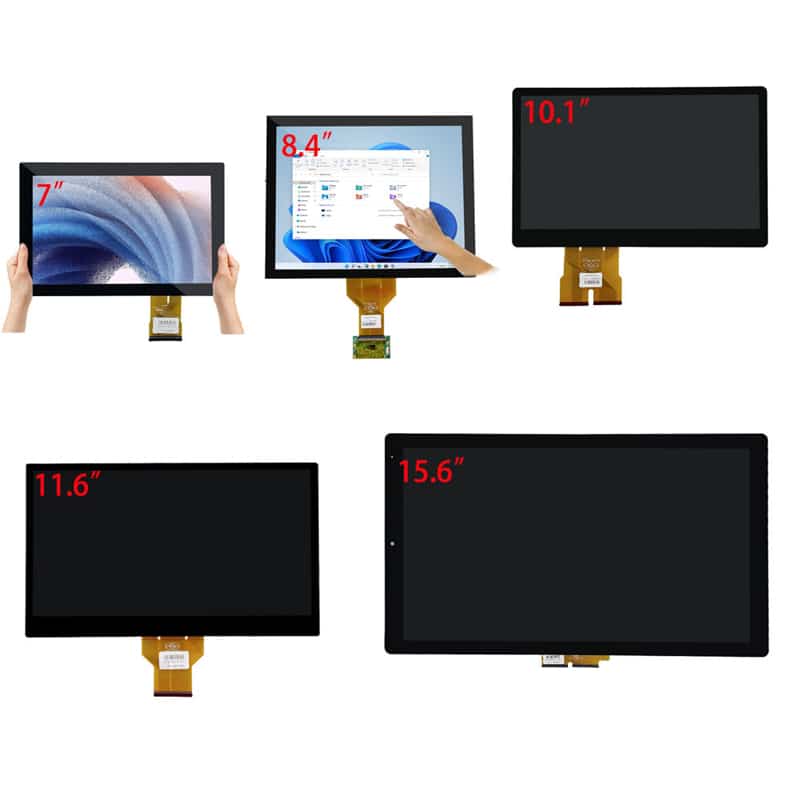
A key highlight of this industrial USB touch module is its comprehensive customization capabilities, designed to meet specific industrial, medical, and outdoor project requirements. Customers can customize screen sizes (7"–23.8"), cover glass thickness and silk printing, shape and logo, FPC length & shape, interface types (USB/I2C/RS232), and controller IC (EETI/ILITEK). The 3-day custom design turnaround accelerates project development, allowing rapid prototyping and testing for time-sensitive industrial and medical projects. Customized logo, packaging, and graphic options are available with a minimum order of 100 pieces, catering to brand-specific needs for industrial and medical equipment.
For procurement teams, the tiered pricing structure offers cost advantages for bulk orders: 2-499 pieces at SG$115.00, 500-999 pieces at SG$55.00, 1000-1999 pieces at SG$105.00, and ≥2000 pieces at SG$200.00. The module is in stock, ensuring fast delivery with lead times of 3 days for 1-5 pieces, 7 days for 6-50 pieces, 15 days for 51-200 pieces, and negotiable for orders over 200 pieces. Shipping options include air + express via cooperative logistics, with a SG$30 discount on the first shipping order and an estimated transit time of 3-5 days. The 12-month warranty and 3-5 years long-term supply guarantee for ODM/OEM projects ensure stable product support, with consistent material sources and IC models—critical for long-term production of industrial and medical equipment.
Typical Application Scenarios
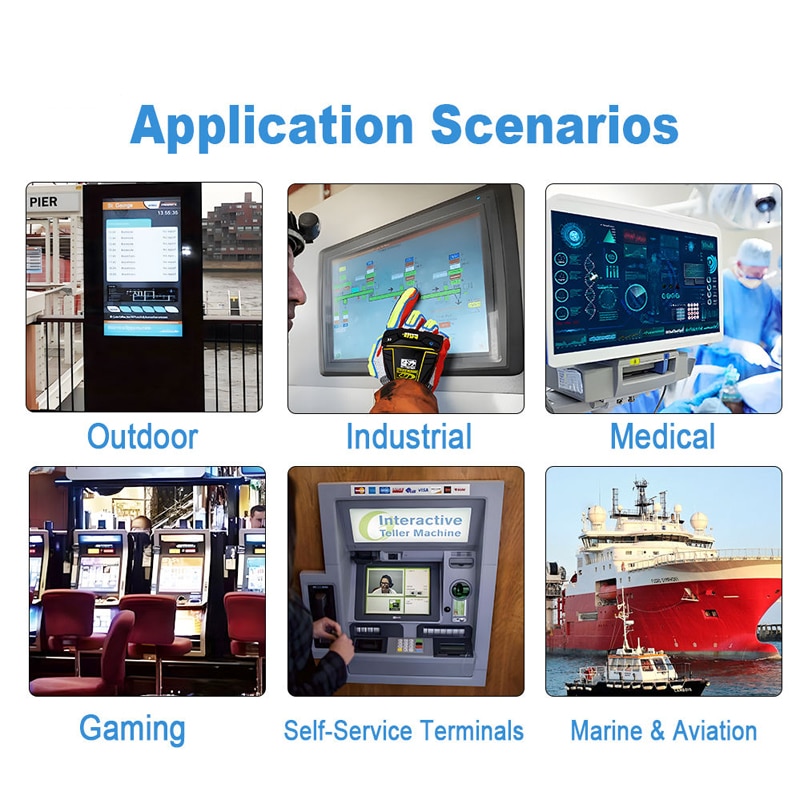
Primarily designed for industrial use, this 10.1-inch USB EETI touch module excels in diverse scenarios: industrial HMI control panels, industrial automation workstations, medical device displays (e.g., patient monitors, diagnostic equipment), outdoor industrial terminals, and medical device interfaces. Its IP65 waterproof/dustproof protection, EETI IC reliability, and USB plug-and-play design make it suitable for manufacturing facilities, hospitals, industrial parks, and remote outdoor industrial sites where standard displays would fail to withstand harsh conditions or ensure easy integration. The module’s compatibility with Windows XP/7/8/10/11, Android, Linux, and MacOS operating systems further extends its usability to diverse industrial, medical, and outdoor applications, from smart industrial sensors to medical monitoring systems.
Beyond traditional industrial and medical applications, the module can be integrated into ruggedized portable industrial devices, military-grade control systems, and outdoor industrial monitoring terminals—leveraging its IP65 protection, EETI IC performance, and industrial-grade build. The CE/FCC/RoHS certifications and wide temperature range extend its usability to global markets, ensuring compliance with regional safety and environmental standards.
The 10.1" 1000nits IP65 USB EETI 10-Point Industrial Touch Module combines industrial durability, user-friendly USB connectivity, EETI IC authority, and high-precision touch performance to meet the core needs of modern industrial, medical, and outdoor applications. Its IP65 full-sealing design, 1000nits sunlight-readable brightness, EETI industry-leading IC, and long-term supply guarantee make it a standout solution for global industrial equipment manufacturers, medical device providers, and industrial HMI integrators. Contact the supplier to discuss customization options, bulk pricing, or sample orders tailored to your specific project requirements.
FAQ
What is the minimum order quantity (MOQ) for custom-sized automotive-grade displays with capacitive touch, like the 12.3" model shown?
What is the typical lead time and production capacity?
What are the packaging options for shipping and handling of fragile LCD panels?
What is the typical lead time for custom display modules with specific interface requirements?
What are the power consumption specifications for your sunlight readable displays in various brightness modes?
What is the lead time for standard TFT display modules in your inventory?
What are the power consumption specifications for your high-brightness outdoor displays?
How do your displays perform in high-vibration or shock-prone environments typical in military or heavy machinery?
How do you manage supply chain risks for key components like driver ICs or glass substrates, especially for long-term industrial projects?
What are the brightness levels available for industrial displays, and can you customize beyond 1500 nits?
Freya Yang
+86 18318948097