Freya Yang
+86 18318948097
+852 62667476
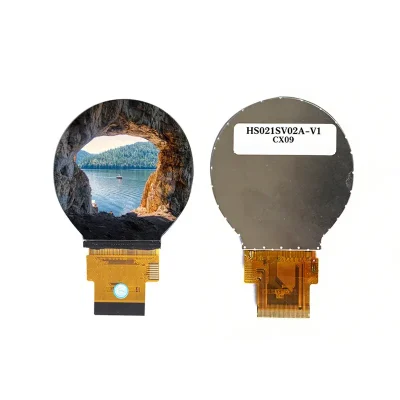
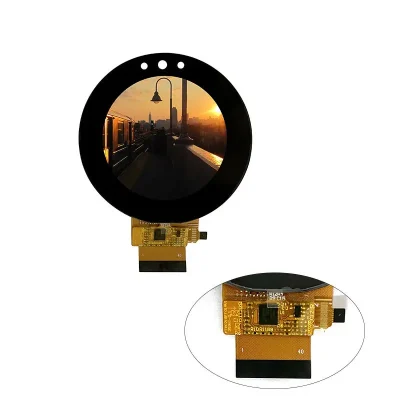
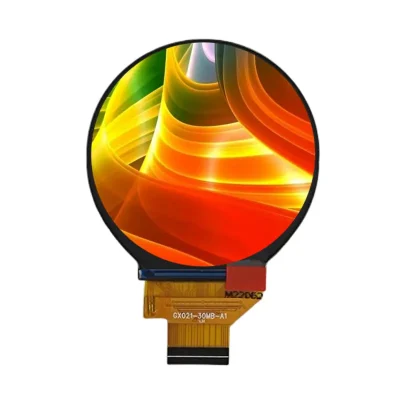
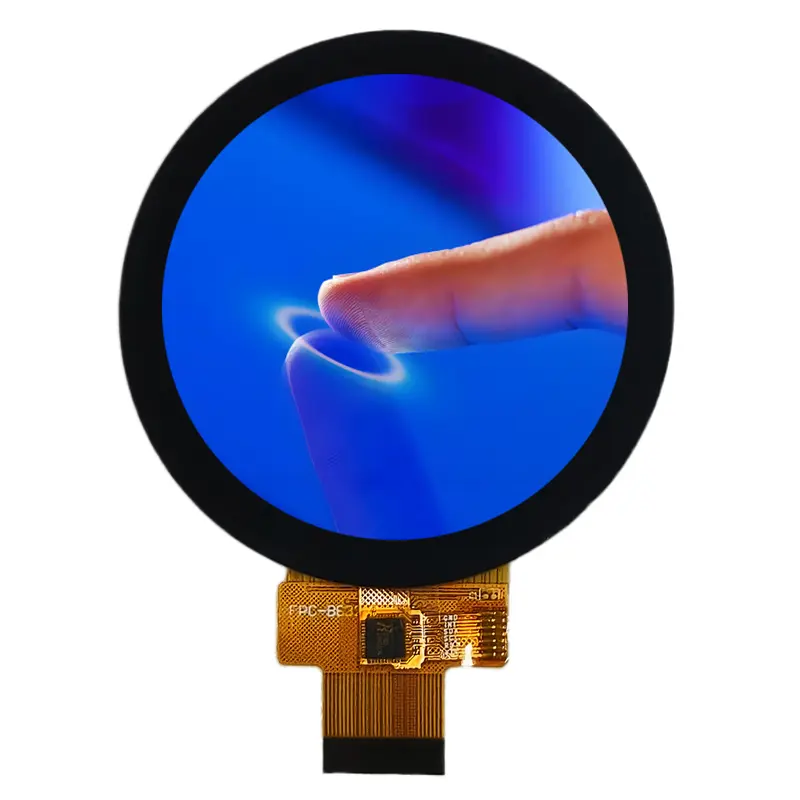
2.1″ 480×480 350nits MIPI Wearable Round TFT LCD Module 1000:1
Model P/N
Size
Resolution
Brightness
Viewing Angle
Connector Type
Operating Temp
Overall(mm)
huisoar
HSL021Y8911M
Brand
Panel Size (inch)
Model P/N
Resolution
Brightness (nits)
Viewing Angle
Contrast Ratio
Response Time
Active Area (mm)
Refresh Rate
Display Colors
Panel Type
Connector Type
Operating Temp
Touchscreen Type
Storage Temp
Work Mode
Designed For
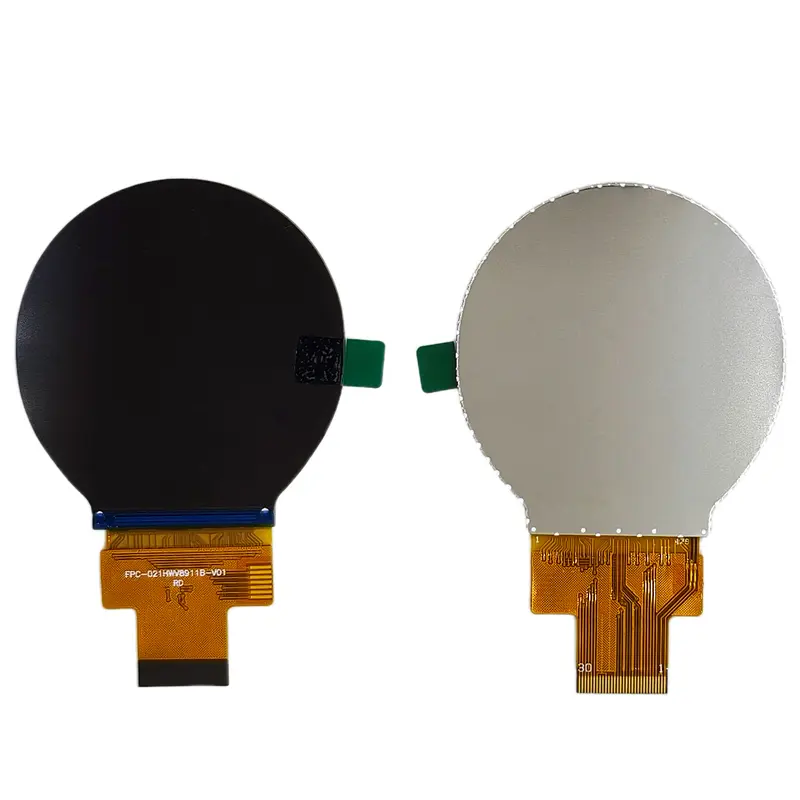
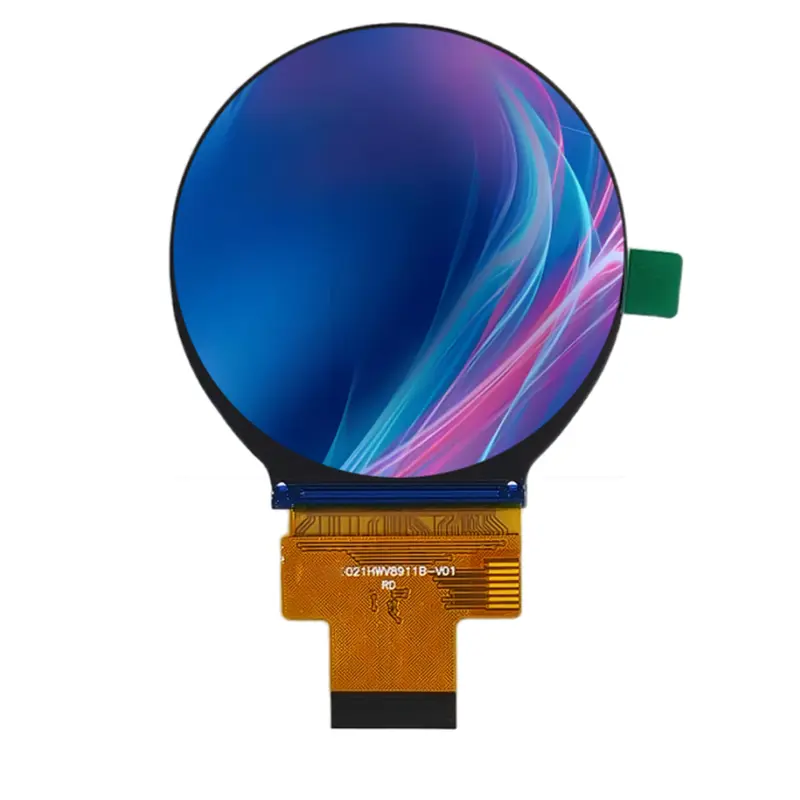
The 2.1" 480x480 350nits MIPI Wearable Round TFT LCD Module is a compact, low-power display solution engineered specifically for wearable devices, combining round form factor, 480×480 full HD resolution, 350nits brightness, MIPI professional interface, and WLED backlight to deliver reliable performance and excellent visual experience in miniaturized wearable scenarios. Tailored for round smart devices, portable mini terminals, and wearable electronics—where compact size, low power consumption, and clear display are critical—it stands out with its 1000:1 high contrast ratio, 85° full wide viewing angle, and 16.7M color depth, making it a top choice for wearable device manufacturers, smart gadget brands, and portable electronics integrators worldwide.
Core Optical Performance for Wearable Scenarios
Equipped with a 2.1-inch round TFT LCD panel (LCM composition) and 480×480 full HD resolution, this module ensures sharp, detailed visual output for wearable device interfaces, health monitoring data, and miniaturized content—ideal for smart watches, round fitness trackers, and portable mini terminals. The 1:1 aspect ratio and round shape perfectly fit the ergonomic design of wearable devices, eliminating unused display space and enhancing user comfort during extended wear.
The 350nits high brightness ensures clear visibility in diverse lighting conditions—from indoor environments to outdoor sunlight—outperforming standard wearable displays (250-300nits) and ensuring critical health data or device notifications are easily recognizable. The 1000:1 high contrast ratio enhances image depth and detail, making it suitable for displaying small text, health metrics, and miniaturized icons on wearable interfaces. The 85° full wide viewing angle guarantees consistent image clarity from all positions, a key advantage for wearable devices that may be viewed from diverse angles during daily use.
The MIPI interface delivers stable, high-speed data transmission with ultra-low power consumption, a critical advantage for battery-powered wearable devices requiring long standby time. Compared to traditional interfaces, MIPI reduces power usage by up to 30%, extending device battery life while maintaining reliable display performance. The 16.7M color depth delivers vivid, accurate color reproduction, making it suitable for displaying color-coded health data, interactive menus, and personalized wearable content.
Structural Reliability & Wearable-Environment Adaptability
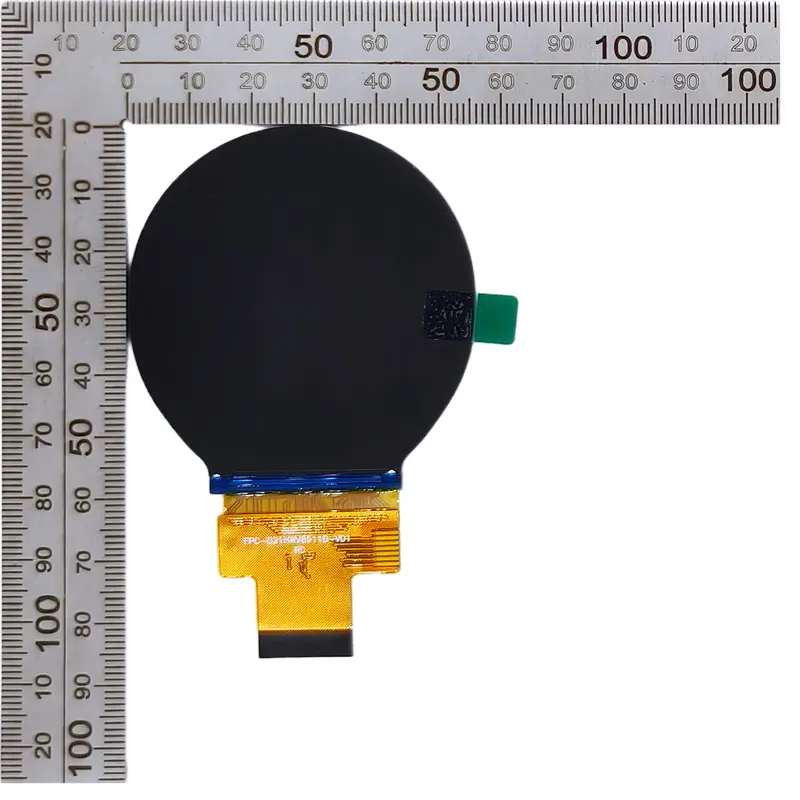
Built with a compact LCM (Liquid Crystal Module) structure and round form factor, the module offers excellent mechanical compatibility with wearable device designs. The ultra-slim profile (2–4mm industry standard thickness) and lightweight construction (≤100g) ensure seamless integration into small wearable enclosures, without adding unnecessary bulk or weight. The module’s round bezel design fits perfectly with the curved ergonomics of wearable devices, enhancing user comfort during daily wear.
The wide operating temperature range of -20℃ to 60℃ and storage temperature range of -30℃ to 80℃ ensure reliable performance in diverse environmental conditions—from cold outdoor activities to warm indoor settings—making it suitable for all-weather wearable use. The WLED backlight technology ensures uniform brightness distribution and a long service life of ≥50,000 hours, minimizing maintenance and replacement costs for wearable devices designed for long-term use.
The module complies with strict wearable device standards, including CE, RoHS, and FCC certifications, ensuring safety and compatibility with global wearable electronics regulations. The manufacturer (Shenzhen Amelin Electronic Technology Co., Ltd.) specializes in TFT liquid crystal displays and wearable device components, with rich experience in miniaturized display technology and production.
Customization & Procurement Advantages
A key highlight of this wearable round TFT module is its flexible customization capabilities, designed to meet specific wearable device project requirements. Customers can customize logo, packaging, and graphics with a minimum order of 1000 pieces, and the supplier accommodates tailored requirements for touch functionality, brightness calibration, and interface adaptation. The optional capacitive touch panel supports single-touch operation, ideal for interactive wearable interfaces such as smart watch menus and fitness tracker controls.
For procurement teams, the tiered pricing structure offers cost advantages for bulk orders (specific prices negotiable with supplier). Lead times are flexible, with small-batch orders (1-100 pieces) delivered in 15-20 days and large-batch orders (≥1000 pieces) delivered in 25-35 days. The supplier maintains stable inventory for core specifications, ensuring fast delivery for time-sensitive wearable device development projects. Technical support is comprehensive, with engineers available to assist with integration issues and provide complete development documentation (datasheet, schematic, driver software, etc.).
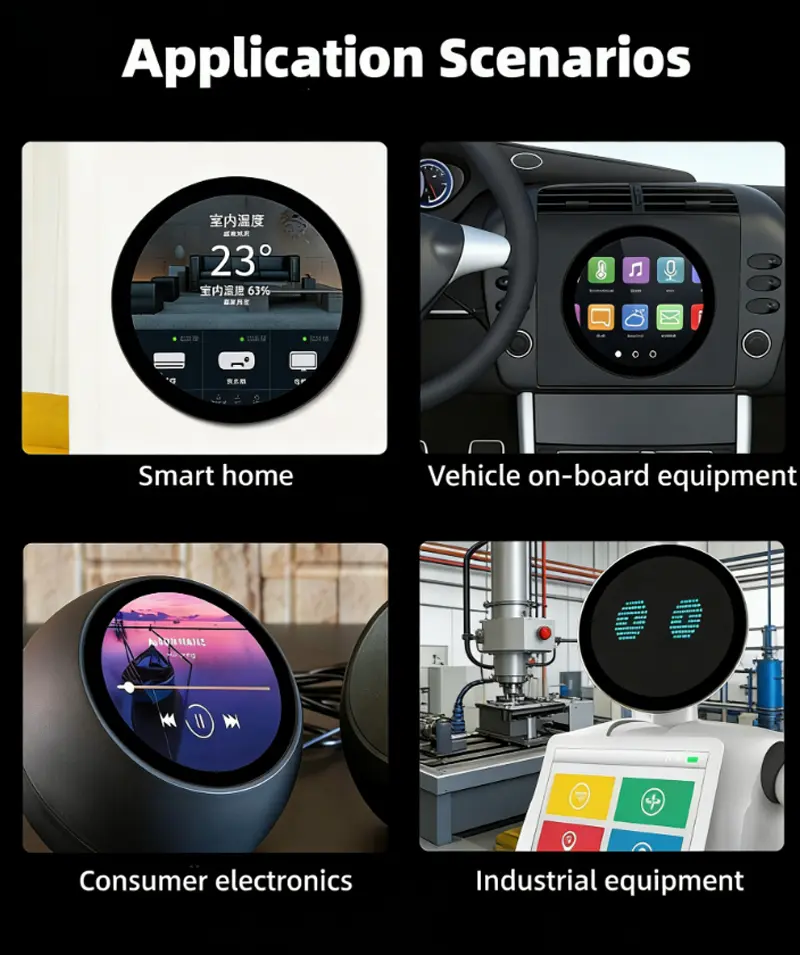
Typical Application Scenarios
This 2.1-inch round TFT module excels in wearable device scenarios: round smart watches, fitness trackers, portable health monitors, and miniaturized smart gadgets. Its compact size, low power consumption, and round form factor make it suitable for consumer wearable electronics, medical portable devices, and outdoor activity trackers. The module’s 350nits brightness and wide viewing angle ensure visibility in outdoor sports settings, while its low power consumption extends battery life for all-day wearable use.
Beyond traditional wearable applications, the module can be integrated into miniaturized medical devices, portable GPS trackers, and smart jewelry—leveraging its round form factor, compact size, and stable performance. The MIPI interface ensures compatibility with modern wearable device processors, while the low power consumption and durable design enhance its suitability for long-term, on-the-go use.
The 2.1" 480x480 350nits MIPI Wearable Round TFT LCD Module combines round form factor, high-definition display, and wearable-optimized performance to meet the core needs of modern wearable electronics applications. Its MIPI low-power interface, 350nits brightness, and 1000:1 contrast ratio make it a standout solution for global wearable device manufacturers, smart gadget brands, and portable electronics integrators. Contact the supplier to discuss customization options, bulk pricing, or sample orders tailored to your specific wearable project requirements.
FAQ
What is the minimum order quantity (MOQ) for custom-sized automotive-grade displays with capacitive touch, like the 12.3" model shown?
What are the packaging options for shipping and handling of fragile LCD panels?
What is the minimum order quantity (MOQ) for custom display modules with integrated touch and controller boards?
What are the key differences between standard TFT displays and stretched bar LCDs for automotive dashboard applications?
What is the contrast ratio and color gamut coverage (e.g., sRGB, DCI-P3) of your panels?
Can you integrate capacitive or resistive touch screens with optically bonded covers for enhanced durability?
What are the key durability and reliability differences between your standard TFT displays and your sunlight readable models for outdoor industrial use?
Can you provide detailed specifications for sunlight-readable displays, including luminance levels and anti-glare treatments?
Can you provide samples of your high-brightness (≥1000 nits) displays for evaluation, and what are the terms and costs?
What is the typical lifespan (MTBF) of your industrial LCD panels under continuous operation?
Freya Yang
+86 18318948097