Freya Yang
+86 18318948097
+852 62667476
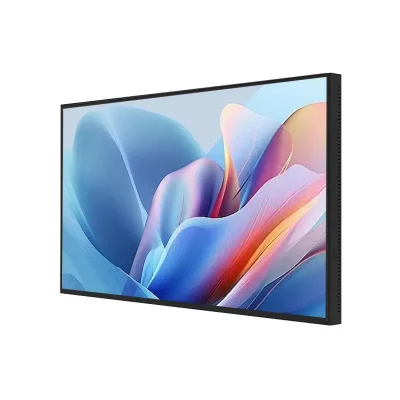
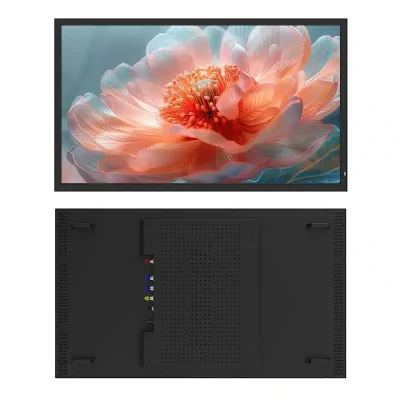
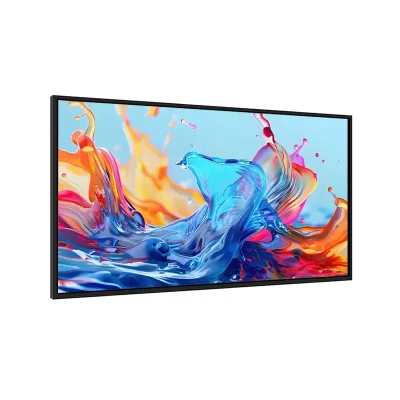
75 Inch 4K Digital Signage Window Display Screen for Retail

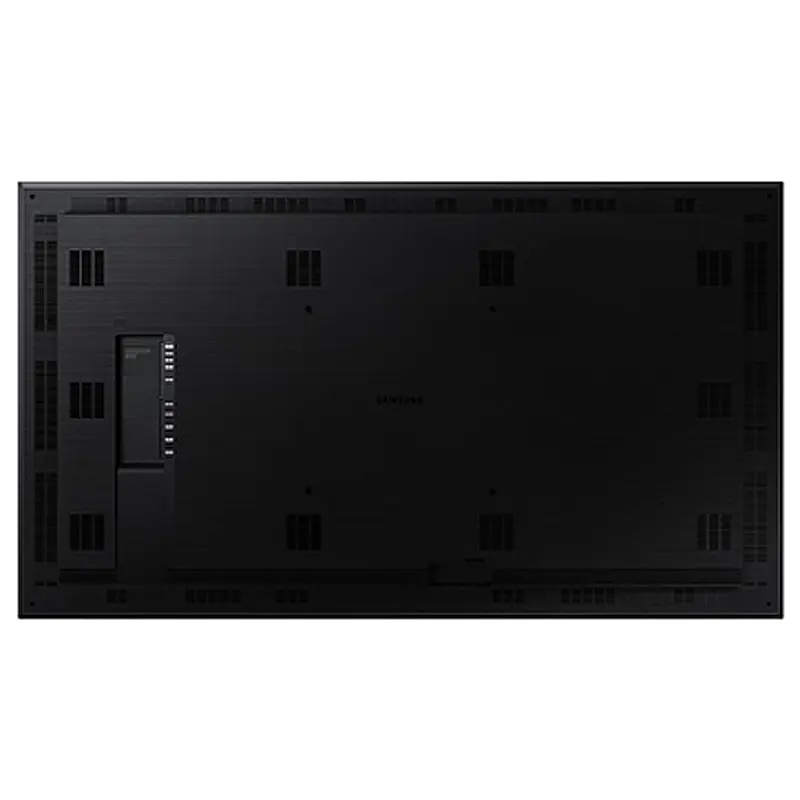
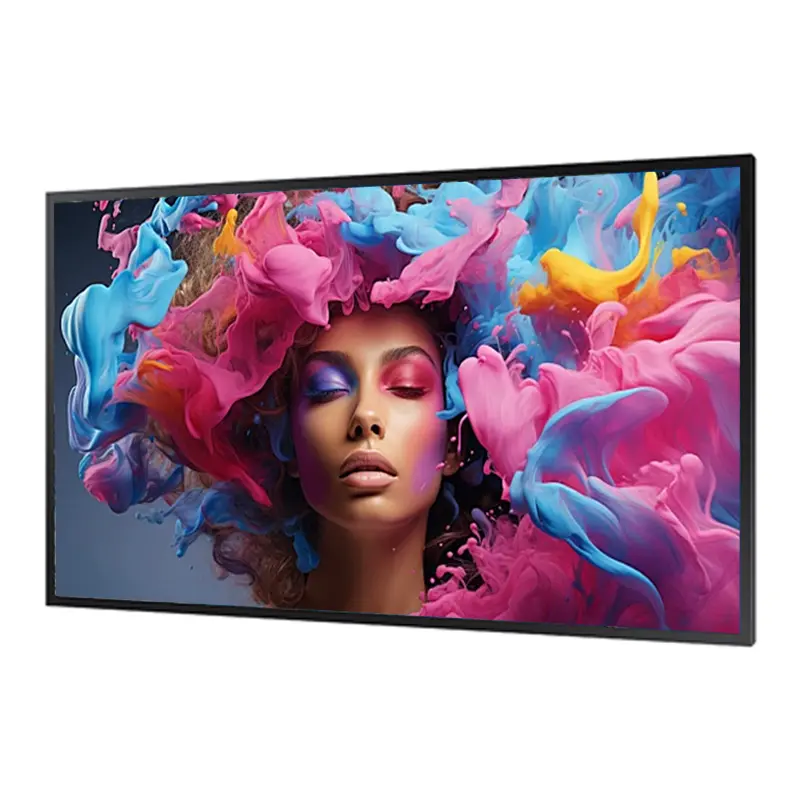
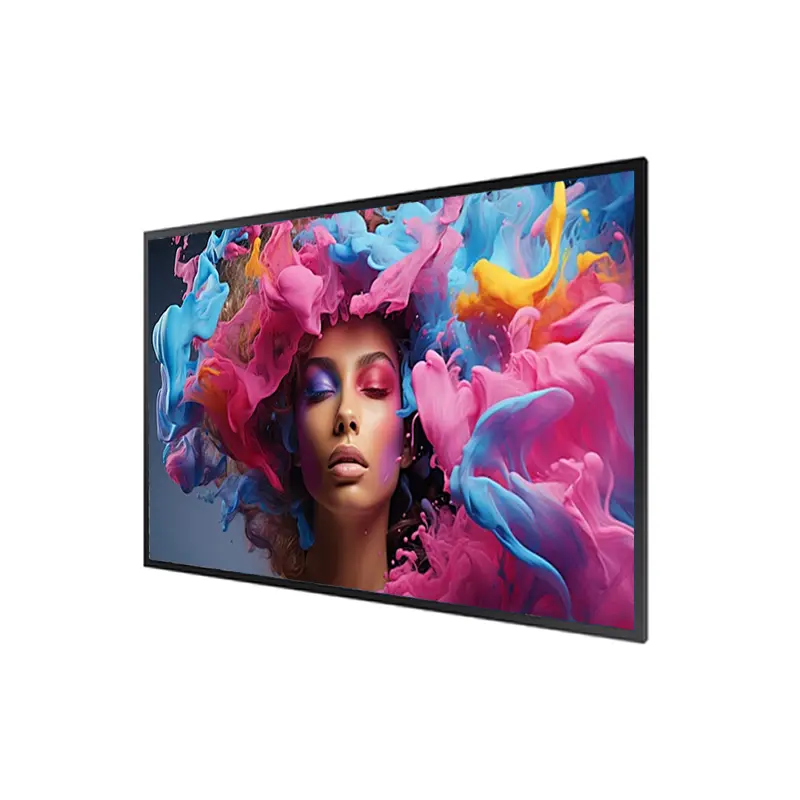
Model P/N
Size
Resolution
Brightness
Viewing Angle
Connector Type
Operating Temp
Overall(mm)
huisoar
HS75O-MAEBGBXZA
Brand
Panel Size (inch)
Model P/N
Resolution
Brightness (nits)
Viewing Angle
Contrast Ratio
Response Time
Overall (mm)
Active Area (mm)
Refresh Rate
Display Colors
Panel Type
Connector Type
Surface Treatment
Operating Temp
Touchscreen Type
Storage Temp
Work Mode
Control Type
Weight (g)
Unit Input Voltage
Maximum Power
Product Appearance Size
Product Weight
Included Accessories
Operating Environment
Motherboard Type
I/O Interface
Designed For
75 Inch 4K Digital Signage Window Display Screen for Retail
This 4K Digital Signage Window Display Screen combines 4000 cd/m² output with embedded control for large retail storefronts.
Product Summary
A 4K Digital Signage Window Display Screen gives flagship stores a large visual platform for promotions that must remain visible through storefront glass. The 75-inch format combines 3840 × 2160 UHD resolution, 4000 cd/m² typical brightness, 24/7 operation and embedded content management in a commercial enclosure designed for window-facing installations.
This 75-inch unit is a finished smart-signage display, not a bare LCD panel.
Its 4000 cd/m² rating provides substantial optical headroom for bright retail windows, while the ADS panel, 1200:1 contrast ratio and 178° horizontal and vertical viewing support wide public viewing positions. The screen measures 1703.1 × 981.1 × 85.4 mm and weighs 37.2 kg, making structural and thermal planning essential parts of the installation.
Key Specifications
| Item | Standard configuration |
|---|---|
| Display size | 75 inches |
| Native resolution | 3840 × 2160 pixels, 4K UHD |
| Panel technology | ADS |
| Brightness | 4000 cd/m² typical |
| Active area | 1649.664 × 927.936 mm |
| Pixel pitch | 0.4296 × 0.4296 mm |
| Contrast ratio | 1200:1 typical |
| Viewing angle | 178° horizontal / 178° vertical |
| Response time | 14 ms |
| Colour gamut | NTSC 72% |
| Glass haze | 2.5% |
| Operating schedule | 24/7 |
| Set dimensions | 1703.1 × 981.1 × 85.4 mm |
| Set weight | 37.2 kg |
| Mounting pattern | VESA 400 × 400 mm |
| Power input | AC 100–240 V, 50/60 Hz |
| On-mode power | 900 W |
| Embedded platform | Tizen 5.0 with MagicINFO Player |
| Protection boundary | IP5X dust validation |
These values follow the current OM75A product specification rather than the conflicting panel-mode, haze, depth and temperature values appearing in some distributor materials.
Why 4000 cd/m² Matters Through Storefront Glass
Visibility Through Glass
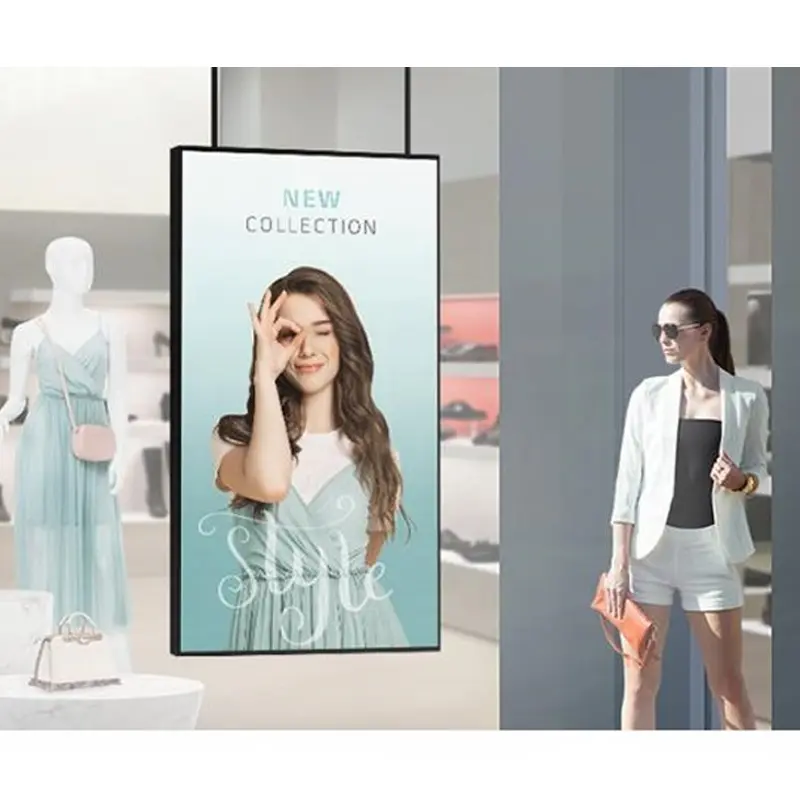
A screen behind a retail window must compete with daylight, reflected buildings, pavement glare and the optical losses introduced by the glass. The 4000 cd/m² output is designed for high-brightness window applications and gives promotional content more visibility than a conventional indoor commercial screen.
A 4000 cd/m² rating still requires validation through the actual storefront glass and screen setback.
Site approval should include the glass transmission, reflectance, orientation, direct-sun duration and intended viewing distance. The screen should be tested with both bright promotional graphics and darker video sequences because the content itself changes perceived readability. Window-display suppliers consistently treat glazing, sunlight direction and heat buildup as installation-specific selection variables.
Glazing and Reflection Variables
The final visible contrast depends on more than the display specification. Double glazing, tinted films, internal reflections and excessive distance between the screen and glass can reduce the effect of the 4000 cd/m² output.
The display should be positioned to minimize reflected ceiling lights and bright interior surfaces. Where reflection remains excessive, the installation can be evaluated for external trim, light control or a separate optical treatment, but no bonding or coating option should be treated as standard without project confirmation.
4K Content and Large-Format Viewing
Native UHD Presentation
The native 3840 × 2160 canvas supports high-detail product imagery, fashion campaigns, automotive visuals, pricing, menus and large-format brand storytelling. Samsung’s Crystal Processor 4K also supports the presentation of lower-resolution content through UHD upscaling.
Native 4K assets remain preferable because they minimize scaling and give design teams better control over text edges, photography and fine graphical details. Campaign production should use the final landscape or portrait orientation rather than rotating a completed design at deployment.
Viewing Distance and Content Design
A 75-inch screen offers strong visual impact but requires content sized for the real viewing distance. Small interface elements or dense promotional text can remain difficult to read even on a 4K screen when customers are several metres away.
Retail campaigns should use large headlines, clear pricing, high-contrast calls to action and short content sequences. The 178° horizontal and vertical viewing range supports passersby approaching from different directions, but glass reflection and the storefront angle still need to be tested at the site.
4K Digital Signage Window Display Screen Integration
MagicINFO and Tizen Control
The embedded signage platform uses Tizen 5.0 with MagicINFO Player. This allows the display to play and manage content without requiring a separate visible computer at every location. Samsung also identifies embedded Wi-Fi and a cable-guide arrangement for a cleaner retail installation.
For multi-location deployment, the buyer should define content scheduling, user permissions, firmware management, network security, offline playback and recovery behavior before commissioning. The selected MagicINFO workflow must also match the customer’s server or cloud-management architecture.
Video, Network and Serial I/O
The standard interface set includes two HDMI inputs, one DisplayPort input, USB, RJ45, RS232 in/out, Wi-Fi, audio output and video output. HDMI supports a 24–75 Hz vertical scanning range, while DisplayPort supports 30–75 Hz.
These connections support embedded playback, an external media player or centrally managed signage. Procurement should state the intended player, content resolution, HDCP requirement, remote-control protocol, network topology and any loop-through requirement before rollout.
Power and Thermal Planning
900 W Electrical Load
The display accepts AC 100–240 V at 50/60 Hz and is rated at 900 W in on mode. Sleep consumption is listed at 0.5 W.
The 900 W on-mode load must be included in branch-circuit and thermal planning.
The electrical budget should also include any external media player, network switch, cooling equipment and auxiliary sensors. Cable routing must preserve rear service access and avoid blocking the ventilation path.
Direct-Sun Temperature Limits
Current Samsung documentation specifies operation from 0°C to +30°C when the display receives direct sunlight and from 0°C to +40°C without direct sunlight. The humidity range is 10%–80% RH, non-condensing.
A south- or west-facing window can create a much higher enclosure temperature than the room thermostat suggests. The thermal review should therefore consider window orientation, screen setback, HVAC operation, ventilation space and the duration of direct solar exposure.
Mechanical Integration
Set Dimensions and Weight
The enclosure measures 1703.1 × 981.1 × 85.4 mm and weighs 37.2 kg. The active display area is 1649.664 × 927.936 mm, while the bezel width is 23.9 mm.
The mounting frame must support the set weight plus the bracket, cabling and an appropriate structural safety margin. The installation should also retain sufficient rear and upper clearance for airflow and service.
VESA and Orientation Planning
The display supports a VESA 400 × 400 mm mounting pattern and portrait or landscape installation.
Landscape orientation is suitable for wide promotional films and multi-product campaigns. Portrait orientation works well for fashion posters, tall product imagery and narrow flagship windows. The bracket, cable exits, airflow and content layout must all be designed for the selected orientation.
Environmental Protection Boundaries
IP5X Dust Validation
IP5X addresses dust exposure within defined test conditions. It does not establish protection against rain, condensation, water jets or washdown.
IP5X dust validation does not establish rain or water-jet protection.
The standard unit should be installed inside a protected building envelope, facing the street through glass. An exposed-weather project requires a separately qualified cabinet, sealed cable entries, drainage, environmental control and appropriate structural engineering. Samsung specifically limits what its IP5X validation guarantees.
Production-Revision Approval
The set should be purchased against an approved production revision because some distributor materials show conflicting panel, haze, depth and temperature data. The approved order document should confirm the ADS panel, 2.5% haze, 85.4 mm depth and environmental limits before multiple sites are released.
Retail Application Fit
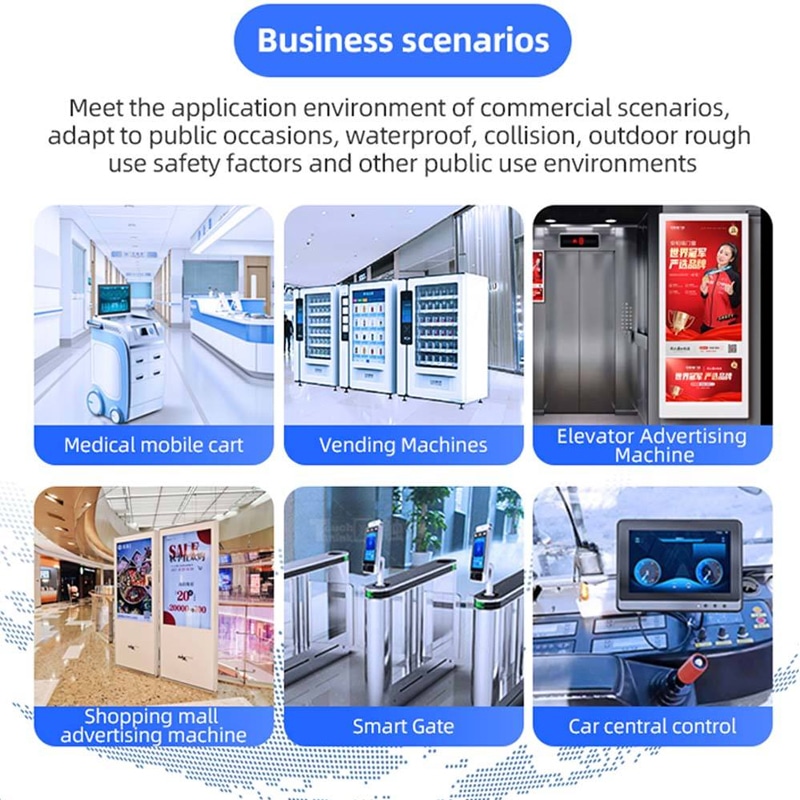
The 4K Digital Signage Window Display Screen is suited to flagship storefronts, fashion and electronics shops, automotive showrooms, shopping malls, bank branches, high-traffic service locations and transport-adjacent retail.
Its 75-inch image provides enough area for major campaign visuals without requiring an LED wall. The combination of 4K resolution, 4000 cd/m² output, 24/7 duty, embedded content management and portrait or landscape installation supports retailers that need a standardized large-window platform across multiple locations.
Customization Options
Project evaluation may cover storefront mounting, orientation, external trim, screen setback, reflection control, ambient-brightness settings, temperature sensing, network configuration, MagicINFO setup, cable routing, remote control, branding and installation hardware.
IP-rated outdoor cabinets, optical bonding, advanced coatings, wider-temperature systems and additional communication hardware are separate project routes rather than standard OM75A features.
Custom configurations are generally reviewed from 500 pieces, subject to engineering scope, material availability and requested modifications. Samples and standard-unit quantities are confirmed separately.
Procurement Checklist
- Confirm the assigned and reference product revisions.
- Lock the 4000 cd/m² brightness value and tolerance.
- Confirm the ADS panel and 2.5% haze specification.
- Provide the storefront compass orientation.
- Submit glass transmission and reflectance data.
- State the screen-to-glass setback.
- Define the daily direct-sun duration.
- Confirm the intended viewing distance.
- Approve native 3840 × 2160 content and the scaling policy.
- Confirm landscape or portrait installation.
- Design for the 1703.1 × 981.1 × 85.4 mm set dimensions.
- Design for the 37.2 kg structural load.
- Confirm the VESA 400 × 400 mm mounting arrangement.
- Define HDMI, DisplayPort and USB requirements.
- Define RJ45, RS232 and Wi-Fi requirements.
- Confirm the Tizen and MagicINFO workflow.
- Allocate AC 100–240 V, 50/60 Hz power.
- Include the 900 W on-mode load in the circuit plan.
- Submit the ventilation and solar-load strategy.
- Apply the 0°C to +30°C direct-sun limit.
- Apply the 0°C to +40°C non-direct-sun limit.
- Treat IP5X as dust validation only.
- Confirm whether touch or protective glass is required.
- State sample criteria, quantity and annual demand.
FAQ
About 75 Inch 4K Digital Signage Window Display Screen
What must be checked before placing this display behind storefront glass?
Does 4000 cd/m² guarantee visibility in every retail window?
How does the 900 W load affect installation planning?
Can IP5X be used as approval for exposed outdoor installation?
What information is needed for content and network commissioning?
Freya Yang
+86 18318948097