Freya Yang
+86 18318948097
+852 62667476
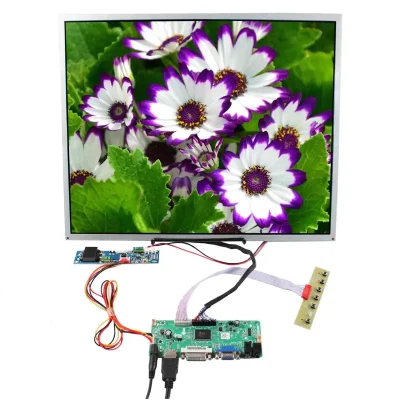
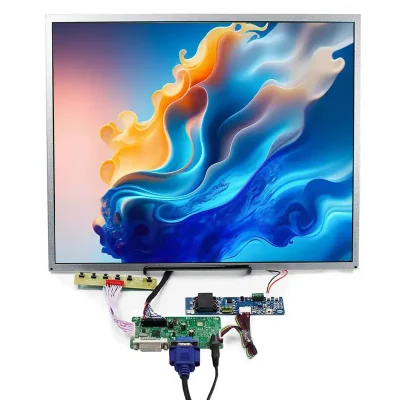
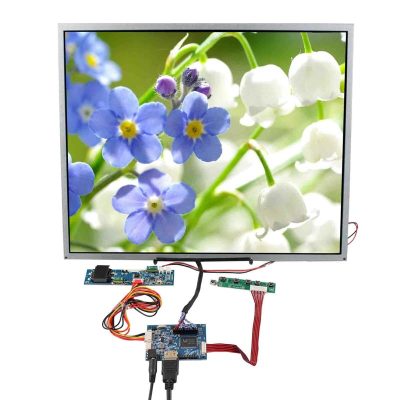
19 Inch Vending Machine LCD Module for Charging Kiosks
Model P/N
Size
Resolution
Brightness
Viewing Angle
Connector Type
Operating Temp
Overall(mm)
huisoar
HS190ENT-NE15
Brand
Panel Size (inch)
Model P/N
Resolution
Brightness (nits)
Viewing Angle
Contrast Ratio
Response Time
Overall (mm)
Active Area (mm)
Refresh Rate
Bezel Opening
Display Colors
Panel Type
Connector Type
Surface Treatment
Operating Temp
Touchscreen Type
Storage Temp
Work Mode
Pixel Format
Input Voltage (V)
Operating Environment
Designed For
19 Inch Vending Machine LCD Module for Charging Kiosks
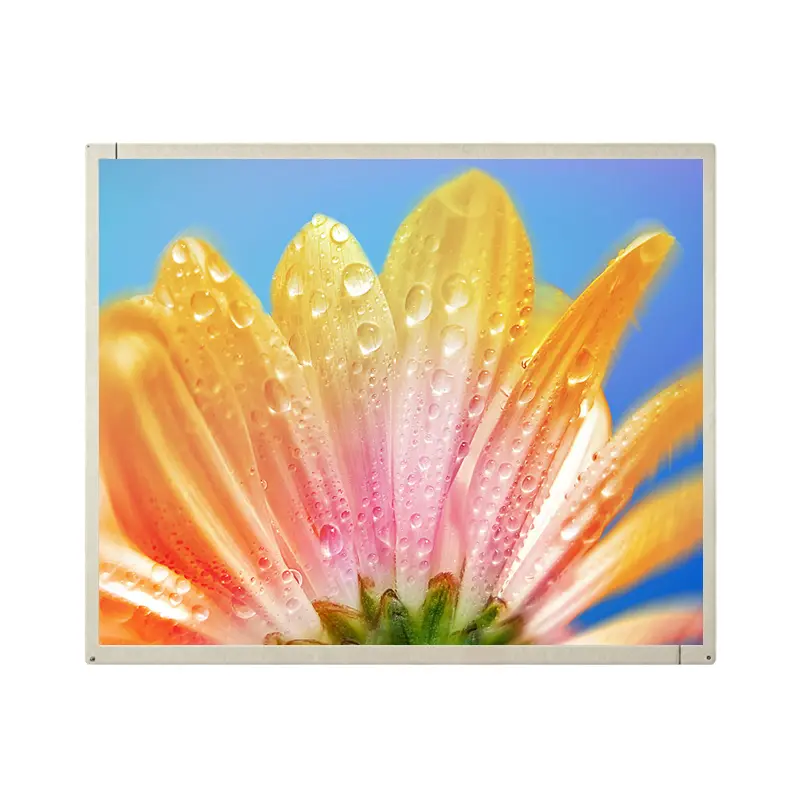
A 19-inch high-brightness panel for vending and charging kiosks, using a 5:4 SXGA image, 30-pin LVDS, and a non-touch configuration.
Product Summary
The Vending Machine LCD Module is a 19-inch a-Si TN TFT-LCD component for self-service equipment that needs a square-format interface and stronger luminance than a standard indoor screen. Its native 1280 × 1024 resolution provides a familiar 5:4 workspace for menus, operating instructions, status information, product selection, charging guidance, and maintenance pages.
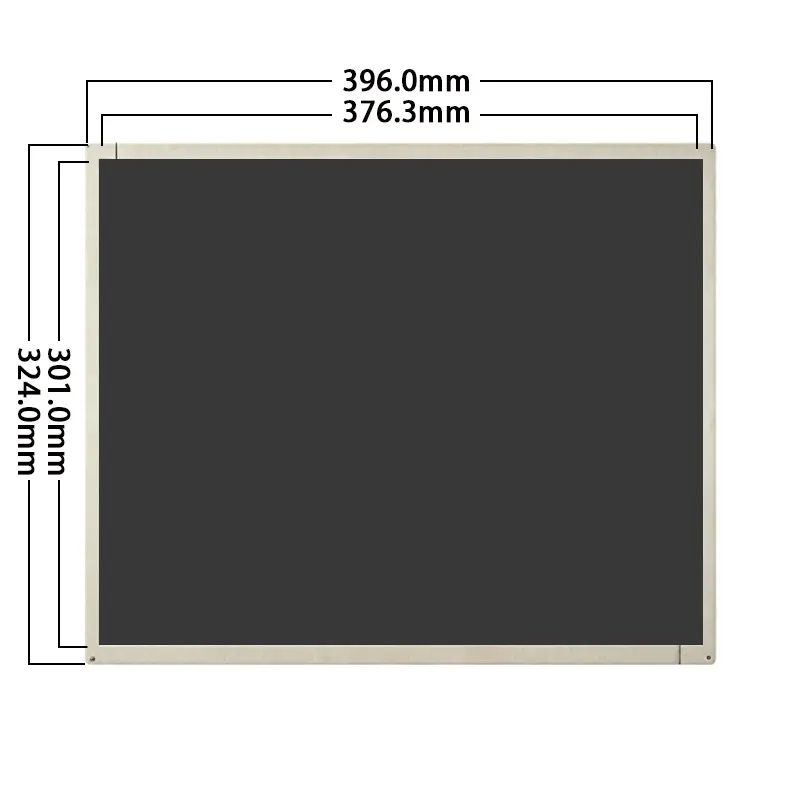
The panel delivers 1500 cd/m² typical luminance with a 1000:1 typical contrast ratio. A 376.32 × 301.056 mm active area fits within a 396 × 324 mm module outline, giving equipment designers clear starting dimensions for the display opening, support structure, and internal space allocation.
Key Specifications
| Parameter | Confirmed value |
|---|---|
| Display size | 19 inches |
| Native resolution | 1280 × 1024 pixels |
| Aspect ratio | 5:4 |
| Panel construction | a-Si TN TFT-LCD, LCM |
| Optical structure | Transmissive |
| Luminance | 1500 cd/m² typical |
| Contrast ratio | 1000:1 typical |
| Viewing angle | 85/85/80/80° L/R/U/D |
| Display colors | 16.7 million colors |
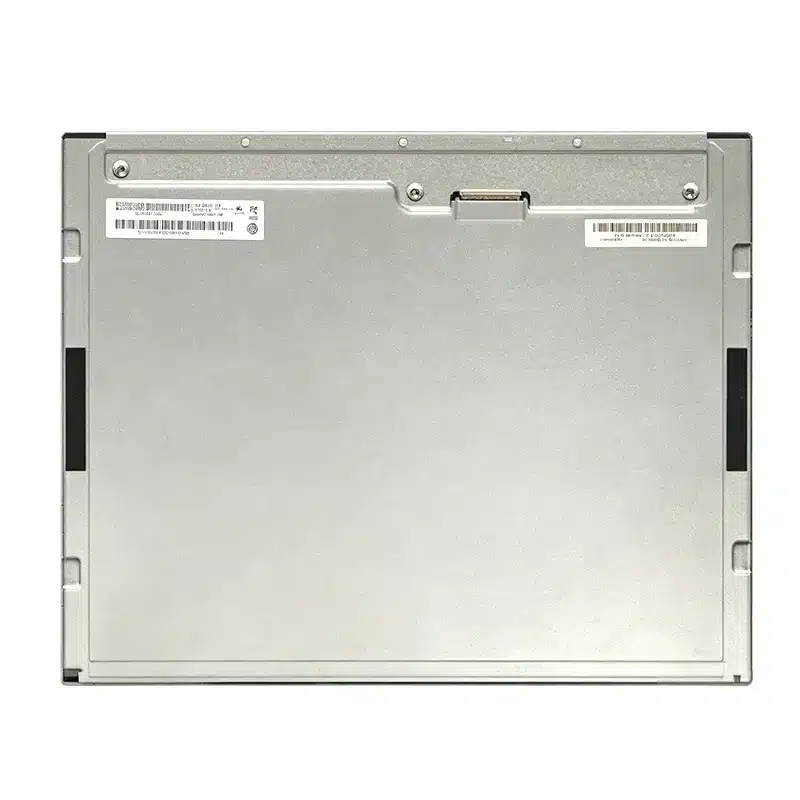
| Interface | 30-pin LVDS |
| Active area | 376.32 × 301.056 mm |
| Module width and height | 396 × 324 mm |
| Backlight | WLED |
| Touch | Non-touch |
| Operating temperature | 0°C to +50°C |
| Storage temperature | −20°C to +60°C |
The module thickness requires final drawing confirmation because two product documents show 11.4 mm and 11.7 mm.
5:4 SXGA Interface Layout for Self-Service Equipment
Use the Native 1280 × 1024 Raster
The 1280 × 1024 raster should be driven natively to maintain text sharpness, icon geometry, and the intended 5:4 layout. Scaling a widescreen interface into this format can produce unused margins, compressed controls, or inconsistent text sizing.
Plan Menus for the 5:4 Format
The taller screen shape is useful for vertically arranged product selections, instructions, numeric entry, charging progress, and equipment-status information. It can also support a central content area with persistent control or status regions above and below it.
Interface validation should use the intended standing distance, operator height, font size, button dimensions, and enclosure opening.
Optical Planning for the Vending Machine LCD Module
Evaluate 1500 cd/m² Behind the Final Window
The 1500 cd/m² typical rating provides a high-brightness platform for machines installed under strong indoor lighting, near windows, or in protected outdoor-facing positions. Final readability still depends on the complete front stack.
A 1500 cd/m² panel can support daylight-facing equipment, but finished readability depends on front-window reflection, tint, viewing geometry, and thermal conditions.
Test the selected front window, air gap or bonding layer, bezel depth, and screen angle under the brightest expected condition. Dark or tinted cover materials can reduce apparent luminance, while reflective glazing can lower perceived contrast even when the panel itself is bright.
Use the Confirmed TN Viewing Geometry
The viewing specification is 85/85/80/80° for left, right, up, and down. This directional information helps engineers position the screen around typical standing users.
The enclosure angle should be reviewed when the display is mounted above eye level, recessed deeply, or approached from different sides. A representative sample should be evaluated with real UI colors because TN contrast and grayscale behavior can change with the viewing position.
30-Pin LVDS Controller Qualification
Connector Count Is Not Compatibility Proof
The module uses a 30-pin LVDS connector, but the pin count alone does not establish controller compatibility.
A 30-pin LVDS connector does not guarantee timing, voltage, channel mapping, bit depth, or pin compatibility with another controller.
Before energizing a sample, confirm the complete connector assignment, pitch, contact side, cable orientation, channel count, data mapping, native timing, control signals, and panel supply requirements. HDMI, DisplayPort, USB-C, eDP, and MIPI hosts require a controller that produces the approved LVDS output.
Confirm Panel and Backlight Power Separately
Panel logic and the WLED backlight should be treated as separate electrical functions. Obtain the approved panel-voltage range, backlight voltage, current, dimming method, connector allocation, and sequencing requirements before selecting the controller and power board.
No panel-input voltage, backlight electrical grade, or power-consumption value should be assumed from the connector type.
Mechanical Integration and Drawing Control
Active Area, View Area, and Outline
The active image area is 376.32 × 301.056 mm. The drawing also indicates a view-area reference of approximately 380.0 × 305.08 mm, while the module width and height are 396 × 324 mm.
These rectangles serve different purposes:
- Active area controls visible pixels.
- View area guides the front opening.
- Overall dimensions control enclosure clearance.
- Mounting and connector locations control mechanical support and cable access.
Resolve the Thickness Conflict
One parameter set gives a maximum thickness of 11.4 mm, while another gives 11.7 mm. Do not release the housing depth, rear keep-out zone, or mounting stack until the approved drawing identifies the controlling value and tolerance.
The enclosure should support the panel without twisting its frame and should leave enough space for the LVDS cable and backlight connections.
Application Fit and Boundaries
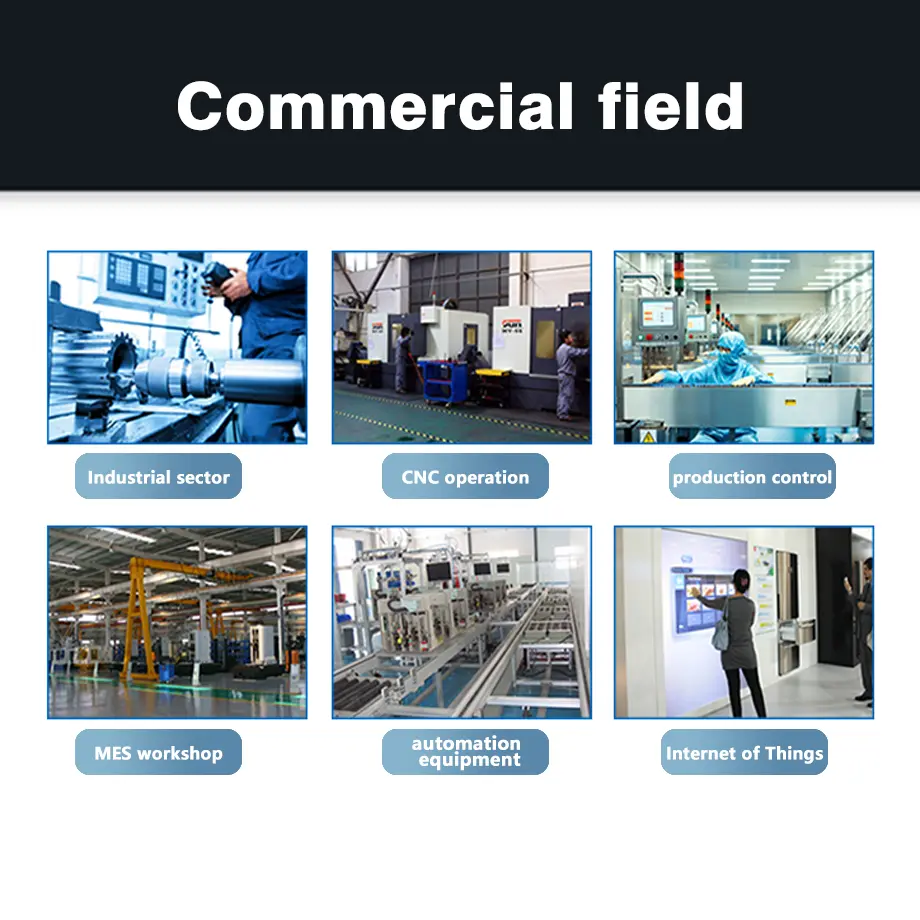
The Vending Machine LCD Module is suitable for automatic vending equipment, charging kiosks, information terminals, industrial self-service systems, and protected high-ambient cabinets that use a 5:4 user interface.
The panel is a component rather than a weatherproof finished display. Outdoor-facing projects still require a suitable protective window, enclosure sealing, thermal management, controller, power design, and environmental qualification.
The confirmed operating range is 0°C to +50°C. Systems that must operate outside that range require a different qualified configuration.
Configuration Options
Project evaluation may include LVDS cable and controller matching, front-window design, anti-reflective or anti-glare treatment, optical bonding, enclosure adaptation, mounting support, touch development, branding, and packaging.
The standard module is non-touch.
The standard module is non-touch, so touch requires a separately engineered sensor, controller, and front stack.
Custom configurations are generally reviewed from 500 pieces, subject to tooling requirements, material availability, and the requested specification. Sample and standard-module quantities are confirmed separately.
Procurement Checklist
Confirm these items before sample approval:
- Native 1280 × 1024 timing
- Complete 30-pin LVDS assignment
- Channel count, bit mapping, connector pitch, contact side, and cable orientation
- Panel and WLED backlight voltage, current, control, and sequencing requirements
- 376.32 × 301.056 mm active opening
- Drawing-based 380.0 × 305.08 mm view-area reference
- Approved 396 × 324 mm outline
- Final 11.4 mm or 11.7 mm thickness and tolerance
- Mounting points, connector location, keep-out zones, and cable bend space
- Front-window transmittance, reflection, tint, and bonding structure
- 1500 cd/m² lighting target under actual site conditions
- TN viewing position and installation angle
- Non-touch or separately engineered touch configuration
- Operating and storage temperature requirements
- Sample criteria, project quantity, and annual demand
FAQ
About 19 Inch Vending Machine LCD Module
What must be checked before connecting a 30-pin LVDS controller?
Is 1500 cd/m² sufficient behind a protective front window?
Which thickness should control the enclosure design?
How does the 5:4 format affect vending-machine UI design?
What is required to add touch to the non-touch module?
Freya Yang
+86 18318948097