Freya Yang
+86 18318948097
+852 62667476
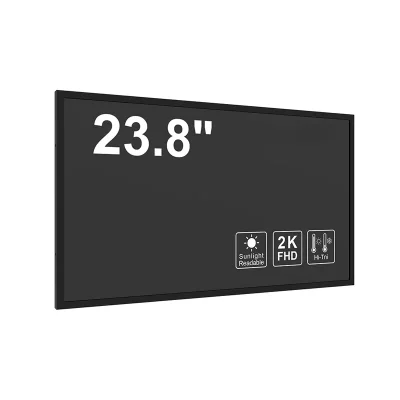
23.8 Inch Commercial Monitor LCD Module with LVDS
Model P/N
Size
Resolution
Brightness
Viewing Angle
Connector Type
Operating Temp
Overall(mm)
huisoar
HS238FHD10IPS
Brand
Panel Size (inch)
Model P/N
Resolution
Brightness (nits)
Viewing Angle
Contrast Ratio
Response Time
Overall (mm)
Active Area (mm)
Refresh Rate
Bezel Opening
Display Colors
Panel Type
Connector Type
Surface Treatment
Operating Temp
Touchscreen Type
Storage Temp
Work Mode
Pixel Format
Input Voltage (V)
Weight (g)
Operating Environment
Designed For
23.8 Inch Commercial Monitor LCD Module with LVDS
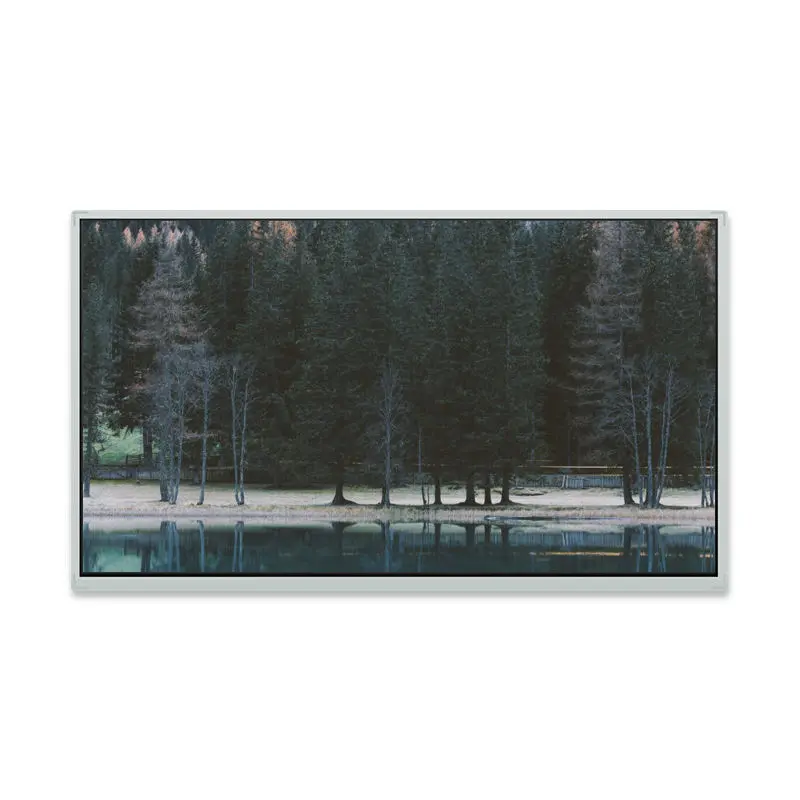
This 23.8-inch Full HD ADS panel combines 250 cd/m² luminance, 30-pin LVDS and a slim 11.4 mm module profile for monitor and indoor-signage builds.
Product Summary
The Commercial Monitor LCD Module provides a standard 23.8-inch Full HD platform for desktop-monitor assemblies, business displays and indoor advertising equipment. Its confirmed configuration combines 1920 × 1080 resolution, ADS normally-black operation, 250 cd/m² typical luminance, a 1000:1 typical contrast ratio and a 30-pin two-channel LVDS interface.
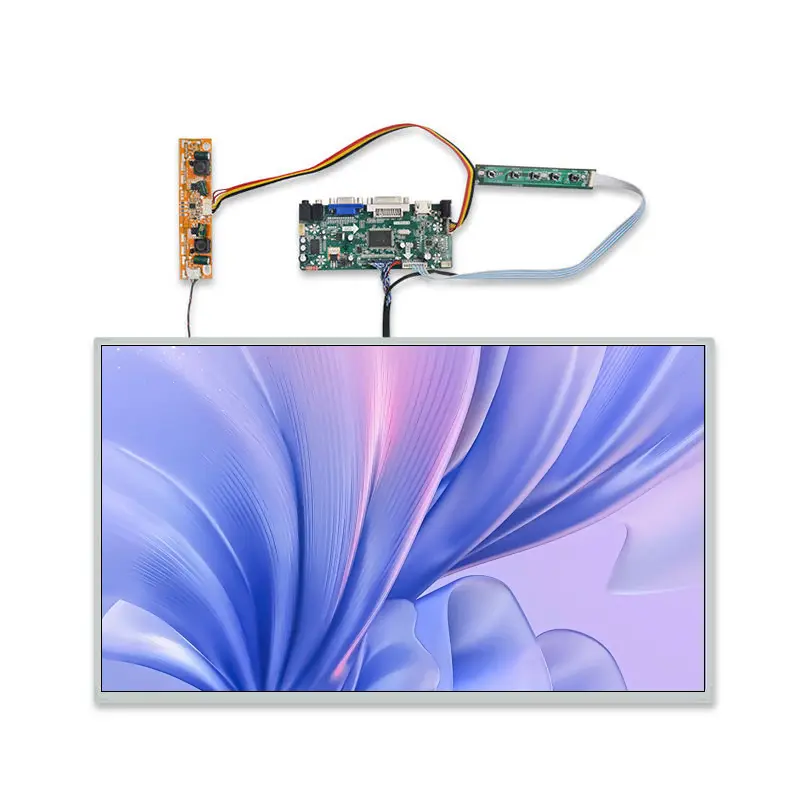
This is a panel-level component rather than a finished monitor. The controller board, LVDS cable, WLED driver, enclosure, front window and optional touch stack must be selected for the final equipment design.
A 30-pin LVDS connector does not guarantee timing, voltage, two-channel mapping, bit depth or pin compatibility with another controller.
Key Specifications at a Glance
| Parameter | Confirmed value |
|---|---|
| Display size | 23.8 inches |
| Resolution | 1920 × 1080 pixels |
| Panel structure | a-Si TFT-LCD, LCM |
| Detailed work mode | ADS, normally black, transmissive |
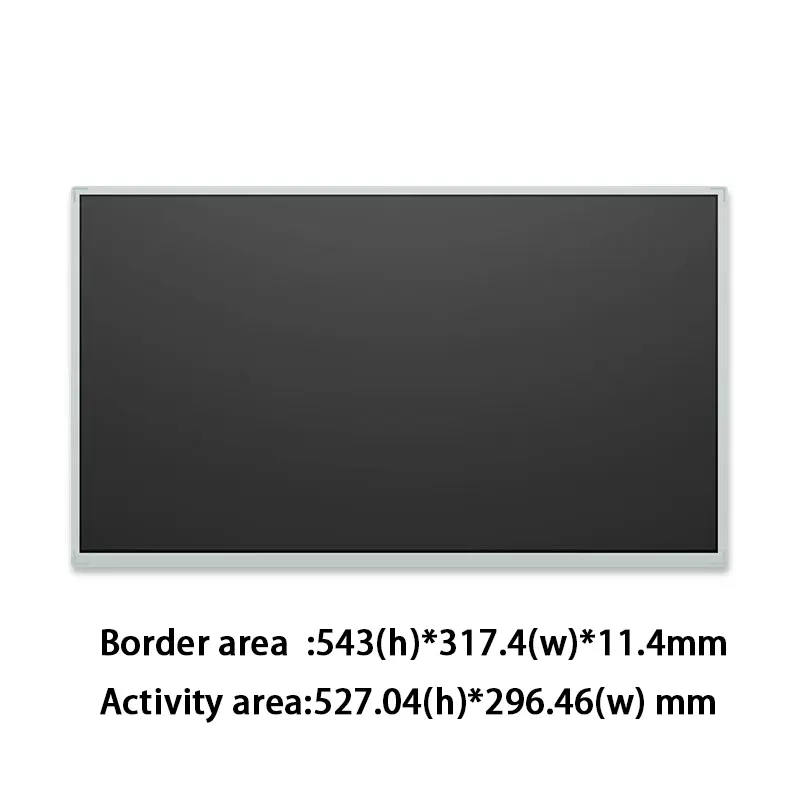
| Active area | 527.04 × 296.46 mm |
| Bezel area | 530.2 × 299.6 mm |
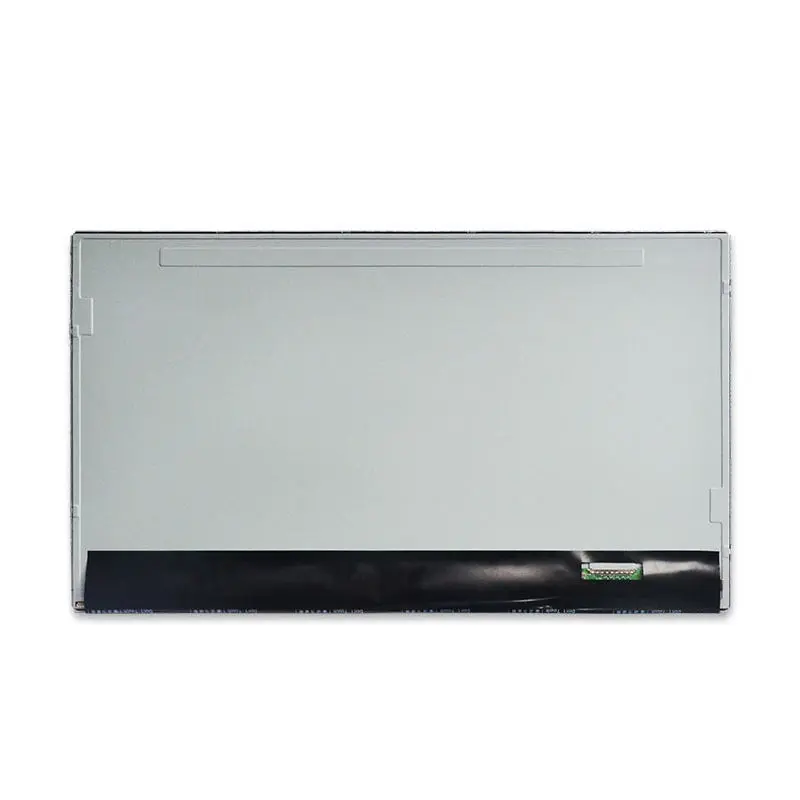
| Module outline | 543 × 317.4 × 11.4 mm |
| Luminance | 250 cd/m² typical |
| Contrast ratio | 1000:1 typical |
| Viewing-angle data | 89/89/89/89° typical, raw sequence |
| Display colors | 16.7M colors, 72% NTSC |
| Interface | 30-pin LVDS, two-channel, 8-bit |
| Panel input | 5.0 V typical |
| Response time | 14 ms typical, G-to-G |
| Frame rate | 60 Hz |
| Surface | Anti-glare, 25% haze, 3H |
| Weight | 2.39 kg typical |
| Backlight | WLED, driver not included |
| Listed backlight life | 30,000 hours |
| Touch | Optional project configuration |
| Operating temperature | 0°C to +50°C |
| Storage temperature | −20°C to +60°C |
Full HD ADS Performance for Commercial Screens
Native 1920 × 1080 Content
The 1920 × 1080 raster provides a familiar 16:9 workspace for desktop software, status dashboards, menu systems, video playback and commercial information content. Native Full HD output avoids scaling artifacts and preserves text and graphic detail.
The detailed optical designation is ADS, normally black and transmissive. The broader product title uses IPS terminology, so ADS should control technical documentation while IPS may remain a search-language or marketplace descriptor.
The 1000:1 typical contrast ratio and 16.7M-color output support conventional office, monitor and information-display content. The 72% NTSC figure is appropriate for mainstream commercial presentation rather than a specialized wide-gamut workflow.
250 cd/m² Controlled-Light Use
The 250 cd/m² typical luminance is aligned with indoor monitors and controlled-light commercial screens. It should not be presented as a high-brightness or sunlight-readable configuration.
The 250 cd/m² panel is intended primarily for indoor or controlled-light equipment after front-stack optical losses are considered.
A protective window can reduce delivered luminance and add reflections. Product teams should evaluate glass transmission, tint, surface reflection, air-gap distance and installation angle under the brightest expected indoor condition.
Integrating the Commercial Monitor LCD Module
30-Pin Two-Channel LVDS Qualification
The image interface uses a 30-pin, two-channel, 8-bit LVDS connection. Controller approval should cover:
- Native 1920 × 1080 timing
- 60 Hz output
- Pixel-clock requirements
- Two-channel LVDS mapping
- 8-bit color mapping
- VESA or JEIDA convention
- Complete 30-pin assignment
- Connector pitch and contact side
- Cable orientation and length
- Grounding and shielding
- Panel-enable and control signals
A controller selected only by connector count can expose the panel to the wrong voltage or data mapping. LVDS motherboard documentation commonly separates panel supply selection, differential lanes, backlight controls and pin assignments, which is why the complete electrical definition is required.
Panel and WLED Backlight Power
The panel logic input is 5.0 V typical. This value is not the complete monitor-system input and does not define the WLED backlight supply.
The backlight is identified as a three-string WLED structure without an included driver. Engineering review must establish:
- LED voltage
- String current
- Dimming method
- Enable signal
- Driver topology
- Thermal protection
- Maximum backlight power
The stated 30,000-hour life is a reference value. Its applicable luminance, current, temperature and duty-cycle conditions should be confirmed before setting maintenance or warranty assumptions.
Mechanical and Optical Stack Planning
Active Area, Bezel Area and Outline
The illuminated active area measures 527.04 × 296.46 mm. The bezel-area reference is 530.2 × 299.6 mm, while the complete module outline is 543 × 317.4 × 11.4 mm.
These dimensions serve different design purposes:
- Active area controls the visible pixel region.
- Bezel area guides the front opening.
- Overall dimensions control enclosure clearance.
- The 11.4 mm depth affects rear spacing.
- The 2.39 kg typical weight affects mounting and transport.
Production drawings should also confirm mounting points, connector location, tolerances, rear keep-out zones and cable-bend clearance.
Anti-Glare Surface and Front Glass
The panel surface uses anti-glare treatment with 25% haze and a 3H hard coating. This can help diffuse reflections at the panel surface, but an additional front lens may change the final result.
Front-stack design should define:
- Cover material and thickness
- Light transmission
- Surface reflection
- Printed border
- Air bonding or optical bonding
- Cleaning requirements
- Optional AR or AG treatment
- Mechanical support
Cover-glass and bonding decisions should be reviewed before the enclosure is locked because they affect readability, thickness, alignment and optional-touch integration.
Optional Touch and Controller-Board Boundaries
Optional touch does not mean that a touch sensor or touch controller is included in the standard panel supply.
An interactive version requires confirmation of:
- PCAP or resistive-touch technology
- Touch-controller interface
- Cover-lens dimensions
- Bonding method
- Cable exit
- Controller location
- Total stack thickness
- Enclosure opening
- Required touch performance
Touch-module integration normally combines LCD selection, touch sensor, controller, cover glass, bonding and cable routing as a qualified stack rather than treating “optional touch” as a single interchangeable accessory.
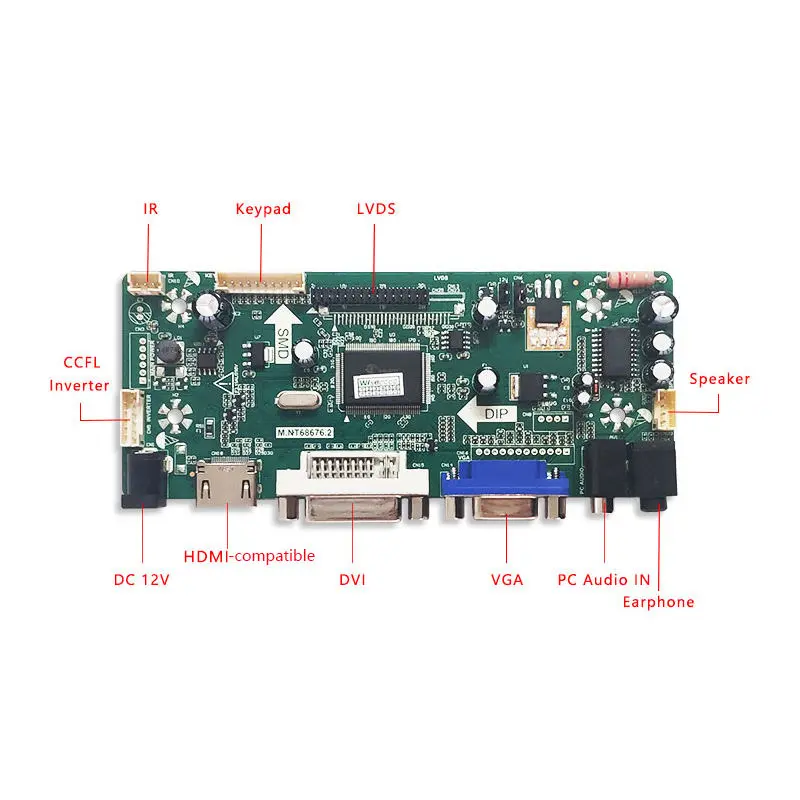
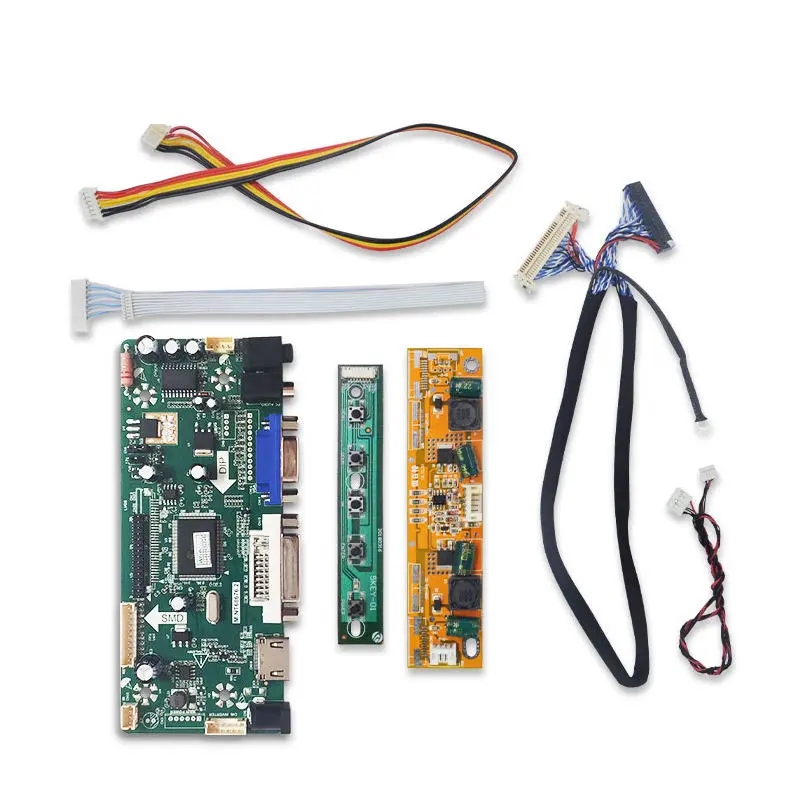
The controller board shown in the product imagery includes external-input labels such as HDMI-compatible, DVI and VGA. Those ports should not be described as bare-panel interfaces.
HDMI-compatible, DVI and VGA inputs require a matched controller board that outputs the approved panel LVDS signal.
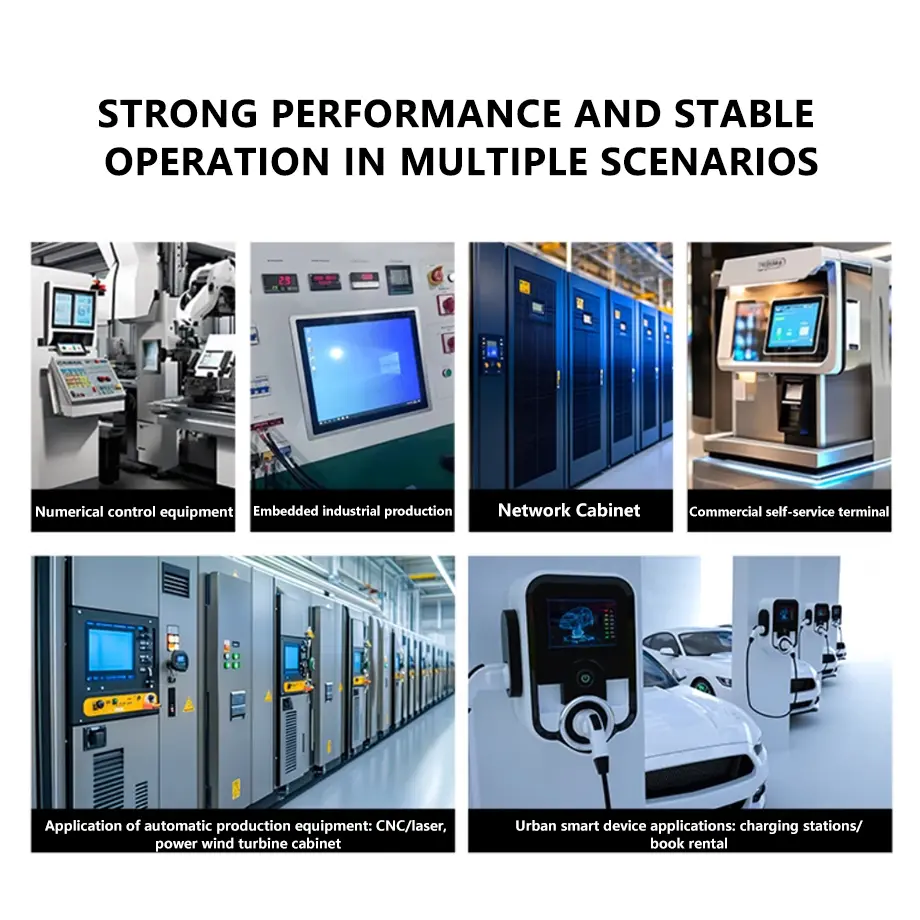
Recommended OEM Applications
The Commercial Monitor LCD Module is suitable for:
- Desktop-monitor assemblies
- Business and office displays
- Indoor information terminals
- Commercial control desks
- TV-style display products
- Indoor advertising screens
- Customer-information displays
- Optional-touch commercial terminals
The module is not a finished outdoor advertising display. Outdoor deployment would require a separately qualified high-brightness panel, protective enclosure, optical stack and thermal design.
Customization and Project Qualification
Project evaluation may include:
- LVDS controller and cable matching
- External HDMI-compatible, DVI or VGA controller boards
- WLED driver selection
- Cover-glass engineering
- AR or AG surface review
- Optical bonding
- Optional touch development
- Enclosure adaptation
- Mounting design
- Branding and packaging
Logo, packaging and graphic customization are generally evaluated from 1,000 pieces for this product. Other engineering customization, samples and standard-module quantities are confirmed separately.
Procurement Checklist
Confirm these items before sample or production approval:
- Native 1920 × 1080 timing
- 60 Hz controller output
- Two-channel, 8-bit LVDS support
- VESA or JEIDA mapping
- Complete 30-pin assignment
- Connector pitch and contact side
- LVDS cable orientation and length
- 5.0 V panel rail
- WLED voltage and current
- Dimming and backlight-driver method
- 527.04 × 296.46 mm active area
- 530.2 × 299.6 mm bezel opening
- 543 × 317.4 × 11.4 mm module fit
- Mounting points and rear keep-out zones
- Front-window transmission and reflection
- 250 cd/m² controlled-light target
- Optional-touch technology and interface
- 0°C to +50°C operating range
- −20°C to +60°C storage range
- Compliance-document requirements
- Sample criteria, quantity and annual demand
FAQ
What must be checked before connecting a 30-pin two-channel LVDS controller?
Is 250 cd/m² sufficient behind commercial cover glass?
Which dimensions control enclosure release?
What information is required to add optional touch?
Freya Yang
+86 18318948097