Freya Yang
+86 18318948097
+852 62667476
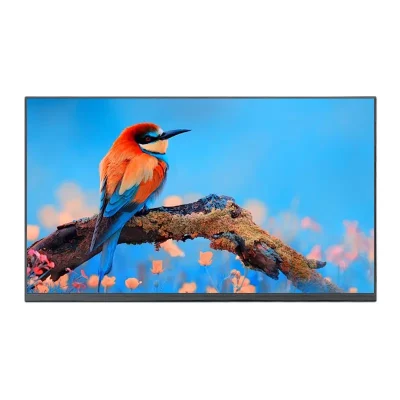
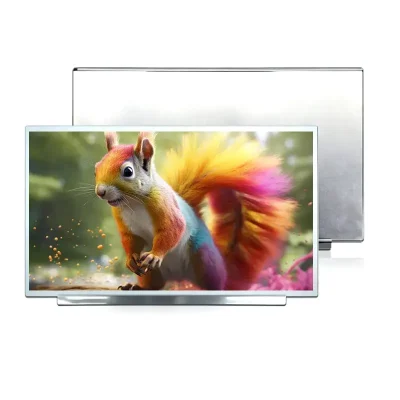
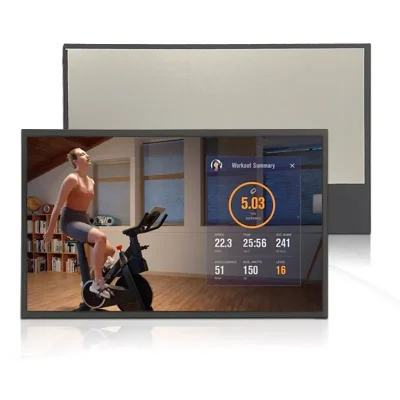
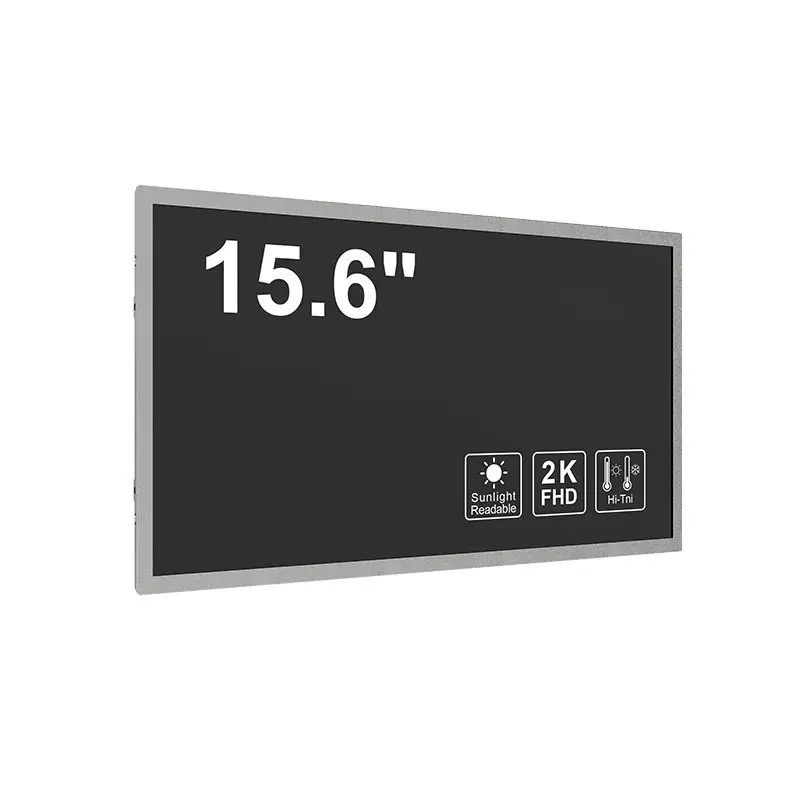
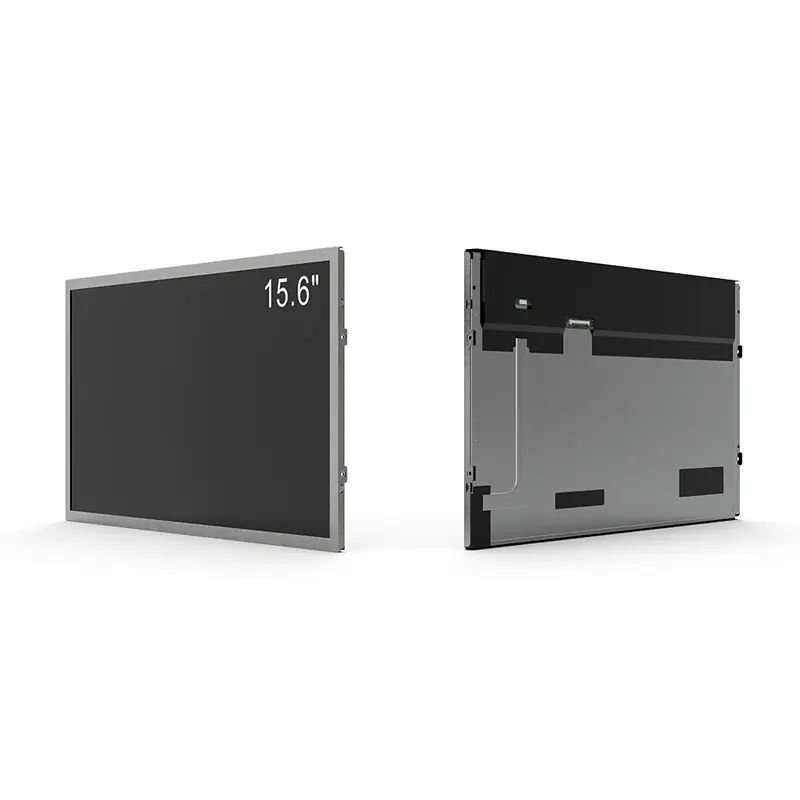
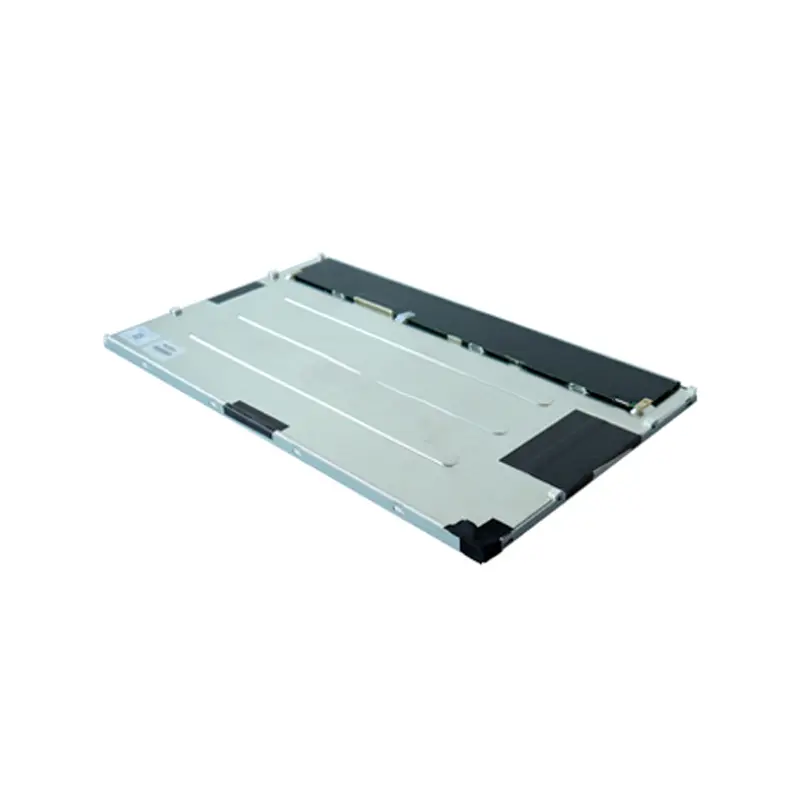
15.6 Inch Sunlight Readable TFT IPS LCD for HMI Integration
Model P/N
Size
Resolution
Brightness
Viewing Angle
Connector Type
Operating Temp
Overall(mm)
huisoar
HS156ENT-NE10
Brand
Panel Size (inch)
Model P/N
Resolution
Brightness (nits)
Viewing Angle
Contrast Ratio
Response Time
Overall (mm)
Active Area (mm)
Refresh Rate
Bezel Opening
Display Colors
Panel Type
Connector Type
Surface Treatment
Operating Temp
Touchscreen Type
Storage Temp
Work Mode
Pixel Format
Input Voltage (V)
Control Type
Weight (g)
Operating Environment
Designed For
15.6 Inch Sunlight Readable TFT IPS LCD for HMI Integration
A 15.6-inch FHD AAS/IPS module with a selected 1000 cd/m² output, anti-glare 3H surface and 40-pin LVDS integration for outdoor HMI systems.
Product Summary
The Sunlight Readable TFT IPS LCD for HMI is designed for outdoor-facing terminals, EV charging equipment, public kiosks, passenger information displays and industrial control systems that need a familiar widescreen format with stronger ambient-light visibility. Its 1920 × 1080 raster provides 141 PPI on a 15.6-inch diagonal, supporting detailed status information, menus, maps and control graphics.
The selected configuration is a fixed 1000 cd/m² grade; the 500- and 1500-cd/m² values identify alternate family models.
A matching 40-pin connector does not establish LVDS timing, channel mapping, voltage, bit depth or pin compatibility.
A 1000 cd/m² bare module still requires reflection and front-window testing before finished-system sunlight readability is approved.
Key Specifications
| Parameter | Confirmed value |
|---|---|
| Screen diagonal | 15.6 inches |
| Resolution | 1920 × 1080 pixels, FHD, 141 PPI |
| Active area | 344.16 × 193.59 mm |
| Viewing-size reference | 347.06 × 196.49 mm |
| Panel structure | a-Si TFT-LCD module |
| Optical mode | AAS/IPS-type, normally black, transmissive |
| Selected luminance | 1000 cd/m² |
| Contrast ratio | 800:1 typical |
| Viewing angle | 85°/85°/85°/85° L/R/U/D |
| Color support | 16.2M colors, 73% NTSC |
| Surface treatment | Anti-glare, 3H hard coating |
| Response time | 13/12 ms typical, Tr/Td |
| Standard refresh rate | 60 Hz |
| Signal interface | 40-pin, two-channel, 8-bit LVDS |
| Panel supply | 3.3 V typical |
| Backlight | WLED with integrated LED driver |
| Listed backlight life | 50,000 hours |
| Module weight | 1060 g typical / 1100 g maximum |
| Touch | Standard non-touch configuration |
The model-grade table assigns 1000 cd/m² to the selected configuration, while the optical, interface and weight values are defined in the main technical specification.
Optical Qualification for the 1000 cd/m² Grade
Use One Fixed Brightness Version
Specify 1000 cd/m² as the ordered luminance target. Define tolerance, warm-up time, measurement position and dimming behavior in the purchase specification. The 500- and 1500-cd/m² alternatives should be treated as separate configurations rather than operating points of the same released module.
Manage Front-Window Reflection
High brightness alone does not determine outdoor readability. Cover-glass transmission, reflected light, air gaps, anti-reflective treatment, bonding and installation angle all affect effective contrast. Outdoor LCD selection guidance similarly treats brightness, surface reflection, bonding and thermal performance as interdependent factors.
Verify AAS/IPS Viewing Performance
The AAS/IPS-type normally-black structure provides an 85° viewing specification in each listed direction. This is useful for kiosks and control terminals approached from varying positions, but final acceptance should use representative text, icons, dark backgrounds and color gradients through the intended front window.
Integrating the Sunlight Readable TFT IPS LCD for HMI
Confirm Native Full HD Timing
The controller should output the approved 1920 × 1080 timing at the selected refresh rate. Confirm pixel clock, blanking, mapping and startup behavior before releasing the PCB or cable. Interface layouts should be authored at native resolution so small status labels and control elements remain sharp.
Complete the 40-Pin LVDS Definition
Request the full connector assignment, lane mapping, clock pair, voltage rails, grounds, connector orientation and cable specification. The interface is identified as two-channel, 8-bit LVDS with 40 pins, but connector count alone does not establish electrical interchangeability.
Separate Panel and Backlight Power
The 3.3 V value applies to the panel-side input. It does not define WLED voltage, current, enable logic, dimming method or total system power. Obtain the complete panel and backlight power data before controller and thermal release.
Treat 60 Hz as Standard
Use 60 Hz unless a configuration-specific document approves another mode. The 120 Hz and 240 Hz statements involve MEMC or panel/backlight processing and should not be interpreted automatically as native panel refresh.
Mechanical and Environmental Planning
Use the Correct Mechanical References
The active area is 344.16 × 193.59 mm. The 347.06 × 196.49 mm value is retained as a viewing-size reference, not a complete three-dimensional outline. Obtain the approved drawing for thickness, mounting locations, connector coordinates and cable clearance.
Reconcile the Temperature Document
Project material presents −20°C to +70°C operation and −30°C to +80°C storage, while the currently parsed product data shows 0°C to +50°C. Production release must use one approved model-specific document. Until that reconciliation is complete, enclosure heating, cooling and cold-start assumptions should remain provisional.
Keep Non-Touch as the Baseline
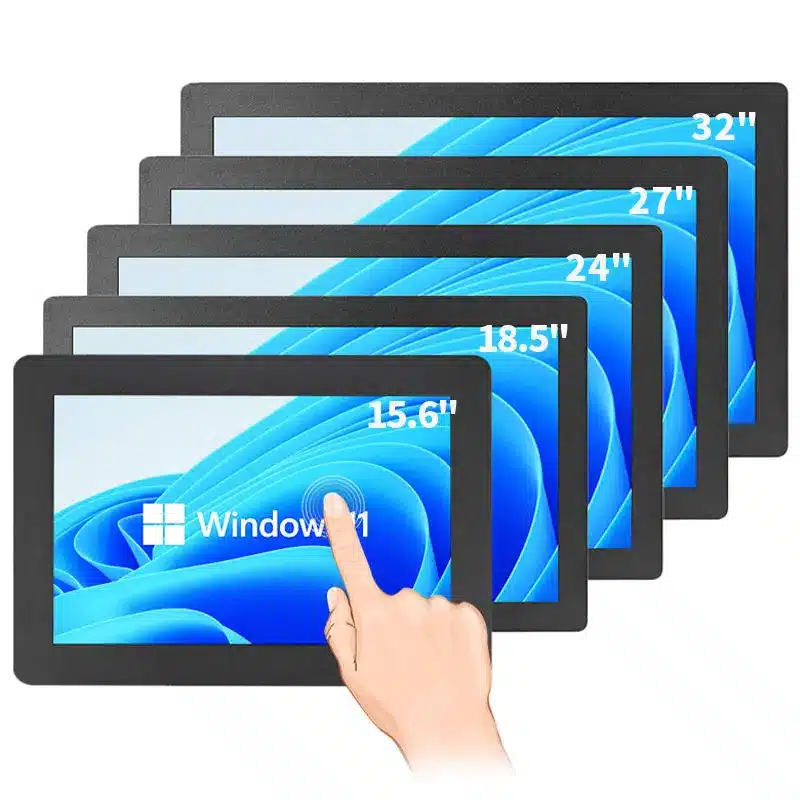
The baseline architecture is non-touch. An interactive version requires a separately defined sensor, controller, cover lens, bonding method, interface and mechanical stack. The added optical layers must also be included in brightness and reflection testing.
Application Fit
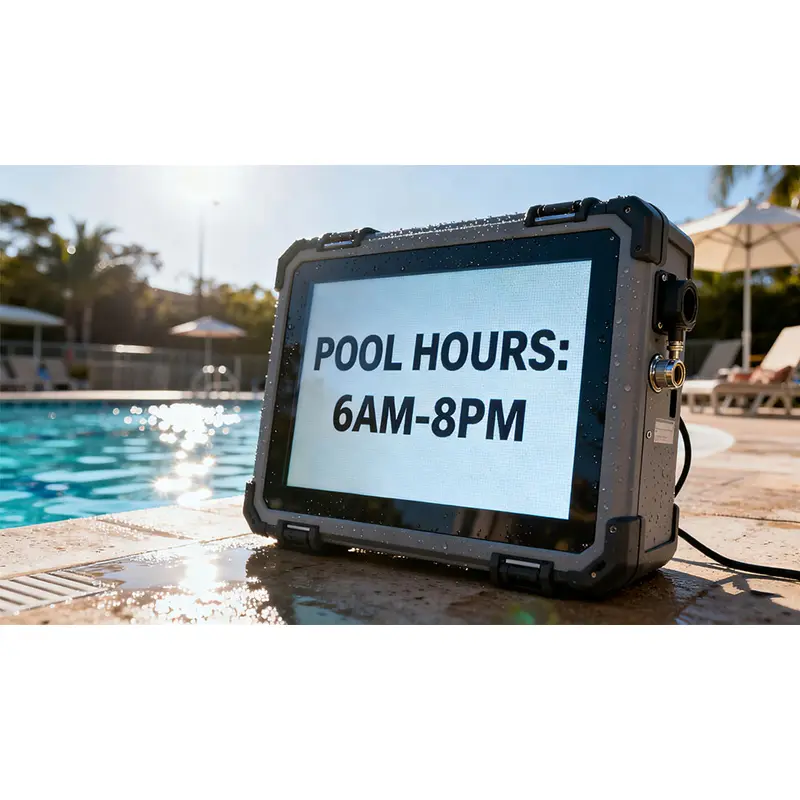
The Sunlight Readable TFT IPS LCD for HMI fits EV charging interfaces, fuel-dispenser information screens, public kiosks, passenger information systems, factory automation, marine navigation and window-facing retail equipment. These applications align with the combination of Full HD resolution, selected high brightness, wide viewing and module-level LVDS integration.
Outdoor HMI and Charging Equipment
The 15.6-inch format provides enough space for status, instructions and operating controls without moving into a larger signage enclosure class. EV charging and outdoor-terminal projects should validate the complete optical stack, enclosure temperature and LVDS controller path.
Transportation and Industrial Interfaces
Passenger information, railway terminals and factory systems can use the Full HD raster for maps, schedules, alarms and process data. Environmental qualification, vibration requirements and final mounting remain system-level responsibilities.
Retail and Self-Service Interfaces
Window-facing displays, vending equipment and self-service terminals can benefit from the compact widescreen layout. No payment-security, weatherproofing or finished-machine certification is implied by the bare module.
Configuration Options
Project review may cover alternate 500-, 1000- or 1500-cd/m² grades, LVDS cable and controller matching, cover glass, AR/AG treatment, optical bonding, custom touch integration, enclosure adaptation, mounting, thermal design, branding and packaging.
Custom configurations are generally reviewed from 500 pieces, subject to tooling requirements, material availability and the requested specification. Sample and standard-module quantities are confirmed separately.
Procurement Checklist
- Confirm the assigned and supplier model revisions.
- Lock the 1000 cd/m² grade, tolerance and measurement method.
- Provide native 1920 × 1080 timing at 60 Hz.
- Confirm two-channel, 8-bit LVDS operation.
- Obtain the complete 40-pin assignment and connector orientation.
- Confirm the 3.3 V panel rail and current.
- Obtain WLED voltage, current, enable and dimming data.
- Request the complete outline and thickness drawing.
- Define the cover-glass, coating, air-gap or bonding stack.
- State non-touch or custom-touch requirements.
- Reconcile the operating and storage temperature limits.
- Define sample criteria, quantity and annual demand.
FAQ
About 15.6 Inch Sunlight Readable TFT IPS LCD
What must be checked before connecting a 40-pin LVDS host?
When should the 1000 cd/m² grade be selected instead of 500 or 1500 cd/m²?
Does 1000 cd/m² guarantee readability in direct sunlight?
Do the 120 Hz and 240 Hz statements define native panel refresh?
What changes when touch is added?
Freya Yang
+86 18318948097