Freya Yang
+86 18318948097
+852 62667476
6.86 Inch Parallel RGB Appliance Display for Control Panels
Model P/N
Size
Resolution
Brightness
Viewing Angle
Connector Type
Operating Temp
Overall(mm)
huisoar
HS686013B0
Brand
Panel Size (inch)
Model P/N
Resolution
Brightness (nits)
Viewing Angle
Contrast Ratio
Response Time
Overall (mm)
Active Area (mm)
Refresh Rate
Display Colors
Panel Type
Connector Type
Operating Temp
Touchscreen Type
Storage Temp
Work Mode
Pixel Format
Control Type
Operating Environment
Designed For
6.86 Inch Parallel RGB Appliance Display for Control Panels
This narrow IPS TFT provides a native 480 × 1280 canvas and 500 cd/m² typical luminance for appliance and embedded control interfaces.
Product Summary
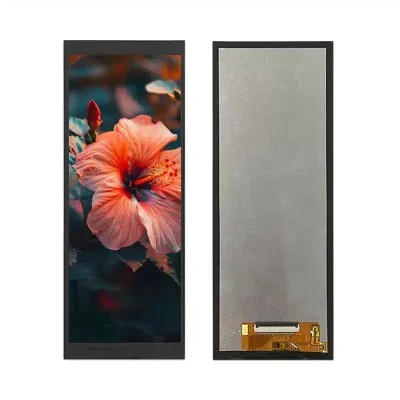
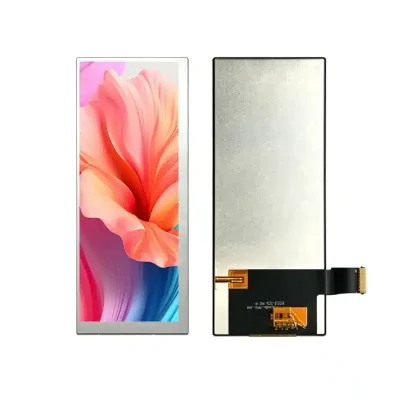
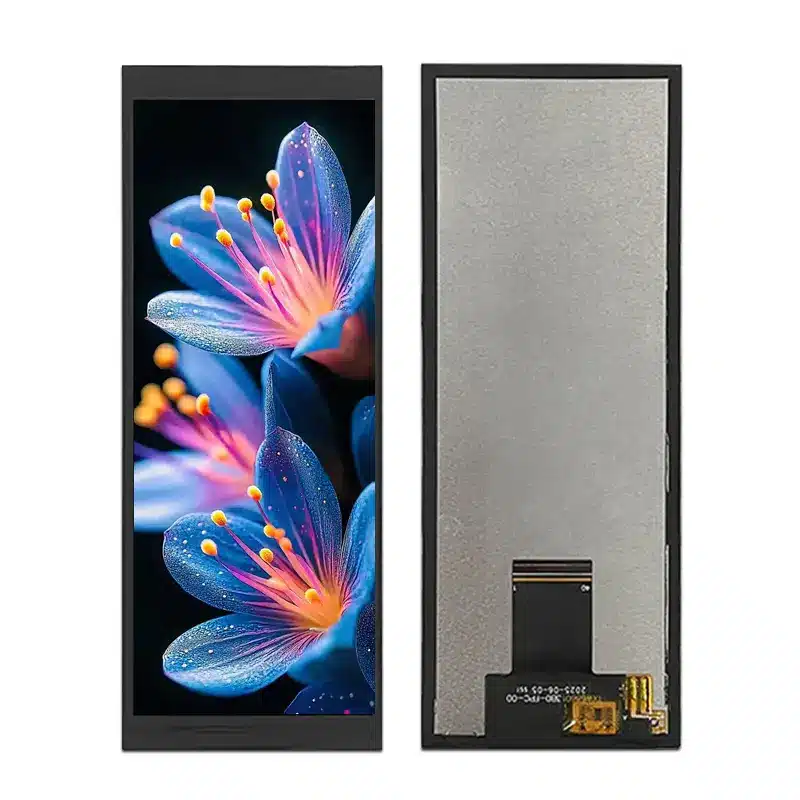
The Parallel RGB Appliance Display is designed for equipment that needs a tall information area without the width of a conventional landscape screen. Its 480 × 1280 native resolution supports vertical menus, operating values, timers, status indicators, warning icons and branded graphics in a narrow front-panel opening.
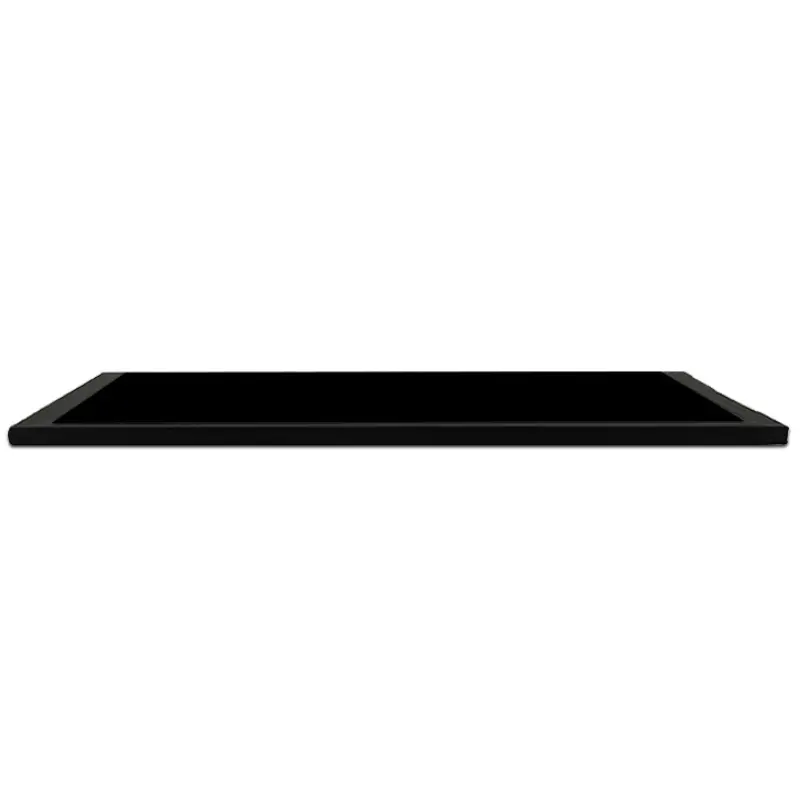
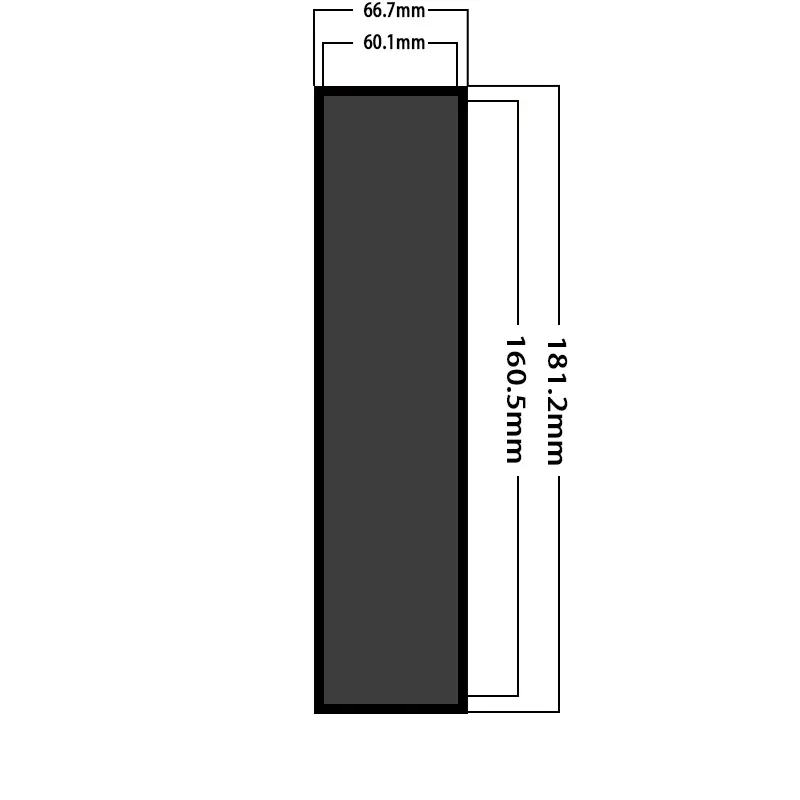
The non-touch module combines IPS viewing, a 40-pin parallel RGB/TTL connection and a 66.7 × 181.2 × 4.4 mm outline. It can be evaluated for refrigerator panels, washing-machine interfaces, kitchen appliances, energy-storage equipment and narrow industrial control products that use buttons, rotary controls or another external input method.
Key Specifications
| Specification | Value |
|---|---|
| Display size | 6.86 inch |
| Native resolution | 480 × 1280 pixels |
| Active area | 60.19 × 160.51 mm |
| Module outline | 66.7 × 181.2 × 4.4 mm |
| Panel technology | a-Si IPS TFT-LCD |
| Optical mode | Transmissive |
| Luminance | 500 cd/m² typical |
| Contrast ratio | 1500:1 typical |
| Viewing angle | 85°/85°/85°/85°, L/R/U/D |
| Display colors | 16.7M colors |
| Display interface | Parallel RGB/TTL |
| Connection | 40-pin FPC |
| Display identifier | NV3052C |
| Backlight | WLED |
| Touch status | Non-touch |
| Operating temperature | −20°C to +70°C |
| Storage temperature | −30°C to +80°C |
480 × 1280 Vertical Interface Design
Native UI Layout
The native raster is suitable for interfaces arranged from top to bottom. Product designers can divide the screen into dedicated regions for:
- Temperature values
- Operating modes
- Timer information
- Energy or power status
- Progress indicators
- Alerts and service messages
- Menu selections
- Connectivity icons
- Brand graphics
Driving the display at 480 × 1280 helps preserve character edges, icon geometry and line thickness. Reformatting a landscape interface late in development may create undersized labels or inefficient empty areas.
Text and Icon Planning
The active area measures 60.19 × 160.51 mm. Text, symbols and touch-independent navigation cues should be tested at the actual viewing distance.
Localization should be reviewed early because translated labels may require additional width. Warning icons and critical values should also remain distinguishable under the target front-glass design and lighting conditions.
IPS Optical Performance
500 cd/m² Panel Luminance
The panel provides 500 cd/m² typical luminance with a 1500:1 typical contrast ratio. This specification is suitable primarily for indoor and controlled-light equipment.
A 500 cd/m² panel is intended primarily for indoor or controlled-light equipment after front-glass losses are considered.
Finished-front visibility depends on:
- Protective-glass transmission
- Decorative ink
- Surface reflections
- Air gap or optical adhesive
- Anti-glare or anti-reflective treatment
- Viewing angle
- Ambient lighting
- Enclosure shadowing
- Backlight control
The completed assembly should be evaluated under the target operating conditions.
Front-Glass Optical Losses
Protective glass and adhesive can reduce the luminance seen by the user. A reflective cover surface or a dark decorative mask can also affect perceived contrast.
Optical qualification should therefore use the complete display stack rather than the bare panel alone.
Parallel RGB Appliance Display Integration
40-Pin Host Qualification
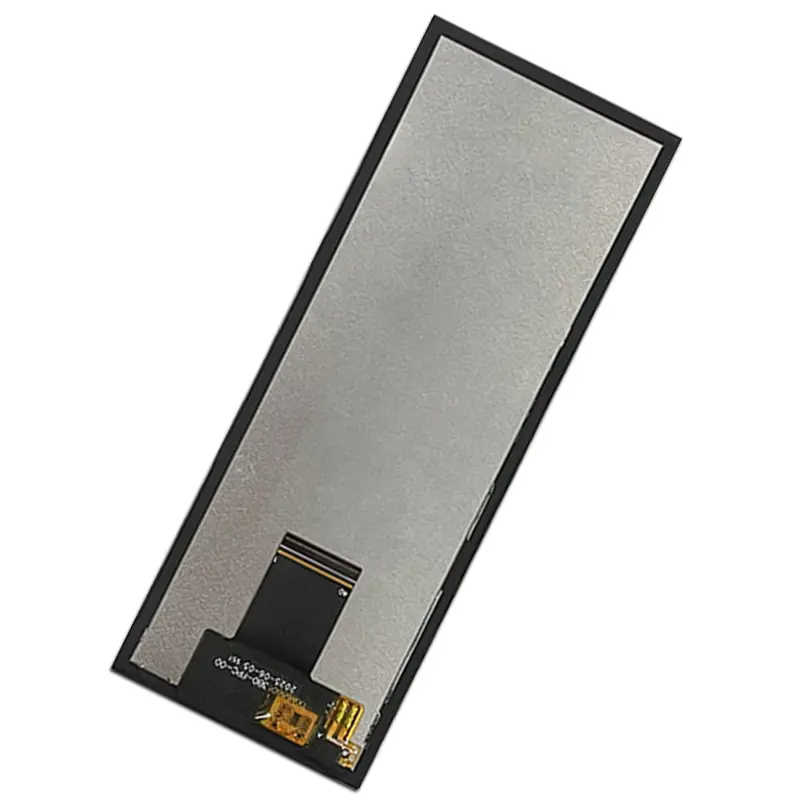
The Parallel RGB Appliance Display uses a 40-pin FPC connection.
A 40-pin RGB connector does not guarantee timing, voltage, signal order or pin compatibility with another panel.
Before PCB, cable or FPC release, confirm:
- Pixel-clock frequency
- Clock polarity
- Data-enable behavior
- HSYNC and VSYNC requirements
- RGB data width
- Signal-bit mapping
- Native horizontal timing
- Native vertical timing
- Panel supply rails
- Reset and enable signals
- Backlight power
- Backlight control
- Complete 40-pin assignment
- FPC pitch
- Contact side
- Pin-1 orientation
Matching the connector width, pin count or resolution is not sufficient to establish compatibility.
RGB Timing and Signal Review
The native 480 × 1280 raster should be used to preserve vertical menu geometry and text detail.
The host controller must support the exact parallel RGB timing and signal arrangement required by the module. The NV3052C identifier does not independently establish voltage, timing, RGB width, pin mapping, power sequence or software requirements.
Mechanical Fit and FPC Planning
Module and Active-Area Dimensions
The module outline is 66.7 × 181.2 × 4.4 mm, while the active area is 60.19 × 160.51 mm.
Enclosure design should confirm:
- Front opening
- Visible-area alignment
- Bezel overlap
- Rear clearance
- FPC exit
- Connector location
- Mounting support
- Flatness
- Tolerance accumulation
- Service access
Use an approved mechanical drawing before releasing tooling, bezels, adhesives or housing components.
Connector Orientation and Cable Routing
The FPC should not be sharply bent, compressed or loaded at the bonded area.
Prototype review should verify:
- Contact-side orientation
- Pin-1 location
- Connector retention
- FPC bend radius
- Strain relief
- Rear-cover clearance
- Cable routing
- Assembly repeatability
Appliance and Equipment Applications
This module can be evaluated for:
- Refrigerator control panels
- Washing-machine interfaces
- Range-hood displays
- Oven and kitchen-appliance panels
- Energy-storage equipment displays
- Instrument interfaces
- Narrow industrial HMIs
- Equipment-status panels
For appliance projects, the finished product should be qualified for electrical safety, EMC, temperature, moisture, cleaning exposure and expected mechanical loading.
Vehicle application examples do not establish automotive qualification. Transport projects require the appropriate environmental, reliability, optical and regulatory validation.
Medical-equipment examples do not establish medical certification. Regulated equipment requires device-level safety, software, usability and risk-management review.
Non-Touch Product Selection
The standard module is non-touch. It is suitable when the system uses:
- Physical buttons
- Rotary encoders
- Membrane keys
- Remote controls
- External touch surfaces
- Display-only status presentation
A non-touch configuration avoids adding a touch sensor, touch controller and additional optical layers where direct screen interaction is unnecessary.
Optional touch development should be treated as a separate engineered configuration with an approved touch drawing, controller, communication interface, cover lens and optical stack.
Customization and Qualification Boundaries
Project review can include:
- Parallel RGB host matching
- Complete 40-pin definition
- Timing review
- FPC layout and orientation
- Brightness target
- Front-glass design
- Anti-glare or anti-reflective treatment
- Air or optical bonding
- Enclosure adaptation
- Connector-board development
- Optional touch development
- Branding and packaging
- Sample validation
Custom configurations are generally reviewed from 500 pieces, subject to tooling requirements, material availability and the requested specification. Sample and standard-module quantities are confirmed separately.
Procurement Checklist
Submit:
- Host processor or display controller
- Native 480 × 1280 timing
- Pixel-clock requirement
- Clock polarity
- DE, HSYNC and VSYNC requirements
- Required RGB data width
- RGB data-bit mapping
- Complete 40-pin assignment
- Panel and logic power
- Reset and enable requirements
- Backlight voltage and current
- Dimming requirement
- FPC pitch and contact side
- Pin-1 orientation
- Mechanical drawing
- Front-window drawing
- Cover-glass plan
- Optical bonding requirement
- Target finished-front luminance
- Input method for the non-touch design
- Operating environment
- Sample quantity
- Annual demand
- Production schedule
FAQ
About 6.86 Inch Parallel RGB Appliance Display
What must be checked before connecting a 40-pin RGB host?
How should the 480 × 1280 interface be prepared?
Is 500 cd/m² sufficient behind front glass?
What does the NV3052C identifier establish?
When should the non-touch configuration be selected?
Freya Yang
+86 18318948097