Freya Yang
+86 18318948097
+852 62667476
6.9 Inch Portrait MIPI Bar Display for Appliance Controls
Model P/N
Size
Resolution
Brightness
Viewing Angle
Connector Type
Operating Temp
Overall(mm)
huisoar
HSBY069R08IT40-V1
Brand
Panel Size (inch)
Model P/N
Resolution
Brightness (nits)
Viewing Angle
Contrast Ratio
Response Time
Overall (mm)
Active Area (mm)
Refresh Rate
Display Colors
Panel Type
Connector Type
Operating Temp
Touchscreen Type
Storage Temp
Work Mode
Pixel Format
Input Voltage (V)
Control Type
Operating Environment
Motherboard Type
Designed For
6.9 Inch Portrait MIPI Bar Display for Appliance Controls
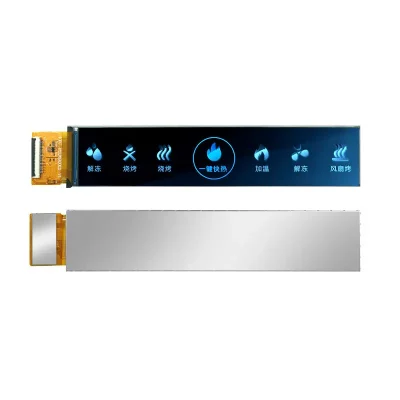
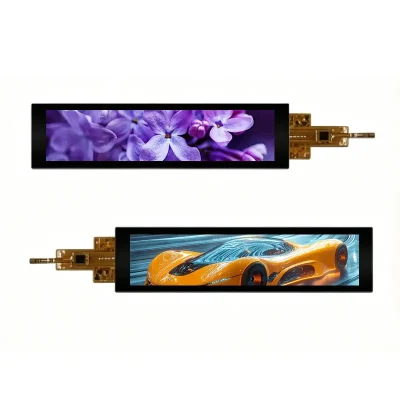
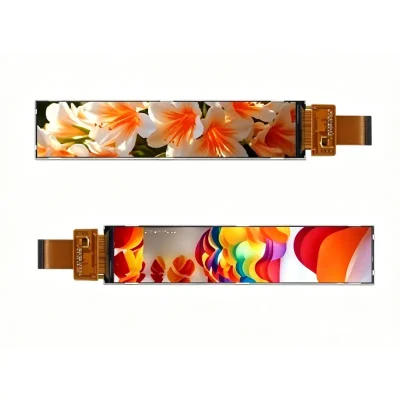
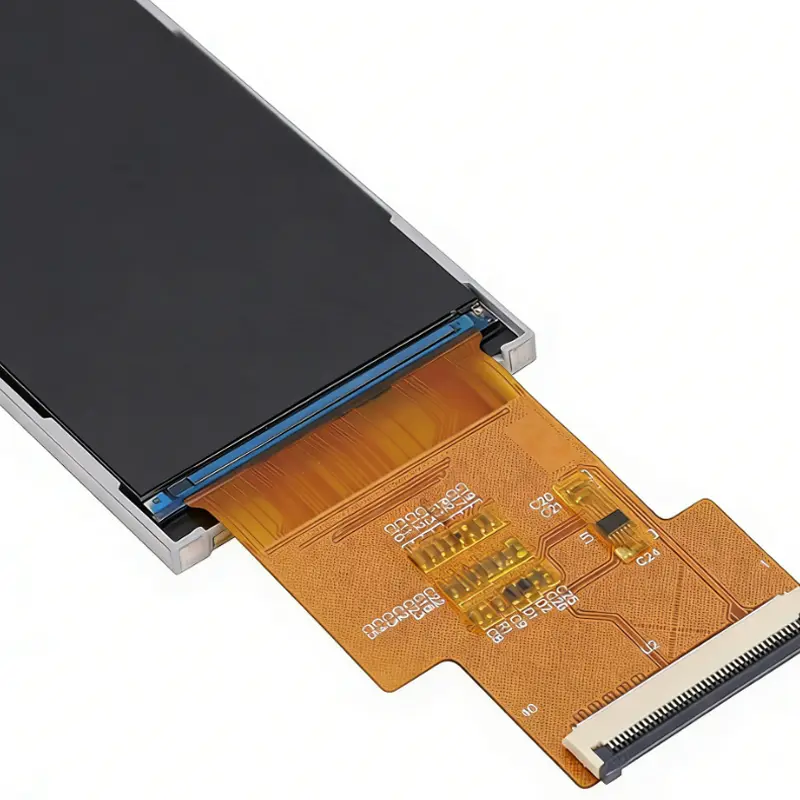
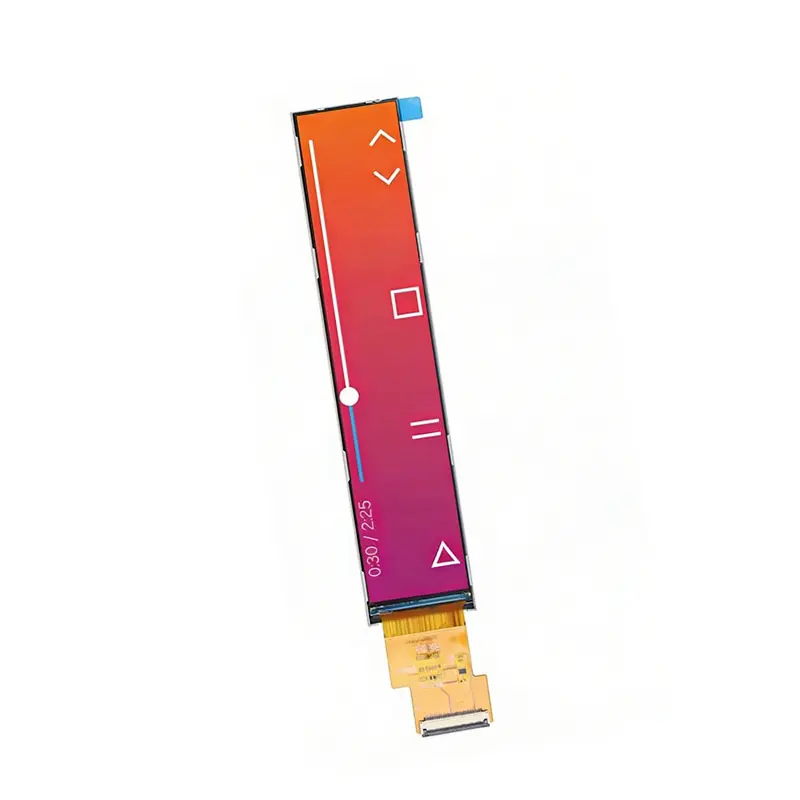
This Portrait MIPI Bar Display provides a native 280 × 1424 canvas for long menus, operating states, sequential controls and compact graphics in equipment with limited panel width. Its 6.9-inch ADS screen combines 400 cd/m² typical luminance, broad viewing performance and a slim 38.2 × 181.47 × 3.45 mm module structure.
The display uses a 40-pin MIPI connection and has no integrated touch panel. Host capability, connector mapping, power rails, panel timing and software support must be qualified before PCB or enclosure release.
Product Summary
The unusually tall pixel format allows interface content to be arranged vertically without dividing a conventional landscape screen into narrow sections. The 33.6 × 170.88 mm active area can accommodate menu lists, operating modes, progress indicators, appliance settings and status graphics in a narrow front-panel opening.
The ADS, normally-black construction provides 85° viewing-angle specifications in the up, down, left and right directions. A 400:1 typical contrast ratio supports functional text, icons and status differentiation under controlled installation lighting.
The native 280 × 1424 canvas is intended for portrait status and control layouts rather than rotated widescreen media.
Key Specifications
| Specification | Value |
|---|---|
| Display size | 6.9 inches |
| Resolution | 280 × 1424 pixels |
| Display mode | ADS, normally black, transmissive TFT |
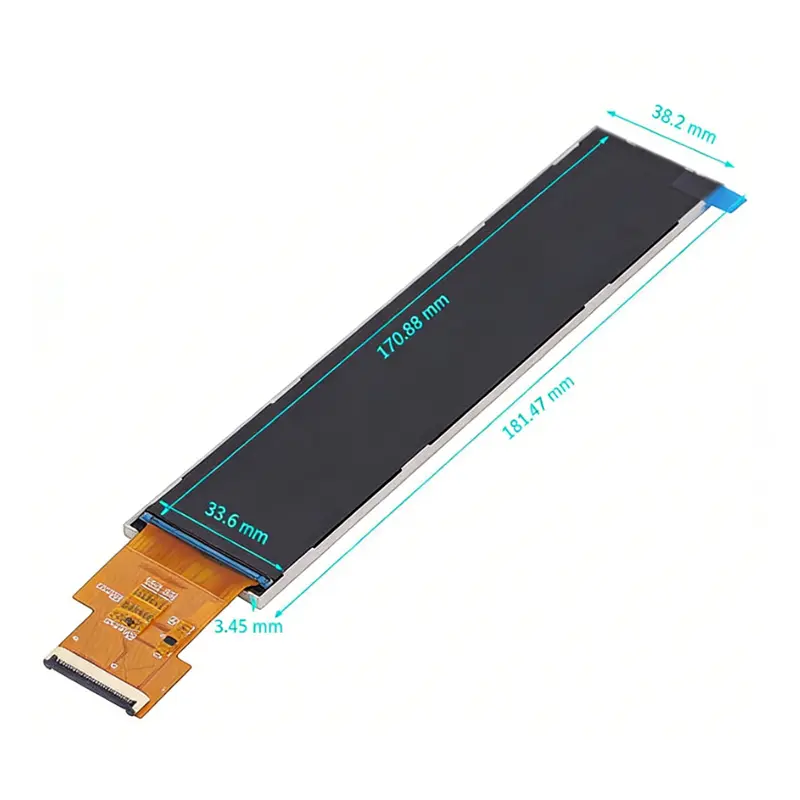
| Active area | 33.6 × 170.88 mm |
| Module dimensions | 38.2 × 181.47 × 3.45 mm |
| Luminance | 400 cd/m² typical |
| Viewing angle | 85° / 85° / 85° / 85° typical |
| Contrast ratio | 400:1 typical |
| Response time | 35 ms maximum |
| Display colors | 16.7 million; 65% NTSC |
| Interface | MIPI, 40 pins |
| Backlight | Eight-chip white WLED |
| Backlight reference | 12 V / 40 mA |
| Backlight life | 25,000 hours typical |
| Touch | Non-touch |
| Operating temperature | −20°C to +70°C |
| Storage temperature | −30°C to +80°C |
Designing a Native 280 × 1424 Portrait Interface
Vertical Menus and Sequential Status Content
The tall format can support content such as:
- appliance operating modes
- temperature or time settings
- recipe or program lists
- progress indicators
- fan, heat or power levels
- warning messages
- channel or zone states
- equipment diagnostics
- sequential control steps
Interface elements should be prepared for the native 280-pixel width. Text size, icon weight and spacing should be evaluated on an actual sample because the narrow horizontal canvas limits the length of each line.
Avoiding Rotated Widescreen Assets
A conventional landscape interface should not simply be rotated or compressed into the module. That approach can produce undersized text, distorted icons and inefficient use of the long portrait area.
A better design uses vertical information groups, fixed-width controls and scroll or pagination behavior appropriate to 280 × 1424 pixels. Representative warnings, menus and real operating values should be included in sample testing.
MIPI Integration for the Portrait MIPI Bar Display
The Portrait MIPI Bar Display has a 40-pin MIPI interface, but pin count and interface family do not establish direct compatibility with a host board.
Host and Panel Qualification
Engineering should confirm:
- MIPI DSI lane count
- command or video mode
- per-lane data rate
- pixel format
- horizontal and vertical timing
- continuous or non-continuous clock requirements
- complete 40-pin assignment
- FPC pitch and contact orientation
- panel voltage rails
- reset and control signals
- initialization command sequence
- firmware or BSP support
- backlight-enable and dimming method
- power-up and power-down sequence
A 40-pin MIPI connector does not establish compatibility without lane count, mode, timing, pin mapping, power rails and initialization support.
A host with MIPI DSI capability may still require a different connector, bridge board, device-tree entry, panel driver or initialization package.
Scope of the JD9365DA-H3 Driver IC
JD9365DA-H3 is the identified TFT driver IC. The component name is useful when reviewing the approved electrical documentation and software package.
The IC identifier does not independently prove lane count, operating mode, register configuration, voltage rails or initialization behavior. These requirements must come from the production specification and validated host configuration.
ADS Optical Performance
Viewing Angle and Contrast Boundaries
The module specifies 85° / 85° / 85° / 85° typical viewing in the U/D/L/R order. This is useful for control surfaces that may be read from different operator positions.
The 400:1 typical contrast ratio and 16.7-million-color output suit functional menus, symbols, status graphics and appliance-control interfaces. The 65% NTSC specification should be treated as a component color-gamut reference rather than a finished-system color-accuracy guarantee.
The maximum Tr + Tf response time is 35 ms. This is suitable for many status and menu interfaces but should be assessed carefully for rapidly animated content or applications with strict motion requirements.
Mechanical Integration
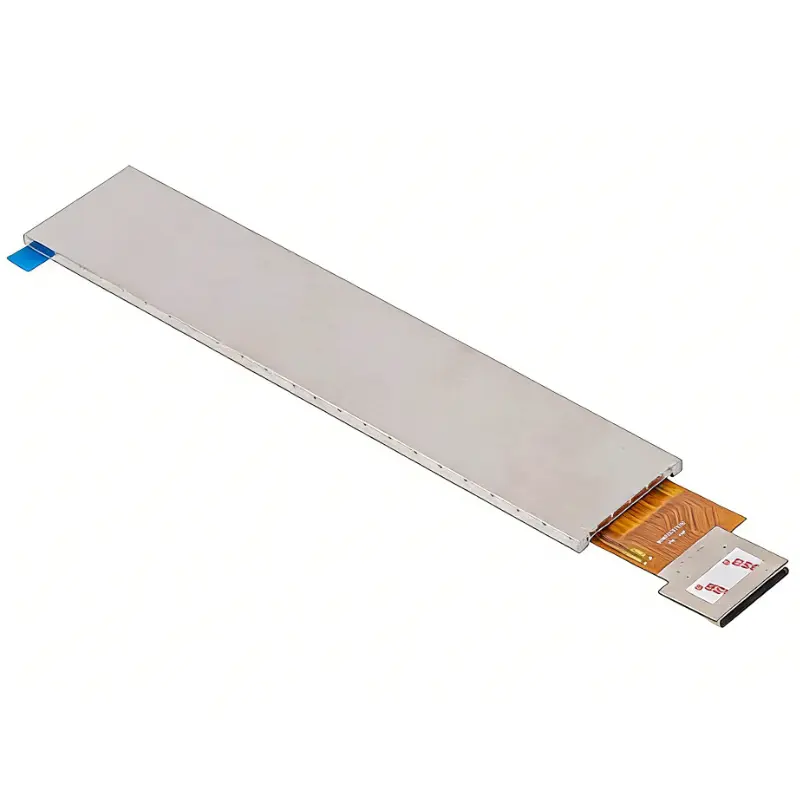
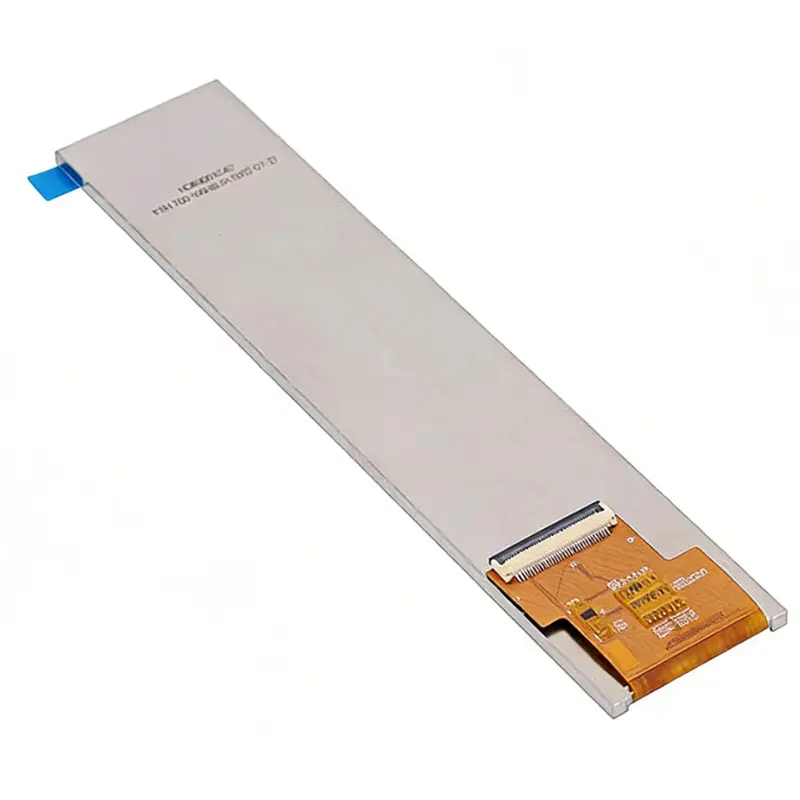
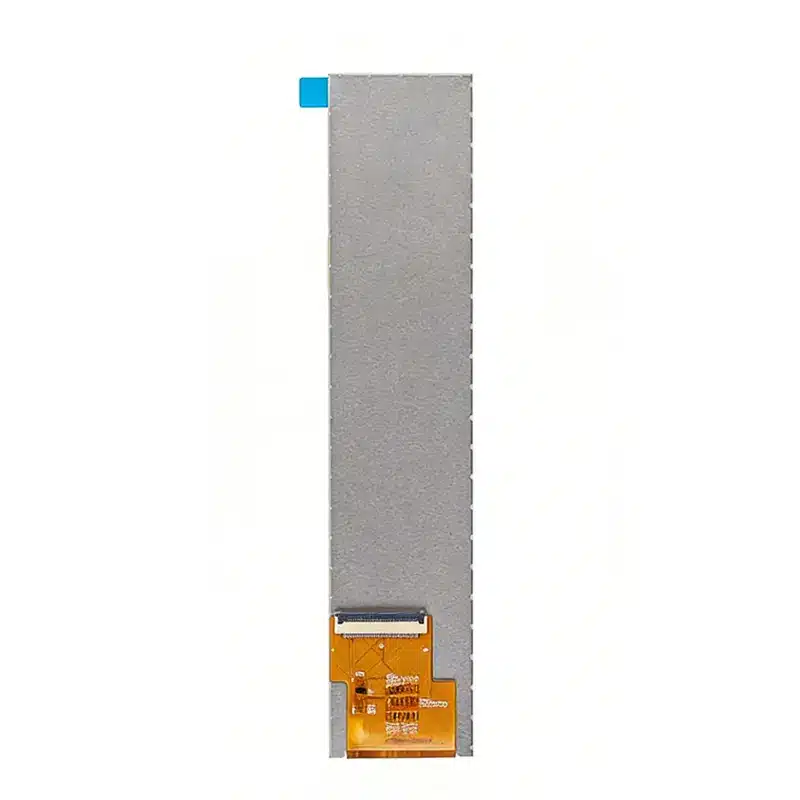
The active area measures 33.6 × 170.88 mm, while the full module measures 38.2 × 181.47 × 3.45 mm.
Enclosure design should separately account for:
- visible opening
- inactive border
- FPC exit and bend area
- connector access
- module support
- bezel overlap
- adhesive thickness
- production tolerances
- cover-glass thickness
- assembly clearance
The 3.45 mm value represents the display module. A cover, adhesive, frame, controller board or cable bend can increase the completed assembly depth.
Backlight and Temperature Qualification
The white WLED backlight uses eight chips with a 12 V / 40 mA reference. The host or backlight circuit must be checked for current regulation, enable control, dimming behavior and fault protection.
The stated backlight lifetime is 25,000 hours typical. Operating current, thermal conditions and brightness settings can affect actual system life.
The component operating range is −20°C to +70°C, with storage from −30°C to +80°C. The finished assembly must also be evaluated for enclosure heating, airflow, cover-glass temperature, processor heat and local hot spots.
The 400 cd/m² panel rating should be verified behind the intended cover in actual installation lighting.
The luminance value does not independently prove direct-sun readability or outdoor suitability.
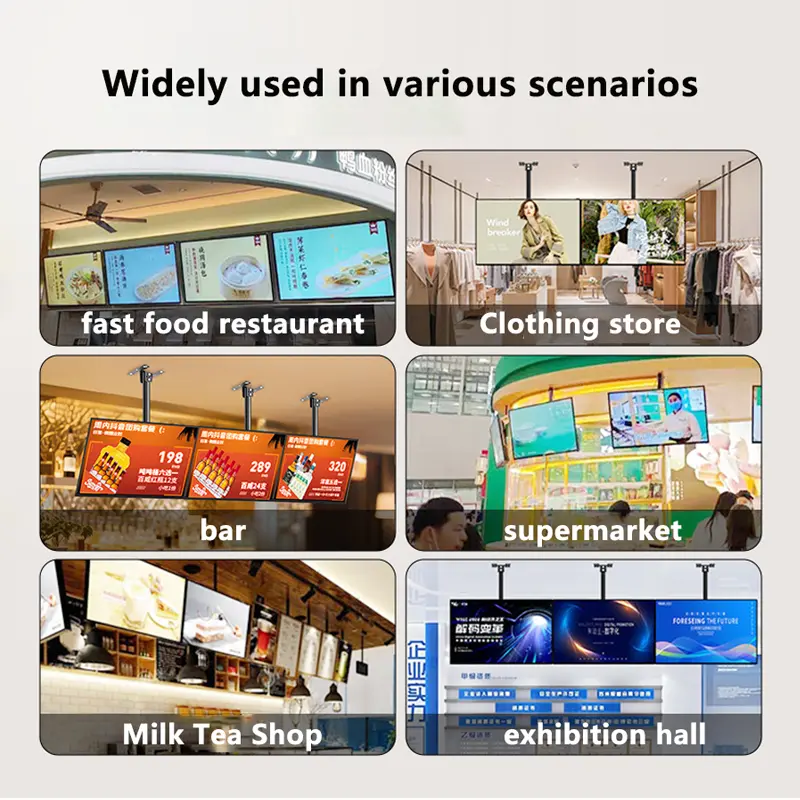
Recommended Applications
The display can be evaluated for:
- refrigerator control panels
- oven and microwave interfaces
- range-hood controls
- coffee-machine menus
- air-fryer control panels
- narrow equipment status displays
- compact industrial control strips
- vertical menu interfaces
- laboratory or service-equipment controls
- embedded information panels
Vehicle, medical, marine, aerospace, outdoor, or safety-critical deployment requires separate finished-system qualification and applicable certification evidence.
Customization and Sample Approval
Project review may cover:
- FPC shape and length
- connector orientation
- backlight type and luminance
- cover-glass size and printing
- AG, AR or AF surface treatment
- optical or air bonding
- optional touch integration
- mounting support
- packaging
- branding
Custom configurations are generally reviewed from 500 pieces, subject to tooling requirements, material availability and the requested specification. Sample and standard-module quantities are confirmed separately.
Approval testing should use the intended host processor, production FPC, firmware, native UI, backlight circuit, cover and enclosure.
Procurement Checklist
Submit:
- native 280 × 1424 UI files
- host processor or SoC model
- MIPI DSI lane capability
- required command or video mode
- per-lane data rate
- complete panel timing
- proposed 40-pin map
- connector and FPC orientation
- panel voltage rails
- initialization command package
- firmware or BSP requirements
- backlight circuit
- enclosure opening
- mounting structure
- cover-glass specification
- ambient-light conditions
- operating and storage targets
- response-time requirements
- sample quantity
- annual demand
- required compliance documents
FAQ
About 6.9 Inch Portrait MIPI Bar Display
What must be checked before connecting this module to a MIPI DSI host?
Can this display replace another 6.9-inch 280 × 1424 module directly?
How should interface content be prepared for the narrow portrait screen?
Is 400 cd/m² sufficient behind a decorative cover?
When should the non-touch version be selected?
What backlight information is needed during controller design?
Freya Yang
+86 18318948097