
~
~
~
~
~
~
AV060ZET-A10-28P1 6-Inch Anti-Fingerprint TFT Assembly BOE
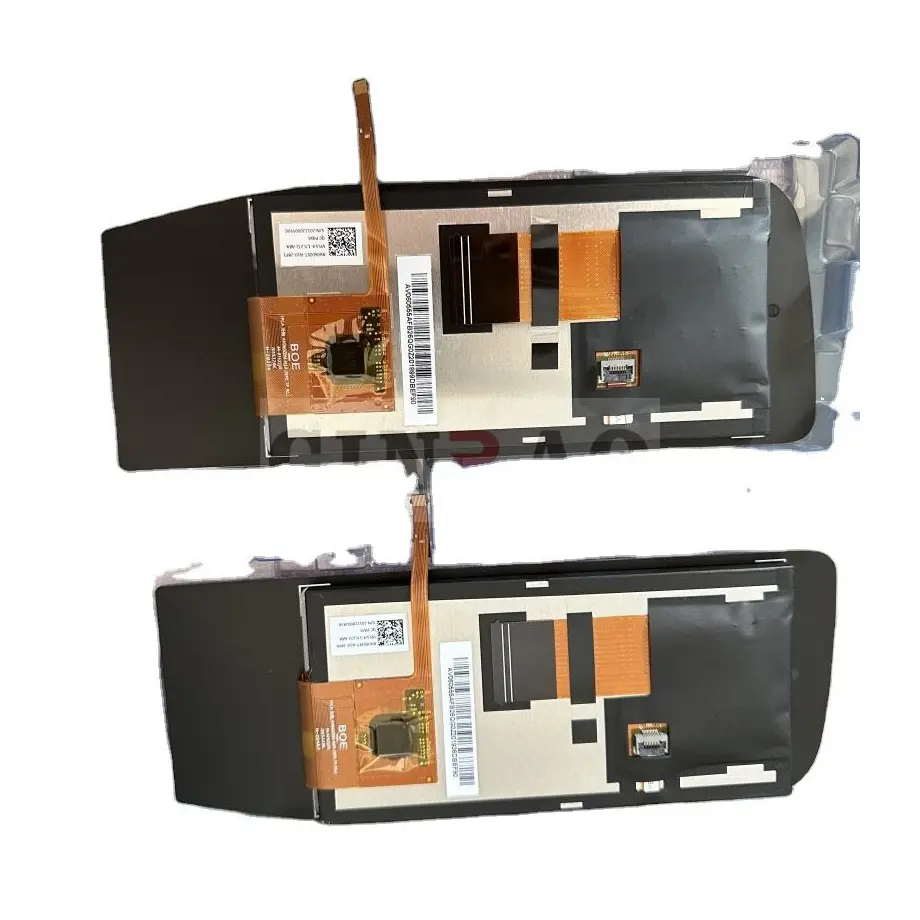
Model P/N
Size
Resolution
Brightness
Viewing Angle
Connector Type
Operating Temp
Overall(mm)
boe
AV060ZET-A10-28P1
Brand
Panel Size (inch)
Model P/N
Resolution
Brightness (nits)
Viewing Angle
Contrast Ratio
Response Time
Overall (mm)
Active Area (mm)
Refresh Rate
Display Colors
Panel Type
Connector Type
Surface Treatment
Operating Temp
Touchscreen Type
Storage Temp
Work Mode
Pixel Format
Input Voltage (V)
Touch Interface
Designed For
Product Details
Product Overview
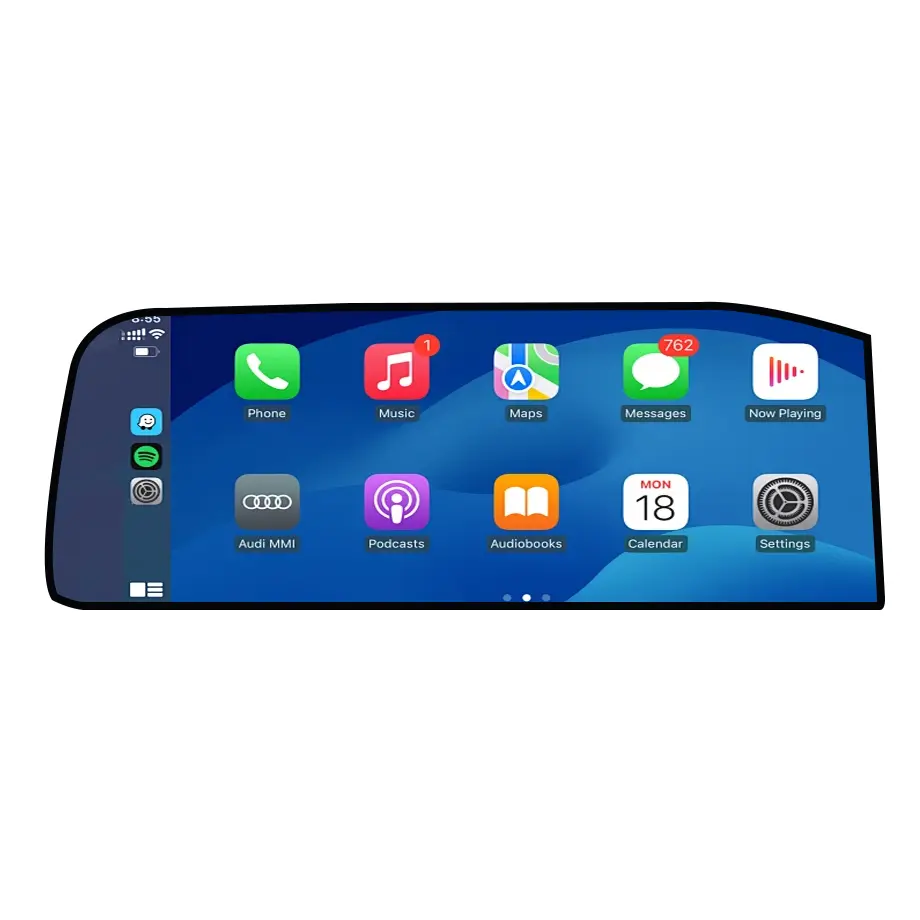
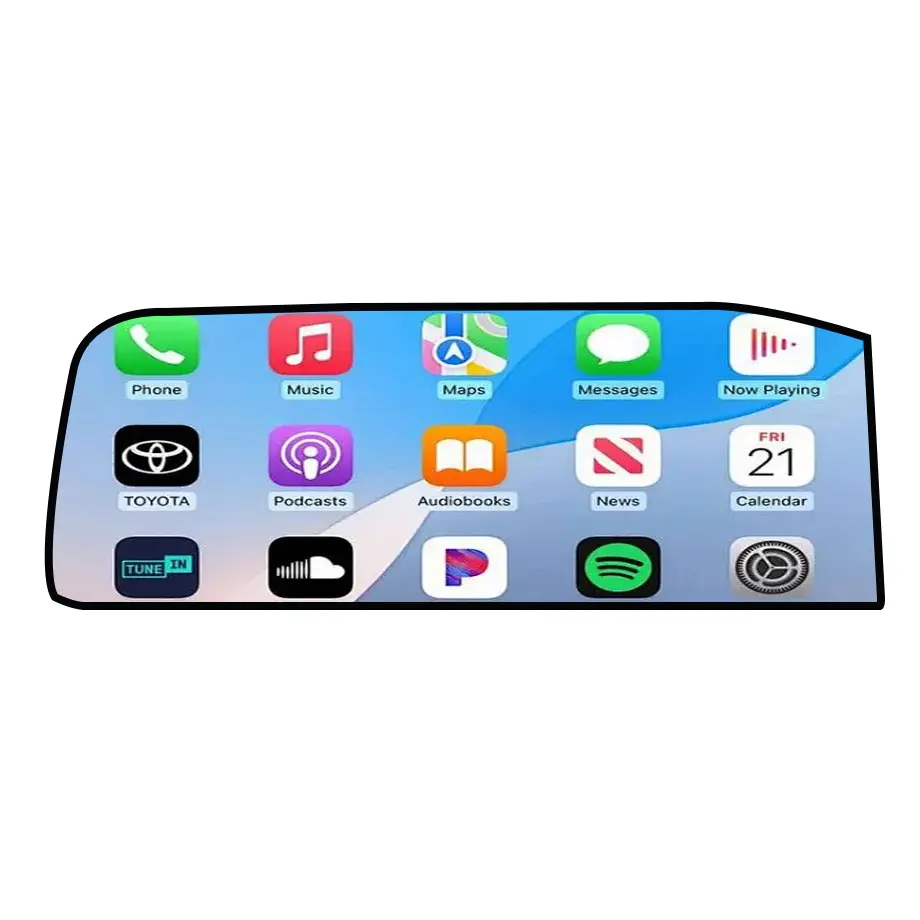
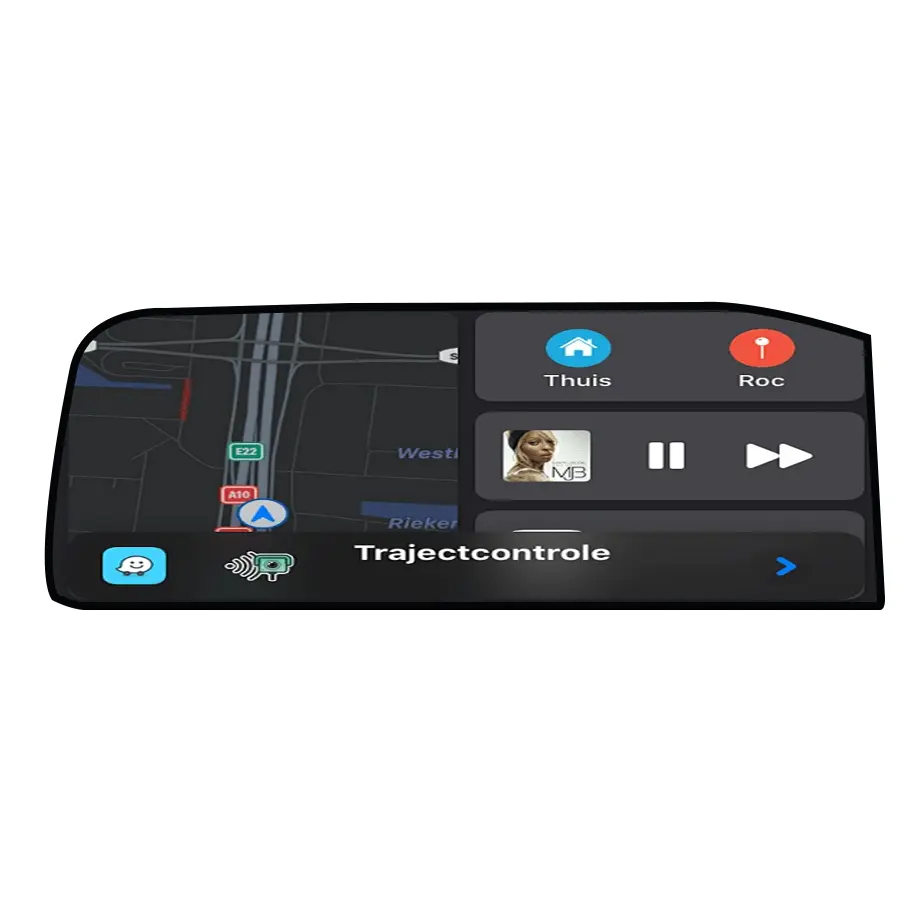
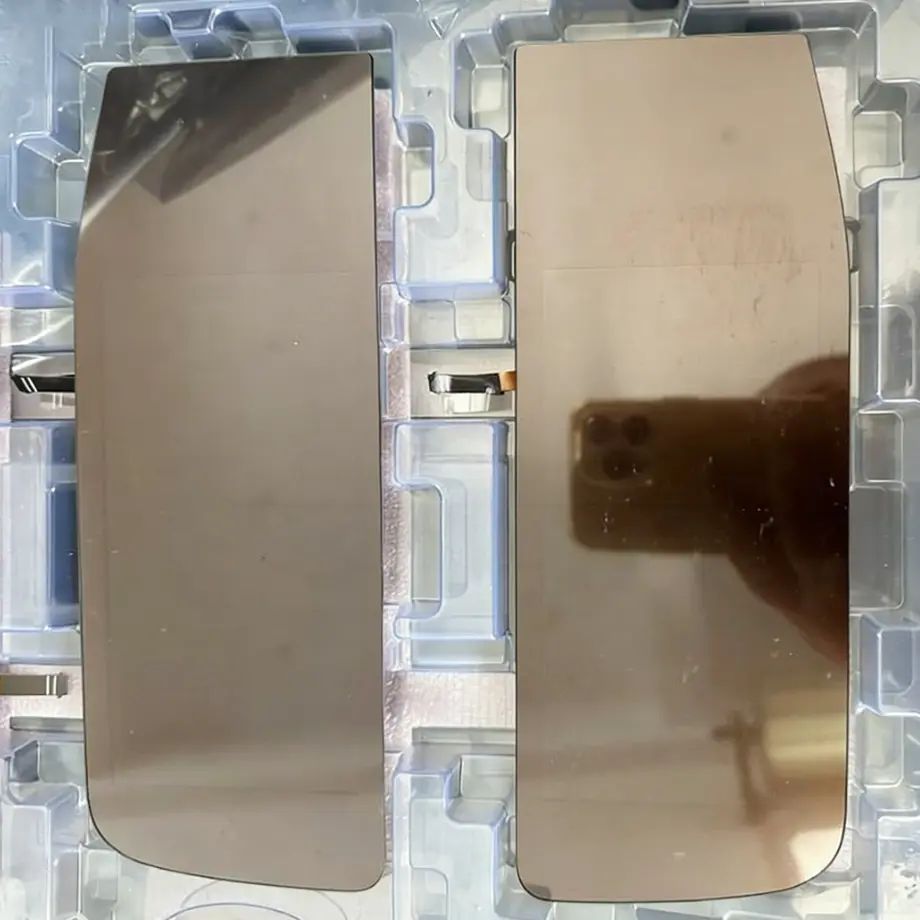
AV060ZET-A10-28P1 6-Inch Anti-Fingerprint TFT Assembly is a BOE 6.0-inch a-Si TFT-LCD display assembly for automotive integration. It uses a tall 640(RGB)×1280, 1:2 image format with a 67.968 × 135.936 mm active area, 600 cd/m² typical luminance and a 1200:1 typical contrast ratio. The confirmed assembly includes a 7S2P WLED backlight without an integrated backlight driver, plus PCAP touch over an I²C control path.
The complete outline is 83.25 × 218.761 × 12 mm. Native display signaling is LVDS, one channel at 8-bit color depth, combined with SPI on a 50-pin FPC. The panel supply is 3.3 V typical. Surface construction is specified with anti-fingerprint and antiglare treatment, 6H hard coating and anti-reflection characteristics. The operating and storage ranges are both -40 °C to 85 °C, giving the component a broad thermal envelope for vehicle-oriented packaging.
For the electrical interfaces, the Texas Instruments LVDS Owner's Manual provides useful differential-signaling design context, while NXP publishes the I²C-bus specification and user manual for host-control implementation. These references support integration decisions; they do not replace the exact BOE pinout, timing or touch-controller documentation for this model.
Three Core Buyer Value Propositions
1. Tall 1:2 format for compact in-vehicle HMI layouts
The 640×1280 native resolution creates a portrait-oriented 1:2 canvas in a narrow 6-inch package. That geometry can support vehicle control strips, auxiliary information zones and compact vertical interfaces where a conventional 16:9 panel would consume more dashboard width. Application fit still depends on the target enclosure, viewing distance, UI scale and qualification plan; the aspect ratio alone does not establish compatibility with a particular console or vehicle.
2. 600 cd/m² with anti-reflection and anti-fingerprint surface features
The assembly combines 600 cd/m² typical luminance with anti-fingerprint, antiglare and anti-reflection surface treatment plus a 6H hard coating. Those confirmed facts provide a useful starting point for a frequently touched cockpit interface where reflections and fingerprints can affect legibility. They do not prove sunlight readability, a particular reflection percentage or long-term scratch performance. The completed front stack must be tested under the vehicle's real ambient-light and cleaning conditions.
3. Integrated PCAP touch with a -40 °C to 85 °C component envelope
PCAP touch with I²C is built into the assembly, and the confirmed operating range spans -40 °C to 85 °C. That combination supports evaluation for temperature-varying vehicle interiors without adding a separate touch sensor. The specification does not establish glove operation, wet-finger performance, EMC immunity, automotive-grade certification or a touch-service-life figure. Those requirements remain program-specific validation items.
Key Specifications at a Glance
| Parameter | Confirmed value |
|---|---|
| Manufacturer / model | BOE AV060ZET-A10-28P1 |
| Display size | 6.0 inch |
| Panel type | a-Si TFT-LCD, Assembly |
| Resolution | 640(RGB)×1280, 1:2 |
| Active area | 67.968 × 135.936 mm |
| Outline | 83.25 × 218.761 × 12 mm |
| Brightness | 600 cd/m² typical |
| Contrast ratio | 1200:1 typical |
| Viewing angle | 85/85/85/85 typical at CR≥10 |
| Display colors | 16.7M, 75% NTSC |
| Refresh rate | 60 Hz |
| Response time | 30 ms maximum Tr+Td |
| Native display interface | LVDS, 1 channel, 8-bit + SPI, 50-pin FPC |
| Panel supply | 3.3 V typical |
| Backlight | 7S2P WLED, 12,000 hours, no driver |
| Touch | PCAP, I²C |
| Operating / storage temperature | -40 to 85 °C / -40 to 85 °C |
How Should the LVDS, SPI and I²C Interfaces Be Separated?
The display and touch functions use different electrical roles. The native image path is one-channel 8-bit LVDS, while SPI is also listed in the display-interface definition and the PCAP touch uses I²C. Treat these as distinct buses rather than collapsing them into a single “50-pin interface.” The 50-pin FPC must be verified against the exact pin assignment so power, LVDS pairs, SPI signals and any auxiliary controls are connected correctly.
AV060ZET-A10-28P1 6-Inch Anti-Fingerprint TFT Assembly uses a 3.3 V typical panel supply. That does not imply that every signal on the FPC is a 3.3 V logic interface, nor does it define the power input of a vehicle ECU or external controller board. Review each signal-domain requirement in the BOE documentation. LVDS differential pairs should be routed with controlled impedance and appropriate pair matching, while I²C pull-ups and logic levels must be selected for the actual touch controller and host.
Controller qualification
A host with HDMI, DisplayPort or MIPI output cannot be assumed to connect directly to this assembly. If a bridge or scaler is required, verify that its panel-side output supports the exact 640×1280 timing, LVDS mapping and control behavior. Sample testing should include cold start, repeated sleep/wake, touch activity, image stability and communication recovery after power transitions.
What Does the 7S2P Backlight Architecture Require?
The confirmed light source is a 7S2P WLED array rated at 12,000 hours, and the assembly is specified without a backlight driver. That means the system designer must provide the appropriate LED-driver architecture and validate current regulation, voltage headroom, dimming control, thermal behavior and protection functions. The panel's 3.3 V input is not the backlight-drive voltage.
A 7S2P topology describes the LED string arrangement but does not by itself give the required drive current or total electrical power. Those values should come from the current exact-model specification. Do not estimate them from generic 7S2P LED assumptions. Backlight qualification should measure luminance, uniformity and temperature at the actual current and dimming conditions used by the vehicle HMI.
Lifetime interpretation
The 12,000-hour light-source figure is a defined model fact, but the test basis and end-of-life criterion should be confirmed before using it in a service-life calculation. LED lifetime depends on junction temperature and drive current. A cockpit that runs the display at reduced luminance for much of its duty cycle may have a different field behavior than a laboratory maximum-brightness condition, but no extended lifetime should be promised without manufacturer evidence.
Why Do 600 cd/m² and the Surface Stack Matter in a Vehicle?
Vehicle displays encounter reflections from windows, interior trim and changing daylight. The module's 600 cd/m² typical brightness, anti-reflection and antiglare treatments, anti-fingerprint surface and 6H hard coating provide useful confirmed inputs for optical design. They should not be translated into a “sunlight readable” claim because sunlight readability depends on reflectance, cover lens, air gaps, viewing angle, dashboard geometry and the actual luminance available in the finished system.
The 85/85/85/85 typical viewing specification at CR≥10 supports broad viewing around the module, while ADS normally-black transmissive operation defines the panel mode. The safe interpretation is wide symmetric viewing; do not assign an undocumented directional order beyond the symmetric data. If the display is mounted off-axis or angled toward a driver or passenger, evaluate the final orientation with the production cover stack.
Cleaning and wear also matter for a touch surface. Anti-fingerprint treatment can improve usability, but the product facts do not define chemical resistance or a cleaning-cycle rating. Procurement should request any model-specific surface-care guidance if the assembly will be exposed to frequent cleaning agents.
How Should PCAP Touch Be Validated?
PCAP with I²C is part of the confirmed assembly, giving the host a defined touch-control route. The system must still integrate the specific touch controller, coordinate mapping, interrupt behavior, firmware and power states. If the target vehicle requires glove use, wet operation, stylus input or special gesture behavior, those functions need explicit model-level evidence or project testing because they are not established by the supplied specification.
The touch stack should be qualified with the intended ground reference, cable routing and nearby electronics. Automotive equipment can place high-current switching circuits, radios and other buses close to the display. The module's application label does not prove an EMC standard. Perform system-level EMC/ESD testing to the buyer's requirements, and investigate touch noise or false-trigger behavior under worst-case electrical conditions.
Mechanical interaction
The complete assembly outline is 83.25 × 218.761 × 12 mm, much larger than the 67.968 × 135.936 mm active image area because the product includes additional structure and touch components. CAD work should use the mechanical drawing rather than estimating bezel width from these dimensions. Confirm mounting points, FPC exit, connector bend radius and any keep-out zones before tooling.
Which Automotive Qualification Boundaries Apply?
The user-supplied application is Automotive Display, so AV060ZET-A10-28P1 6-Inch Anti-Fingerprint TFT Assembly is appropriately positioned for vehicle-display integration. That does not establish automotive-grade certification, AEC-Q qualification, ISO 16750 compliance, an OEM approval or a guaranteed fit in a named vehicle. The -40 to 85 °C range is a strong component fact, but temperature alone cannot substitute for vibration, EMC, humidity, optical, mechanical and lifecycle qualification.
For a vehicle program, build a verification matrix covering operating and storage temperature, brightness/dimming, backlight driver, touch behavior, vibration, EMC/ESD, cover-lens requirements, optical bonding status and change-notification expectations. Only publish a qualification claim when the exact model has supporting documentation. If evidence is absent, leave the status as a project confirmation item.
Where Can the 6-Inch 1:2 Assembly Be Used?
The narrow portrait format can support compact center-stack controls, auxiliary information displays, vertical status interfaces and other cockpit HMI layouts where the target package matches the confirmed dimensions. These are evidence-compatible application scenarios derived from the product's automotive positioning and form factor; they are not exact-fit statements for a particular vehicle or console.
The 60 Hz refresh rate is suitable for ordinary UI animation, touch interaction and information display. The 30 ms maximum Tr+Td response specification should be included in motion qualification if the interface uses fast transitions. A 6-inch diagonal does not determine readability by itself, so UI designers should validate text size, icon density, viewing distance and brightness in the actual vehicle geometry.
What Should Procurement Confirm Before a Sample or Program Order?
Confirm exact model AV060ZET-A10-28P1 and the current BOE documentation. Request the mechanical drawing, LVDS/SPI pin assignment, touch-controller information and backlight electrical requirements. The assembly has a 50-pin FPC, so connector mating and cable routing should be verified before PCB layout is frozen.
For the backlight, obtain the exact current, voltage and dimming requirements rather than estimating from the 7S2P topology. For touch, define any glove, wet, gesture or EMC criteria in the sample plan. For optics, test the final cover stack and dashboard angle under representative ambient illumination rather than relying on the 600 cd/m² number alone.
Same-model public information describes the part as in production, but current status and supplier inventory are time-sensitive. They do not establish long-term availability or a second source. Automotive buyers should confirm lifecycle, change-notification and volume-planning requirements separately before SOP or long-term sourcing commitments.
Procurement Checklist
- Confirm BOE AV060ZET-A10-28P1 identity and current revision documentation.
- Verify 640×1280 LVDS timing, SPI signals and the 50-pin FPC assignment.
- Integrate PCAP touch through the documented I²C controller path.
- Design a separate driver for the 7S2P WLED backlight and validate dimming.
- Check the 83.25 × 218.761 × 12 mm assembly outline against the vehicle package.
- Test the anti-reflection, antiglare and anti-fingerprint surface in the production front stack.
- Validate -40 to 85 °C operation plus project-specific vibration and EMC requirements.
- Confirm current lifecycle and change-notification information before volume commitment.
AV060ZET-A10-28P1 6-Inch Anti-Fingerprint TFT Assembly combines a narrow automotive display format, integrated touch and a wide temperature envelope in one assembly. Production approval should follow complete interface, backlight, optical, touch, mechanical and qualification testing for the target vehicle system.
Recommended: Same Size
(6")
Applications & Value of LCD Panel

- Fast sourcing with in-stock panels & cross-reference alternatives
- Stable supply chain with long-term availability
- Engineering-level support from panel to integration
- Custom solutions: cable, touch & optical bonding
- Strict quality control with IQC / OQC / aging test
- Full traceability system for quality assurance
- Complete technical documentation & drawings
- Compliance support: RoHS & certification files
