~
~
~
~
~
~
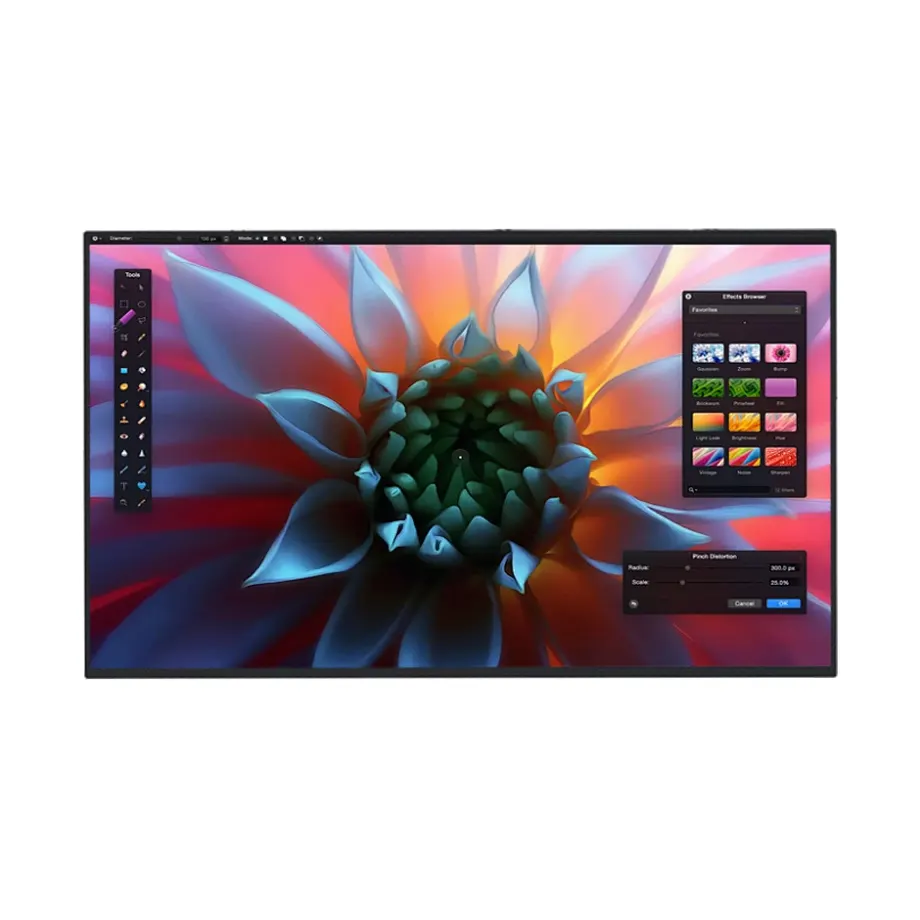
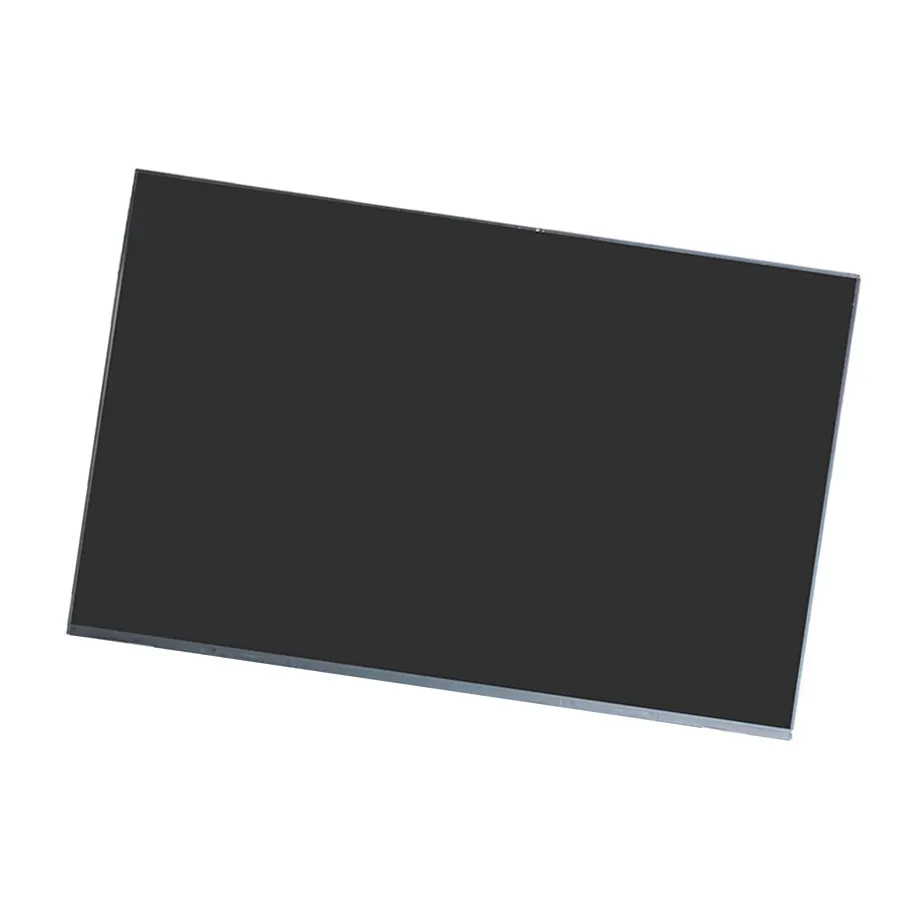
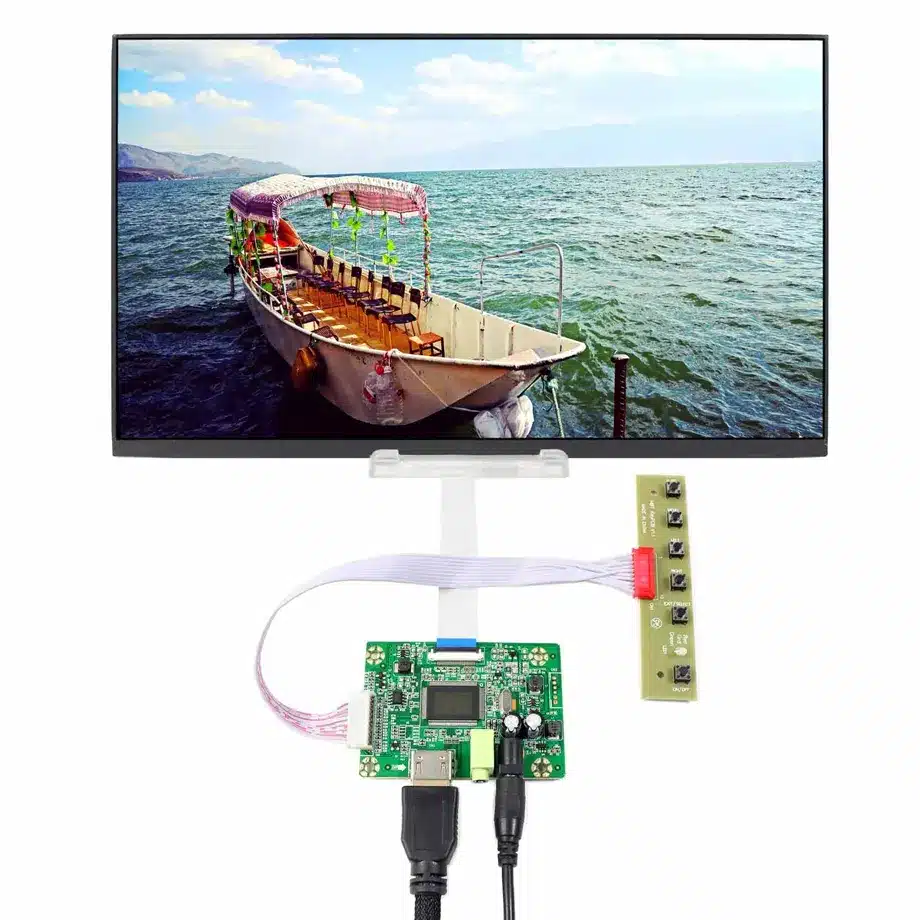
B170UAN01.2 AHVA Adaptive-Sync Gaming Screen AUO
Model P/N
Size
Resolution
Brightness
Viewing Angle
Connector Type
Operating Temp
Overall(mm)
auo
B170UAN01.2
Brand
Panel Size (inch)
Model P/N
Resolution
Brightness (nits)
Viewing Angle
Contrast Ratio
Response Time
Overall (mm)
Active Area (mm)
Refresh Rate
Display Colors
Panel Type
Connector Type
Surface Treatment
Operating Temp
Touchscreen Type
Storage Temp
Work Mode
Pixel Format
Input Voltage (V)
Vibration Resistance
Weight (g)
Designed For
Product Details
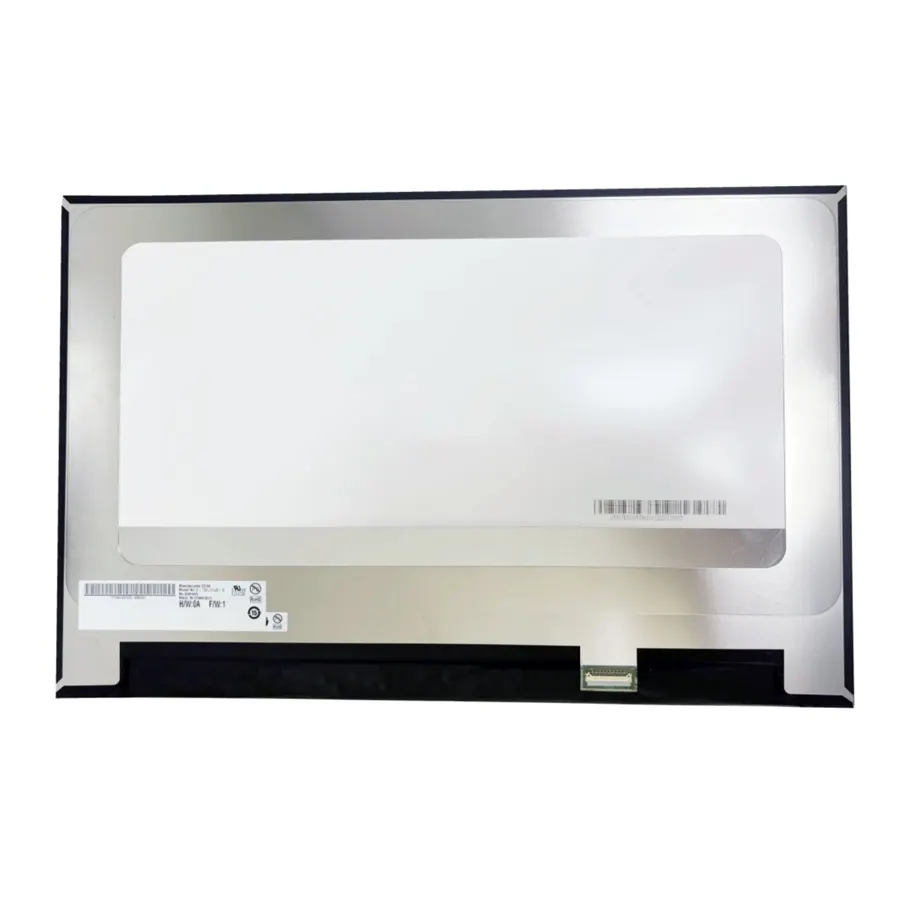
B170UAN01.2 AHVA Adaptive-Sync Gaming Screen is a 17.0-inch AUO a-Si TFT-LCD module for laptop and gaming-notebook integration. The exact-model record combines 1920×1200 WUXGA resolution in a 16:10 format with a 165 Hz refresh rate, 300 cd/m² typical luminance and AHVA normally-black transmissive operation. The active area is 366.336 × 228.96 mm within a 372.84 × 240.11 × 5 mm outline, and panel mass is specified at 480 g maximum. Signal input is four-lane eDP 1.4 through a 40-pin 0.4 mm connector at 3.3 V typical, while the WLED backlight includes an LED driver and carries a 15K-hour light-source reference.
Large-format gaming notebook architecture
The 17-inch diagonal and 16:10 WUXGA image format make this panel suitable for notebooks that prioritize a larger mobile workspace. Compared with a 16:9 FHD image, 1920×1200 adds vertical pixels while remaining within a familiar GPU timing class. The documented applications are Laptop and Gaming, which supports engineering evaluation in large gaming notebooks and performance-oriented mobile workstations when the target system matches the exact electrical and mechanical package.
Notebook replacement should still be handled as an exact compatibility exercise. A 17-inch WUXGA screen from another family can use a different connector pitch, connector position, eDP lane setup, panel thickness or backlight control scheme. The installed label, system parts list, cable and lid construction remain stronger compatibility evidence than diagonal size alone.
Three Core Buyer Value Propositions
1. 165 Hz native refresh provides a defined high-frame-rate target
The documented 165 Hz frame rate gives GPU and firmware teams a specific native timing for gaming workloads. Qualification should verify cold boot, operating-system transitions, sleep/wake, graphics-driver changes and sustained high-motion content at the intended refresh. The panel figure does not by itself guarantee end-to-end input latency, variable-refresh range or motion clarity, because GPU scheduling, firmware and pixel drive strategy also influence the finished notebook.
2. 16:10 WUXGA expands vertical workspace in a 17-inch format
The 1920×1200 matrix uses a 16:10 aspect ratio, giving more vertical image area than standard 1920×1080 while retaining a practical notebook GPU workload. That can suit games, productivity software and content tools that benefit from extra vertical space. For replacement projects, the same resolution also helps narrow compatibility screening, but final fit still requires the exact 372.84 × 240.11 × 5 mm module outline and connector geometry.
3. Integrated WLED driver reduces panel-side backlight design complexity
The module includes a WLED system with LED driver rather than requiring the notebook designer to create a separate raw LED drive stage for the panel. Brightness control still depends on the notebook implementation, and the listed 15K-hour reference is a component specification rather than a finished-laptop warranty or service-life promise. Thermal design and the actual brightness-use profile remain system responsibilities.
Key Specifications at a Glance
| Specification | B170UAN01.2 value |
|---|---|
| Display size | 17.0 inch |
| Panel type | a-Si TFT-LCD, LCM |
| Resolution | 1920×1200 WUXGA, 16:10 |
| Active area | 366.336 × 228.96 mm |
| Outline | 372.84 × 240.11 × 5 mm |
| Weight | 480 g maximum |
| Brightness | 300 cd/m² typical |
| Contrast | 800:1 typical |
| Viewing angle | 85/85/85/85 typical at CR≥10 |
| Response | 8 ms Tr+Td typical; 5 ms G2G typical; 3 ms G2G with OD typical |
| Colors | 16.7M, 100% sRGB |
| Refresh rate | 165 Hz; FreeSync / G-Sync listed |
| Interface | eDP 4 lanes, eDP1.4, 40-pin 0.4 mm connector |
| Supply | 3.3 V typical |
| Backlight | WLED, 15K hours, with LED driver |
| Operating / storage | 0 to 50°C / -20 to 60°C |
eDP and connector details control replacement compatibility
The panel uses four-lane eDP 1.4 with a 40-pin 0.4 mm connector. Those details should be matched against the notebook cable and motherboard path before any replacement is approved. A 40-pin panel using a different pitch, lane mapping or connector position can be mechanically or electrically incompatible even if it shares 17-inch size and WUXGA resolution. Do not force a connector or use an adapter as evidence of qualification.
B170UAN01.2 AHVA Adaptive-Sync Gaming Screen should be exercised on the intended notebook through repeated power cycles and lid transitions. Verify native 165 Hz timing, brightness control, sleep/wake recovery and sustained rendering load. The approved cable, BIOS/graphics configuration and panel revision should be captured together so later lots can be compared to a controlled reference.
Optical behavior and surface finish
The module is specified at 300 cd/m² typical luminance and 800:1 typical contrast with antiglare 3H treatment. The exact record also states 100% sRGB, providing a stronger documented color-gamut reference than a generic color-depth field. System color accuracy still depends on backlight spectrum, graphics pipeline and calibration. The panel specification does not guarantee factory calibration of a finished notebook.
Antiglare treatment helps reduce mirror-like reflections in indoor use, but the panel is not established as a sunlight-readable display. Bright outdoor performance should be evaluated through the actual notebook lid, cover layers and target ambient illumination rather than inferred from the 300-nit component value.
Response time and adaptive-sync boundaries
The exact-model source lists several response references: 8 ms typical Tr+Td, 5 ms typical G2G and 3 ms typical G2G with overdrive. These values provide useful component-level context for motion behavior. Overdrive tuning remains part of the panel/controller interaction, so visible overshoot, dark-transition smearing and motion artifacts should be tested with the actual notebook platform.
FreeSync / G-Sync is listed among the panel features, but that does not by itself establish certification of a complete notebook or a specific variable-refresh operating window. The graphics processor, firmware and driver stack must support the finished implementation. Public copy should therefore describe the listed feature without promising universal adaptive-sync behavior.
Mechanical integration in a 17-inch notebook lid
The panel outline is 372.84 × 240.11 × 5 mm with a maximum mass of 480 g. That larger mass and area can influence hinge torque, lid stiffness and pressure distribution. Prototype lids should be checked for torsion, pressure marks, cable strain and image disturbance across normal opening, closing and transport loads. The mechanical drawing should govern bracket, adhesive and keep-out decisions rather than assumptions from another B170UAN revision.
The source identifies a slim bent-PCBA form. Rear component clearance and cable routing should be confirmed before tooling because a nominal diagonal does not define PCB shape. Incoming inspection should include rear-layout and connector-position comparison to the approved sample.
Thermal and environmental limits
The component operating range is 0 to 50°C and storage range is -20 to 60°C. These are notebook-panel limits, not industrial or automotive qualifications. Sustained gaming can heat the lid area through GPU/CPU load and chassis airflow, so the system team should measure the local panel environment during representative high-performance use.
Cold-start, warm-up and long-duration tests should be included if the notebook product has environmental requirements near the panel limits. Storage tolerance should not be treated as powered operating capability.
Application fit: laptop and gaming notebook programs
Laptop and Gaming are documented exact-model applications. That supports integration into large gaming notebooks and performance-oriented portable systems where WUXGA 16:10, 165 Hz and the four-lane eDP package match the design. It does not prove fit to a named retail laptop, so exact chassis, cable and parts-list evidence should control replacement decisions.
The module has no touch. A notebook requiring touch needs a different display architecture or separately engineered sensor, which changes optics, lid thickness and cabling. Touch absence should not be treated as a firmware option.
Procurement and incoming-quality controls
Confirm B170UAN01.2 on the incoming label and record the approved revision, 40-pin connector, rear PCB shape and matte surface. Validate a representative sample at native 165 Hz before approving volume lots. If a supplier proposes B170UAN01.1 or another B170UAN-family screen, treat it as a different model until exact equivalence is established through controlled engineering review.
B170UAN01.2 AHVA Adaptive-Sync Gaming Screen should enter the approved BOM only after high-refresh timing, optical behavior, backlight control and lid mechanics pass on the target system. Current stock, MOQ, price, lead time and lifecycle require separate sourcing confirmation and should not be inferred from technical compatibility.
Sample qualification sequence before a notebook design freeze
A practical qualification sequence starts with identity and mechanics, then moves to electrical timing and finally to user-facing image quality. First compare the exact label, connector pitch, rear PCB shape and outline against the approved drawing. Next verify native 165 Hz operation, cold boot, brightness control and sleep/wake on the target motherboard. After electrical stability is established, run long gaming sessions and inspect dark transitions, uniformity and antiglare behavior. Recording the approved cable, graphics-driver build and panel revision together makes later supplier lots easier to audit and helps prevent a superficially similar 17-inch screen from entering production without requalification.
Document control for replacement and new-design work
The approved engineering package should include the exact AUO drawing, electrical specification, cable reference and a photograph of the rear label. This is especially important when a supplier describes several B170UAN variants as equivalent. A revision change can affect connector placement, firmware behavior or mechanical clearance without changing the visible diagonal. Procurement should route any proposed alternate through engineering before purchase approval. That keeps the high-refresh notebook path controlled by exact evidence instead of marketplace naming.
Engineering summary
B170UAN01.2 AHVA Adaptive-Sync Gaming Screen combines a 17-inch 1920×1200 AHVA image, 165 Hz refresh, four-lane eDP 1.4, 300-nit luminance, integrated WLED driver and no touch. Its engineering value is the defined high-refresh notebook package rather than a generic size category. Exact cable, timing, connector pitch, graphics support and lid geometry should all be validated before production release or replacement approval.
Recommended: Same Size
(17")
Applications & Value of LCD Panel

- Fast sourcing with in-stock panels & cross-reference alternatives
- Stable supply chain with long-term availability
- Engineering-level support from panel to integration
- Custom solutions: cable, touch & optical bonding
- Strict quality control with IQC / OQC / aging test
- Full traceability system for quality assurance
- Complete technical documentation & drawings
- Compliance support: RoHS & certification files