~
~
~
~
~
~
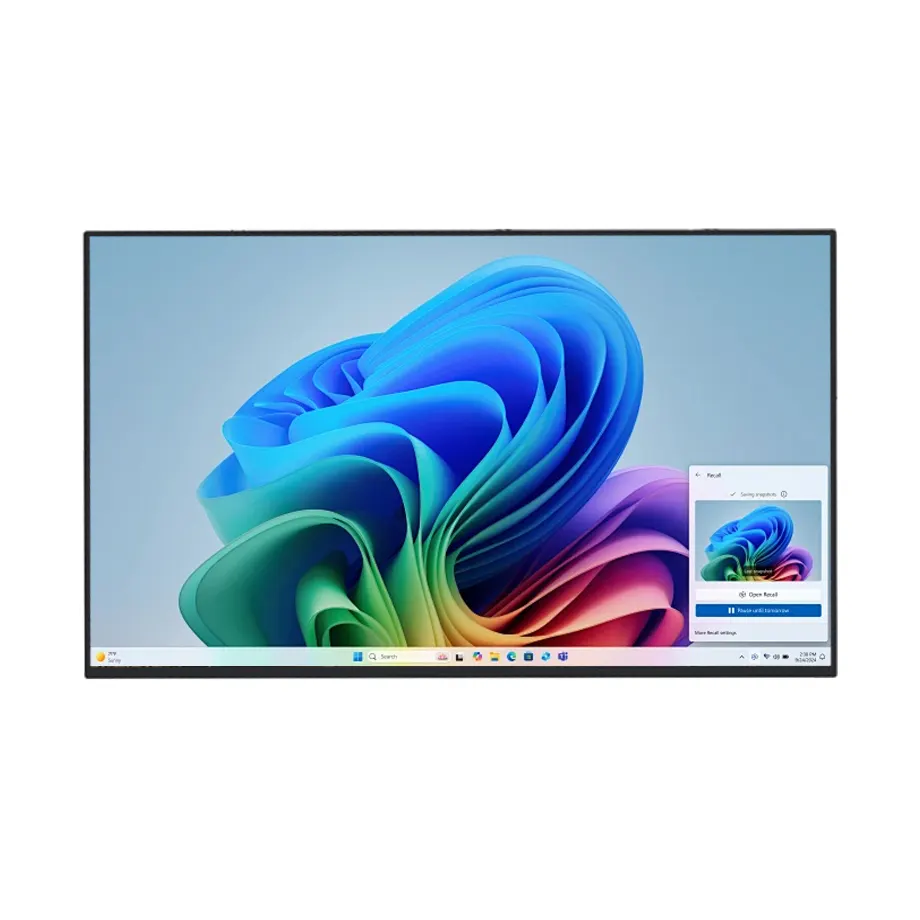
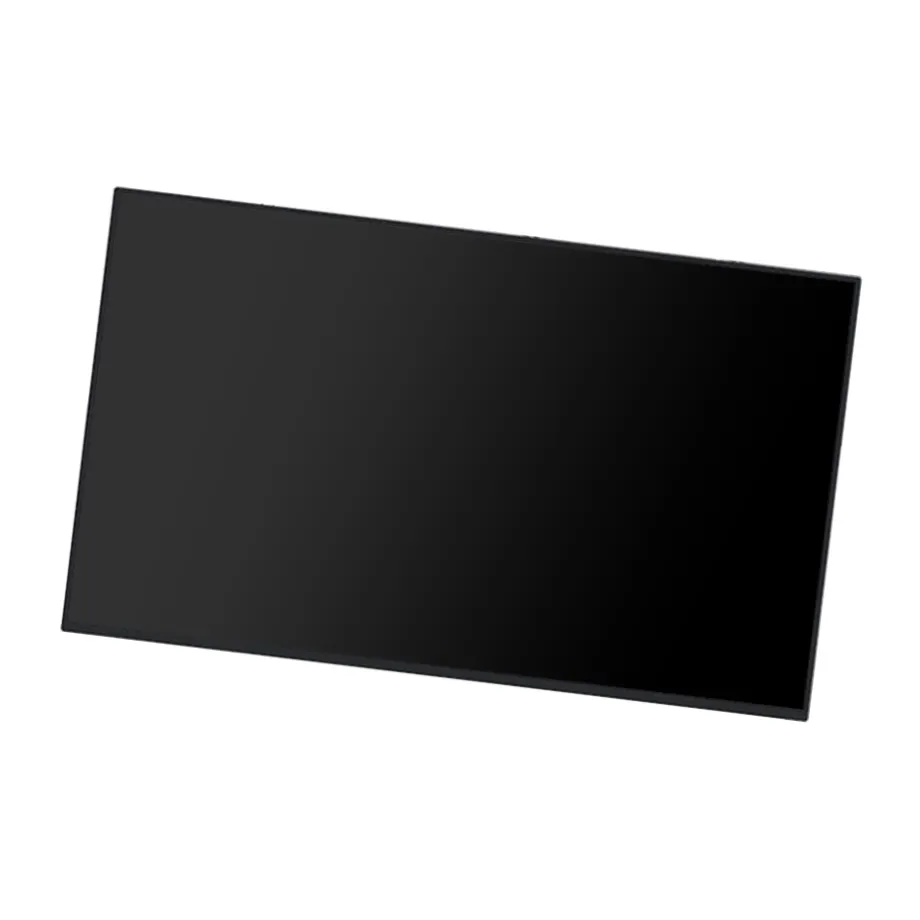
HJ140BB-01A 15:10 30-Pin Glossy Display Innolux

Model P/N
Size
Resolution
Brightness
Viewing Angle
Connector Type
Operating Temp
Overall(mm)
innolux
HJ140BB-01A
Brand
Panel Size (inch)
Model P/N
Resolution
Brightness (nits)
Viewing Angle
Contrast Ratio
Response Time
Overall (mm)
Active Area (mm)
Refresh Rate
Display Colors
Panel Type
Connector Type
Surface Treatment
Operating Temp
Touchscreen Type
Storage Temp
Work Mode
Pixel Format
Input Voltage (V)
Vibration Resistance
Weight (g)
Designed For
Product Details
HJ140BB-01A 15:10 30-Pin Glossy Display is a 14.0-inch Innolux a-Si TFT-LCD module for laptop integration, combining a 2160×1440 native image in a 15:10 format with a glossy 0% haze surface and 330 cd/m² typical luminance. The exact-model data lists 1500:1 typical contrast, 85/85/85/85 viewing angles, 16.7 million colors and 60 Hz refresh. Its active area is 295.812 × 197.208 mm within a 301.51 × 208.61 × 2.75 mm outline, with a maximum mass of 288 g. The panel uses four-lane eDP 1.4 through a 30-pin connector and a 3.3 V typical supply, while its 11S6P WLED backlight is supplied without a driver.
Why the 2160×1440 15:10 format matters in a notebook
The native resolution gives the panel a taller image shape than conventional 16:9 notebook screens. That can provide additional vertical workspace for documents, web content and productivity interfaces while retaining a compact 14-inch footprint. The 295.812 × 197.208 mm active area defines the exact visible image geometry. Software scaling and application layout remain system-level concerns; the panel establishes the pixel matrix and aspect ratio rather than guaranteeing a specific user-interface experience.
The module is documented for Laptop use. That supports notebook new-design and exact-part replacement evaluation, but not universal compatibility with every 14-inch 2160×1440 machine. Different notebook products can use distinct connectors, cable positions, timing, firmware and lid mechanics even when resolution and diagonal appear identical.
Three Core Buyer Value Propositions
1. 2160×1440 delivers a high-density 15:10 notebook workspace
The 2160×1440 matrix is the primary differentiation of this model. It provides more native pixels than common FHD laptop panels and uses a 15:10 image ratio that can be useful for productivity-oriented notebooks. For procurement, the resolution is also a compatibility checkpoint: replacing the panel with a different native format may require different graphics timing, scaling and bezel geometry.
2. 1500:1 contrast and glossy surface target image clarity rather than matte reflection control
The panel lists 1500:1 typical contrast and a glare surface with 0% haze and 3H hard coating. A glossy front surface can preserve crisp image appearance but also reflects ambient light more directly than an antiglare finish. The correct choice depends on the notebook product concept. Buyers should not substitute a matte panel solely because size and resolution match without considering the intended optical behavior and any front cover used by the notebook.
3. Four-lane eDP 1.4 and a 30-pin connector define the internal signal path
The exact interface is eDP with four lanes, eDP 1.4 and a 30-pin connector. That combination is important because many laptop panels use 30-pin or 40-pin eDP arrangements that are not interchangeable. Connector count alone is still not sufficient: pin assignment, location, cable length, timing and power sequence must match the exact notebook design.
Key Specifications at a Glance
| Specification | HJ140BB-01A value |
|---|---|
| Display size | 14.0 inch |
| Panel type | a-Si TFT-LCD, LCM |
| Resolution | 2160×1440, 15:10 |
| Active area | 295.812 × 197.208 mm |
| Outline | 301.51 × 208.61 × 2.75 mm |
| Weight | 288 g maximum |
| Brightness | 330 cd/m² typical |
| Contrast | 1500:1 typical |
| Viewing angle | 85/85/85/85 typical at CR≥10 |
| Response | 30 ms typical Tr+Td |
| Colors | 16.7M, 71% NTSC |
| Refresh rate | 60 Hz |
| Interface | eDP 4 lanes, eDP1.4, 30-pin connector |
| Supply | 3.3 V typical |
| Backlight | 11S6P WLED, no driver |
| Operating / storage | -10 to 50°C / -20 to 60°C |
Glossy optical behavior should be assessed with the final lid and cover
The source explicitly identifies a glare surface with 0% haze. That is an optical characteristic, not a statement that the finished notebook has no reflections. Ambient light, optional cover glass and screen angle can all affect perceived glare. A glossy panel can support a clear, high-contrast appearance indoors, while bright windows or overhead lights may create stronger mirror-like reflections than a matte surface.
HJ140BB-01A 15:10 30-Pin Glossy Display should be evaluated in the intended lid stack. If the notebook uses an additional protective cover, measure the combined reflectance and luminance because extra layers can change both. The 330-nit panel value does not establish sunlight readability, and the page does not make that claim.
Backlight-driver design remains a notebook responsibility
The exact model uses an 11S6P WLED backlight and is specified without a driver. That means the system must provide a compatible LED driver, current control and brightness-dimming method separate from the 3.3 V panel logic supply. The display interface and backlight power path should not be treated as the same electrical function.
The source does not provide a backlight-life figure for the current record. That field remains blank rather than inheriting a value from another HJ140BB revision. If service-life planning is important, obtain the exact Innolux backlight specification and evaluate it against the notebook's brightness profile and thermal design.
eDP replacement qualification
For replacement work, match HJ140BB-01A on the original label wherever possible. Verify the 30-pin eDP connector, four-lane architecture, connector location and native 2160×1440 timing. A 30-pin FHD panel may not meet the bandwidth or timing needs of this higher-resolution display, and a mechanically similar 40-pin panel is not an electrical equivalent.
Bring-up tests should include cold boot, operating-system login, brightness control, sleep/wake and repeated lid-close cycles. Check for image corruption, blank resume events and cable sensitivity around the hinge. The approved cable and panel revision should be recorded together for production control.
Mechanical packaging in a thin 14-inch lid
The 301.51 × 208.61 × 2.75 mm outline places the panel in a slim notebook form factor. The active area is 295.812 × 197.208 mm and the maximum mass is 288 g. Lid design should verify bezel overlap, connector clearance and support pressure using the exact drawing. Even small dimensional differences can matter in thin enclosures where the battery, antenna, webcam or cable routing may be tightly packed.
Prototype lids should be checked for pressure marks and image changes under normal opening, closing and handling. The component's 1.5G vibration reference can support screening, but it does not establish rugged-notebook qualification or a specific transport standard.
Image quality boundaries: color, contrast and response
The panel provides 16.7 million colors with a 71% NTSC reference and 1500:1 typical contrast. Those figures are useful for general notebook image evaluation but do not prove calibrated sRGB coverage or color-critical performance. The graphics pipeline, backlight spectrum and any operating-system color profile influence the completed notebook result.
The response-time entry is 30 ms typical Tr+Td. That makes this panel different from a gaming-focused high-refresh display; the documented application is Laptop, and refresh is 60 Hz. Use actual scrolling, video and UI tests on the target notebook if motion behavior is an acceptance criterion.
Temperature and notebook thermal design
The exact operating range is -10 to 50°C and storage is -20 to 60°C. These values are component limits. Notebook internal temperature can be influenced by battery charging, processor load and lid construction, so system validation should measure conditions near the panel rather than relying only on room ambient.
Cold-start evaluation is particularly relevant because the lower operating limit is below standard office conditions. Verify image startup, backlight behavior and response at the temperature points required by the notebook program. Do not infer automotive, industrial or military qualification from the temperature range.
Application fit: notebook display integration
Laptop is the documented application. The 14-inch high-resolution 15:10 format can support productivity-oriented notebook designs when the eDP interface, backlight driver and mechanical envelope match. The evidence does not identify a specific laptop manufacturer or model, so exact fit claims remain outside scope.
For new designs, verify panel timing, backlight control and mechanical integration before tooling the lid. For replacement sourcing, compare the installed label and cable. Similar visual appearance is not enough to establish interchangeability.
Procurement and incoming-quality checklist
Confirm HJ140BB-01A and revision identity on incoming units. Inspect the glossy surface, 30-pin connector and thin mechanical profile against the approved sample. Power the panel through the intended notebook electronics and verify native resolution, brightness control and sleep/wake behavior before lot acceptance.
HJ140BB-01A 15:10 30-Pin Glossy Display should move to volume procurement only after the target notebook has passed electrical, optical and mechanical qualification. Keep photos of the accepted label, connector and rear layout with the BOM record. Stock, MOQ, lead time, price and lifecycle status should be confirmed separately because they are not implied by the technical specification.
Sample approval should include both optical and lid-assembly checks
Before a notebook program freezes this panel, inspect more than a powered image. Compare the glossy surface under the product's intended ambient lighting, check the visible area against the bezel, cycle the lid repeatedly and watch the eDP cable at the hinge, then repeat brightness and sleep/wake tests after the assembly has warmed. These checks connect the panel specification to the real notebook environment. Store the approved sample configuration so later incoming lots can be judged against the same electrical, mechanical and optical reference instead of a generic 14-inch screen description.
Engineering summary
HJ140BB-01A 15:10 30-Pin Glossy Display is a 14-inch 2160×1440 IPS notebook module with 330-nit luminance, a glossy 0% haze surface, 1500:1 typical contrast, four-lane eDP 1.4 and a 30-pin connector. Its 11S6P WLED backlight requires an external driver. The most important integration controls are exact connector/timing matching, lid mechanics and optical-stack validation, especially when replacing another panel that shares only the same diagonal or resolution.
Recommended: Same Size
(14")
Applications & Value of LCD Panel

- Fast sourcing with in-stock panels & cross-reference alternatives
- Stable supply chain with long-term availability
- Engineering-level support from panel to integration
- Custom solutions: cable, touch & optical bonding
- Strict quality control with IQC / OQC / aging test
- Full traceability system for quality assurance
- Complete technical documentation & drawings
- Compliance support: RoHS & certification files