
~
~
~
~
~
~
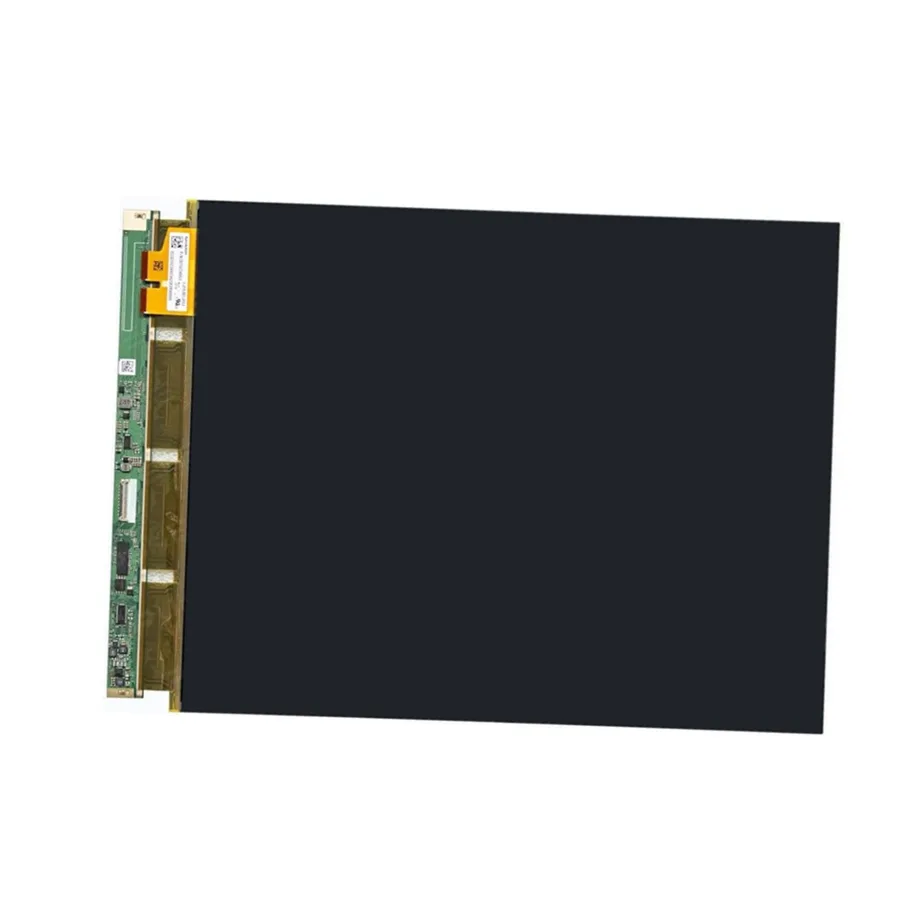
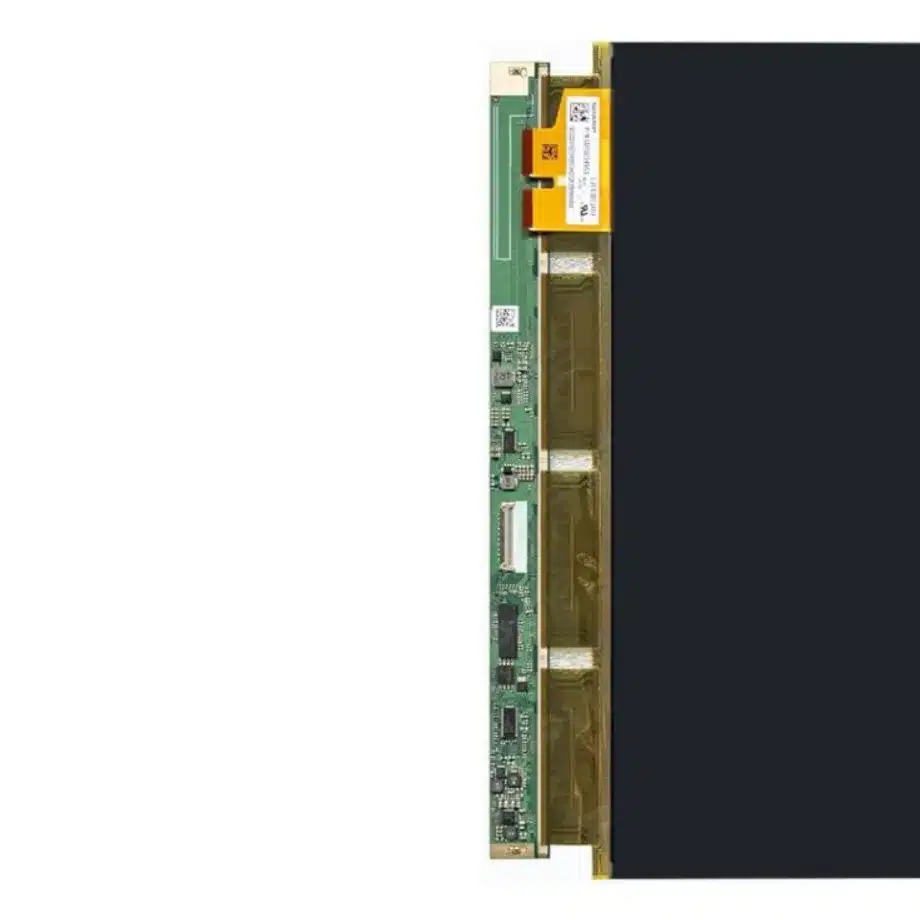
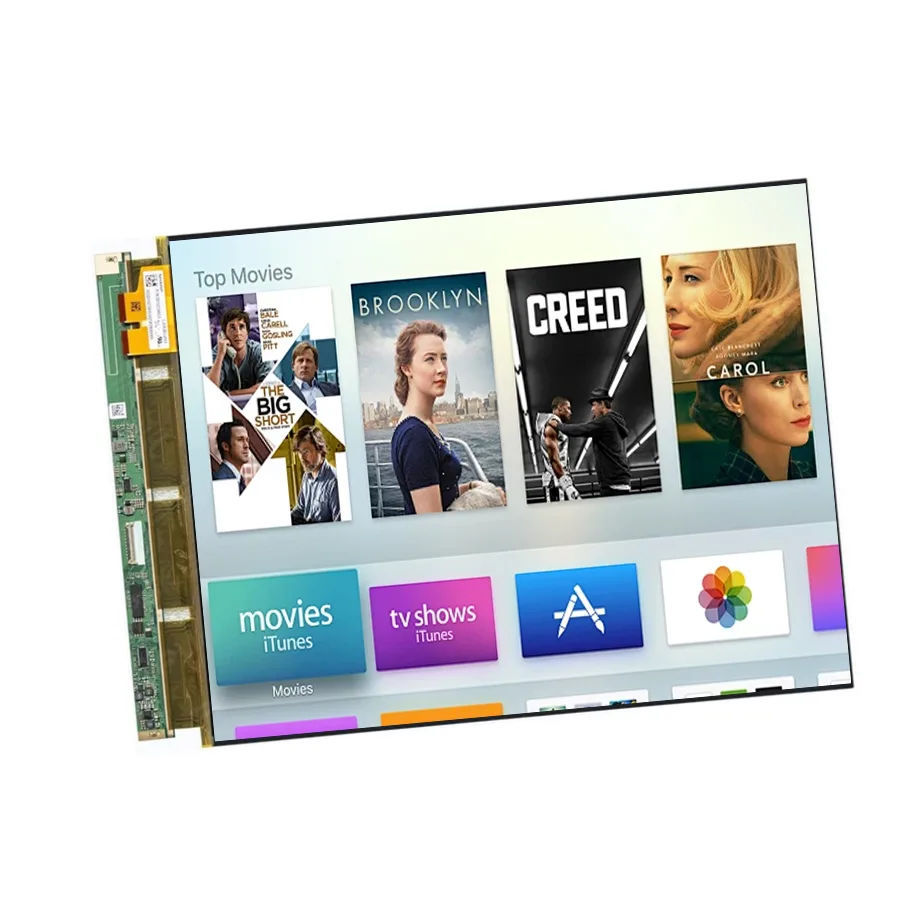
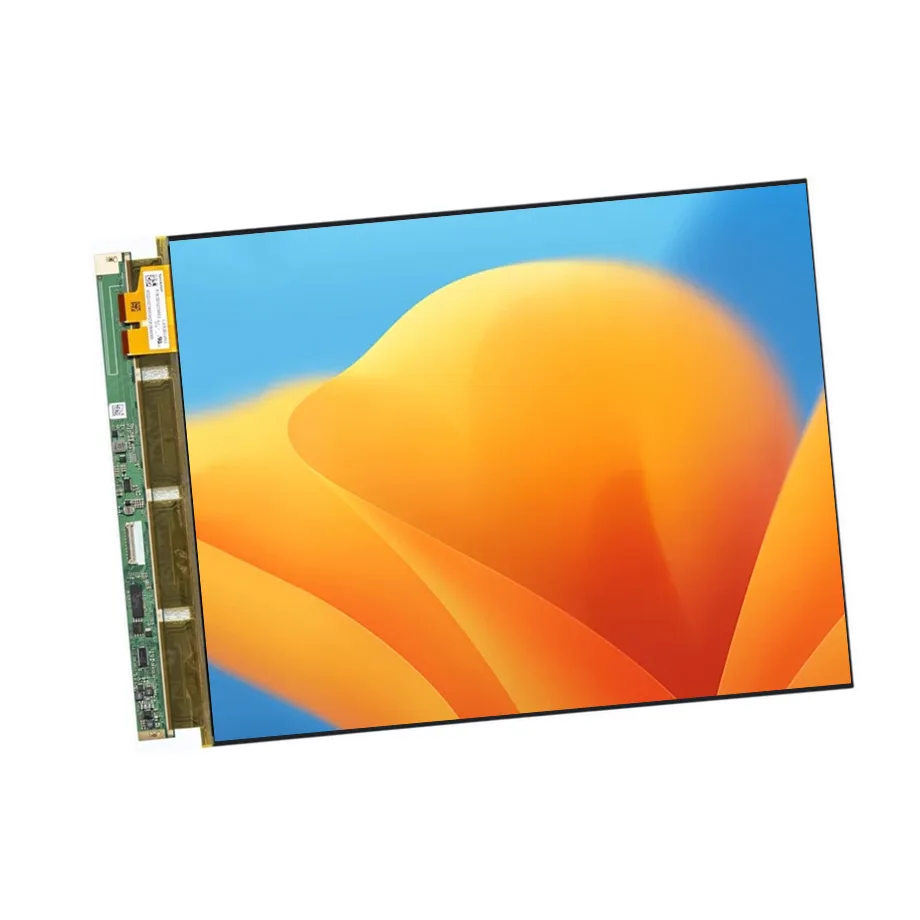
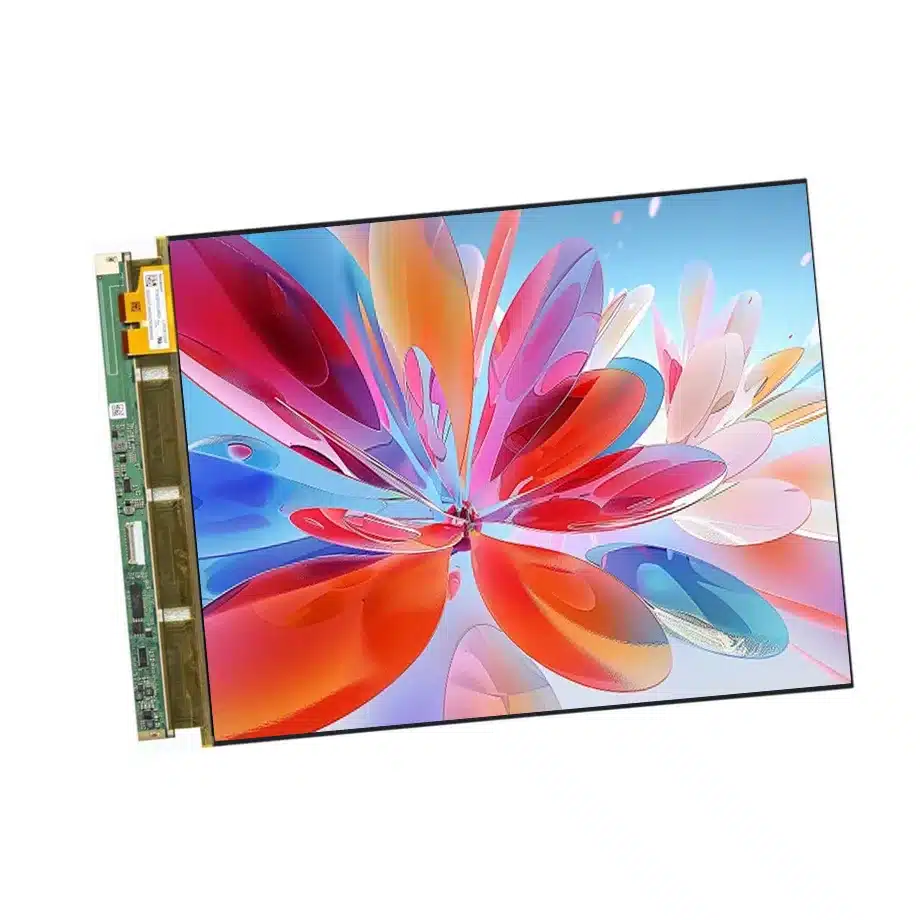
LJ163B1JX01 Flexible Foldable OLED Panel 16.3 Inch Sharp
Model P/N
Size
Resolution
Brightness
Viewing Angle
Connector Type
Operating Temp
Overall(mm)
sharp
LJ163B1JX01
Brand
Panel Size (inch)
Model P/N
Resolution
Brightness (nits)
Viewing Angle
Response Time
Overall (mm)
Active Area (mm)
Refresh Rate
Display Colors
Panel Type
Connector Type
Operating Temp
Touchscreen Type
Storage Temp
Work Mode
Pixel Format
Designed For
Product Details
Product Overview
LJ163B1JX01 Flexible Foldable OLED Panel is a 16.3-inch Sharp AM-OLED panel with a distinctive 2560(RGB)×2024 native format and approximately 5:4 aspect ratio. The supplied row identifies RGB vertical-stripe pixels, 1.07 billion colors, 60 Hz refresh, self-emissive OLED operation and eDP connectivity. It also describes the exact model as a flexible display used for the Lenovo ThinkPad X1 Fold 16.
Several conventional module fields remain unresolved in the supplied evidence: active area, outline dimensions, weight, surface treatment, brightness, contrast, viewing angle, response time, operating range and storage range are not specified. Those gaps should stay blank in the production record rather than being filled from another Sharp OLED family product. The system-level ThinkPad measurements can provide application context, but they are not substitutes for Sharp's component specification.
An independent ThinkPad X1 Fold 16 review identifies the exact Sharp LJ163B1JX01 as the notebook's 16.3-inch 2560×2024 OLED and reports foldable-system testing. Lenovo also documents the ThinkPad X1 Fold product family as a folding PC platform. These sources enrich the application picture without replacing the user-supplied panel facts.
Three Core Buyer Value Propositions
1. Flexible OLED architecture enables foldable-PC form factors
The exact-model public evidence ties LJ163B1JX01 to a folding notebook, making flexible-display integration the central buyer value. A foldable panel can support laptop, tablet and partially folded operating modes within one display surface. That capability comes with engineering obligations: bend radius, hinge path, support layers and surface protection must be controlled by the complete device design. “Flexible” does not mean the bare OLED can be bent arbitrarily.
2. 2560×2024 resolution provides a near-square productivity canvas
The native pixel matrix creates a much taller workspace than conventional 16:9 notebook screens. In a foldable computer, that geometry can support document viewing, side-by-side windows, portrait-like reading and split-screen operation across the fold. UI scale and application layout still belong to the operating system and product design; the panel resolution alone does not guarantee a specific workflow.
3. 1.07B colors support 10-bit-oriented content pipelines
The supplied product facts list 1.07 billion display colors. That is consistent with a 10-bit-oriented visual pipeline and can support smoother gradients than a basic 8-bit panel when the graphics path, software and content preserve the additional precision. It does not establish a particular gamut, HDR certification or calibration accuracy. Those items require separate exact-model or finished-system evidence.
Key Specifications at a Glance
| Parameter | Confirmed value |
|---|---|
| Manufacturer / model | Sharp LJ163B1JX01 |
| Display size | 16.3 inch |
| Technology | AM-OLED, self-emissive |
| Resolution | 2560(RGB)×2024, approximately 5:4 |
| Pixel structure | RGB Vertical Stripe |
| Display colors | 1.07B |
| Refresh rate | 60 Hz |
| Interface | eDP |
| Touch | Not established by the supplied panel evidence |
| Light source | Self-emissive |
| Confirmed application | Laptop; flexible / foldable notebook display |
| Unresolved fields | Panel dimensions, weight, brightness, contrast, response, environmental limits |
What Makes a Foldable OLED Qualification Different?
A conventional notebook panel is typically supported in a rigid lid and moves only as the lid rotates around the hinge. A folding OLED must tolerate controlled deformation across part of the display stack while remaining optically stable. That changes the mechanical problem from simple mounting to coordinated bend management. The panel, support plate, hinge, adhesive and front surface all contribute to the stress profile.
LJ163B1JX01 Flexible Foldable OLED Panel should therefore be evaluated only with the exact production hinge architecture or a representative mechanical fixture. A flat bench test can confirm image and eDP operation but cannot prove fold durability or crease behavior. Repeated folding cycles, temperature conditions and the final support structure must be defined by the finished-device program.
Protect the component evidence boundary
The public ThinkPad review measures system brightness, gamut and response behavior, but those results were taken through Lenovo's finished display stack. They are useful evidence that the exact panel has been deployed successfully, yet they should not be copied into component storage fields that are unresolved in Sharp's supplied panel record. Keeping component and system measurements separate prevents false precision.
How Should eDP Be Integrated When Pin-Level Data Is Missing?
The supplied product row establishes eDP as the interface but does not provide lane count, connector pins, link rate or voltage. Those values must therefore remain open in the formal product record until exact-model documentation is available. The fact that another Sharp OLED or another foldable laptop uses a particular eDP implementation is not sufficient evidence for LJ163B1JX01.
For a real design, obtain the production electrical specification and confirm connector geometry, pin assignment, link training, AUX behavior, power rails and power sequence before connecting the panel. A replacement project should preserve the original Lenovo cable and system architecture unless engineering has proved another cable is equivalent.
How Should Touch and Pen Function Be Described?
The finished ThinkPad X1 Fold supports touch and pen input, but the supplied LJ163B1JX01 panel row leaves the touch field unresolved. That distinction matters. The finished device may combine the OLED with a separate digitizer or integrated front-stack technology that is not represented by the bare panel listing. The product page therefore should not claim that the Sharp OLED itself contains a specific touch technology.
For OEM work, touch, pen, cover film and fold stack should be sourced and qualified as separate semantic objects unless the Sharp documentation explicitly integrates them into one module. This avoids conflating finished-device features with the panel's confirmed component configuration.
What Optical Claims Are Safe for LJ163B1JX01?
The component facts safely support AM-OLED, self-emissive operation, 1.07B colors and the native resolution. OLED architecture implies that the panel does not use a conventional LCD backlight, but specific brightness, contrast ratio, gamut percentage and response time are not established by the supplied product data. The Notebookcheck measurements demonstrate strong finished-device OLED performance, yet they remain system-level measurements.
That means the procurement page can explain the expected integration advantages of self-emissive OLED—local light generation, no separate WLED stack and compatibility with thin flexible constructions—without inventing numeric component values. If a buyer needs guaranteed brightness or color coverage, request the exact Sharp production specification.
Where Does the Exact Model Fit?
The same-model evidence places LJ163B1JX01 Flexible Foldable OLED Panel in foldable laptop and 2-in-1 computer architectures. It is particularly relevant to devices that transition between large-tablet, desktop-style and partially folded notebook modes. The exact Lenovo implementation proves one real application, but it does not establish drop-in fit for another foldable chassis.
Mechanical and software integration remain tightly coupled. The system needs orientation sensing, window-management behavior and a hinge design that protects the OLED through repeated use. A buyer should view the Sharp panel as one component in a larger foldable-display stack rather than as a complete foldable computer display solution by itself.
How Should Procurement Handle Missing Component Parameters?
Missing values should be treated as document requests, not as opportunities to estimate from a teardown or a related model. Ask Sharp or the authorized channel for the exact LJ163B1JX01 electrical, mechanical, optical and environmental specification. If the part is being sourced as a replacement for a ThinkPad X1 Fold, also confirm the exact Lenovo FRU relationship, cable and revision.
Current public information describes the model as in production, but that is time-sensitive sourcing information. It should not be converted into a lifecycle guarantee, MOQ, lead time or second-source claim. Foldable panels are particularly configuration-sensitive, so revision control is important before a production commitment.
How Should a First Article Be Qualified Without a Full Panel Datasheet?
When public component data is incomplete, the first-article process should begin with identity and provenance rather than filling blanks. Photograph the Sharp rear label, confirm the LJ163B1JX01 model and record the Lenovo or OEM assembly in which the sample is installed. Verify native 2560×2024 operation at 60 Hz over the original eDP path and document the cable, system firmware and graphics configuration that produce a stable image.
Mechanical qualification should then focus on the fold path. Cycle the display through the intended closed, partially folded and fully open positions while watching for image interruption, local stress, surface lifting or new visual nonuniformity. Because the bare-panel dimensions and environmental limits are not established here, the system drawing and hinge stack should not be reverse-engineered into component values. The correct release packet should explicitly list the missing Sharp documents as procurement dependencies while preserving the exact-model application evidence already proven in the foldable notebook.
Procurement Checklist
- Confirm the full Sharp LJ163B1JX01 model and production revision.
- Preserve the confirmed 16.3-inch, 2560×2024, 60 Hz, 1.07B-color facts.
- Request exact panel dimensions, brightness, environmental limits and response data rather than estimating them.
- Obtain the production eDP lane, pin, voltage and power-sequence documentation.
- Keep finished-device touch and pen features separate from unresolved panel touch semantics.
- Validate the OLED only in the target fold/hinge support architecture.
- Use the ThinkPad X1 Fold implementation as same-model application evidence, not a universal compatibility claim.
- Confirm lifecycle and revision-control information before volume sourcing.
LJ163B1JX01 Flexible Foldable OLED Panel is a specialized flexible OLED panel whose primary value lies in enabling foldable computing hardware. Its public product copy should emphasize the exact-model resolution, self-emissive architecture and proven foldable-PC use while leaving unconfirmed component dimensions and optical limits blank until Sharp documentation closes those gaps.
Recommended: Same Size
(16.3")
Applications & Value of LCD Panel

- Fast sourcing with in-stock panels & cross-reference alternatives
- Stable supply chain with long-term availability
- Engineering-level support from panel to integration
- Custom solutions: cable, touch & optical bonding
- Strict quality control with IQC / OQC / aging test
- Full traceability system for quality assurance
- Complete technical documentation & drawings
- Compliance support: RoHS & certification files
