
~
~
~
~
~
~
B156HAN02.1 HWKA DC Dimming 1000:1 LCM FreeSync 15.6 Inch AUO
Model P/N
Size
Resolution
Brightness
Viewing Angle
Connector Type
Operating Temp
Overall(mm)
auo
B156HAN02.1 HWKA
Brand
Panel Size (inch)
Model P/N
Resolution
Brightness (nits)
Viewing Angle
Contrast Ratio
Response Time
Overall (mm)
Active Area (mm)
Refresh Rate
Display Colors
Panel Type
Connector Type
Surface Treatment
Operating Temp
Touchscreen Type
Storage Temp
Work Mode
Pixel Format
Input Voltage (V)
Vibration Resistance
Weight (g)
Designed For
Product Details
Product Overview
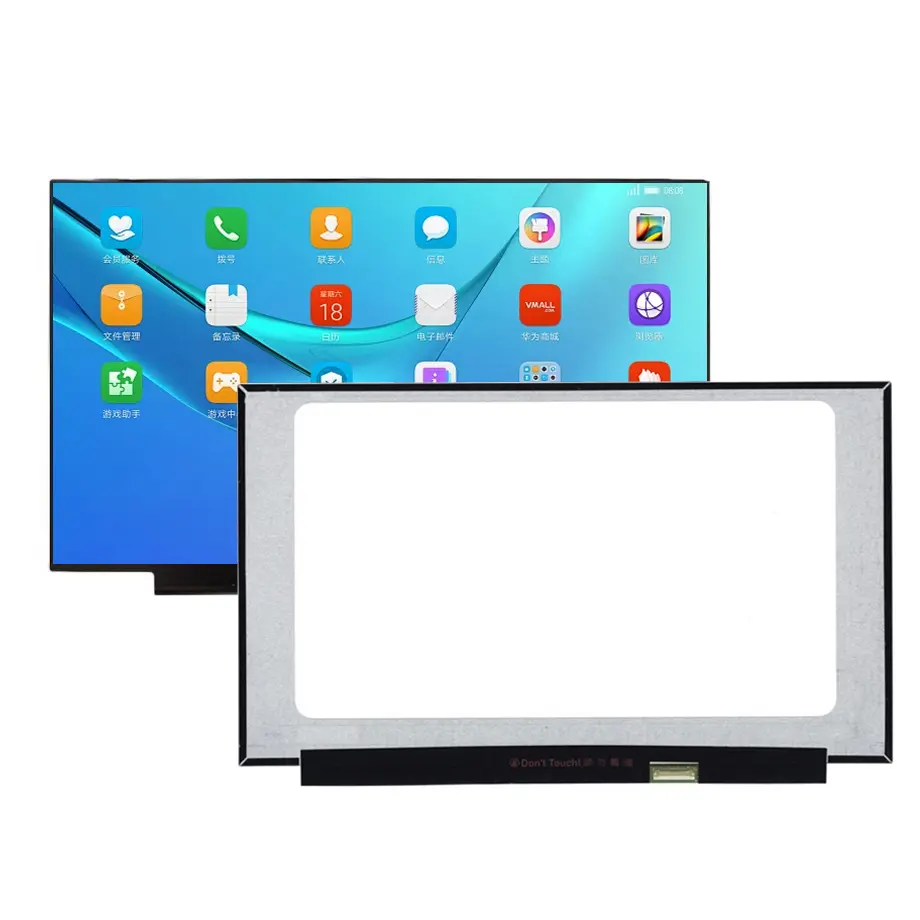
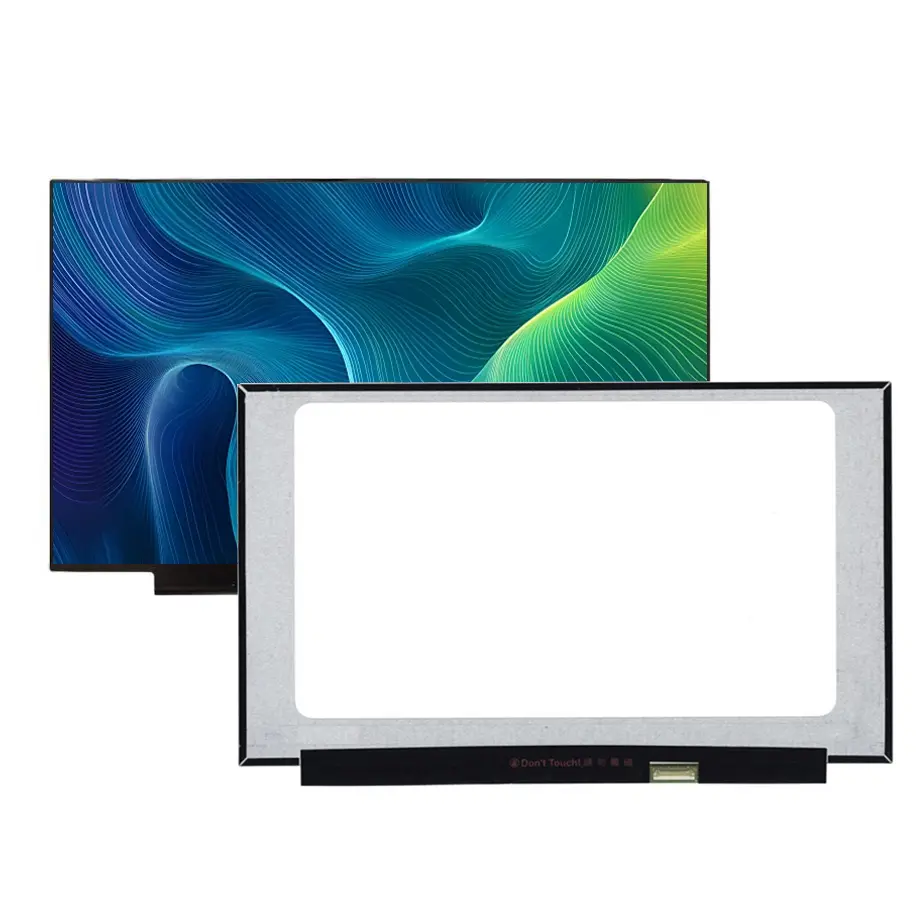
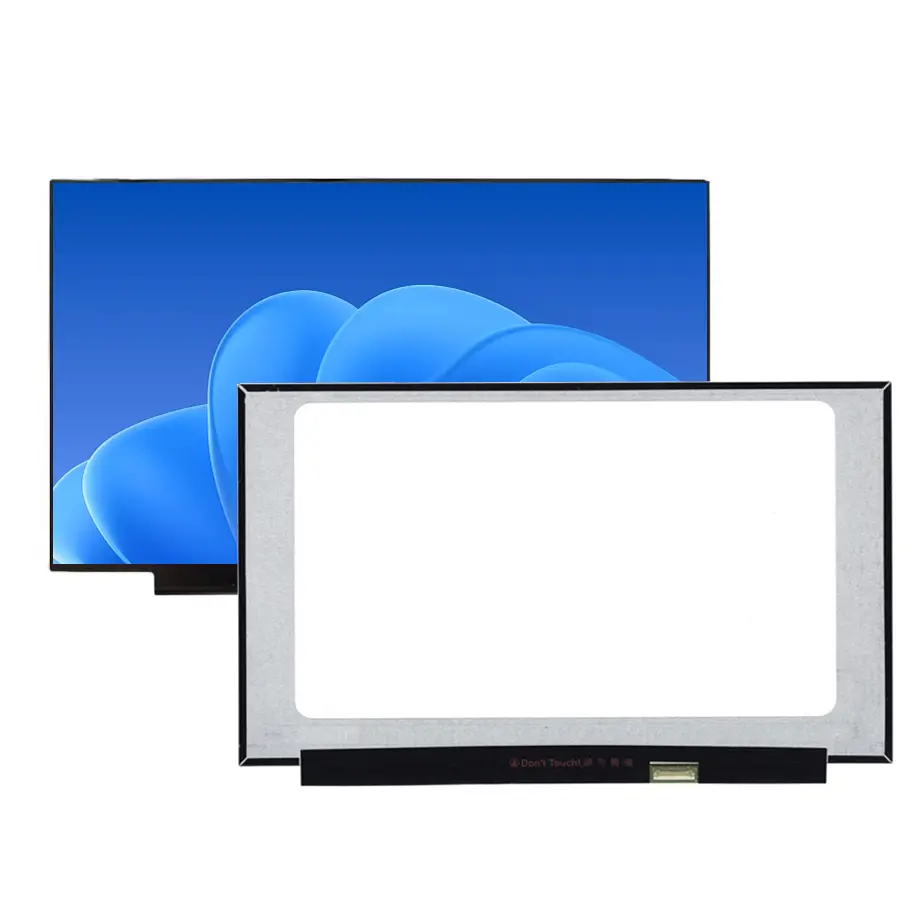
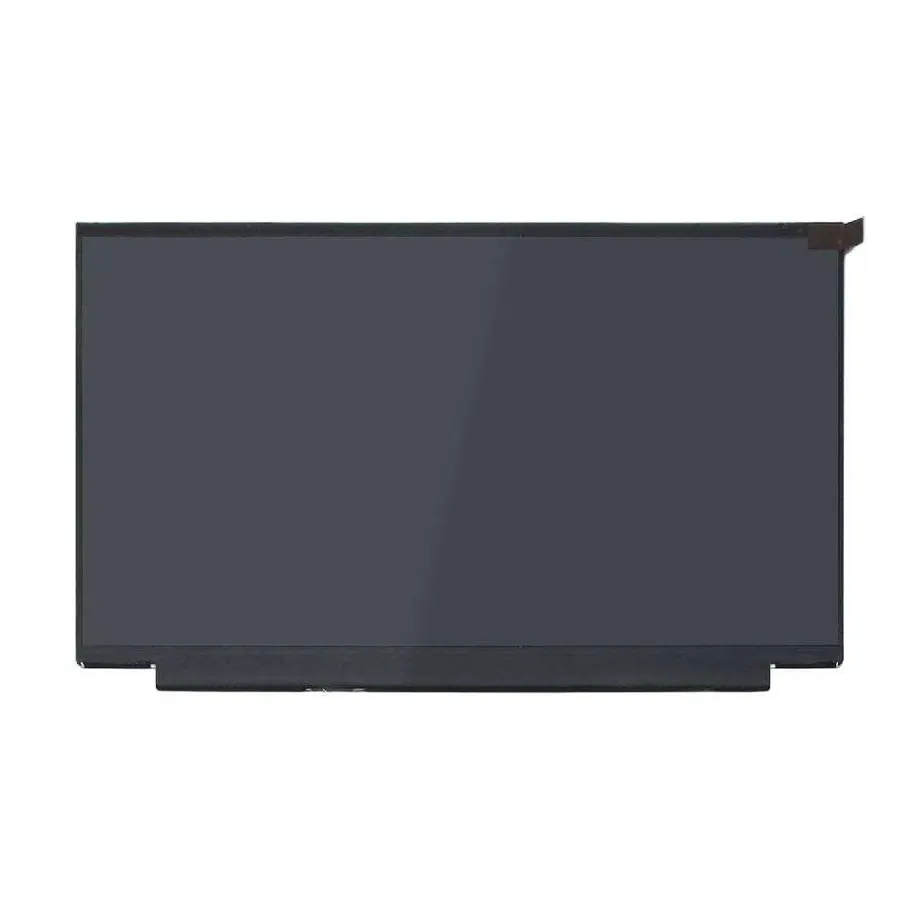
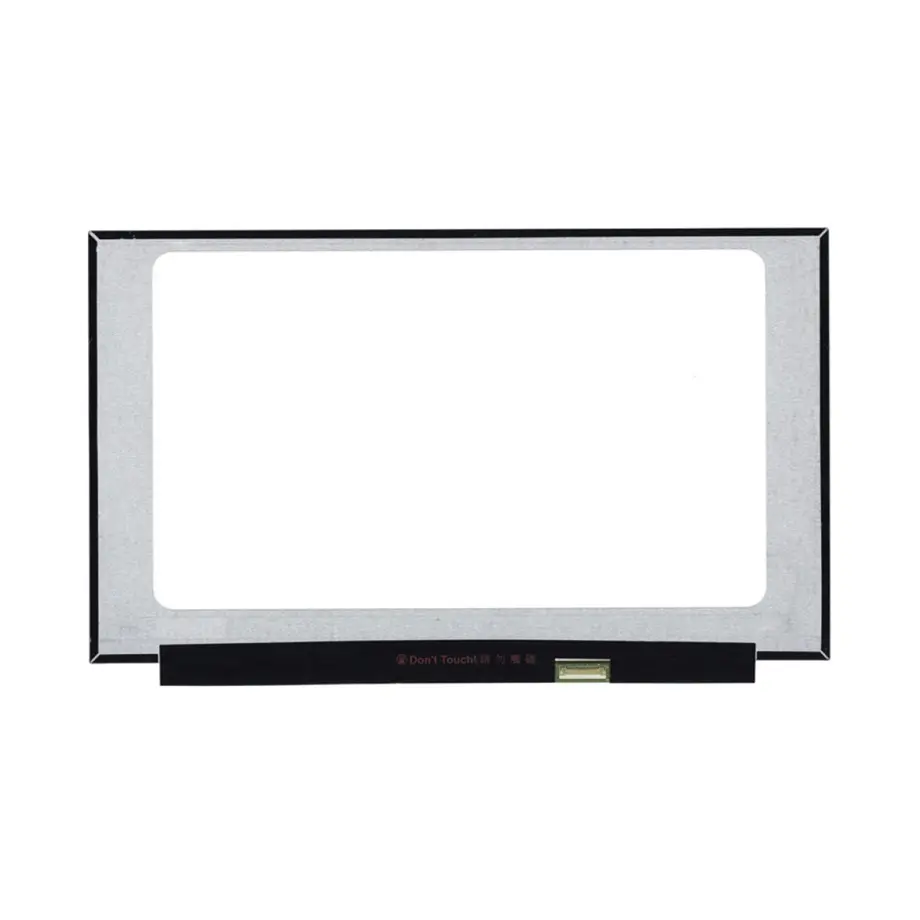
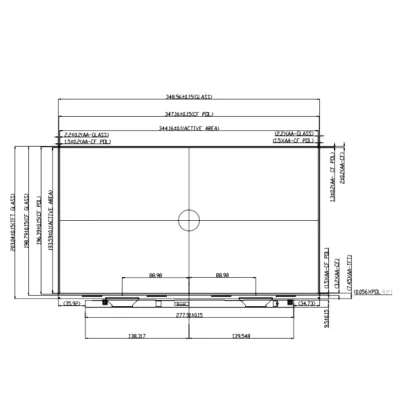
B156HAN02.1 HWKA DC Dimming 1000:1 LCM is a 15.6-inch AUO FHD notebook module with a 1920(RGB)×1080, 16:9 native format. The active image area is 344.16 × 193.59 mm and the outline measures 350.66 × 216.15 × 3.2 mm. It is an a-Si TFT-LCD LCM using AHVA normally-black transmissive operation, rated at 300 cd/m² typical luminance and a 1000:1 typical contrast ratio.
The module connects through two-lane eDP 1.2 on a 30-pin connector and uses a 3.3 V typical panel supply. It includes a WLED backlight and LED driver, has no touchscreen, and supports a 60 Hz refresh rate. Same-model source information also lists AMD FreeSync and DC dimming characteristics. Those features are useful for notebook integration, but they must remain tied to the exact hardware revision and platform implementation.
AUO's display product overview includes notebook panels as a major category. VESA's Embedded DisplayPort reference explains eDP's role in carrying video from notebook graphics hardware to the internal panel. The product-specific electrical mapping and backlight behavior still need the latest exact-model documentation.
Three Core Buyer Value Propositions
1. 15.6-inch FHD format fits a broad notebook replacement class
The 1920×1080 native resolution and 15.6-inch diagonal remain widely used in mainstream notebook platforms, making this module relevant to replacement and new-design projects that do not require WUXGA or higher pixel density. The apparent familiarity should not encourage blind substitution. Connector mapping, outline depth, cable location and panel revision still have to match the target machine.
2. 1000:1 typical contrast improves the panel-level black/white separation
The specified 1000:1 contrast ratio is higher than many basic notebook panels that sit around 700–800:1. For ordinary productivity, video and mixed UI content, that can provide a stronger native contrast target. It does not establish HDR performance or a finished-laptop viewing claim. Cover materials, calibration, backlight settings and ambient reflections remain part of the system result.
3. DC dimming can be useful for steady-state backlight control
The same-model reference identifies DC dimming. In a notebook, dimming method affects how the backlight reaches lower luminance levels and can influence electrical noise or user comfort depending on the implementation. The label does not define the complete dimming range, frequency behavior or health outcome. The mainboard, firmware and LED-driver controls should be tested across the brightness curve using the exact production module.
Key Specifications at a Glance
| Parameter | Confirmed value |
|---|---|
| Model | AUO B156HAN02.1 HWKA |
| Size | 15.6 inch |
| Resolution | 1920(RGB)×1080, FHD, 16:9 |
| Active area | 344.16 × 193.59 mm |
| Outline | 350.66 × 216.15 × 3.2 mm |
| Weight | 370 g maximum |
| Brightness | 300 cd/m² typical |
| Contrast | 1000:1 typical |
| Viewing | 85/85/85/85 typical at CR≥10 |
| Color | 16.2M, 46% NTSC |
| Refresh | 60 Hz, AMD FreeSync listed |
| Interface | eDP 1.2, 2 lanes, 30-pin connector |
| Supply | 3.3 V typical |
| Backlight | WLED, 15K hours, with LED driver; DC dimming listed |
| Touch | Without touch screen |
| Environment | 0 to 50 °C operating; -20 to 60 °C storage |
How Should DC Dimming Be Evaluated in the Final Notebook?
Backlight dimming is a system behavior even when the panel contains the LED driver. The host typically commands brightness, while the panel electronics translate that command into LED output. For B156HAN02.1 HWKA DC Dimming 1000:1 LCM, the same-model source identifies DC dimming, so the validation plan should measure the brightness curve, stability and any visible color or uniformity changes from high to low settings.
Do not assume a particular minimum luminance, flicker metric or PWM-free certification unless the manufacturer documents it. The safest engineering approach is to test with an optical meter and, where needed, an oscilloscope or photodiode across brightness levels. Repeat the test after thermal stabilization because LED output and driver behavior can change as the lid warms.
Battery and thermal tradeoffs
At 300 cd/m² typical luminance, this panel is intended for ordinary mobile computing rather than extreme-brightness use. System designers should still include backlight power in the battery model and verify that the lid remains within its thermal target during extended high-brightness operation. The integrated LED driver simplifies the electrical boundary but does not remove the need for system power measurement.
What Must Match for a 15.6-Inch FHD Replacement?
Many panels share the same diagonal and FHD resolution, so replacement selection needs a more specific checklist. The 350.66 × 216.15 × 3.2 mm outline, 30-pin eDP connector, cable orientation, rear-PCBA layout and 3.3 V supply all matter. The source identifies a slim flat-PCBA design, which may not match an older thick panel or a module with a bent electronics board.
The model belongs to a large B156HAN02.1 family with multiple hardware variants. Public family listings show that different revisions can have different brightness, contrast, color and production status. Family membership therefore cannot be used to fill or replace HWKA specifications. Procurement should insist on the exact `B156HAN02.1 HWKA` identity when those characteristics are required.
How Do 1000:1 Contrast and 46% NTSC Affect Product Positioning?
The module's 1000:1 typical contrast is useful for black-level separation in mainstream notebook use, while the 46% NTSC color figure indicates a standard rather than wide-gamut panel. That makes the configuration appropriate for general productivity, education, fleet computing and everyday media where full-sRGB creator coverage is not a hard requirement. It should not be marketed as a color-critical or professional-graphics panel.
The AHVA normally-black mode and broad 85/85/85/85 typical viewing angles support ordinary multi-angle notebook use. The antiglare surface helps reduce direct reflections compared with a glossy screen, but no numeric haze or reflection percentage is supplied for this exact model and none should be invented.
Motion and FreeSync
The panel refresh rate is 60 Hz and the typical Tr+Td response is 25 ms. AMD FreeSync is listed in the same-model features, but the base timing remains a 60 Hz notebook panel. Platform teams should validate any adaptive-sync behavior with the target GPU and firmware. The panel should not be described as a high-refresh gaming display merely because FreeSync is present.
Where Does B156HAN02.1 HWKA Fit Best?
The documented application is laptop use. B156HAN02.1 HWKA DC Dimming 1000:1 LCM is suitable for 15.6-inch FHD notebook replacement, mainstream business laptops, education systems and mobile workstations when the target machine matches the exact connector and mechanical package. Same-model public listings identify the HWKA variant as in production, but that status is time-sensitive and should be confirmed before a long-term program.
It can be useful for OEMs that want an antiglare 300 cd/m² display with a 1000:1 contrast target and integrated backlight electronics. It is non-touch, so any notebook that requires touch must use another exact configuration or a separately engineered touch architecture rather than assuming touch can be added without mechanical and electrical changes.
What Environmental and Lifecycle Questions Remain?
Operating temperature is 0 to 50 °C and storage is -20 to 60 °C. Same-model reference information reports a 1.5G vibration limit. Those values describe the panel component, not a rugged notebook certification. The complete computer must be tested for hinge cycling, drop, transport vibration, thermal exposure and other program requirements.
Current stock and “in production” labels are not lifecycle guarantees. For a fleet or industrial computing program that needs multi-year replacement availability, request current production status, hardware-revision control and change-notification information. Do not convert a present inventory quantity into an expected supply horizon.
How Should HWKA Be Distinguished From Other B156HAN02.1 Variants?
The B156HAN02.1 family contains many hardware suffixes, and public family listings show meaningful differences in brightness, contrast, color depth and production state. That makes the `HWKA` suffix part of the technical identity, not a minor ordering note. A sourcing team should reject a proposal that supplies a different suffix merely because the base family, diagonal and resolution are the same unless engineering has reviewed the alternative as a separate product.
For incoming inspection, verify the full rear label and compare a sample against the approved 300 cd/m², 1000:1, 16.2M-color and 30-pin eDP configuration. If an alternate suffix is considered for second-source planning, build a new qualification packet covering mechanical drawing, color, backlight behavior, timing and lifecycle status. This avoids accidentally importing specifications from a related variant and preserves traceability when notebook firmware or brightness tables are tuned for a particular panel revision.
Because the target is a non-touch module, replacement buyers should also confirm that the original notebook does not depend on a touch-enabled 40-pin configuration. A 30-pin non-touch panel may share the same 15.6-inch FHD marketing description with touch variants but belongs to a different cable and lid architecture.
Procurement Checklist
- Specify the complete B156HAN02.1 HWKA identity rather than a generic B156HAN02.1 family panel.
- Confirm 350.66 × 216.15 × 3.2 mm mechanical dimensions and rear-PCBA placement.
- Match the two-lane eDP 1.2 interface, 30-pin connector and 3.3 V supply.
- Validate the 300 cd/m² brightness curve and DC-dimming behavior in the final notebook.
- Confirm that 46% NTSC color performance meets the product requirement.
- Test 60 Hz operation, sleep/wake and any FreeSync-related platform behavior.
- Verify current revision and lifecycle information before volume procurement.
B156HAN02.1 HWKA DC Dimming 1000:1 LCM is a practical 15.6-inch FHD LCM for mainstream notebook replacement and integration, with its strongest differentiation coming from the exact HWKA contrast, slim package and dimming behavior. Exact-model verification should remain the basis for every electrical, optical and sourcing decision.
Recommended: Same Size
(15.6")
Applications & Value of LCD Panel

- Fast sourcing with in-stock panels & cross-reference alternatives
- Stable supply chain with long-term availability
- Engineering-level support from panel to integration
- Custom solutions: cable, touch & optical bonding
- Strict quality control with IQC / OQC / aging test
- Full traceability system for quality assurance
- Complete technical documentation & drawings
- Compliance support: RoHS & certification files
