~
~
~
~
~
~
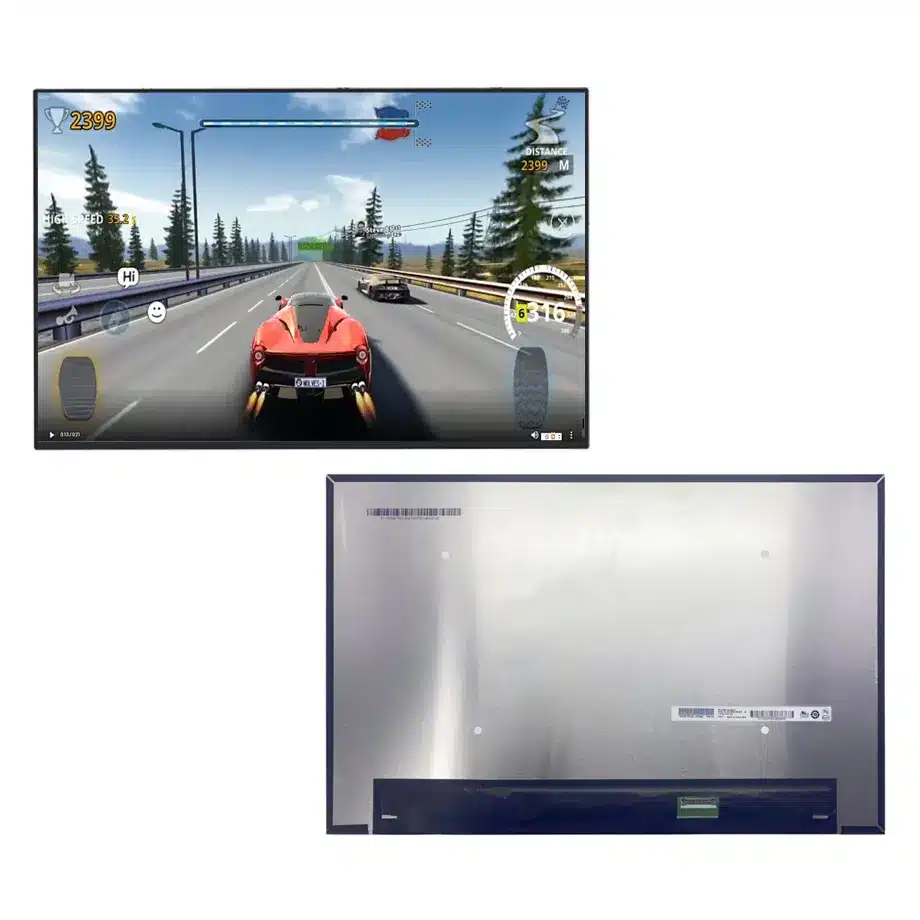
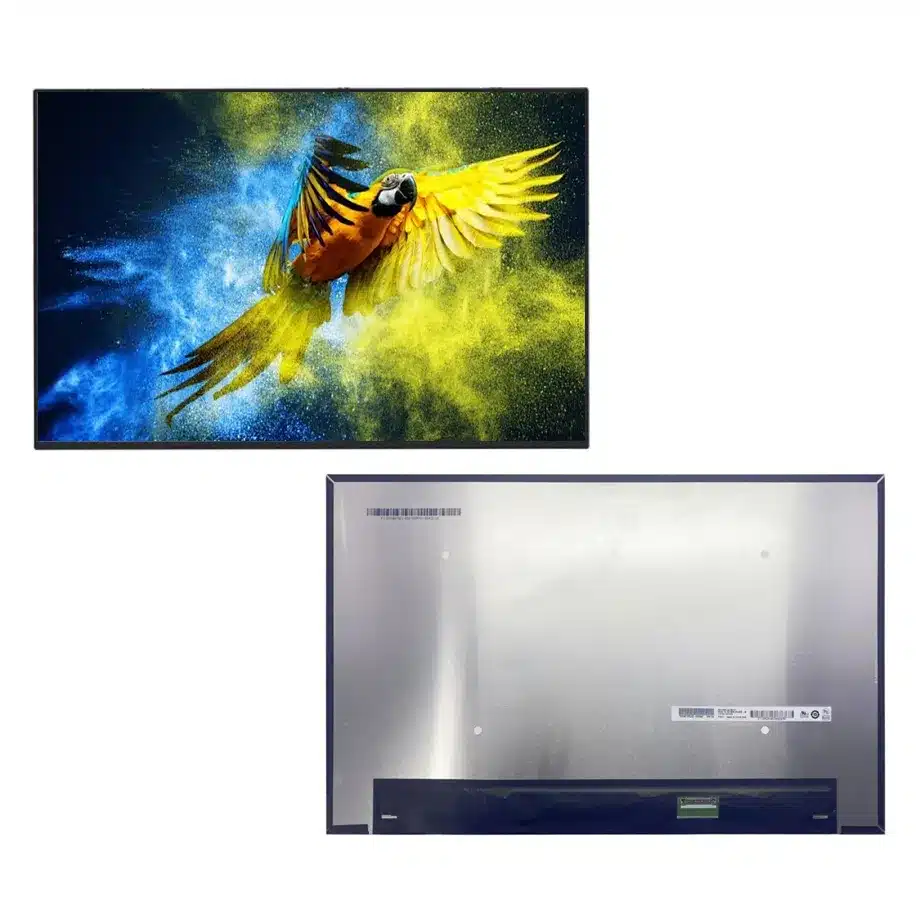
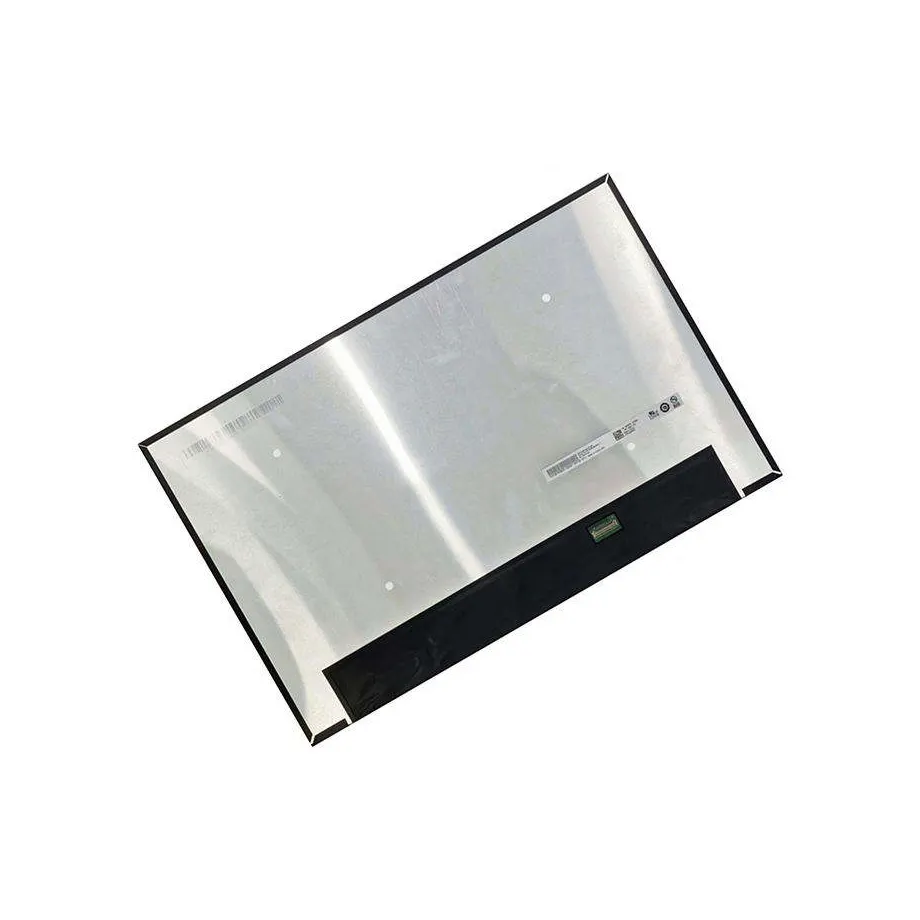
B160UAN04.0 Reverse AHVA Notebook LCD Module AUO
Model P/N
Size
Resolution
Brightness
Viewing Angle
Connector Type
Operating Temp
Overall(mm)
auo
B160UAN04.0
Brand
Panel Size (inch)
Model P/N
Resolution
Brightness (nits)
Viewing Angle
Contrast Ratio
Response Time
Overall (mm)
Active Area (mm)
Refresh Rate
Display Colors
Panel Type
Connector Type
Surface Treatment
Operating Temp
Touchscreen Type
Storage Temp
Work Mode
Pixel Format
Input Voltage (V)
Vibration Resistance
Designed For
Product Details
Product Overview
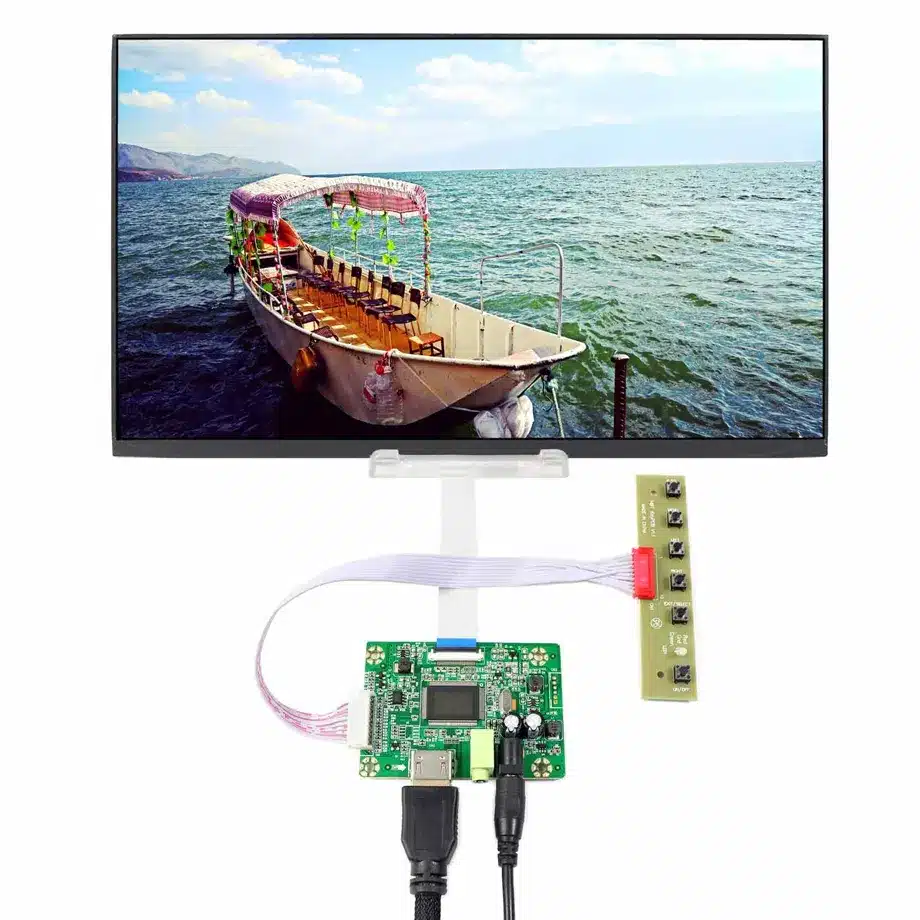
B160UAN04.0 Reverse AHVA Notebook LCD Module is a 16.0-inch AUO a-Si TFT-LCD LCM for notebook integration with a native 1920(RGB)×1200 WUXGA raster in a 16:10 format. The 344.68 × 215.42 mm active area sits within a 349.68 × 225.32 × 5 mm module outline, and module mass is 393/400 g typical/maximum. The AHVA normally-black transmissive panel is specified at 250 cd/m² typical luminance, 1000:1 typical contrast, 85/85/85/85 typical viewing-angle values at CR≥10 and 16.2M colors with 45% NTSC wording.
The display operates at 60 Hz and uses two-lane eDP 1.2 through a 30-pin 0.4 mm connector with 3.3 V typical input. The integrated WLED backlight includes its LED driver and carries a 15K-hour life reference. The surface is antiglare with 3H hard coating, the module is supplied without touch, and the mechanical description identifies a slim bent-PCBA form. Reverse-interface and DBC feature wording are associated with this exact model, but those functions still require validation in the intended notebook firmware and cable architecture.
Three Core Buyer Value Propositions
1. WUXGA 16:10 gives replacement and notebook projects a precise productivity-oriented geometry
The 1920×1200 raster provides more vertical workspace than 1920×1080 while keeping a conventional notebook-class pixel load. For procurement, that means the replacement target can be defined by exact native timing and 16:10 geometry rather than by a broad “16-inch FHD-class” label. For platform engineering, it gives a stable basis for bezel opening, operating-system scaling and application layout. Another 16-inch WUXGA module can still differ in connector position, eDP lanes, thickness or backlight behavior.
2. Two-lane eDP 1.2 and reverse-interface wording narrow the cable and motherboard qualification
The module uses a two-lane embedded DisplayPort path and a fine-pitch 30-pin connector. Those facts reduce ambiguity in cable selection, but pin mapping and connector orientation remain exact-model requirements. Reverse-interface wording makes cable exit direction especially important in a thin lid. A cable that mates mechanically can still be electrically or geometrically wrong, so the production drawing and approved cable should control release.
3. Integrated WLED driver simplifies panel-side illumination while keeping thermal validation necessary
The module already includes a WLED backlight and LED driver, so the notebook does not need a separate external backlight-driver design. That simplifies the display subsystem compared with a bare cell, but brightness control, PWM or current-dimming behavior, lid temperature and the 15K-hour life reference still need to be evaluated in the finished product. The life figure is a component backlight reference, not a notebook warranty or guaranteed service life.
Key Specifications at a Glance
| Parameter | Confirmed value |
|---|---|
| Manufacturer / model | AUO B160UAN04.0 |
| Display size | 16.0 inch |
| Panel type | a-Si TFT-LCD, LCM |
| Native resolution | 1920(RGB)×1200 WUXGA, 16:10 |
| Active area | 344.68 × 215.42 mm |
| Outline | 349.68 × 225.32 × 5 mm |
| Weight | 393 / 400 g typical / maximum |
| Brightness | 250 cd/m² typical |
| Display mode | AHVA, Normally Black, Transmissive |
| Contrast ratio | 1000:1 typical |
| Viewing-angle values | 85/85/85/85 typical at CR≥10 |
| Response time | 20 ms typical Tr+Td |
| Colors | 16.2M, 45% NTSC |
| Surface | Antiglare, hard coating 3H |
| Refresh rate | 60 Hz |
| Native interface | eDP 1.2, 2 lanes |
| Connector | 30-pin 0.4 mm connector |
| Panel input | 3.3 V typical |
| Backlight | WLED, 15K hrs, with LED driver, DC |
| Touch | Without touch screen |
| Operating / storage | 0 to 50 °C / -20 to 60 °C |
What the 16:10 WUXGA format changes in a notebook lid
B160UAN04.0 Reverse AHVA Notebook LCD Module uses a 344.68 × 215.42 mm active image area, so the bezel aperture and camera region should be designed around a taller 16:10 image than a 16:9 panel of similar diagonal size. AUO's notebook display overview identifies 16:10 as an important notebook format and discusses thin designs, touch options and premium display features across its portfolio. That context does not add unlisted specifications to this exact model, but it explains why aspect ratio and mechanical packaging should be controlled together.
The full module depth is 5 mm even though the shape description calls out a bent-PCBA zone with thickness at or below 3.5 mm. Those statements refer to different mechanical concepts and should not be collapsed into one number. Lid design should use the full controlled drawing to locate the bent board, connector, keep-out zones and support points. The 400 g maximum mass is also relevant to hinge torque and lid balance.
eDP 1.2 bring-up and link qualification
VESA's Embedded DisplayPort overview provides standards context for the internal graphics-to-panel link used in notebooks. For B160UAN04.0, the exact product facts are two eDP lanes, eDP 1.2, a 30-pin 0.4 mm connector and a 3.3 V typical panel input. The motherboard still needs the correct native timing, AUX behavior, link-training settings and power sequence.
Qualification should include cold boot, repeated power cycles, sleep/resume, brightness transitions and sustained 1920×1200 operation. If the production motherboard supports many eDP panels, make sure the firmware table selects the right timing and lane configuration for this suffix. Do not infer compatibility from a shared 30-pin connector count, and do not substitute a later B160UAN04 revision without checking its brightness, color, mechanics and interface details.
Reverse interface and cable routing in a slim notebook
Reverse-interface wording is especially important when a replacement panel is installed into an existing lid. The connector side, contact orientation and flex exit can determine whether the cable reaches the motherboard without twisting or excessive bend stress. Check the original panel label and cable part number, then compare the exact connector location and pin map. For a new design, prototype the cable fold with the real hinge motion rather than evaluating the panel flat on a bench.
A 0.4 mm connector pitch also means dimensional tolerance is less forgiving than on larger-pitch notebook connectors. The cable retention feature, insertion depth and strain relief should be inspected on production samples. Electrical qualification should include display artifacts during lid movement because a marginal connector or flex route can create intermittent high-speed link problems even when static bench testing passes.
AHVA optics, matte surface and 250-nit luminance
The AHVA normally-black mode is paired with symmetric 85-degree viewing values, 1000:1 typical contrast and an antiglare 3H surface. Those facts support broad-view notebook use in normal indoor environments. The 250 cd/m² typical luminance should remain a panel-level brightness specification rather than being expanded into outdoor or sunlight-readable language. Reflections, cover layers and user brightness settings all affect practical visibility.
The 45% NTSC wording indicates a standard-gamut class rather than a wide-gamut creator target. It does not establish sRGB coverage, calibration accuracy, white point or gamma. If a notebook program requires color-managed work, that requirement should be validated on the complete display pipeline or a different panel selected. The 16.2M color figure should likewise be preserved without converting it into an unsupported bit-depth claim.
DBC and backlight behavior are system features, not stand-alone promises
The exact-model feature list includes DBC wording. Treat that as a display-control capability that may depend on graphics, firmware and backlight-control implementation rather than as an automatic end-product behavior. Dynamic brightness or contrast functions can change luminance, power and perceived image quality, so the intended notebook should be tested in the modes the shipping firmware actually enables.
The integrated LED driver reduces external circuitry, but thermal behavior still matters because the display shares a thin enclosure with the CPU, GPU and battery. Validate maximum brightness, low brightness, rapid brightness changes and sustained warm operation. The 15K-hour backlight reference should remain tied to its specified conditions; it should not be converted into a notebook life expectancy or supply-duration statement.
Response time and 60 Hz notebook behavior
The panel is specified at 20 ms typical Tr+Td. That is a liquid-crystal transition measurement and is separate from the 16.7 ms nominal frame interval of 60 Hz operation. End-to-end responsiveness also includes rendering, buffering and scanout. Office, video and general notebook qualification should therefore evaluate real content and the target graphics stack rather than judging the complete system from one panel-transition number.
If the notebook is intended for fast-motion gaming, the confirmed 60 Hz and 20 ms characteristics should be considered explicitly rather than assuming performance from a different B160UAN04 suffix. The exact model is a conventional WUXGA notebook module, not a high-refresh gaming panel. A later family revision may have different refresh, brightness or color features and must be qualified as a separate component.
Application fit and replacement strategy
B160UAN04.0 Reverse AHVA Notebook LCD Module is documented for Laptop use. Its strongest fit is a notebook or service program designed around a 16-inch WUXGA AHVA module, 250-nit luminance, two-lane eDP 1.2 and the exact reverse-interface cable geometry. The 16:10 format can suit productivity, business and general portable-computing systems when those requirements align with the confirmed component data. No specific Dell or other notebook fit is asserted solely from a distributor cross-reference.
The panel has no integrated touch screen. A touch-enabled notebook needs a separate sensor, controller, cover stack and mechanical allowance, or a different display assembly designed for touch. For repeat procurement, record the full B160UAN04.0 suffix and revision information. A visually similar B160UAN04.x part should be treated as a new qualification rather than an automatic interchangeable replacement.
Procurement and validation checklist
- Lock AUO B160UAN04.0 and the complete suffix in the approved BOM.
- Validate native 1920×1200 timing at 60 Hz over the two-lane eDP 1.2 link.
- Confirm the 30-pin 0.4 mm connector, reverse-interface orientation and exact cable pin map.
- Check the 349.68 × 225.32 × 5 mm outline, bent-PCBA zone and 400 g maximum mass against the lid.
- Verify 250 cd/m² luminance, AHVA viewing behavior and the antiglare 3H surface on production samples.
- Test brightness control and any DBC behavior in the intended notebook firmware.
- Preserve the 20 ms typical Tr+Td qualifier when comparing substitutes.
- Keep the no-touch configuration explicit in replacement specifications.
- Confirm revision and sourcing status before repeat purchasing; do not infer long-term availability from a current listing.
For B160UAN04.0 Reverse AHVA Notebook LCD Module qualification, provide the production motherboard, approved eDP cable, lid drawing, WUXGA timing requirement, brightness and optical acceptance limits, thermal conditions and required quantity. Exact-model electrical and mechanical control is the safest way to prevent a superficially similar notebook panel from entering production without a full review.
Recommended: Same Size
(16")
Applications & Value of LCD Panel

- Fast sourcing with in-stock panels & cross-reference alternatives
- Stable supply chain with long-term availability
- Engineering-level support from panel to integration
- Custom solutions: cable, touch & optical bonding
- Strict quality control with IQC / OQC / aging test
- Full traceability system for quality assurance
- Complete technical documentation & drawings
- Compliance support: RoHS & certification files