Freya Yang
+86 18318948097
+852 62667476
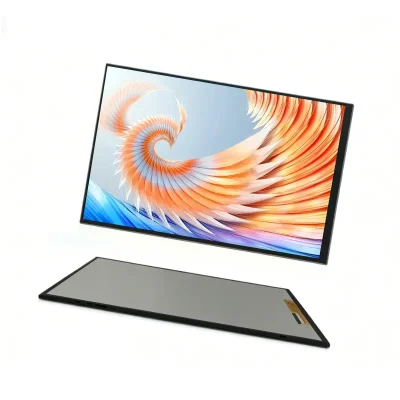
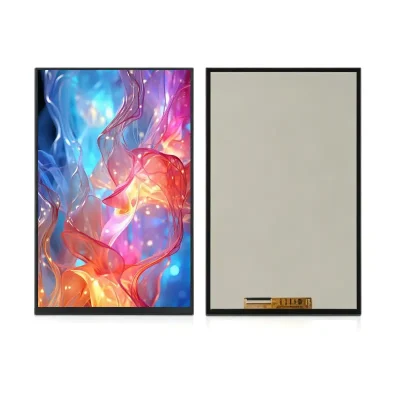
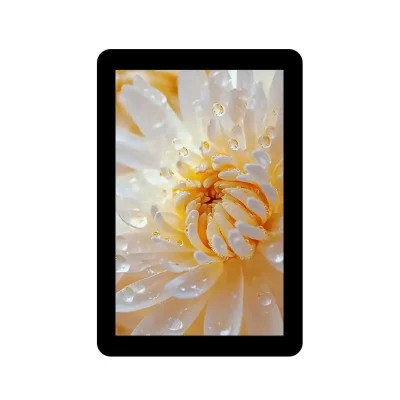
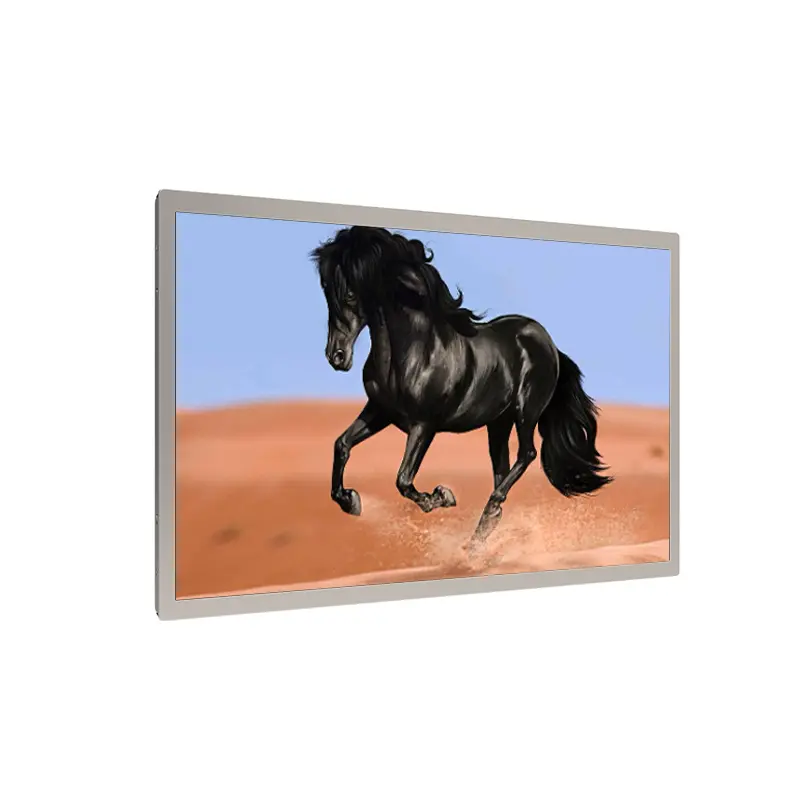
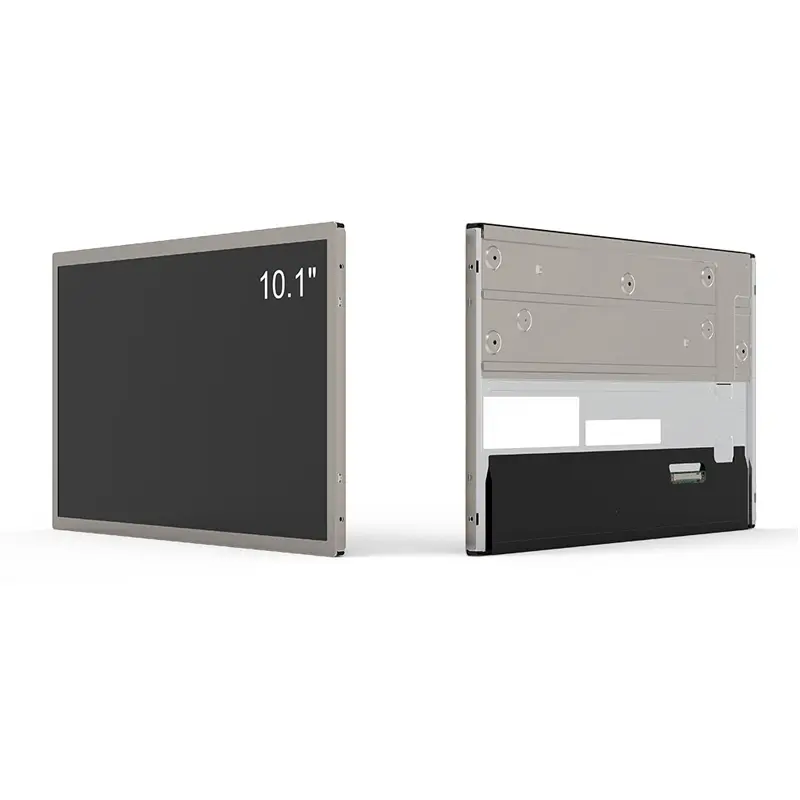
10.1 Inch LVDS Signage LCD Display Sunlight Readable
Model P/N
Size
Resolution
Brightness
Viewing Angle
Connector Type
Operating Temp
Overall(mm)
huisoar
HS101ENT-N10
Brand
Panel Size (inch)
Model P/N
Resolution
Brightness (nits)
Viewing Angle
Contrast Ratio
Response Time
Overall (mm)
Active Area (mm)
Refresh Rate
Bezel Opening
Display Colors
Panel Type
Connector Type
Surface Treatment
Operating Temp
Touchscreen Type
Storage Temp
Work Mode
Pixel Format
Input Voltage (V)
Control Type
Weight (g)
Designed For
Compact WXGA High-Brightness LCD Module with 40-Pin LVDS, 3.3V Input, and Low-Reflectivity Surface
A 10.1 Inch LVDS Signage LCD Display is a compact WXGA TFT-LCD module for embedded HMI terminals, small digital signage devices, portable industrial equipment, and compact public information products that need stronger readability than standard indoor panels. It combines 1280 × 800 resolution, 2500–5000 nits brightness options, MVA normally black transmissive operation, 85-degree viewing angles, 40-pin LVDS connectivity, 3.3V input, and a low-reflectivity 3H surface for space-constrained OEM display projects.
At a Glance: 10.1 Inch WXGA LVDS Display Highlights
- 10.1-inch compact TFT-LCD module for embedded HMI, compact signage, portable terminals, and industrial control equipment.
- 1280 × 800 WXGA resolution with 149 PPI supports readable menus, status screens, small-format signage, and information layouts.
- 2500 / 3000 / 4000 / 5000 nits brightness options support high-ambient-light product evaluation.
- MVA normally black transmissive mode with 1300:1 typical contrast supports practical readability in compact equipment.
- 40-pin LVDS, 1-channel, 6-bit terminal interface provides a familiar embedded display integration path.
- Hard coating 3H with reflectivity ≤ 1.5% helps reduce visible reflection in bright-use conditions.
- No-touch LCD configuration gives OEM teams flexibility to add separate cover glass, touch, or front-panel structures when required.
Product Overview of the 10.1 Inch LVDS Signage LCD Display
The 10.1 Inch LVDS Signage LCD Display is designed for compact equipment where visibility, mechanical fit, and controller compatibility must be solved together. A small display used in bright environments cannot rely only on diagonal size; it needs suitable luminance, contrast, surface treatment, and interface design. This panel gives engineers a compact high-brightness platform for embedded terminals, industrial interfaces, small kiosks, portable devices, and compact signage systems.
The 1280 × 800 WXGA resolution gives the 10.1-inch screen enough pixel structure for menus, status graphics, product information, control screens, and small public-display layouts. At 149 PPI, it can show compact UI elements more clearly than lower-resolution small panels. The MVA normally black transmissive mode, 1300:1 typical contrast ratio, and 85/85/85/85 viewing-angle specification support practical visibility when operators or users view the screen from different positions.
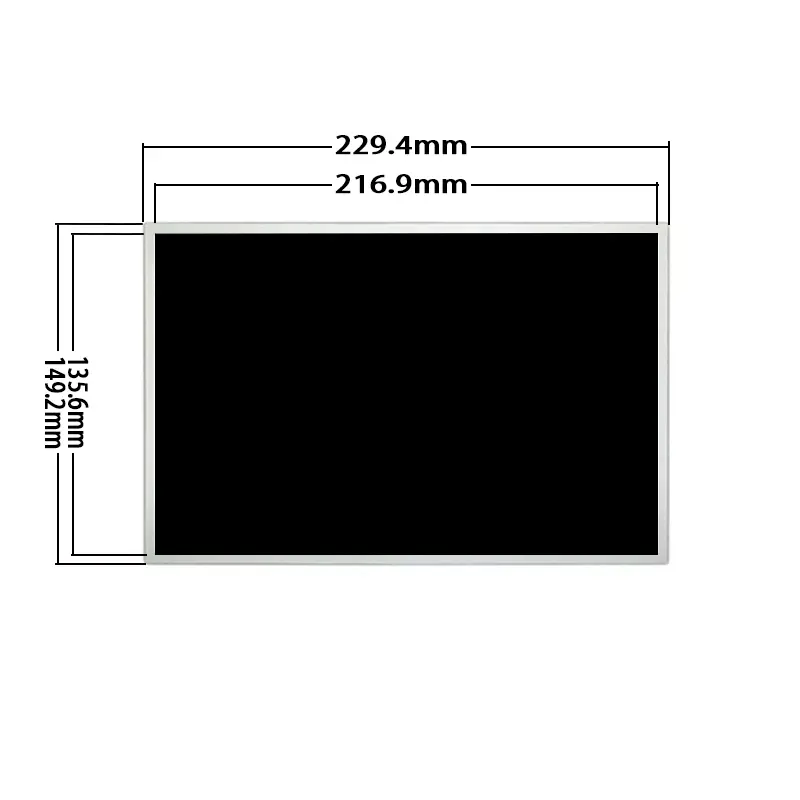
For integration, the panel uses a 40-pin LVDS, 1-channel, 6-bit terminal interface and a 3.3V typical power supply. These values make it suitable for embedded controller matching, custom cable design, and compact device integration. The slim 229.46 × 149.2 × 4.96 mm outline helps product teams fit the panel into limited enclosures without moving to a larger display format.
Key Features of the 10.1 Inch LVDS Signage LCD Display
The 10.1 Inch LVDS Signage LCD Display gives OEM engineers a compact, high-brightness, no-touch LCD foundation for embedded signage and industrial HMI systems.
| Key Feature | B2B Value |
|---|---|
| 10.1-inch compact format | Fits small equipment, embedded terminals, compact kiosks, and portable industrial products. |
| 1280 × 800 WXGA resolution | Supports readable menus, operating data, status graphics, and compact signage layouts. |
| 2500–5000 nits brightness options | Gives engineers flexibility to match luminance to bright indoor, semi-outdoor, or high-ambient-light conditions. |
| MVA normally black transmissive mode | Supports contrast and viewing performance for practical embedded display use. |
| 85/85/85/85 viewing angle | Helps maintain screen readability when users view from the side, above, or below. |
| 40-pin LVDS interface | Provides a familiar embedded display interface for controller-board matching. |
| 3.3V typical input | Supports low-voltage embedded electronics design paths. |
| Reflectivity ≤ 1.5% | Helps reduce reflection compared with highly reflective compact panels. |
| No-touch configuration | Allows project-specific cover glass, touch sensor, or front-panel design. |
| 187 g maximum weight | Helps keep compact equipment lightweight and easier to mount. |
Technical Specifications of the 10.1 Inch WXGA LVDS Display Module
The 10.1-inch WXGA LVDS display module provides the core values needed for brightness selection, controller matching, enclosure design, and sample validation.
| Specification | Value |
|---|---|
| Product Type | 10.1 Inch LVDS Signage LCD Display |
| Display Size | 10.1 inch |
| Resolution | 1280 × 800 WXGA |
| Brightness | 2500 / 3000 / 4000 / 5000 nits |
| Interface | 40-pin LVDS, 1-channel, 6-bit |
| Active Area | 216.96 × 135.6 mm |
| Outline Dimensions | 229.46 × 149.2 × 4.96 mm |
| Surface Treatment | 3H hard coating, reflectivity ≤ 1.5% |
| Input Voltage | 3.3V typical |
| Operating Temperature | -20°C to 70°C |
These specifications should be reviewed as a complete engineering package. The brightness range affects readability and thermal planning, the LVDS interface affects controller selection, and the slim outline affects enclosure fit. For compact devices, even small differences in cable exit, mounting clearance, front cover structure, and power routing can determine whether the panel is practical for production.
Why Choose This 10.1 Inch Sunlight Readable LCD Module?
This 10.1 inch sunlight readable LCD module is a strong fit when a compact product needs high brightness, WXGA clarity, and embedded LVDS integration.
Compact 10.1 Inch WXGA Format for Embedded Signage and HMI
A 10.1-inch panel is useful when the display must fit into small equipment without sacrificing readability. Industrial controllers, small kiosks, portable terminals, compact signage players, and embedded devices often cannot accommodate a large display, yet they still need clear text, icons, and status information. The WXGA 1280 × 800 format provides enough working area for control menus, warning messages, data screens, and small promotional layouts.
This format is also easier to package than larger display modules. With a slim 4.96 mm depth and a maximum weight of 187 g, the panel can be evaluated for tight housings, lightweight terminals, and compact front-panel structures. Engineers should still confirm mounting points, cable routing, tolerance, and front opening before production.
High-Brightness LVDS Panel for Bright Embedded Environments
The listed 2500 / 3000 / 4000 / 5000 nits brightness options make this panel suitable for projects where ordinary indoor brightness would not be enough. Bright workshops, service terminals, window-facing equipment, and semi-outdoor compact devices may need higher luminance to keep information readable. The exact brightness version should be selected based on viewing distance, ambient light, cover glass, thermal design, and operating duty cycle.
The LVDS interface helps embedded developers evaluate the panel with compatible controller boards. Before sample approval, engineers should confirm LVDS pin assignment, 1-channel 6-bit signal compatibility, power sequencing, backlight control, cable length, connector direction, and grounding. These checks reduce integration risk before bulk purchasing.
Display Performance of the Compact High-Brightness LCD for Embedded Signage
The display performance of this compact high-brightness LCD is centered on brightness, contrast, viewing angle, and low-reflectivity surface treatment.
2500–5000 Nits Brightness for Compact Sunlight Readable Devices
The brightness range is the primary optical advantage of this compact panel. For products used in shaded indoor environments, a lower brightness option may be sufficient. For high-ambient-light areas, window-facing terminals, or semi-outdoor installations, higher brightness should be tested with the final cover glass and enclosure. Brightness should never be selected as a standalone number; it must be reviewed with power, heat, front glass, and duty cycle.
This cautious approach is especially important in compact equipment because small housings can make heat dissipation more difficult. A high-brightness compact display should be validated under real operating conditions before bulk production.
WXGA Resolution, MVA Viewing, and 1300:1 Contrast
The WXGA 1280 × 800 resolution gives the panel practical detail for status screens, equipment menus, small information boards, and compact user interfaces. MVA normally black transmissive operation and 1300:1 typical contrast support clearer visual separation between text, icons, and background elements. The 85-degree viewing specification in all directions helps users read the screen from different positions around a terminal or device.
Color support is confirmed as 262K colors with 45% NTSC. This is suitable for industrial and signage information display, but it should not be positioned as a premium color-critical entertainment panel. For B2B equipment, the priority is readable information, consistent interface display, and integration reliability.
Reflectivity ≤ 1.5% and 3H Surface for Bright-Use Conditions
The low reflectivity value and 3H hard coating are important for compact signage and HMI systems used under strong lighting. Reduced surface reflection can help users read the display more comfortably in bright indoor or semi-outdoor conditions. The hard coating also gives a source-confirmed surface treatment for equipment-facing use.
For harsher environments, additional cover glass, bonding, sealing, or enclosure protection may still be required. The LCD panel itself is not a complete waterproof display module, so front protection and environmental resilience should be evaluated at system level.
Integration and Mounting Options for 40-Pin LVDS Embedded Display Projects
40-pin LVDS embedded display projects should begin with controller compatibility, cable planning, mechanical drawing review, and thermal evaluation.
40-Pin LVDS Controller Board and Cable Matching
The panel uses a 40-pin LVDS, 1-channel, 6-bit terminal interface. Engineers should confirm the controller board’s LVDS output, signal mapping, voltage compatibility, pixel timing, connector orientation, and cable length. Backlight control and power sequencing should also be reviewed because compact high-brightness systems may have tighter electrical and thermal margins than standard indoor modules.
If the existing host system does not provide compatible LVDS output, a driver board or interface conversion board may be needed. In that case, the buyer should provide the host interface, operating system, target content, enclosure dimensions, and expected brightness level.
Mechanical Fit, Bezel Opening, and Compact Housing Review
Mechanical fit is a major selection factor for a 10.1-inch LCD module. The active area is 216.96 × 135.6 mm, the outline size is 229.46 × 149.2 × 4.96 mm, and the bezel opening is 220.36 × 139.1 mm. These dimensions help engineers evaluate front opening, internal clearance, cover glass overlap, gasket position, and cable exit requirements.
Compact products can be sensitive to small mechanical changes. Buyers should review drawings, mounting structure, front-panel thickness, and service access before approving the display for production.
Power, Heat, and High-Brightness Operation Review
The 3.3V typical supply supports embedded system design, but high-brightness operation still requires careful power and thermal review. A compact housing may restrict airflow or heat spreading, especially when the display runs at high brightness for long periods. Engineers should validate heat behavior under the intended brightness setting, ambient temperature, content type, and duty cycle.
For outdoor-adjacent or portable equipment, the system should also be tested with the planned cover glass, bonding method, and enclosure material. Sample validation should represent real operating conditions, not only bench testing.
Recommended Applications for Compact Digital Signage and Embedded HMI
Compact digital signage and embedded HMI systems benefit from this 10.1-inch high-brightness LCD when the equipment needs readable information display in limited space.
Embedded Industrial HMI Terminals with Bright Work Areas
Industrial HMI terminals often need to show operating status, alarms, menu controls, and machine data in bright factory areas. A compact WXGA LCD with high brightness and LVDS integration can fit small control panels while still supporting readable interface content. The no-touch configuration is useful when the equipment uses external buttons or project-specific front controls.
Compact Digital Signage Devices with Limited Enclosure Space
Small signage devices may need to show product information, service menus, queue numbers, prices, instructions, or advertising loops. The 10.1-inch size keeps the device compact, while the brightness options help the screen stay visible in stronger lighting. For public-facing use, front glass, bonding, and enclosure durability should be evaluated as part of the finished product.
Portable Terminals and Service Equipment Requiring Low Weight
Portable industrial equipment benefits from the panel’s maximum 187 g weight and slim 4.96 mm outline. The display can be evaluated for service terminals, inspection devices, portable control products, and field equipment where weight and thickness affect usability. Brightness selection should be balanced with battery or power budget when the product is portable.
Kiosks and Small Public Information Screens
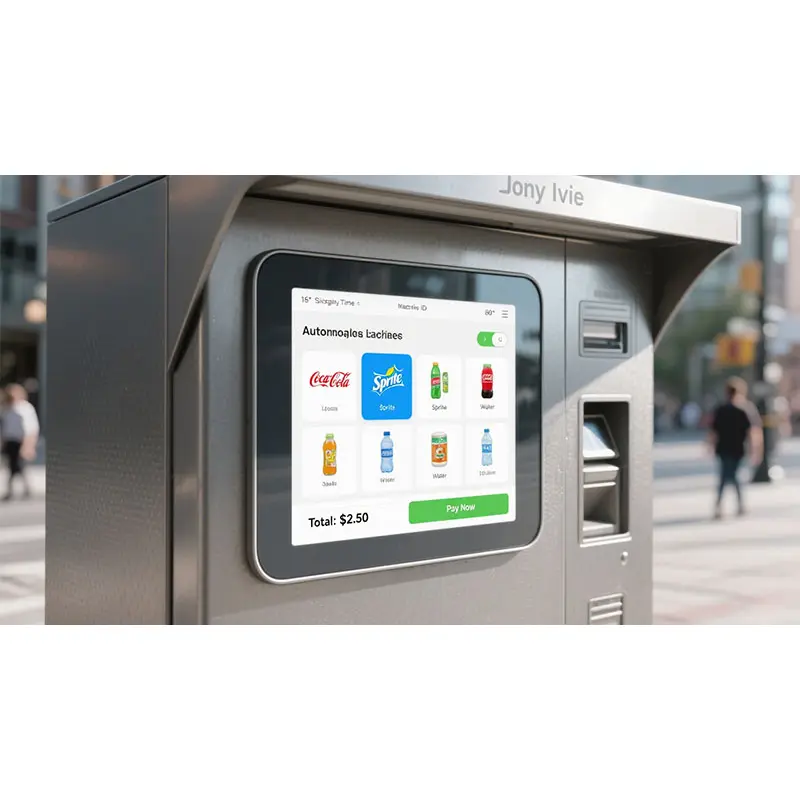
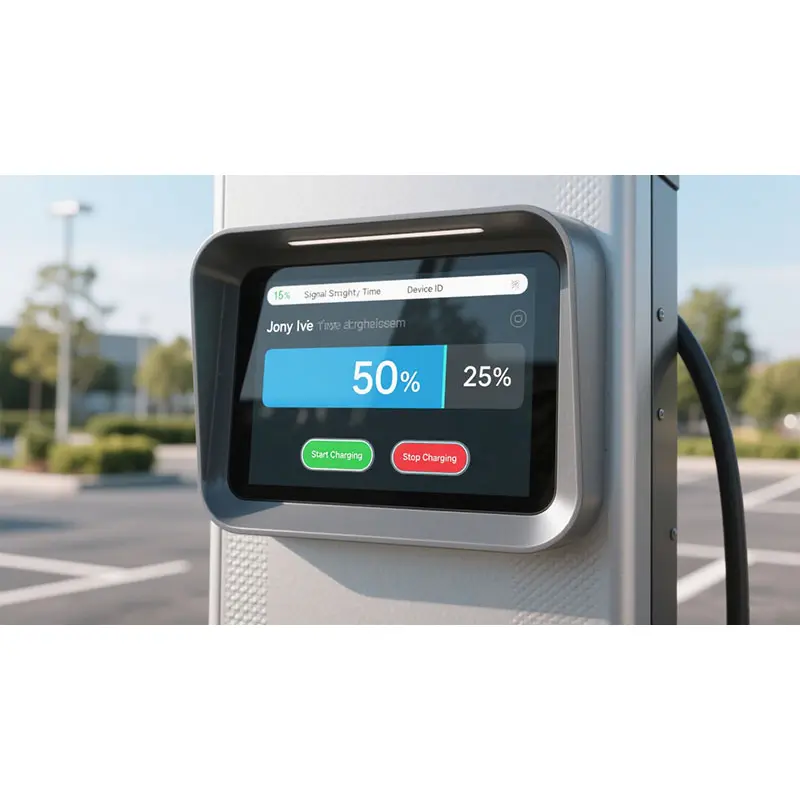
Compact kiosks and public information terminals often require readable displays in mixed lighting. This panel can be used as the visual interface for small self-service devices, ticketing terminals, EV-related equipment, or embedded information displays. If touch is required, the project should evaluate a separate touch panel and cover structure.
Customization Options for 10.1 Inch LCD Display Projects
Customization for 10.1 inch LCD display projects can include brightness version selection, cover glass, anti-glare or anti-reflective front treatment, optical bonding, touch-panel addition, housing design, LVDS cable customization, controller-board matching, and mounting review. These options should be treated as project-level evaluations rather than default panel specifications.
For compact equipment, customization should start with enclosure size, viewing environment, required interface, operating temperature, brightness target, and user interaction method. If the product will be used outdoors or semi-outdoors, the design may also require sealing, cover glass, bonding, thermal management, and enclosure protection.
Procurement and Engineering Checklist for 10.1 Inch LCD Panel Selection
A reliable procurement decision should verify optical, electrical, mechanical, and application requirements before approving the panel for sample or bulk order.
- Confirm whether the project requires no touch, capacitive touch, resistive touch, or external controls.
- Match WXGA 1280 × 800 resolution with the planned interface layout and UI scaling.
- Select brightness based on ambient light, viewing distance, cover glass, duty cycle, and heat dissipation.
- Confirm 40-pin LVDS compatibility, 1-channel 6-bit signal requirements, connector orientation, and cable length.
- Review active area, outline dimensions, bezel opening, mounting space, and front cover structure.
- Check 3.3V power design, backlight control, thermal limits, and operating temperature.
- Validate reflectivity and readability with the final front stack, not only the bare LCD panel.
- Test samples under the real application environment before committing to bulk production.
Brightness / LVDS / Mounting Selection Guide for 10.1 Inch Display Panels
For indoor equipment with controlled lighting, the lower brightness option may be sufficient. For high-ambient-light or semi-outdoor terminals, higher brightness should be evaluated with the final enclosure and front cover. LVDS selection should start with the controller board and cable plan. Mounting review should include bezel opening, panel thickness, connector access, gasket compression, and serviceability.
FAQ
About 10.1 Inch LVDS Signage Display Modules
What is a 10.1 Inch LVDS Signage LCD Display used for?
How bright is this 10.1-inch LCD panel?
Does this module include touch?
What interface does the panel use?
Is WXGA resolution enough for compact signage?
Can this display be used outdoors?
What mechanical dimensions should engineers check?
What is the operating temperature range?
What should be tested before bulk procurement?
What information should buyers provide for quotation?
Freya Yang
+86 18318948097