Freya Yang
+86 18318948097
+852 62667476
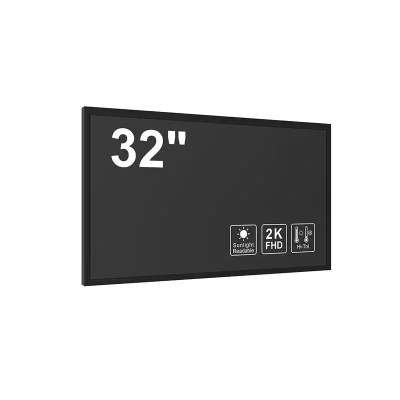
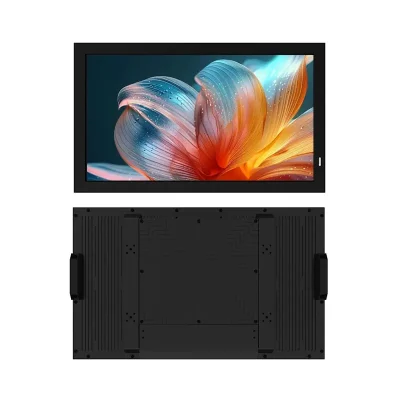
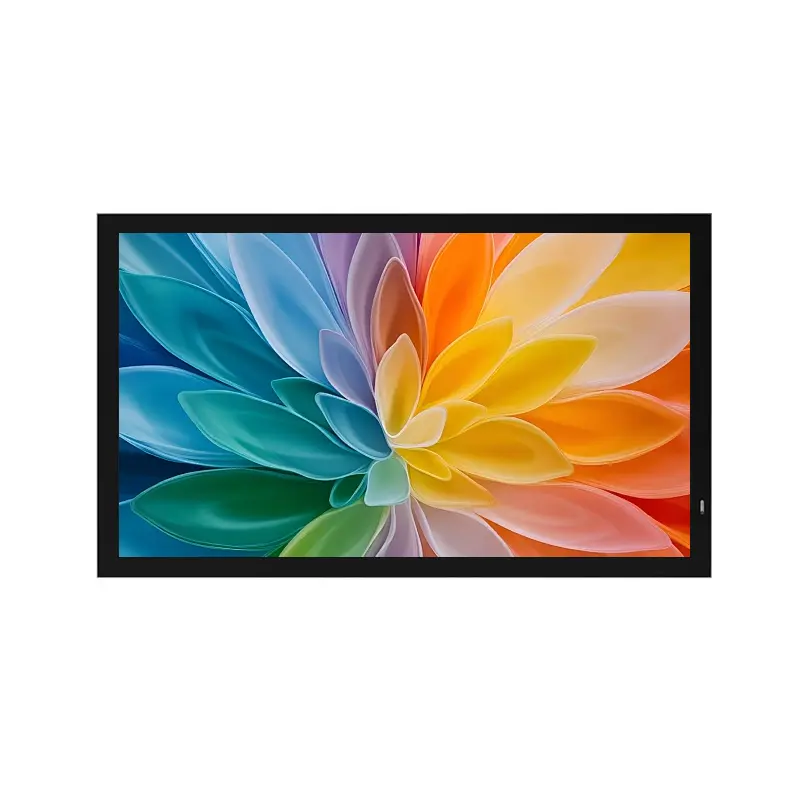
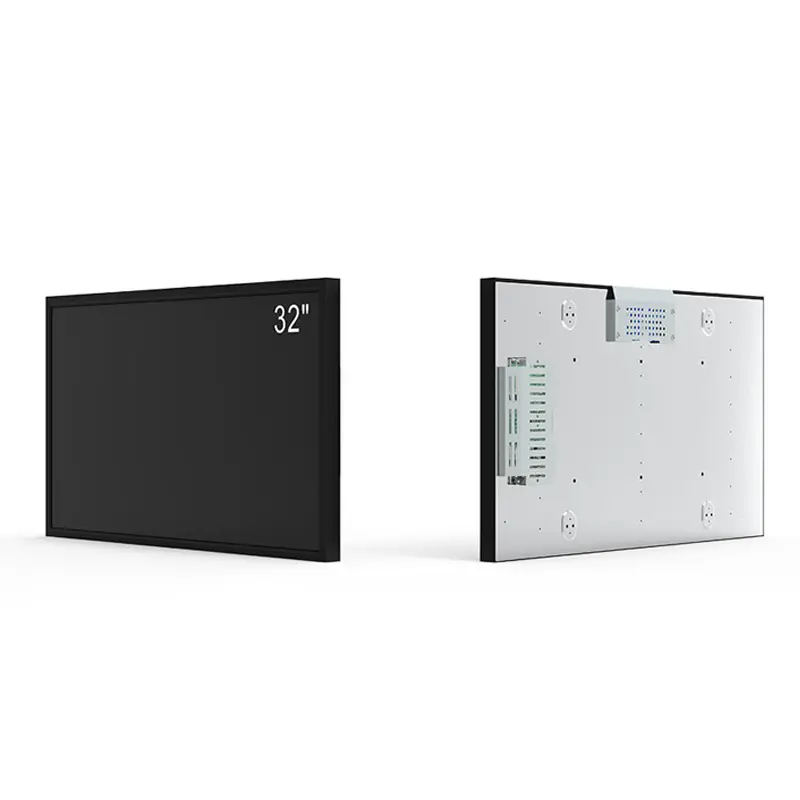
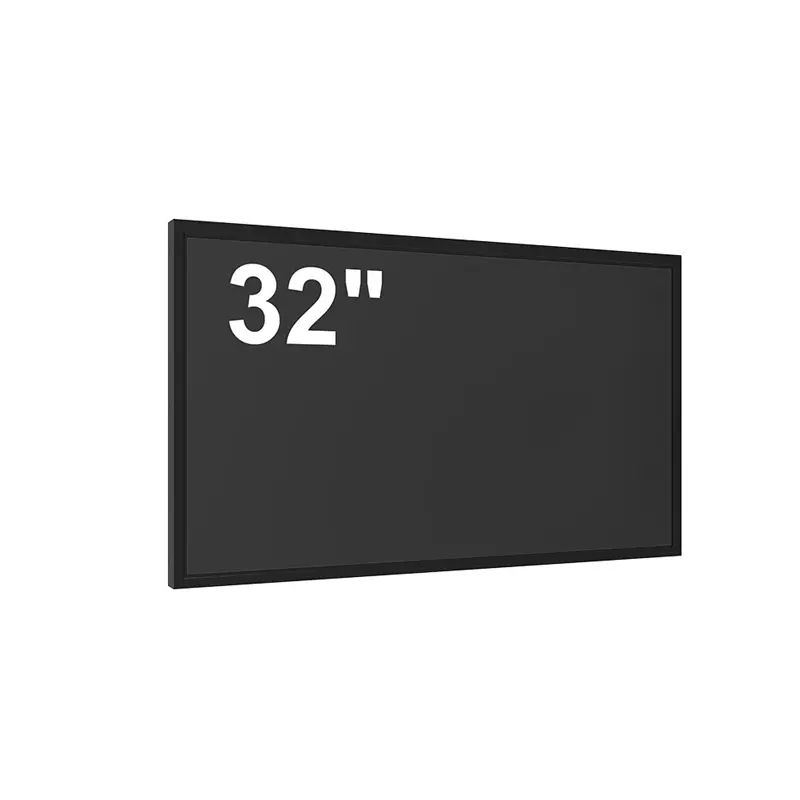
32 Inch Storefront Window LCD Module for Retail Kiosks
Model P/N
Size
Resolution
Brightness
Viewing Angle
Connector Type
Operating Temp
Overall(mm)
huisoar
HS320ENT-N10S
Brand
Panel Size (inch)
Model P/N
Resolution
Brightness (nits)
Viewing Angle
Contrast Ratio
Response Time
Overall (mm)
Active Area (mm)
Refresh Rate
Display Colors
Panel Type
Connector Type
Surface Treatment
Operating Temp
Touchscreen Type
Storage Temp
Work Mode
Pixel Format
Input Voltage (V)
Weight (g)
Included Accessories
Operating Environment
Designed For
32 Inch Storefront Window LCD Module High Brightness Display for Retail Kiosks
This 32-inch Full HD panel delivers 1500 cd/m² brightness and 51-pin LVDS integration for bright retail and kiosk installations.
Product Summary
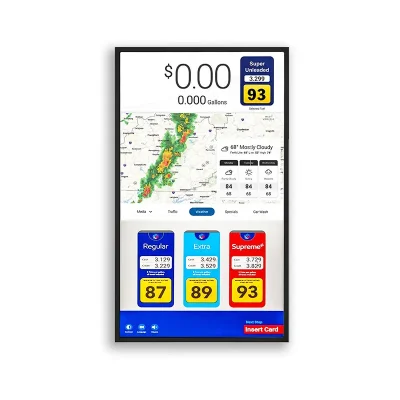
The Storefront Window LCD Module is designed for commercial systems that need stronger visibility near glass, entrances and other high-ambient-light areas. Its 32-inch Full HD canvas provides sufficient space for product promotions, service instructions, menus, wayfinding and branded media without requiring the cabinet size of a larger signage panel.
The standard configuration combines 1500 cd/m² luminance, full-angle viewing, anti-glare treatment and native LVDS connectivity. It is a non-touch component intended for integration with an external controller, enclosure, front optical stack and project-specific mounting structure.
Key Specifications
| Parameter | Confirmed value |
|---|---|
| Display size | 32.0 inches |
| Native resolution | 1920 × 1080 pixels |
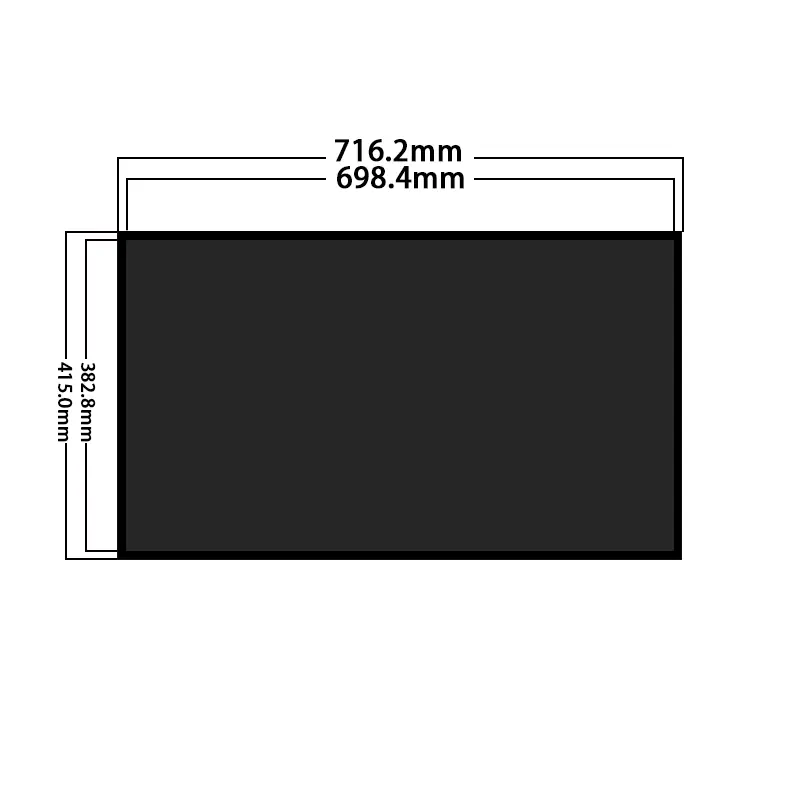
| Active area | 698.4 × 392.85 mm |
| Panel outline | 716.2 × 415.05 mm |
| Luminance | 1500 cd/m² typical |
| Contrast ratio | 1200:1 typical |
| Viewing angle | 89°/89°/89°/89° L/R/U/D |
| Surface | Anti-glare, 1% haze |
| Color | 16.7 million colors, 72% NTSC |
| Response time | 8 ms typical G-to-G |
| Refresh | 60 Hz standard |
| Interface | 51-pin LVDS, two-channel, 8-bit |
| Input | 12.0 V typical |
| Backlight | WLED with driver board |
| Listed backlight life | 30,000 hours typical |
| Touch | Non-touch |
| Weight | 4,000 g typical |
Optical Performance Behind Storefront Glass
Fixed 1500 cd/m² Luminance
The standard panel uses a single 1500 cd/m² luminance specification. This level is aligned with retail-window and kiosk installations exposed to stronger ambient light, but the final result depends on more than the panel rating. Storefront orientation, glass transmission, external reflections, screen setback and solar heat all affect visible contrast. Professional selection guidance commonly places retail-window projects in the 1500–2500-nit range while still requiring site-specific optical review.
The 1500 cd/m² panel rating does not guarantee readability through every storefront-glass stack.
Sample evaluation should use the intended glass, masking, air gap and installation angle. A higher-brightness version must be treated as a separate optical, electrical and thermal configuration rather than an automatic extension of the standard specification.
Full-Angle Viewing and Anti-Glare Surface
The confirmed 89°/89°/89°/89° viewing specification supports content visibility when customers approach from different positions. The anti-glare surface with 1% haze can reduce direct surface reflection at the panel, although it does not replace reflection control in the external cover glass.
The ADSDS, normally black operating mode, 1200:1 typical contrast and 16.7-million-color output provide a practical optical foundation for retail promotions, information screens and kiosk interfaces. Cover-glass reflection and ambient-light testing remain necessary before final approval.
51-Pin LVDS and Controller Qualification
Two-Channel 8-Bit Signal Matching
The panel uses a 51-pin, two-channel, 8-bit LVDS terminal with a 12.0 V typical input. These details narrow the controller selection, but they do not establish direct compatibility with another 51-pin display.
A matching 51-pin connector does not prove LVDS timing, voltage, bit mapping or pin compatibility.
Engineering review must confirm native 1920 × 1080 timing, pixel clock, synchronization, JEIDA or VESA mapping, complete pin assignment, connector orientation, panel power and backlight controls. The controller should output the native raster without scaling or aspect-ratio conversion.
60 Hz Operation and MEMC Input Support
The standard refresh specification is 60 Hz. The separate statement about MEMC support up to 120 Hz input should not be interpreted as proof of a native 120 Hz panel.
MEMC input support does not establish native 120 Hz panel refresh.
Projects using higher-frequency media input should obtain the controller architecture, conversion method and validated output behavior before selecting a media board.
Integrating the Storefront Window LCD Module
Cabinet Opening and Structural Support
The active area is 698.4 × 392.85 mm, while the panel outline is 716.2 × 415.05 mm. These values establish the visible-image region and initial cabinet opening, but the missing depth, mounting points, tolerances, connector location and cable keep-outs must be obtained before tooling.
The 4,000 g typical panel weight should be distributed across a suitable support structure. Avoid point loading or cabinet distortion that could transfer mechanical stress to the LCD glass.
Non-Touch Kiosk Planning
The standard module is non-touch.
This configuration suits passive promotional kiosks, information displays and window-facing advertising. Interactive projects require a separately qualified touch sensor, controller, cover lens and mechanical stack. Adding touch can affect reflection, brightness transmission, total thickness, bezel design and controller I/O.
A touch overlay should therefore be evaluated as a new assembly rather than assumed to be included with the base LCD.
Recommended Commercial Applications
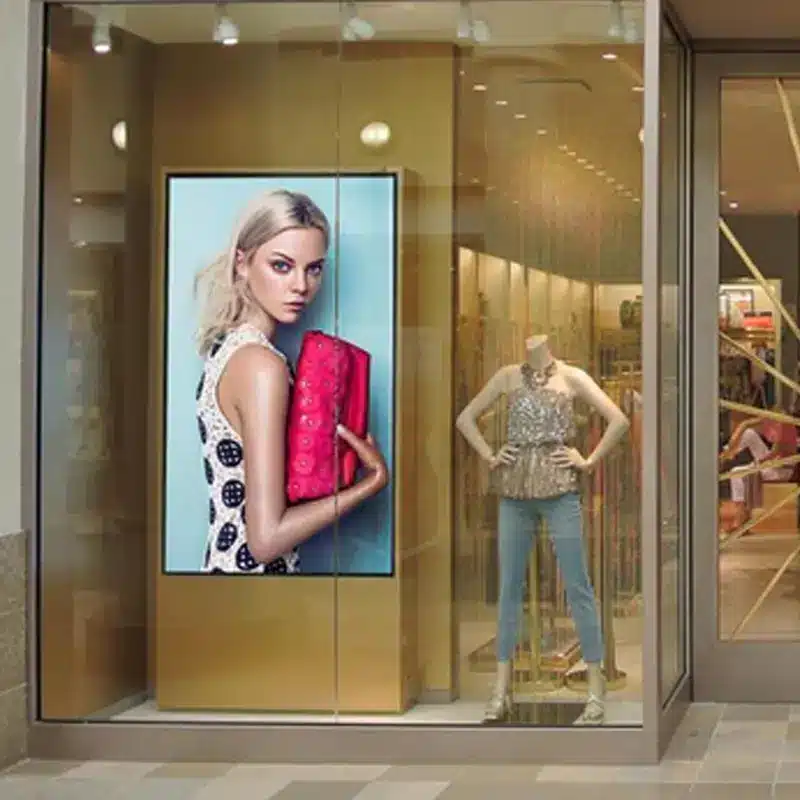
The Storefront Window LCD Module can be evaluated for retail storefront promotions, non-touch information kiosks, shopping-center directories, bright-lobby information screens, service-counter displays and public-facing commercial terminals.
Outdoor-signage use requires a separate enclosure with suitable environmental protection, front glass and thermal management. The panel’s application direction does not establish an IP rating or exposed-weather capability. Industrial kiosk guidance likewise treats high brightness, optical bonding, mounting and environmental sealing as separate system decisions.
Customization and Qualification
Project review can cover the brightness version, LVDS cable, controller matching, cover glass, anti-glare or anti-reflective treatment, optical bonding, touch overlay, enclosure adaptation, mounting and thermal design.
Custom configurations are generally reviewed from 500 pieces, subject to tooling requirements, material availability and the requested specification. Samples and standard-module quantities are confirmed separately.
The page materials present conflicting operating and storage temperature ranges. An approved model datasheet must control environmental qualification before sample acceptance or production release.
Procurement Checklist
Confirm the following before approval:
- Assigned 32-inch model and approved datasheet
- Native 1920 × 1080 timing at 60 Hz
- Complete 51-pin LVDS assignment
- Two-channel, 8-bit JEIDA or VESA mapping
- Connector and cable orientation
- 12.0 V panel-input requirements
- Backlight voltage, current, driver and dimming
- MEMC and input-frequency behavior
- 698.4 × 392.85 mm active area
- 716.2 × 415.05 mm outline
- Missing panel thickness and mounting drawing
- Cover-glass transmission and reflection
- Site ambient light and storefront orientation
- Non-touch or separate touch-overlay plan
- Confirmed temperature limits
- Enclosure ventilation and heat rejection
- Sample criteria, quantity and annual demand
FAQ
About 32 Inch Storefront Window LCD Module High Brightness Display
What must be checked before connecting a 51-pin LVDS controller?
Is 1500 cd/m² sufficient behind storefront glass?
Is touch included for an interactive retail kiosk?
Which dimensions control the enclosure design?
Which temperature range should be used for qualification?
Freya Yang
+86 18318948097