Freya Yang
+86 18318948097
+852 62667476
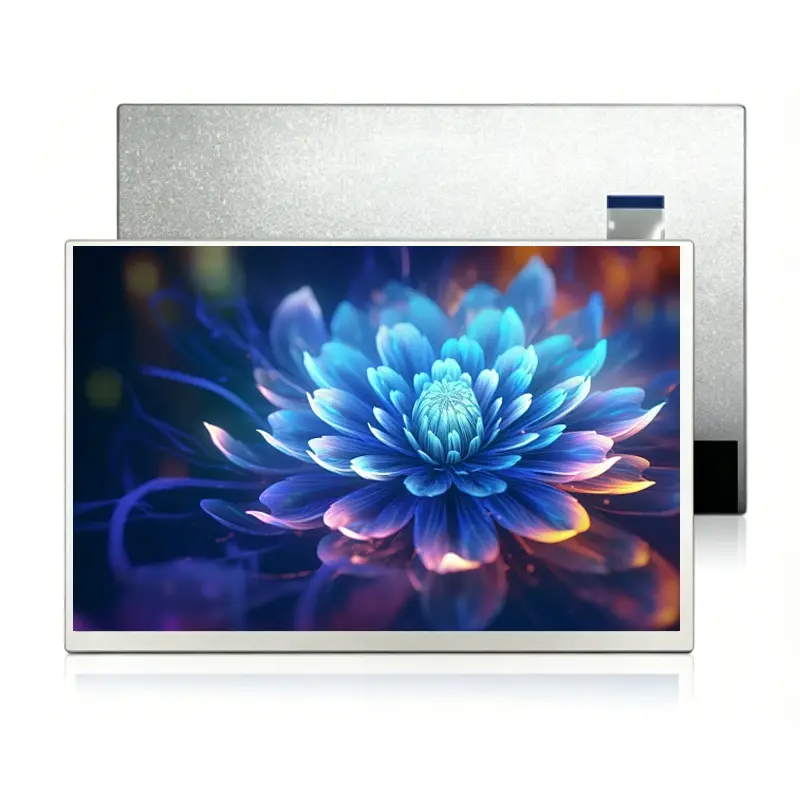
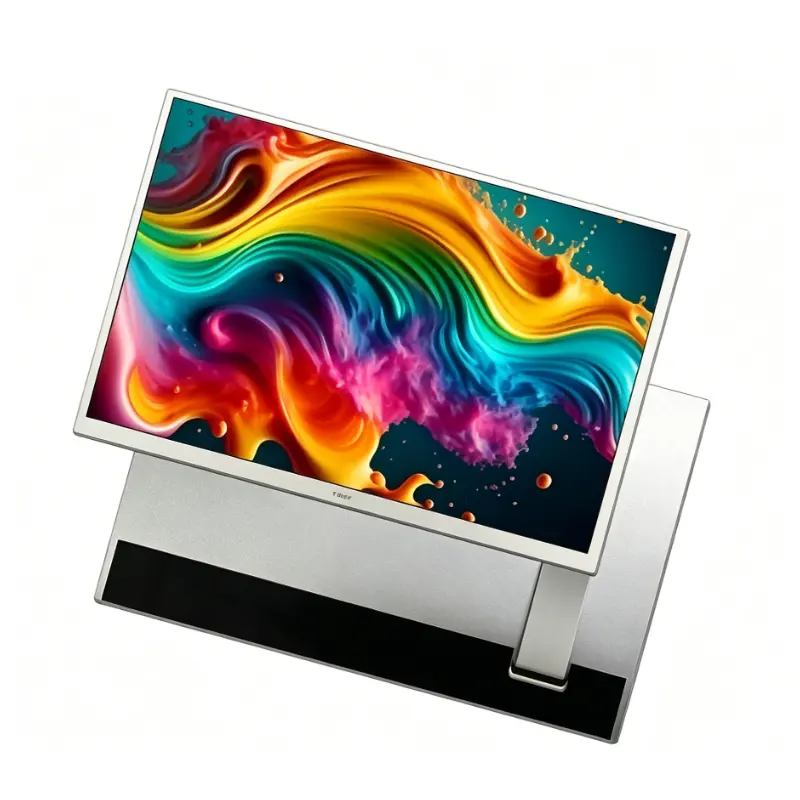
10.1 Inch Wide Temp Sunlight Readable LCD Display for Industrial HMI
Model P/N
Size
Resolution
Brightness
Viewing Angle
Connector Type
Operating Temp
Overall(mm)
huisoar
HS101048N3
Brand
Panel Size (inch)
Model P/N
Resolution
Brightness (nits)
Viewing Angle
Contrast Ratio
Response Time
Overall (mm)
Active Area (mm)
Refresh Rate
Display Colors
Panel Type
Connector Type
Operating Temp
Touchscreen Type
Storage Temp
Work Mode
Pixel Format
Operating Environment
Designed For
10.1 Inch Wide Temp Sunlight Readable LCD Display for Industrial HMI
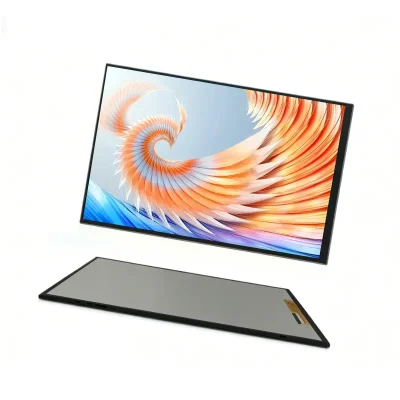
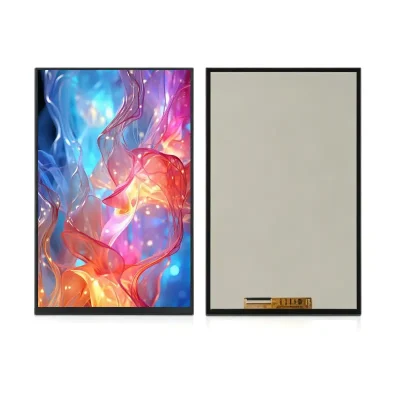
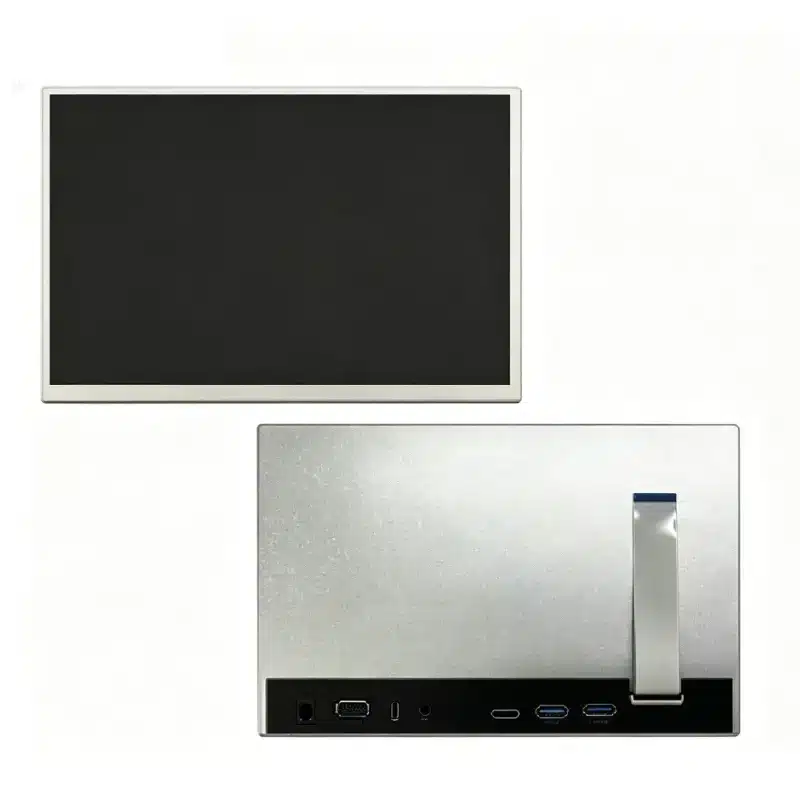
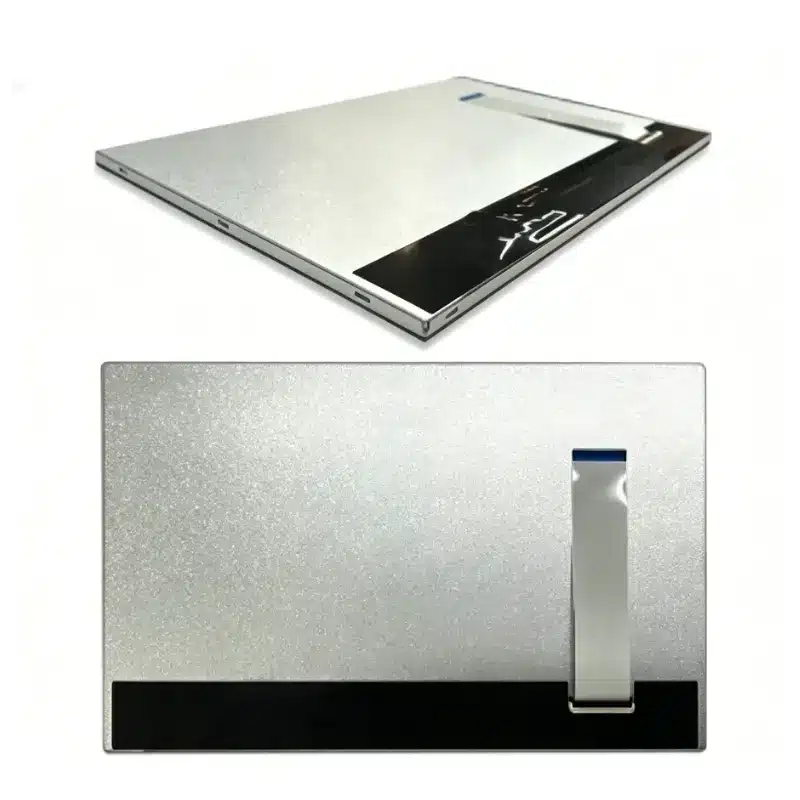
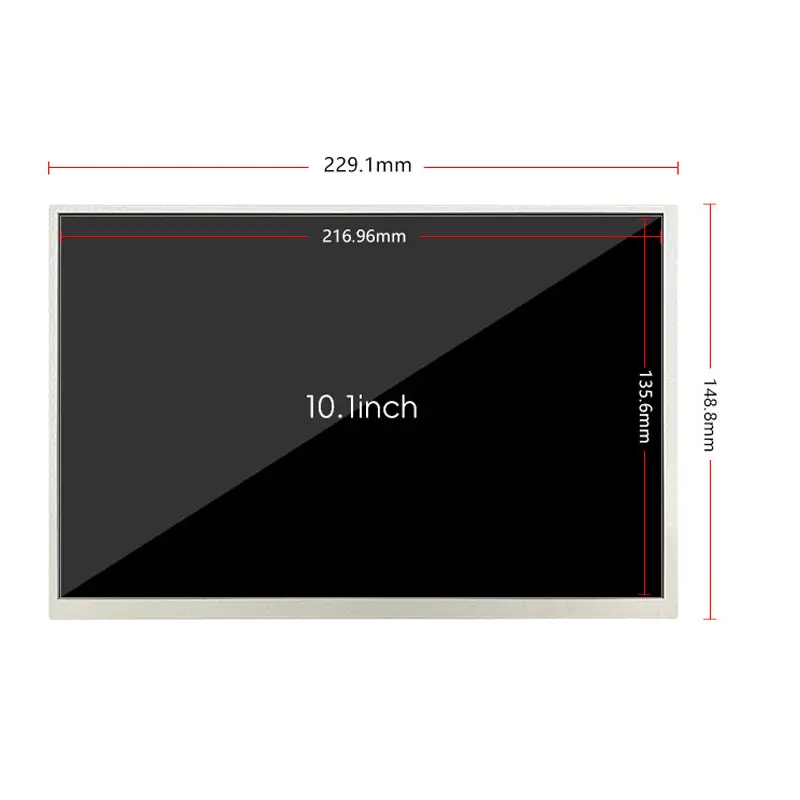
A Wide Temp Sunlight Readable LCD Display in a compact 10.1-inch format gives equipment designers 1000 cd/m² typical luminance, 1280 × 800 resolution, full-view IPS behavior, and a 40-pin 8-bit LVDS interface. The 216.96 × 135.6 mm active area fits landscape operator interfaces, while the 229.1 × 148.9 × 4.4 mm module outline supports thin embedded layouts. With −20°C to +70°C operation and −30°C to +80°C storage, the module suits industrial HMI and other bright-ambient equipment that needs a wider environmental window than ordinary office displays.
Product Summary
The panel uses a 1280 × 800 pixel layout and RGB Stripe arrangement, providing a 16:10 workspace for controls, diagrams, menus, alarms, and status data. Its 1000 cd/m² typical luminance provides more optical margin where ambient light is stronger than in a conventional indoor installation.
The module is a display component rather than a finished outdoor monitor. Final readability depends on the front stack, installation angle, reflected ambient light, enclosure design, and thermal conditions. The 1000 cd/m² panel rating should be validated behind the final cover stack under the intended site lighting. Optical-engineering guidance likewise treats panel luminance, reflections, glass treatment and bonding as parts of one readability system.
Compact WXGA format for operator interfaces
The 216.96 × 135.6 mm active area provides useful room for process values, charts, navigation, and status regions without moving to a larger mechanical envelope. Driving the panel at its native 1280 × 800 raster also avoids unnecessary scaling, so UI assets and controller timing should be prepared around that format.
1000 cd/m² luminance for bright-ambient equipment
Higher panel luminance helps near windows, under strong overhead lighting, or in protected outdoor-facing equipment. It does not remove reflection risk. Cover-glass transmission, surface treatment, an air gap or bonding layer, screen angle, and solar heat load can materially change the viewed result.
Key Specifications at a Glance
| Parameter | Confirmed specification |
|---|---|
| Size | 10.1 inches |
| Resolution | 1280 × 800 pixels |
| Active Area | 216.96 × 135.6 mm |
| Module Outline | 229.1 × 148.9 × 4.4 mm |
| Brightness | 1000 cd/m² typical |
| Panel Technology | a-Si TFT-LCD, IPS full-view family |
| Viewing Angle | 85°/85°/85°/85° (L/R/U/D) |
| Contrast Ratio | 800:1 typical |
| Display Colors | 16.7M colors |
| Pixel Arrangement | RGB Stripe |
| Interface | LVDS, 8-bit |
| Connector | 40 pins |
| Backlight | WLED |
| Touch | No touch |
| Operating Temperature | −20°C to +70°C |
| Storage Temperature | −30°C to +80°C |
Bright-Ambient Optical Performance
The combination of 1000 cd/m² typical luminance, 800:1 typical contrast, and full-view IPS behavior gives the panel a strong starting point for bright industrial interfaces.
85°/85°/85°/85° full-view geometry
The 85°/85°/85°/85° viewing angles in the left, right, up, and down directions help when the operator is not centered directly in front of the panel. Bezel depth, cover-glass reflections, screen tilt, and enclosure geometry can still affect off-axis contrast.
Why the final cover stack still matters
Sunlight readability is a system-level optical result. A bright LCD can lose useful contrast when an untreated front window reflects the environment toward the viewer. For outdoor-facing or window-adjacent equipment, front glass, AG/AR treatment, the air gap or bonding approach, and thermal design should be evaluated together with panel luminance.
Integrating the Wide Temp Sunlight Readable LCD Display
The panel uses a 40-pin 8-bit LVDS interface, making electrical compatibility a primary design-in checkpoint. Connector count alone is not enough to approve another controller, cable, or replacement panel.
40-Pin 8-Bit LVDS host qualification
A matching 40-pin LVDS connector does not guarantee electrical, timing, pin-mapping, or cable compatibility. Before PCB or cable release, confirm native 1280 × 800 timing, complete pin assignment, LVDS mapping, connector pitch, contact side, cable orientation, panel power, and WLED drive requirements. LVDS pin definitions can vary across brands and models.
1280 × 800 native content planning
The native 16:10 raster provides more vertical workspace than 16:9 at similar width. It is useful for HMI pages with alarm banners, navigation rows, trend charts, or multiple control groups. Software teams should validate font size and icon density at the actual viewing distance.
Mechanical Integration and Enclosure Planning
The active area and module outline serve different purposes. The 216.96 × 135.6 mm active area defines the visible image region, while the 229.1 × 148.9 × 4.4 mm outline controls physical fit, support, clearance, and bezel planning.
Active area versus module outline
A front-window opening should be developed from the approved mechanical drawing rather than from active area alone. Connector clearance, cable bend radius, frame overlap, support points, and manufacturing tolerance sit outside the image region.
No-touch front-panel architecture
The standard configuration is non-touch, so interactive control requires another input method or a separately specified touch assembly. If touch is needed, cover dimensions, interface, optical losses, bonding method, environmental behavior, and final thickness require separate qualification.
Wide-Temperature Operation for Industrial Equipment
This Wide Temp Sunlight Readable LCD Display operates from −20°C to +70°C and stores from −30°C to +80°C. Those ranges suit equipment that may experience broader temperature changes during use, shipping, or warehousing.
The operating range defines powered use; storage addresses non-operating exposure. The −20°C to +70°C operating range does not establish waterproofing or an IP rating. Sealing, condensation control, UV exposure, vibration, and thermal management remain system-level responsibilities.
Operating and storage ranges serve different purposes
Do not use the storage range as the powered operating range. At temperature extremes, the complete system should be checked for backlight behavior, controller timing, cable materials, enclosure expansion, condensation risk, and heat dissipation.
Recommended Application Direction
Industrial HMI and field-control interfaces
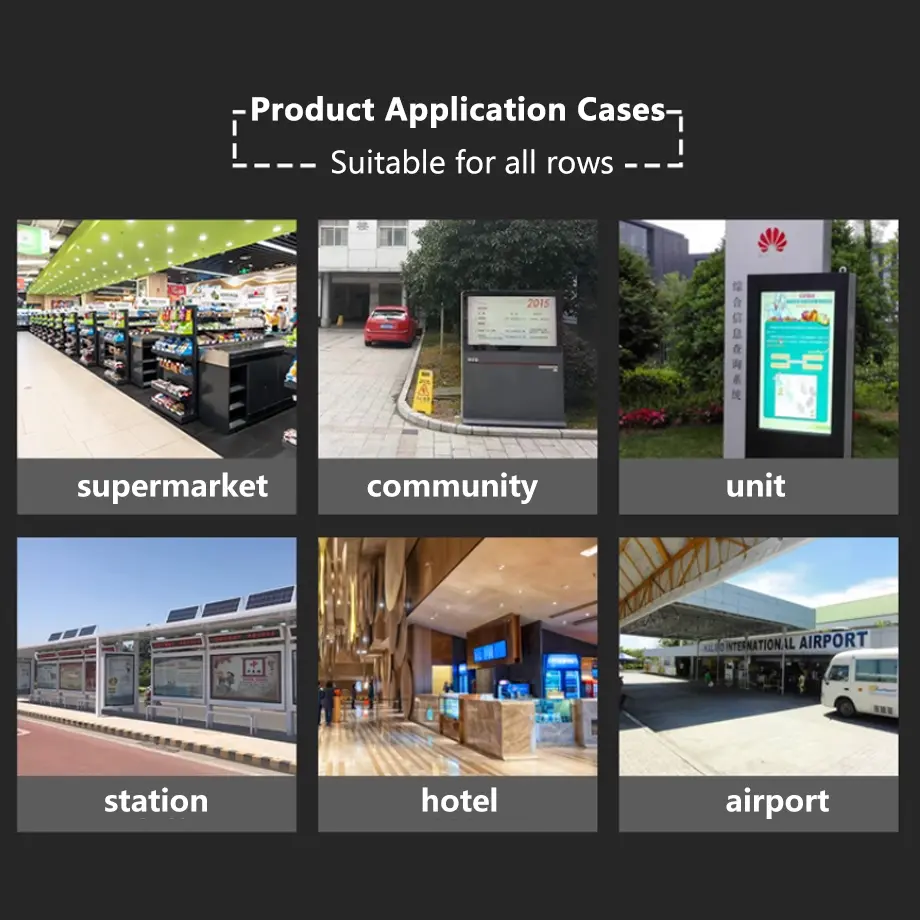
The module fits machine HMIs, process-control terminals, factory information interfaces, field service panels, and equipment status displays that need compact 10.1-inch geometry with high luminance and broad viewing.
Bright commercial and service equipment
The same 1000 cd/m² luminance and 1280 × 800 resolution can support protected information terminals, service equipment, window-adjacent interfaces, and outdoor-visible displays inside a properly engineered enclosure. Direct exposure, ingress protection, and regulated-use qualification remain finished-system responsibilities.
Procurement Checklist
Before sample approval, confirm the production revision, native 1280 × 800 timing, complete 40-pin 8-bit LVDS definition, connector orientation, panel power, WLED voltage/current/control requirements, 216.96 × 135.6 mm active area, 229.1 × 148.9 × 4.4 mm outline, 1000 cd/m² luminance tolerance, 800:1 contrast, 85°/85°/85°/85° viewing, 16.7M color mode, non-touch status, temperature limits, front-window optical stack, environmental requirements, sample quantity, and annual demand.
FAQ
About 10.1 Inch Wide Temp Sunlight Readable LCD Display
What must be checked before replacing another 40-pin LVDS display?
Is 1000 cd/m² sufficient behind the final cover glass?
Can HDMI, eDP, MIPI, or USB connect directly to this panel?
What is the difference between operating and storage temperature?
Which dimensions should control enclosure release?
Freya Yang
+86 18318948097