Freya Yang
+86 18318948097
+852 62667476
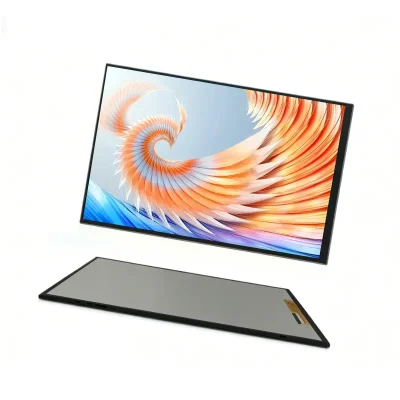
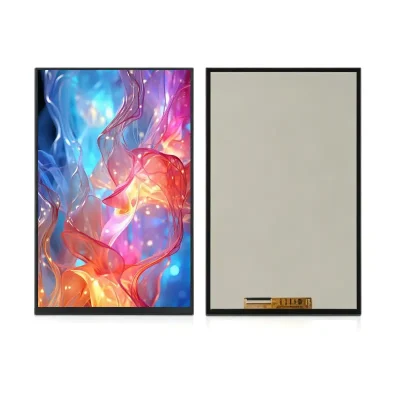
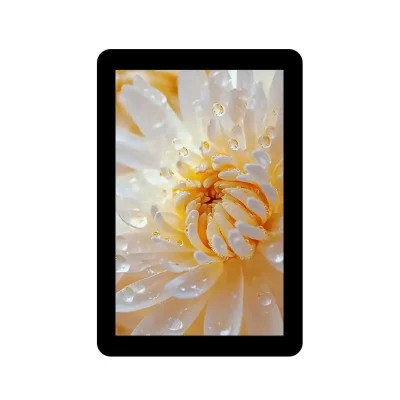
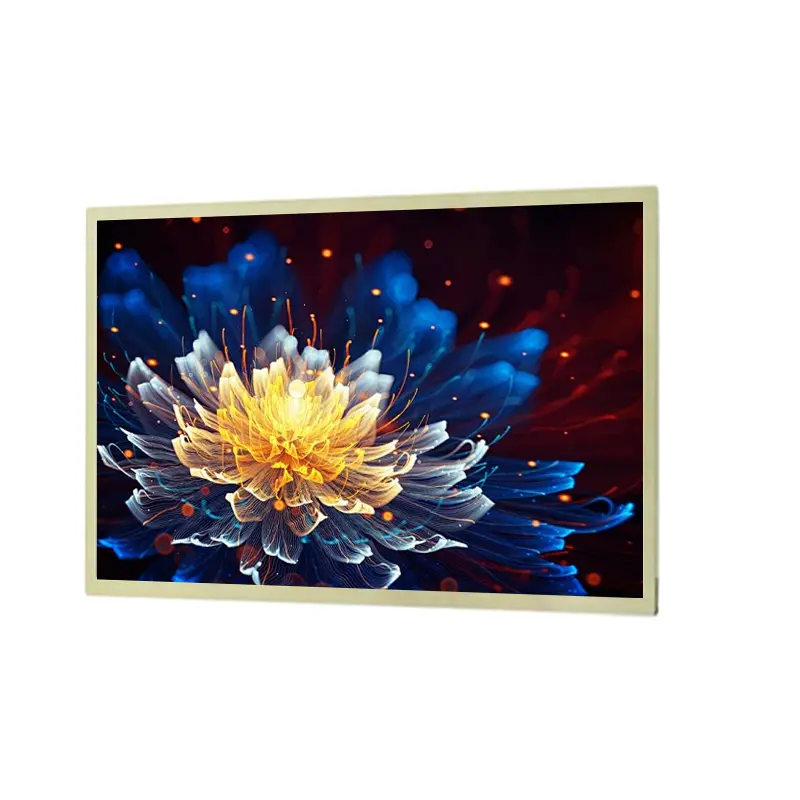
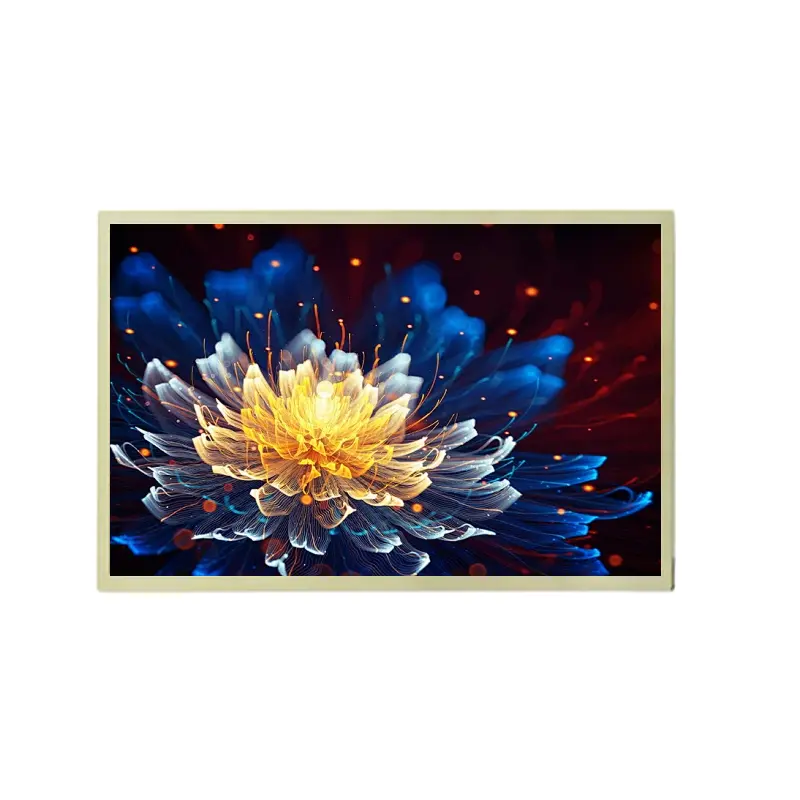
10.1 Inch 1000 Nits Industrial LVDS LCD Module for Outdoor HMI

Model P/N
Size
Resolution
Brightness
Viewing Angle
Connector Type
Operating Temp
Overall(mm)
huisoar
HS101WXM-GE10
Brand
Panel Size (inch)
Model P/N
Resolution
Brightness (nits)
Viewing Angle
Contrast Ratio
Response Time
Overall (mm)
Active Area (mm)
Refresh Rate
Display Colors
Panel Type
Connector Type
Operating Temp
Touchscreen Type
Storage Temp
Work Mode
Weight (g)
Operating Environment
Designed For
10.1 Inch 1000 Nits Industrial LVDS LCD Module for Outdoor HMI
This 10.1-inch 1000 Nits Industrial LVDS LCD Module is designed for compact equipment that needs stronger visibility in bright ambient light while retaining a familiar 1280 × 800 WXGA format. The module combines IPS-family wide viewing, 1000 cd/m² typical luminance, a 20-pin LVDS interface, WLED backlighting, and a −20°C to +70°C operating range. Its standard configuration is non-touch, making it suitable for equipment designers who want to control the front glass, touch stack, and enclosure separately. The core size, resolution, luminance, contrast, viewing-angle, WLED and LVDS profile is also reflected in the public exact-model index.
Product Summary
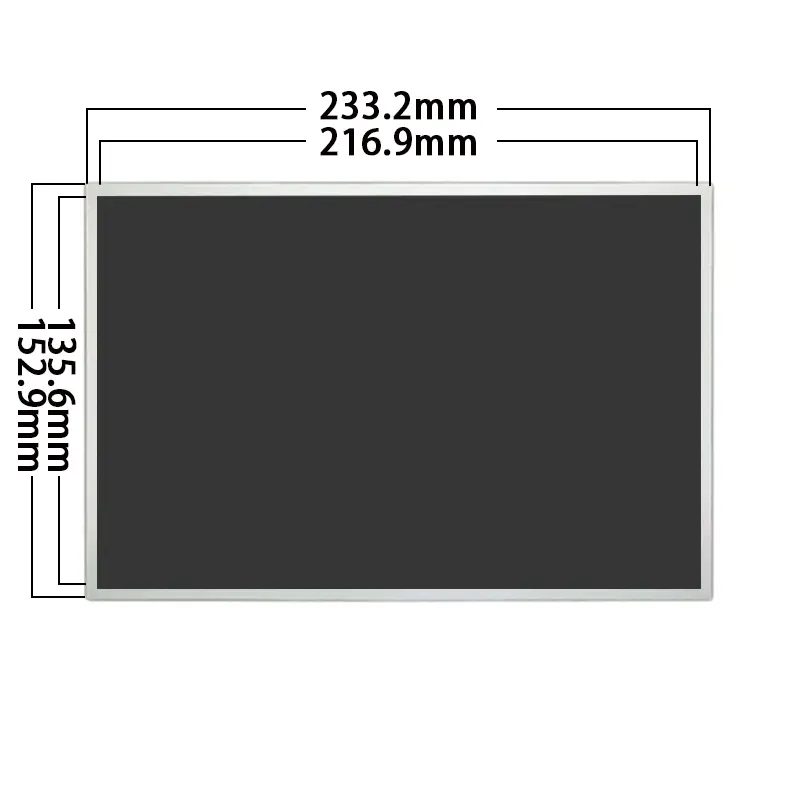
The 10.1-inch format provides a 216.96 × 135.6 mm active area inside a 233.2 × 152.9 mm module outline with 8.4 mm maximum thickness. Its 16:10, 1280 × 800 format supports status panels, machine controls, diagnostic pages, and information layouts.
The panel uses a-Si TFT-LCD technology in an IPS family and transmissive mode. Typical contrast is 900:1, color capacity is 16.2M, and the viewing-angle sequence is 85°/85°/85°/85° for left/right/up/down.
A 20-pin LVDS connector does not guarantee electrical or timing compatibility with another 20-pin panel.
Key Specifications
| Parameter | Confirmed value |
|---|---|
| Size | 10.1 inches |
| Resolution | 1280 × 800 pixels |
| Aspect ratio | 16:10 |
| Panel technology | a-Si TFT-LCD, IPS family |
| Display mode | Transmissive |
| Active area | 216.96 × 135.6 mm |
| Module outline | 233.2 × 152.9 mm |
| Maximum thickness | 8.4 mm |
| Brightness | 1000 cd/m² typical |
| Contrast ratio | 900:1 typical |
| Viewing angle | 85°/85°/85°/85° L/R/U/D |
| Display colors | 16.2M |
| Backlight | WLED |
| Signal interface | LVDS |
| Pin count | 20 pins |
| Touch | Non-touch |
| Operating temperature | −20°C to +70°C |
| Storage temperature | −30°C to +80°C |
Optical Performance in Bright Environments
1000 cd/m² Typical Luminance
The 1000 cd/m² luminance target supports bright workshops, window-adjacent equipment, sheltered outdoor-facing terminals, and other high-ambient-light installations while retaining a compact 10.1-inch format. The current market commonly uses 1000-nit-class industrial LCD modules for bright-environment applications, but brightness is only one part of final readability.
Brightness alone does not define final outdoor readability. Cover glass transmission, surface reflection, air gaps or bonding, viewing direction, ambient illumination, and thermal loading all influence the image seen by the operator.
1000 cd/m² typical luminance improves bright-ambient visibility but does not by itself guarantee direct-sun readability after the final front stack.
IPS Wide Viewing and 900:1 Contrast
The confirmed 85° viewing-angle values in all four directions support offset operator positions. The 900:1 typical contrast and 16.2M-color capability support graphical HMIs, status icons, and digital-signage content.
Integrating the 1000 Nits Industrial LVDS LCD Module
Verify the Complete 20-Pin LVDS Definition
The interface is confirmed as LVDS with 20 pins, but pin count is only one part of compatibility. Before a controller board, cable, or replacement panel is released, the engineering package should confirm native 1280 × 800 timing, the complete pin assignment, LVDS channel and bit mapping, panel voltage requirements, connector pitch and contact orientation, backlight power, and control signals.
This qualification method matches established industrial LVDS replacement practice: matching connector count alone is insufficient without timing, voltage, mapping and pin-assignment verification.
A controller designed for a different 20-pin LVDS panel should not be treated as compatible until those electrical and timing items match. The same caution applies when replacing a 40-pin 10.1-inch panel: matching resolution and screen size do not make the connector systems interchangeable.
Mechanical Envelope and Active Area
The active area and complete module outline serve different enclosure-design functions. The 216.96 × 135.6 mm active area controls the visible content window, while the 233.2 × 152.9 mm outline and 8.4 mm maximum thickness control physical clearance, retention features, bezel overlap, cable routing, and assembly depth.
The active area should not be used as a substitute for the complete mechanical drawing when releasing an enclosure.
Environmental and Configuration Boundaries
Wide Temperature Operation
The module is specified for −20°C to +70°C operation and −30°C to +80°C storage. Those ranges are useful for industrial equipment exposed to seasonal changes, transport conditions, factory-floor heat, or sheltered outdoor installations.
A wide temperature range does not establish waterproofing, vibration resistance, UV resistance, or any IP grade. Those requirements belong to the finished equipment and must be qualified separately.
Standard Non-Touch Configuration
The standard module is explicitly non-touch. This can simplify optical and mechanical integration for equipment that uses physical controls, remote input, or a separate front-interface design.
The standard module should not be described as a touch display unless a separate approved touch assembly is specified.
If a project requires touch, the touch technology, controller interface, cover structure, bonding method, combined outline, optical transmission, and environmental requirements should be treated as a separate system definition rather than assumed from the LCD module.
Application Fit
Industrial HMI and Equipment Interfaces
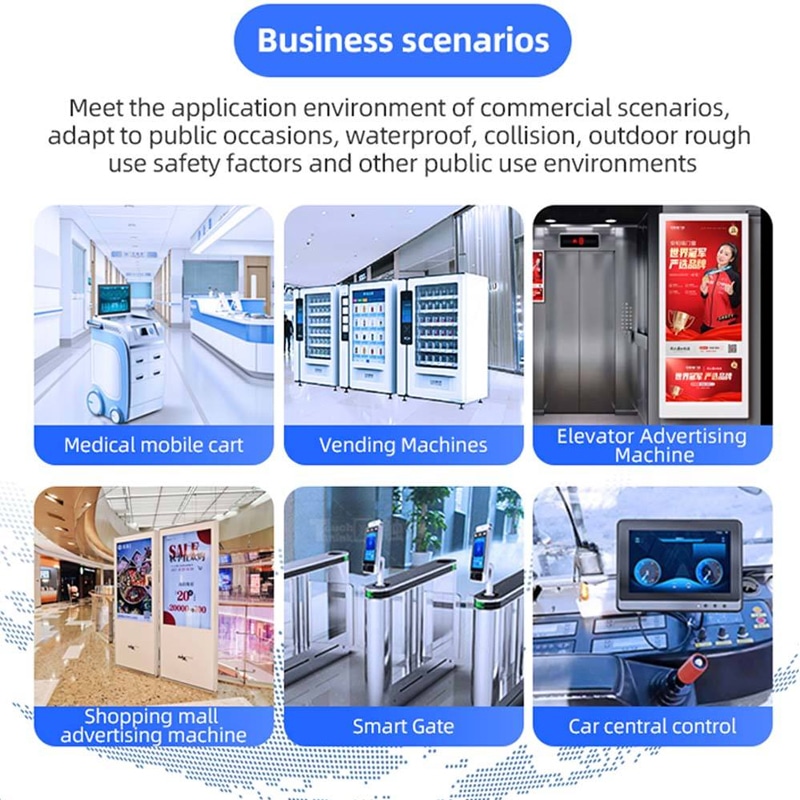
The 1000 Nits Industrial LVDS LCD Module is well aligned with industrial control panels, machinery HMIs, factory information terminals, diagnostic equipment, and other embedded interfaces that need WXGA graphics and stronger bright-ambient visibility. The 20-pin LVDS path is especially relevant where the controller architecture has already been designed around LVDS and can be qualified against the exact panel definition.
Digital Signage and Outdoor-Facing Equipment
The 10.1-inch format can also support compact digital signage, sheltered information terminals, and outdoor-facing equipment inside a qualified enclosure. Final optics and thermal design should be evaluated under actual site lighting.
It may also be evaluated for healthcare or medical-equipment display integration where the device manufacturer performs the required system-level qualification; the module itself should not be presented as medically certified without separate evidence.
Customization and Qualification Planning
Project review can cover cable definition, LVDS pin mapping, brightness target, cover-glass structure, anti-reflective or anti-glare treatment, optical bonding, mechanical adaptation, and controller-board matching when supporting evidence and engineering scope are available. Any modified configuration should be released against an approved drawing and electrical specification.
Custom configurations are generally reviewed from 500 pieces, subject to tooling requirements, material availability, and the requested specification. Sample and standard-module quantities are confirmed separately.
Procurement Checklist
Before sample or production approval, confirm:
- assigned product revision and approved mechanical drawing;
- native 1280 × 800 timing and refresh requirement;
- complete 20-pin LVDS pin assignment;
- LVDS channel and bit mapping;
- connector pitch, contact side, and cable orientation;
- panel input-voltage requirements;
- WLED voltage, current, enable, dimming, and driver requirements;
- 216.96 × 135.6 mm active area;
- 233.2 × 152.9 mm outline and 8.4 mm maximum thickness;
- 1000 cd/m² typical luminance target and acceptance tolerance;
- front-glass transmission and reflection conditions;
- standard non-touch configuration or separate touch-system requirement;
- −20°C to +70°C operating target;
- −30°C to +80°C storage target;
- sample quantity, annual demand, and qualification schedule.
FAQ
About 10.1 Inch 1000 Nits Industrial LVDS LCD Module
What must be checked before replacing another 20-pin LVDS panel?
Is 1000 cd/m² enough for an outdoor HMI behind cover glass?
Can a 40-pin LVDS controller be connected to this module with an adapter cable?
What information is required before adding touch to the non-touch module?
Freya Yang
+86 18318948097