Freya Yang
+86 18318948097
+852 62667476
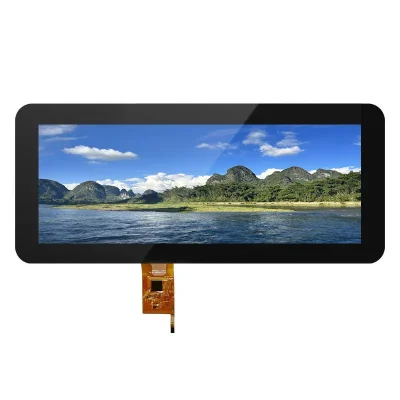
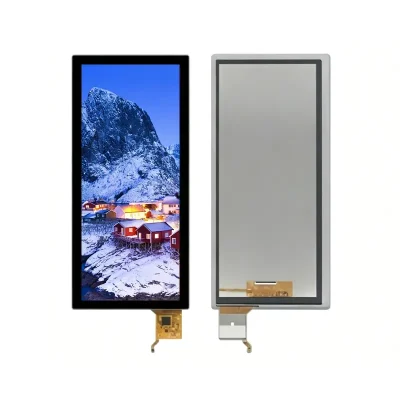
12.3 Inch Center Stack LCD Panel 850nits Automotive Industrial Module
Model P/N
Size
Resolution
Brightness
Viewing Angle
Connector Type
Operating Temp
Overall(mm)
huisoar
HS123JPW2-CO1
Brand
Panel Size (inch)
Model P/N
Resolution
Brightness (nits)
Viewing Angle
Contrast Ratio
Response Time
Overall (mm)
Active Area (mm)
Refresh Rate
Display Colors
Panel Type
Connector Type
Operating Temp
Touchscreen Type
Storage Temp
Work Mode
Pixel Format
Control Type
Weight (g)
Operating Environment
Designed For
12.3 Inch Center Stack LCD Panel 850nits Automotive Industrial Module
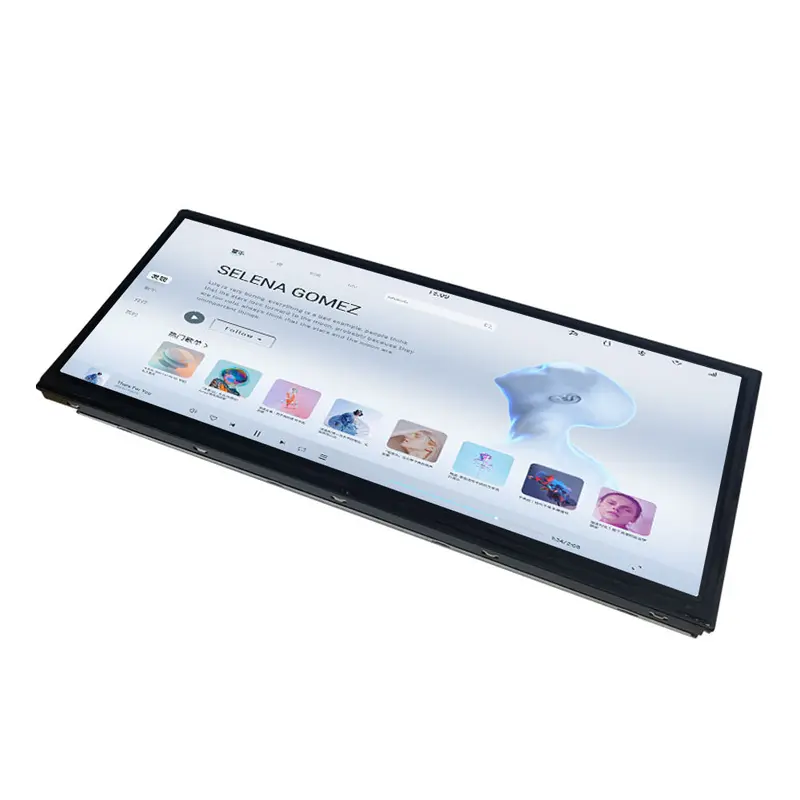
This wide IPS panel combines a 1920 × 720 interface canvas, 850 cd/m² luminance and 50-pin LVDS connectivity for central-control and equipment integration.
Product Summary
The Center Stack LCD Panel is a 12.3-inch wide-format display component for vehicle and equipment interfaces that need a horizontally organized information area, IPS viewing and embedded LVDS integration.
Its native 1920 × 720 resolution can support navigation, media information, climate controls, system status, vehicle settings and contextual alerts in a central-control interface. The same wide format can also be evaluated for industrial-control panels, advertising equipment and other embedded HMI products.
The panel is an LCD component rather than a complete infotainment system. Host electronics, software, backlight driving, touch input, front cover, bonding and environmental qualification must be planned separately.
Key Specifications
| Specification | Value |
|---|---|
| Display size | 12.3 inch |
| Native resolution | 1920 × 720 pixels |
| Active area | 292.032 × 109.512 mm |
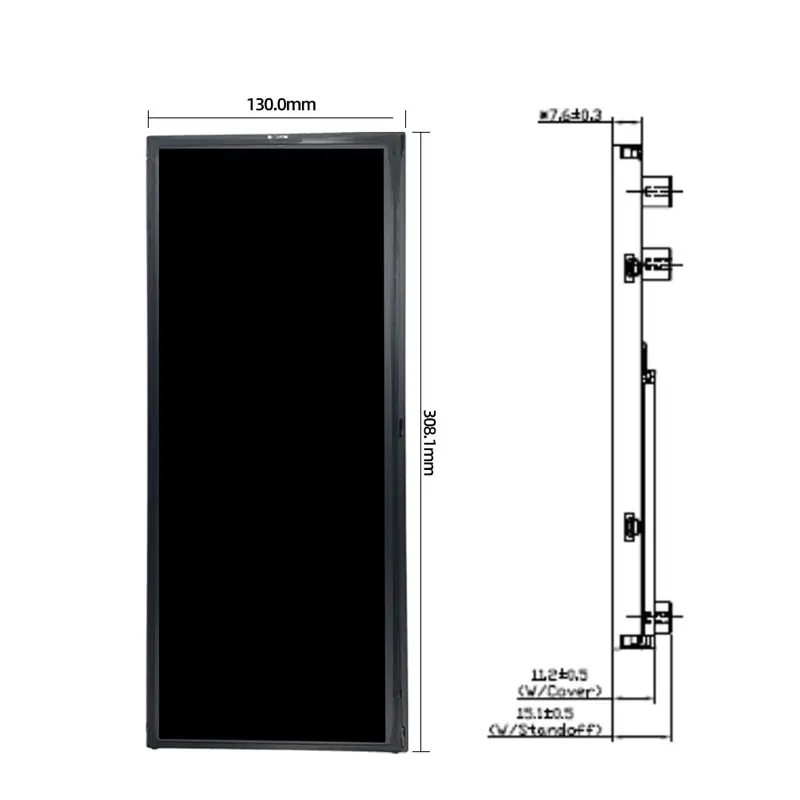
| Listed module envelope | 308.1 × 130 × 15.6 mm |
| Panel technology | IPS TFT-LCD |
| Luminance | 850 cd/m² |
| Contrast ratio | 1000:1 listed |
| Display colors | 16.7M colors |
| Display interface | LVDS |
| Connection | 50 pins |
| Listed operating temperature | −20°C to +60°C |
| Listed storage temperature | −30°C to +70°C |
| Standard touch | Not confirmed |
Wide 1920 × 720 Interface Planning
Center-Stack Content Layout
The 1920 × 720 raster provides a broad canvas for interfaces that place several information groups side by side.
A center-stack layout can allocate separate areas for:
- Navigation and route guidance
- Media and audio controls
- Climate functions
- Vehicle settings
- Phone or communication information
- Camera or sensor views
- Status messages
- Warning prompts
- Shortcut controls
Designing at the native resolution helps preserve text edges, graphic proportions and alignment between interface zones.
Information Hierarchy for Vehicle HMI
A wide interface should not give every control the same visual weight. Driving-related alerts, active vehicle functions and the next required action should remain more prominent than secondary media or customization content.
The usable layout should also account for:
- Driver and passenger viewing positions
- Installation angle
- Front-cover reflections
- Touch-target size when a separate touch layer is used
- Day and night display modes
- Multilingual text
- Camera-image scaling
- Safe placement of critical messages
850 cd/m² IPS Optical Performance
Bright-Cabin Visibility
The panel provides 850 cd/m² luminance.
This gives the LCD more optical headroom than a basic indoor display for cabins, control consoles and equipment installed in stronger ambient light. Comparable 12.3-inch automotive LCD products also use luminance levels around 850 cd/m² for central-control applications.
An 850 cd/m² panel does not independently establish finished-system daylight readability.
Front-Cover Optical Validation
Final visibility depends on:
- Cover-lens transmission
- Surface reflection
- Air gap or optical bonding
- Decorative printing
- Anti-glare or anti-reflective treatment
- Installation angle
- Cabin geometry
- Ambient-light direction
- Backlight control
- Operating temperature
The completed front stack should be tested in representative daylight and night conditions before optical performance is approved.
Center Stack LCD Panel Integration
50-Pin LVDS Qualification
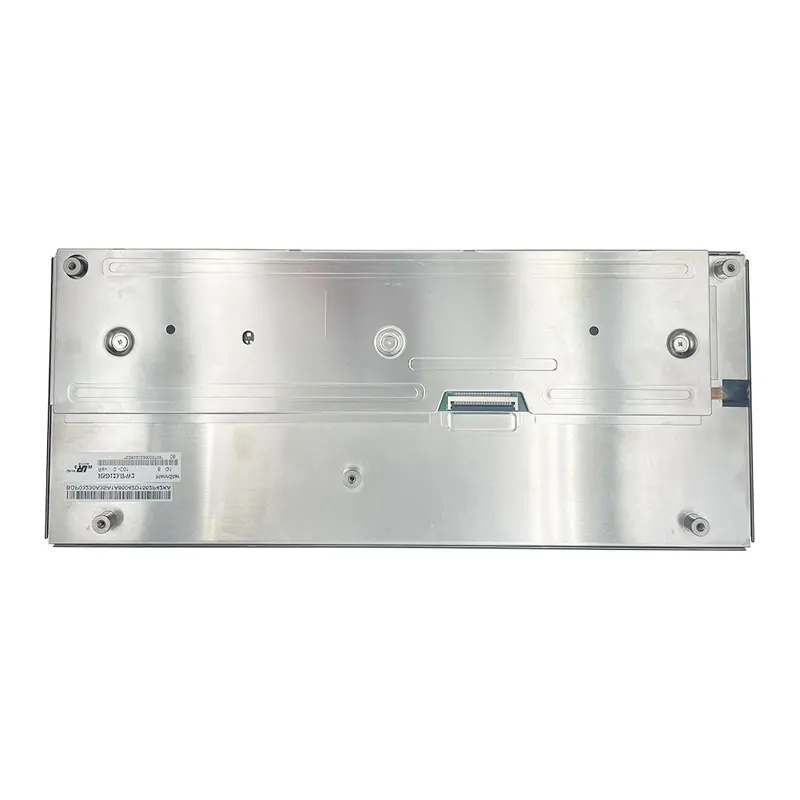
The panel uses a 50-pin LVDS interface.
A 50-pin LVDS connector does not guarantee timing, voltage, channel mapping or pin compatibility with another display.
Before controller or cable release, confirm:
- Native 1920 × 720 timing
- Pixel clock
- LVDS channel count
- Bit depth
- JEIDA or VESA mapping where applicable
- Complete 50-pin assignment
- Panel supply voltage
- Enable and control signals
- Backlight voltage and current
- Dimming method
- Connector orientation
- Cable direction and length
- Grounding and shielding
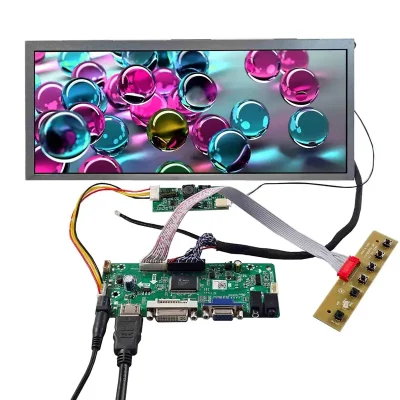
Controller and Cable Matching
The panel does not establish direct HDMI, DisplayPort, USB, MIPI DSI, eDP or parallel-RGB compatibility. These sources require an appropriate controller or bridge matched to the panel timing and electrical definition.
Controller qualification should include:
- Source-interface requirements
- Native 1920 × 720 output
- LVDS mapping
- Panel and backlight power
- Startup and shutdown behavior
- Cable routing
- Electromagnetic compatibility
- Available enclosure volume
- Thermal performance
Mechanical and Thermal Design
The active area is 292.032 × 109.512 mm. A module envelope of 308.1 × 130 × 15.6 mm is listed for the selected configuration.
Other supplied mechanical information gives different outline or depth values. Enclosure release should therefore wait for the approved model-specific drawing.
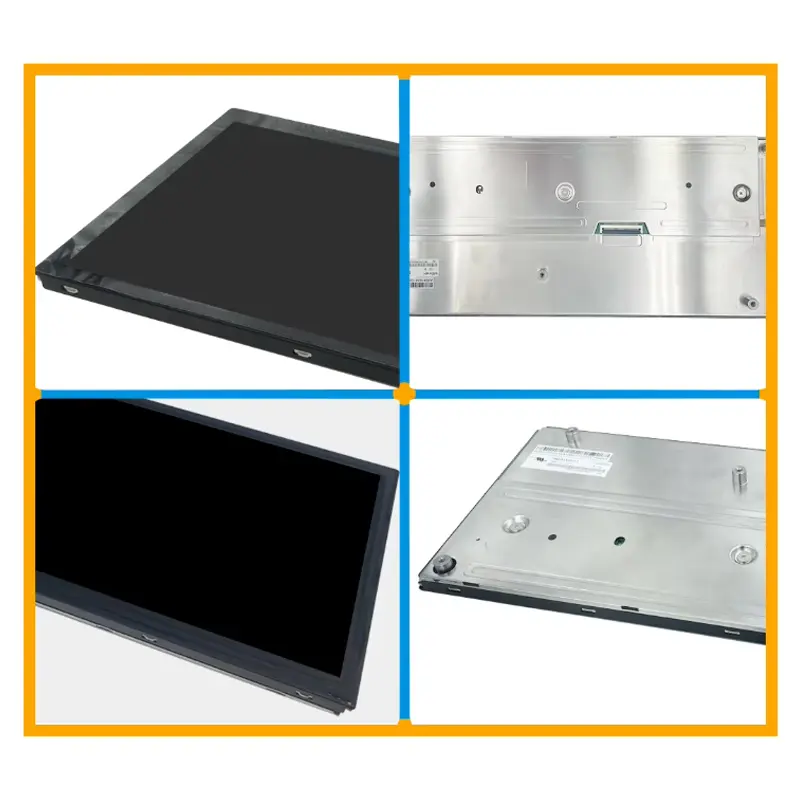
Mechanical review should include:
- Front opening
- Active-area centering
- Bezel overlap
- Rear clearance
- Connector access
- Cable bend radius
- Mounting points
- Housing stiffness
- Cover-lens clearance
- Touch-stack allowance
- Thermal airflow
- Tolerance accumulation
- Service access
The listed operating range is −20°C to +60°C and storage range is −30°C to +70°C. Alternative ranges also appear in the product information, so environmental qualification requires the approved datasheet for the exact ordered configuration.
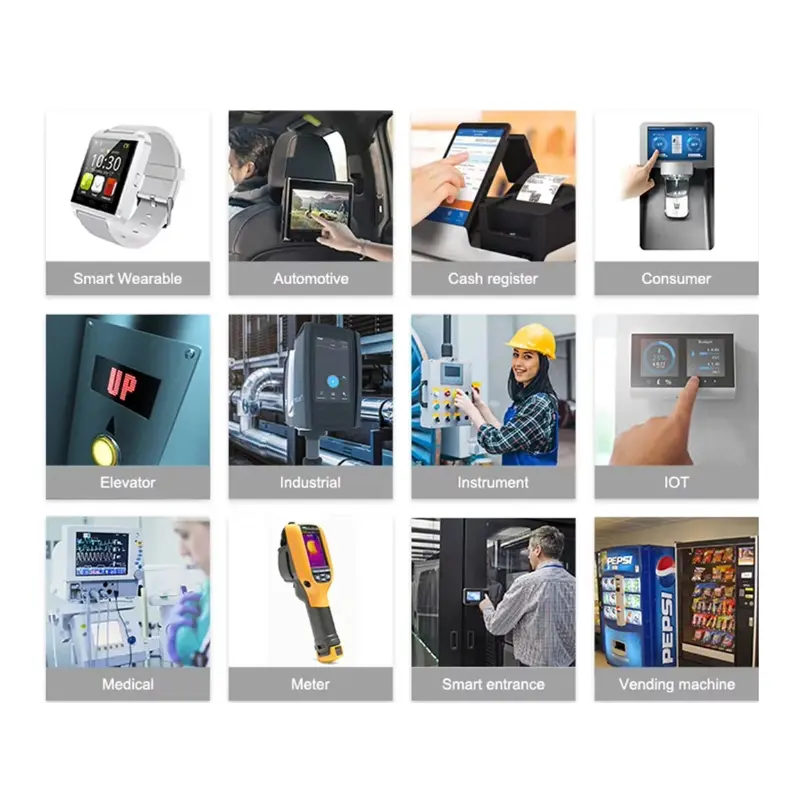
Application Scenarios
Vehicle Central-Control Interfaces
The wide display can support navigation, climate functions, audio controls, vehicle settings, camera views and system information in a central HMI position.
This application direction does not establish automotive-grade qualification, road-vehicle certification or compliance with a specific OEM standard.
Industrial Control Panels
The wide resolution can present process trends, alarms, equipment status and several functional zones on one screen.
Advertising Equipment
The 1920 × 720 format can support wide promotional graphics, product information and status content where the selected controller matches the panel.
Smart-Home Terminals
A wide control interface can organize room status, lighting, climate, access and media functions, subject to the complete system architecture.
Medical-Equipment Displays
The panel may be evaluated as a display component in medical equipment. This does not establish diagnostic-display performance or medical certification.
Customization Boundaries
Project review can include:
- LVDS cable and controller matching
- FPC and connector review
- Cover-lens design
- Anti-glare or anti-reflective treatment
- Optical bonding
- Separate touch development
- Enclosure adaptation
- Mounting support
- Backlight review
- Branding
- Packaging
- Sample validation
Custom configurations are generally reviewed from 500 pieces, subject to tooling requirements, material availability and the requested specification. Samples and standard-module quantities are confirmed separately.
Procurement Checklist
Submit:
- Approved model-specific datasheet
- Approved mechanical drawing
- Native 1920 × 720 timing
- Pixel-clock requirement
- LVDS channel count
- Bit depth and mapping
- Complete 50-pin assignment
- Panel input voltage
- Backlight voltage and current
- Dimming requirement
- Connector orientation
- Cable length and direction
- Enclosure drawing
- Front opening
- Mounting method
- Cover-lens stack
- Optical-bonding requirement
- Target finished-front luminance
- Cabin or installation lighting
- Validated temperature range
- Touch requirement
- Sample quantity
- Annual demand
- Production schedule
FAQ
What must be checked before connecting a 50-pin LVDS host?
How should center-stack content be prepared for the 1920 × 720 format?
Does 850 cd/m² guarantee daylight readability in a vehicle?
Which dimensions should control enclosure release?
Which temperature range should be used for qualification?
Freya Yang
+86 18318948097