Freya Yang
+86 18318948097
+852 62667476
17 Inch eDP Sunlight Readable LCD Panel WQXGA for Kiosks
Model P/N
Size
Resolution
Brightness
Viewing Angle
Connector Type
Operating Temp
Overall(mm)
huisoar
HS170ENT-N12
Brand
Panel Size (inch)
Model P/N
Resolution
Brightness (nits)
Viewing Angle
Contrast Ratio
Response Time
Overall (mm)
Active Area (mm)
Refresh Rate
Display Colors
Panel Type
Connector Type
Surface Treatment
Operating Temp
Touchscreen Type
Storage Temp
Work Mode
Pixel Format
Input Voltage (V)
Control Type
Weight (g)
Designed For
High-Pixel-Density 2560×1600 IPS LCD Module with eDP 4-Lane Interface, Auto Brightness Control, and Slim 4.1 mm Structure
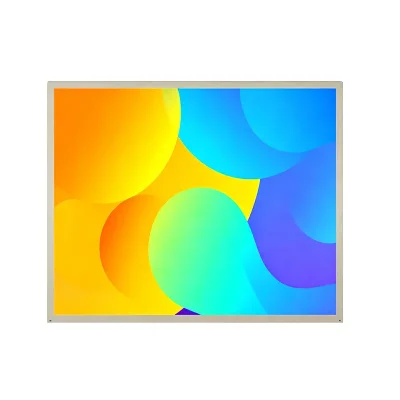
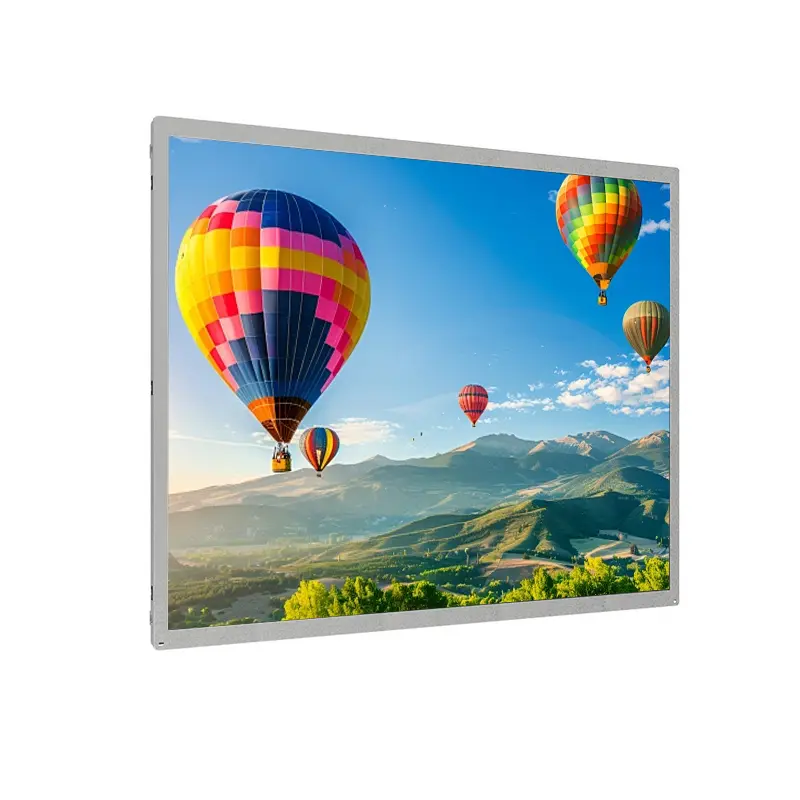
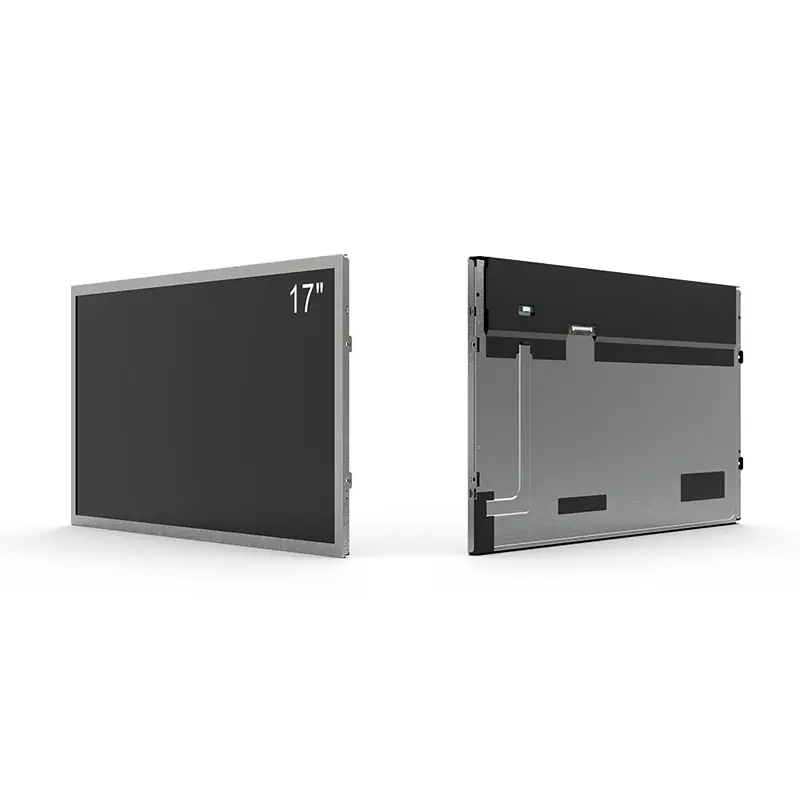
A 17 Inch eDP Sunlight Readable LCD Panel is a WQXGA IPS TFT-LCD module for kiosks, transportation terminals, passenger information systems, industrial equipment, and compact public display products that need high pixel density, sunlight-readable brightness, and embedded eDP integration. It combines 2560 × 1600 resolution, 177 PPI, 1000–5000 nits configurable brightness, IPS normally black transmissive operation, eDP 4-lane HBR1 connectivity, 3.3V input, no-touch structure, and built-in auto brightness control.
At a Glance: 17 Inch WQXGA eDP Panel Highlights
- 17-inch WQXGA TFT-LCD module for high-detail kiosk, transportation, public information, and industrial display equipment.
- 2560 × 1600 resolution with 177 PPI supports sharper text, dense layouts, detailed graphics, and premium compact interfaces.
- 1000 to 5000 nits brightness range is listed in the technical table, while the product positioning highlights 1000-nit sunlight-readable use.
- IPS normally black transmissive display mode supports wide viewing and stable image presentation.
- eDP 4-lane HBR1 interface with 40-pin connector supports modern embedded display integration.
- Built-in auto light sensor supports automatic brightness adjustment according to ambient conditions.
- No-touch panel structure allows OEM teams to evaluate separate cover glass, touch, bonding, or front-panel design.
Product Overview of the 17 Inch eDP Sunlight Readable LCD Panel
The 17 Inch eDP Sunlight Readable LCD Panel is designed for projects that need more visual detail than ordinary industrial panels can provide while still maintaining a compact component footprint. A 17-inch display with 2560 × 1600 resolution gives engineers a high-density screen for equipment interfaces, passenger information, public-service terminals, and outdoor-adjacent kiosk products.
The main value of this panel is its combination of brightness, resolution, and embedded interface practicality. The WQXGA pixel structure provides a 16:10 layout with enough space for multi-zone HMI screens, information dashboards, route data, maps, visual prompts, or detailed interface graphics. At 177 PPI, the panel supports sharper presentation than many standard 17-inch industrial displays, which is useful when small text or dense data must remain readable.
For system integration, the panel uses eDP with 4 lanes, HBR1 2.7G/lane signaling, and a 40-pin connector. This makes it different from older LVDS-based 17-inch display modules. The 4.1 mm module depth also supports slimmer display assemblies, provided the final enclosure, cable path, heat path, and mounting method are reviewed before production.
Key Features of the 17 Inch eDP Sunlight Readable LCD Panel
The 17 Inch eDP Sunlight Readable LCD Panel gives OEM engineers a high-resolution sunlight-readable component platform for public, commercial, and industrial equipment.
| Key Feature | B2B Value |
|---|---|
| 17-inch WQXGA display size | Provides a compact but high-detail visual area for kiosks, terminals, and embedded control systems. |
| 2560 × 1600 resolution | Supports detailed HMI layouts, route information, monitoring dashboards, and sharper public information content. |
| 177 PPI pixel density | Improves text and icon clarity in dense interface designs. |
| 1000–5000 nits listed brightness range | Gives engineers configuration flexibility for bright indoor, window-facing, and outdoor-adjacent applications. |
| IPS normally black transmissive mode | Supports stable viewing performance and reduced color shift from different positions. |
| eDP 4-lane HBR1 interface | Provides a modern embedded-display signal path for controller matching. |
| Built-in auto light sensor | Helps adjust display brightness according to ambient lighting conditions. |
| Hard coating 3H surface | Provides a confirmed surface durability treatment for equipment integration. |
| No-touch configuration | Allows project-specific touch, cover glass, optical bonding, or front-panel design. |
| 4.1 mm module depth | Supports thinner product structures when mechanical clearance and cable routing are validated. |
Technical Specifications of the 17 Inch WQXGA eDP LCD Module
The 17-inch WQXGA eDP LCD module provides the key engineering data needed for brightness selection, controller matching, enclosure planning, and sample validation.
| Specification | Value |
|---|---|
| Product Type | 17 Inch eDP Sunlight Readable LCD Panel |
| Display Size | 17 inch |
| Resolution | 2560 × 1600 WQXGA |
| Pixel Density | 177 PPI |
| Brightness | 1000 to 5000 nits |
| Interface | eDP, 4 lanes, HBR1, 40-pin connector |
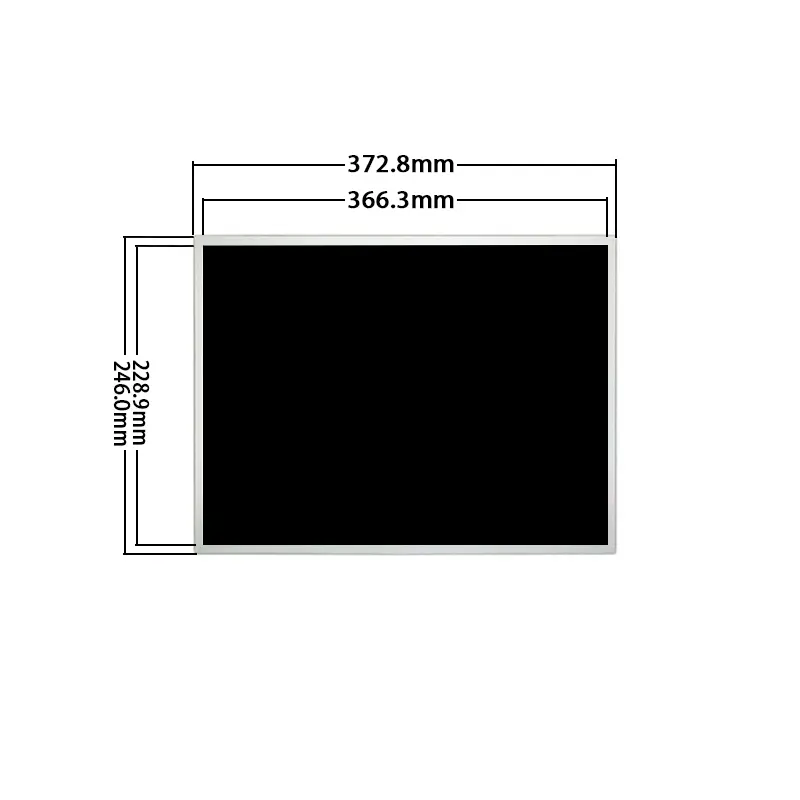
| Active Area | 366.34 × 228.96 mm |
| Outline Dimensions | 372.84 × 246.02 × 4.1 mm |
| Display Mode | IPS, normally black, transmissive |
| Input Voltage | 3.3V typical |
These specifications should be reviewed as a complete engineering set. The WQXGA resolution affects controller performance and content scaling, the eDP interface affects signal compatibility, the high brightness range affects thermal planning, and the thin outline affects enclosure structure. Sample testing should use the intended controller board, brightness configuration, front glass, and product housing.
Why Choose This 17 Inch WQXGA Sunlight Readable LCD Module?
This 17 inch WQXGA sunlight readable LCD module is a strong fit when a compact project needs high resolution, stronger ambient-light readability, and a modern eDP signal path.
17 Inch 2560×1600 WQXGA Resolution for Dense HMI and Public Information
A 17-inch WQXGA display gives product teams more usable visual detail than many standard industrial panels in similar sizes. The 2560 × 1600 format can support sharper fonts, multi-window dashboards, icons, route maps, graphical menus, monitoring data, and interface prompts. This is useful for passenger information systems, self-service kiosks, public information terminals, and industrial equipment where screen space must carry more data without moving to a much larger panel.
The 16:10 aspect ratio also gives a practical balance between width and height. For kiosk and terminal interfaces, the added vertical space can support instructions, status bars, content cards, or HMI controls in one screen layout. Buyers should confirm UI scaling and controller output before sample approval.
eDP 4-Lane Interface and Auto Brightness Control for Embedded Projects
The eDP 4-lane HBR1 interface makes this panel different from 17-inch LVDS modules already common in industrial replacement projects. For new embedded systems, eDP can be a suitable choice when the controller board supports the required timing, lane count, voltage, connector, and backlight-control design.
The built-in auto light sensor is useful when the display moves between different ambient lighting conditions. A kiosk or transportation terminal may face morning light, evening shade, indoor glare, and changing user environments. Automatic brightness adjustment can improve viewing comfort and may help manage heat and power use when full brightness is not required.
Display Performance of the High-Pixel-Density LCD Panel for Bright Environments
The display performance of this high-pixel-density LCD panel is centered on WQXGA resolution, sunlight-readable brightness, IPS wide viewing, rich color support, and auto brightness control.
1000-Nit-Class Sunlight Readability with Configurable Brightness Range
The product headline emphasizes 1000-nit sunlight-readable positioning, while the technical table lists 1000 to 5000 nits. For publication and procurement, the exact brightness configuration should be confirmed by selected version, sample, and project requirement. The important point for buyers is that the panel is positioned for brighter environments than standard indoor screens.
Brightness should be selected according to ambient light, cover glass, bonding method, enclosure heat, duty cycle, and viewing distance. Higher brightness is not automatically better if the housing cannot manage thermal load. For public terminals or outdoor-adjacent devices, sample testing should simulate real sunlight, shade, and enclosure conditions.
IPS Viewing, 1.07B Colors, and 98% DCI-P3 Color Support
The panel uses IPS normally black transmissive operation and lists 80/80/80/80 minimum viewing angles. This supports readable image presentation when users approach the screen from the side or view it above or below the central axis. Public terminals and transportation screens often need this because viewers rarely stand at a perfect straight-on position.
Color support is listed as 1.07B colors with 98% DCI-P3. That gives the panel a strong visual basis for detailed graphics, media-rich signage, route information, and high-quality interface design. Color performance should still be validated in the final front stack because cover glass, bonding, brightness, and ambient light can change perceived output.
Auto Light Sensor for Changing Kiosk and Transportation Conditions
Auto brightness control is a practical feature for equipment used across changing light conditions. The source describes an onboard light sensor that measures ambient light and adjusts image brightness accordingly. In a kiosk, public information terminal, or passenger display, this can help the screen remain comfortable and readable as lighting changes during the day.
For engineering validation, auto brightness behavior should be tested with the final enclosure and front glass. Sensor position, glass tint, bezel design, and software control can affect real-world performance.
Integration and Mounting Options for eDP Embedded LCD Panel Projects
eDP embedded LCD panel projects should start with controller compatibility, power design, mechanical fit, front-stack planning, and thermal validation.
eDP 4-Lane HBR1 Controller Board and Cable Planning
The panel uses eDP 4 lanes, HBR1 2.7G/lane signaling, and a 40-pin connector. Engineers should confirm eDP lane support, timing, connector orientation, cable length, shielding, grounding, power sequencing, and backlight control before sample approval. Because this is a high-resolution WQXGA panel, controller capability and signal integrity are especially important.
If the host system uses HDMI, MIPI, LVDS, or another interface, a driver board or conversion path may be required. Buyers should provide the host output, operating system, target content, brightness-control requirements, and mechanical drawing for feasibility review.
Slim 4.1 mm Structure, Enclosure Fit, and Cable Clearance
The outline size is 372.84 × 246.02 × 4.1 mm, and the active area is 366.34 × 228.96 mm. The thin 4.1 mm depth can help reduce product thickness, but it also requires careful handling and structural support. Engineers should review frame pressure, cable exit, connector access, mounting points, front opening, internal spacing, and serviceability.
Because the panel weight is listed as 2.85 kg typical and 3.00 kg maximum, mounting structure should not be treated as a small-panel design. The housing must support the panel securely while avoiding pressure on the active display area.
Power, Heat, and Brightness Configuration Review
The panel uses 3.3V typical input, and brightness configuration should be reviewed with thermal performance. High-brightness displays can generate more heat, especially inside sealed or compact housings. A project evaluation should include brightness level, backlight control, ambient temperature, ventilation, heat spreading, and front glass.
For long-duty systems, the source page describes 24-hour, 365-day non-stop display support and states long-life operation in its product copy. Final reliability should still be validated under actual operating conditions rather than assumed from marketing language alone.
Recommended Applications for Kiosk and Transportation Display Systems
Kiosk and transportation display systems benefit from this panel when high detail, bright-environment readability, and eDP integration are required in a 17-inch module.
Passenger Information Systems with Dense Route and Status Content
Passenger information displays often need to show route data, service status, schedules, alerts, maps, and icons in one screen. WQXGA resolution gives enough detail for content-rich layouts, while sunlight-readable brightness supports terminals placed in stations, platforms, vehicles, or bright public environments. The wide viewing performance helps users read information from different positions.
Outdoor-Adjacent Kiosks and Public Information Terminals
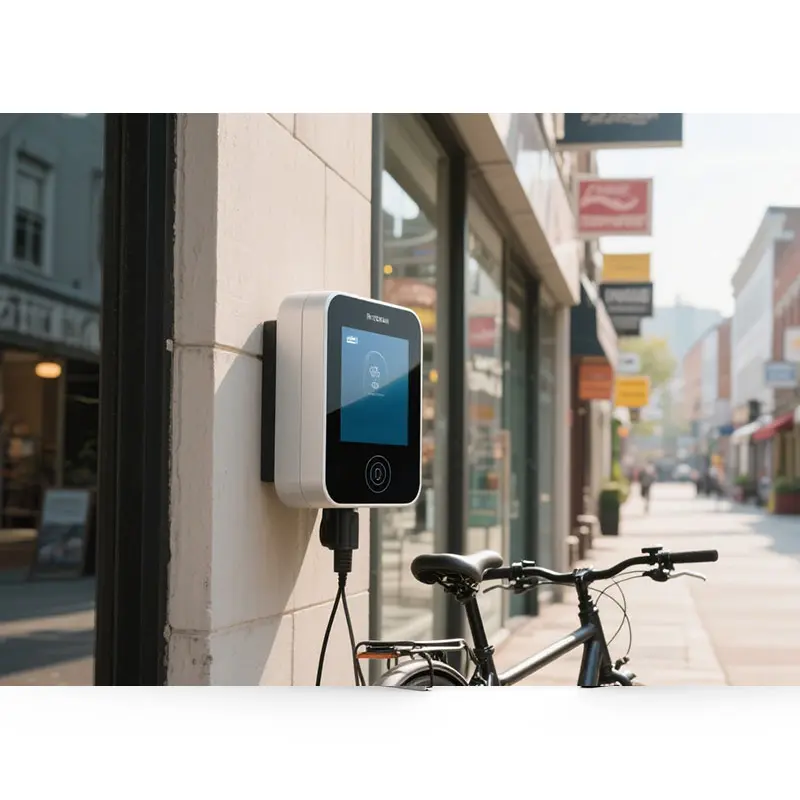
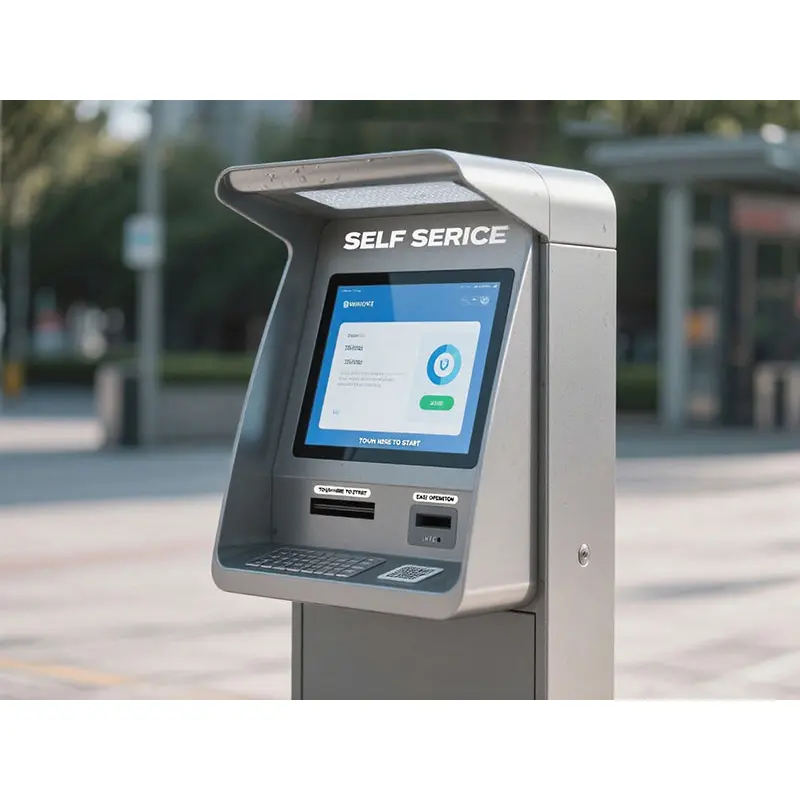
Self-service kiosks, public information terminals, and EV charging kiosks may face changing sunlight, shade, and indoor-outdoor transition lighting. The panel’s brightness range, auto light sensor, and IPS viewing make it suitable for evaluation in these applications. A finished kiosk should still include suitable cover glass, sealing, thermal design, and environmental protection.
Industrial Control Panels Requiring High-Resolution Monitoring
Industrial control systems can use this panel when operators need sharper dashboards, equipment diagrams, camera views, charts, or detailed status data. The 17-inch size gives a practical display area, while the WQXGA pixel density supports dense information. The eDP interface should be checked against the controller platform early in the design stage.
Fuel Dispenser and EV Charging Display Equipment
Fuel dispenser displays and EV charging terminals often need to show instructions, pricing, status, payment prompts, advertising content, and service messages. A 17-inch sunlight-readable panel gives enough size for public interaction while preserving a component-level structure for custom enclosure design. Touch, cover glass, bonding, and protective housing should be evaluated according to the final equipment use case.
Customization Options for 17 Inch LCD Panel Projects
Customization for 17 inch LCD panel projects can include brightness version selection, auto-light-sensor behavior review, cover glass, anti-glare or anti-reflective treatment, optical bonding, touch panel integration, housing design, eDP cable customization, controller-board matching, mounting review, and IP-rated enclosure evaluation. These should be treated as project-level engineering options rather than default panel specifications.
For kiosk and transportation equipment, customization should begin with viewing environment, target brightness, interface output, enclosure size, operating schedule, front-glass design, and user interaction method. If the product will be exposed to public use, outdoor-adjacent conditions, vibration, or temperature variation, the finished system should be validated with the final housing and selected brightness configuration.
Procurement and Engineering Checklist for 17 Inch LCD Panel Selection
A reliable procurement decision should confirm optical, electrical, mechanical, and environmental requirements before approving this high-resolution eDP panel.
- Confirm whether the project needs no touch, external buttons, separate touch, or bonded cover glass.
- Match 2560 × 1600 WQXGA output with the controller board, GPU, operating system, and UI scaling.
- Confirm eDP 4-lane HBR1 support, 40-pin connector compatibility, cable length, and signal integrity.
- Select brightness according to ambient light, cover glass, duty cycle, enclosure heat, and viewing distance.
- Review active area, outline dimensions, thickness, connector position, mounting structure, and service access.
- Validate auto-light-sensor behavior with the final bezel, cover glass, and system software.
- Check 3.3V power design, backlight control, power sequencing, and thermal dissipation.
- Test samples under real application conditions before approving bulk production.
Brightness / eDP / Mounting Selection Guide for 17 Inch Display Panels
For indoor high-ambient-light terminals, the 1000-nit-class configuration may be appropriate. For brighter outdoor-adjacent systems, higher brightness configurations should be confirmed by sample and thermal testing. eDP selection should begin with controller support for WQXGA timing and 4-lane HBR1 signaling. Mounting review should include the 4.1 mm module depth, 2.85–3.00 kg panel weight, cable access, front glass, and mechanical support.
FAQ
About 17 Inch eDP Sunlight Readable LCD Panel Projects
What is a 17 Inch eDP Sunlight Readable LCD Panel used for?
What resolution does this 17-inch panel support?
How bright is this LCD panel?
Does the display include touch?
What interface does this panel use?
Why is WQXGA useful for kiosk and transportation displays?
Can this panel be used outdoors?
What should engineers check before sample approval?
What operating temperature should be used for design review?
What information should buyers provide for quotation?
Freya Yang
+86 18318948097