Freya Yang
+86 18318948097
+852 62667476
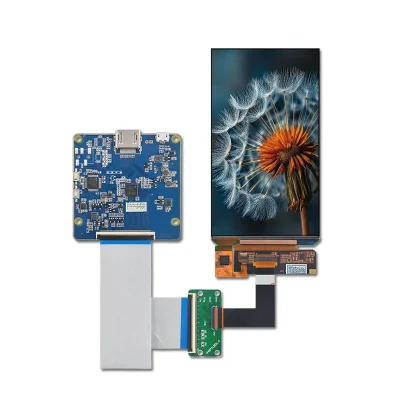
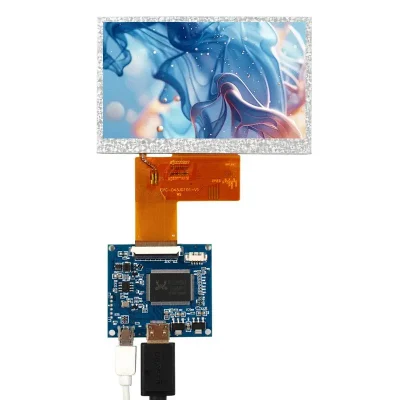
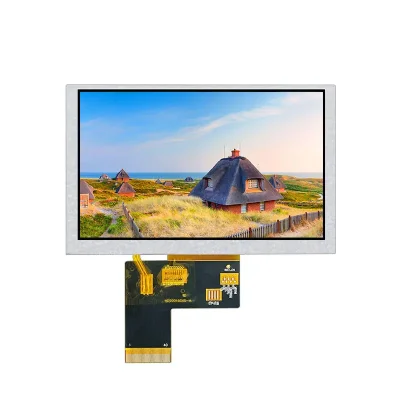
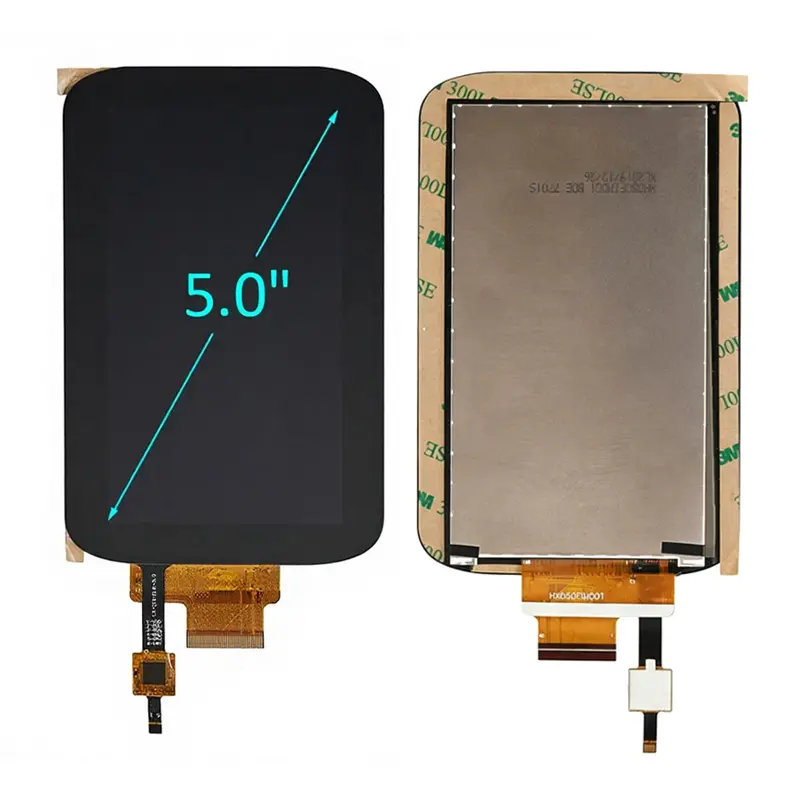
Portable Device Touchscreen Module 5 inch 480×854 MIPI DSI Handhelds IPS PCAP display
Model P/N
Size
Resolution
Brightness
Viewing Angle
Connector Type
Operating Temp
Overall(mm)
huisoar
HS050R12FM45-T00
Brand
Panel Size (inch)
Model P/N
Resolution
Brightness (nits)
Viewing Angle
Contrast Ratio
Response Time
Overall (mm)
Active Area (mm)
Refresh Rate
Display Colors
Panel Type
Connector Type
Operating Temp
Touchscreen Type
Storage Temp
Work Mode
Pixel Format
Input Voltage (V)
Touch Interface
Control Type
Weight (g)
Designed For
5-Inch 480×854 IPS PCAP Display with ST7701S and GT911 I2C Touch
A Portable Device Touchscreen Module is a 5-inch portrait IPS TFT LCD with MIPI DSI 4-lane display input and GT911 I2C capacitive touch for handheld devices, smart controllers, industrial handhelds, and compact medical terminals. It combines 480×854 resolution, 450 cd/m² luminance, ST7701S driver support, 40-pin FPC integration, G+G 5-point touch, and -20°C to +70°C operation.
At a Glance: 5-Inch MIPI DSI PCAP Module Highlights
- 5.0-inch portrait display format supports handheld and portable device UI layouts.
- 480×854 resolution gives more vertical content space than many compact landscape panels.
- IPS normally black transmissive TFT structure supports wide viewing behavior.
- MIPI DSI 4-lane interface fits modern embedded processor platforms.
- ST7701S display driver is specified for LCD control bring-up.
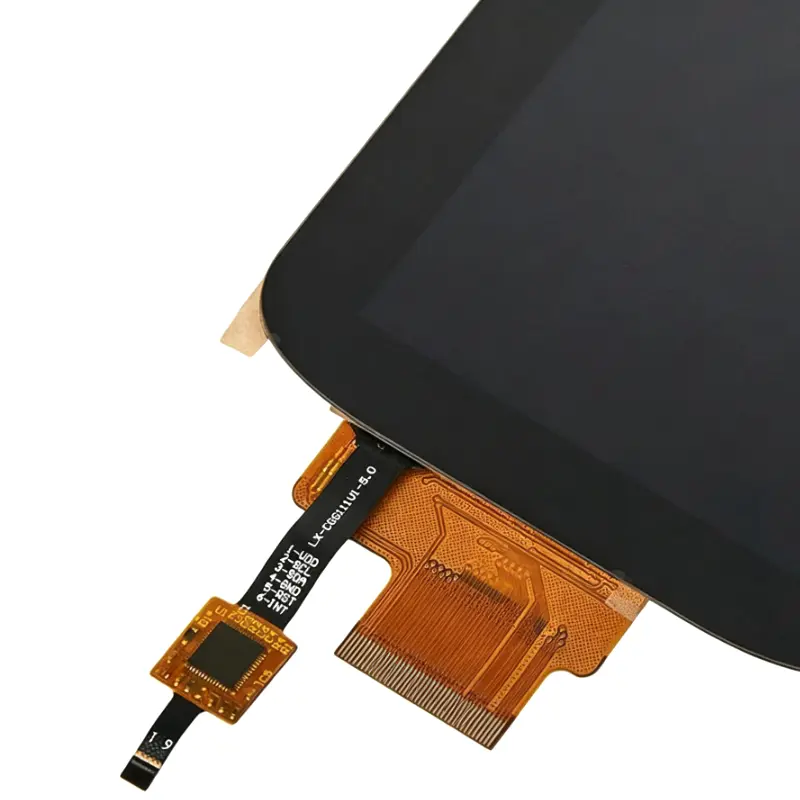
- GT911 touch IC with I2C interface supports 5-point projected capacitive touch.
- G+G touch structure, ≥85% transparency, and ≥6H hardness support clear and durable interaction.
Product Overview of the Portable Device Touchscreen Module
The Portable Device Touchscreen Module is designed for equipment that needs a compact vertical display with responsive touch control. Its 5-inch size and 480×854 portrait resolution make it suitable for handheld terminals, smart controllers, medical instruments, IoT devices, smart home panels, and compact industrial equipment.
Unlike a simple LCD panel, this module integrates a projected capacitive touch screen with a defined GT911 I2C touch path. That helps product teams evaluate display and touch behavior together during hardware development, firmware testing, enclosure design, and sample validation.
The MIPI DSI 4-lane interface is a key engineering value. It is commonly used in compact embedded systems where the display host needs high-speed serial communication instead of a wider RGB parallel bus. For OEM teams, this can simplify connector routing and reduce board-space pressure when matched with a compatible processor or display bridge.
Key Features of the Portable Device Touchscreen Module
| Feature | B2B Value |
|---|---|
| 5.0-inch portrait format | Fits handheld housings, smart controllers, and compact vertical interfaces. |
| 480×854 resolution | Supports icons, menus, status panels, and scrollable UI layouts. |
| IPS viewing behavior | Helps maintain readability when the device is tilted or handheld. |
| 450 cd/m² typical luminance | Supports indoor and general portable-device viewing conditions. |
| MIPI DSI 4-lane interface | Matches many modern embedded display-controller architectures. |
| ST7701S driver IC | Provides a confirmed driver point for display bring-up review. |
| GT911 I2C touch IC | Gives a defined projected capacitive touch communication path. |
| 5 touch points | Supports tap, swipe, and basic multi-touch interaction. |
| G+G touch structure | Supports a durable capacitive touch stack for frequent operation. |
| -20°C to +70°C operation | Fits many industrial, handheld, and portable equipment environments. |
Technical Specifications of the 5-Inch IPS PCAP MIPI Display
| Specification | Confirmed Value |
|---|---|
| Display Size | 5.0 inch |
| Resolution | 480 × 854 / 480 × RGB × 854 |
| LCD Type | IPS, normally black, transmissive TFT |
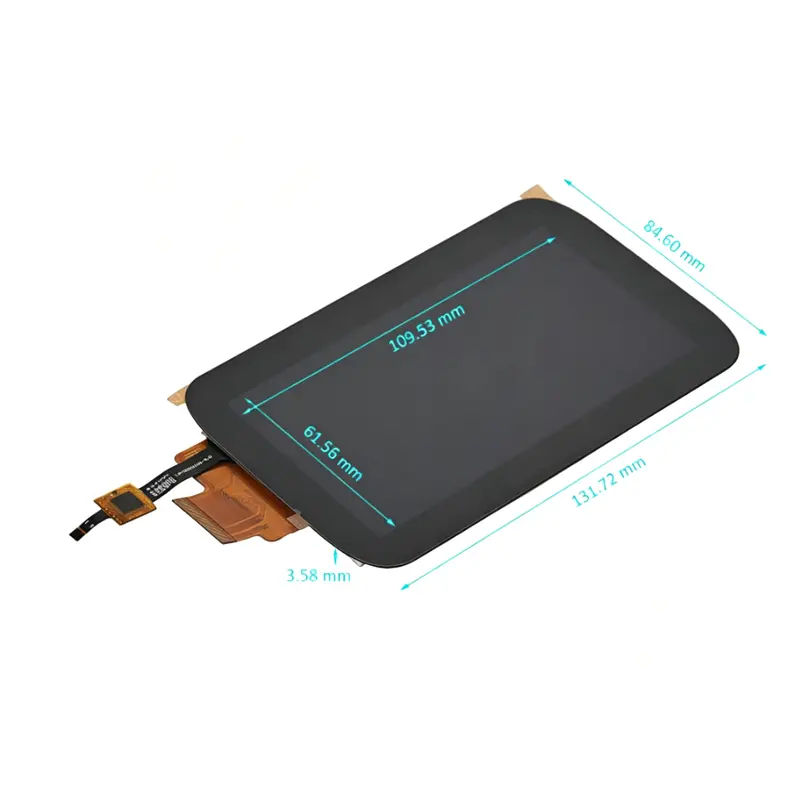
| Active Area | 61.56 × 109.53 mm |
| LCM Module Size | 66.4 × 120.05 × 2.1 mm |
| Brightness | 450 cd/m² typical |
| Contrast Ratio | 400:1 typical |
| Viewing Angle | 85/85/85/85 typical |
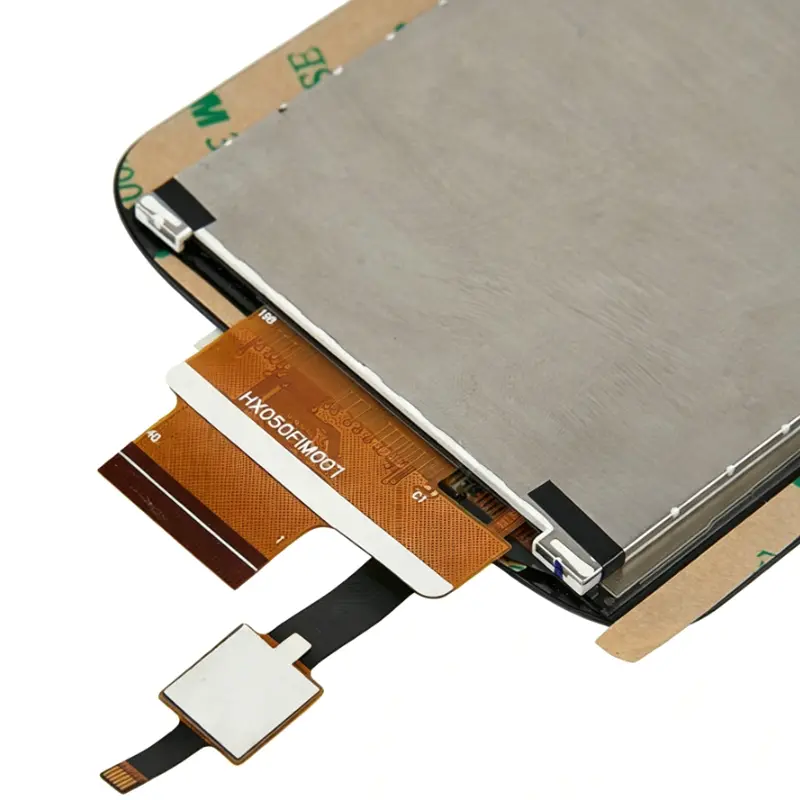
| Display Interface | MIPI DSI 4 lanes, FPC 40 pins |
| Driver IC | ST7701S |
| Touch Type | Projected capacitive touch screen |
| Touch IC | GT911 |
| Touch Interface | I2C |
| Touch Points | 5 points |
| Operating Temperature | -20°C ~ +70°C |
| Storage Temperature | -30°C ~ +80°C |
This public specification table uses confirmed high-value parameters only. For final mechanical design, verify the touch outline, view area, FPC position, cover lens border, connector direction, adhesive stack, and full drawing before tooling.
Why Choose This 5-Inch Portrait Module for Handheld Devices?
Portrait UI Space for Portable Terminals
Handheld products often need vertical screens for menu lists, status data, function buttons, and user prompts. The 480×854 layout supports a phone-like portrait interface without moving into a larger display class. This makes the module useful for compact terminals where enclosure size, battery space, grip comfort, and front-panel area are limited.
IPS Viewing for Tilted Operation
Portable equipment is rarely viewed from one fixed angle. Operators may hold the device in one hand, place it on a bench, mount it on a bracket, or use it while moving. The IPS viewing specification helps the interface remain readable when the screen is tilted or viewed from the side.
PCAP Touch for Modern Controls
The GT911 I2C projected capacitive touch path supports finger-based interaction for smart controllers and handheld devices. The touch panel uses a G+G structure, ≥85% transparency, and ≥6H surface hardness, giving the Portable Device Touchscreen Module a practical balance of visibility, durability, and touch usability.
MIPI DSI 4-Lane Integration and ST7701S Bring-Up
The late-middle engineering focus is MIPI DSI integration. The display uses MIPI 4 lanes through a 40-pin FPC, so host compatibility must be checked before PCB layout. Teams should confirm lane configuration, initialization commands, timing parameters, voltage rails, FPC pinout, connector orientation, reset behavior, and the ST7701S driver setup.
The touch side should be reviewed separately. GT911 touch communication uses I2C, so firmware teams need to confirm the I2C address, reset pin, interrupt pin, touch coordinate mapping, and multi-touch reporting. For a compact Portable Device Touchscreen Module, successful integration depends on both display bring-up and touch firmware stability.
Display Performance for 450 cd/m² Portable Use
The 450 cd/m² typical brightness is suitable for many indoor handheld devices, smart controllers, medical terminals, and industrial portable interfaces. It should not be described as outdoor sunlight readable without project testing. If the target product will be used in stronger ambient light, the buyer should request brightness review, cover-glass evaluation, anti-glare discussion, and real-environment sample testing.
The 400:1 typical contrast and normally black IPS display mode support clear menu rendering, but final readability still depends on UI colors, font size, cover lens, bonding method, backlight drive, and installation angle.
Recommended Applications for Portable and Embedded Systems
Handheld Terminals and Smart Controllers
This module is suitable for handheld products that need a portrait touch screen for menu navigation, device status, control settings, and workflow prompts. The 5-inch size keeps the interface compact while still giving enough space for readable content.
Industrial Portable Equipment
Industrial handhelds, test instruments, and control tools can use the module for local settings, alarms, data display, and touch operation. Designers should validate the enclosure stack, connector protection, temperature range, and touch response under actual use conditions.
Medical and Diagnostic Devices
Portable medical instruments can use the display for readings, prompts, mode selection, and operator interaction. Final products should verify cleaning method, cover lens, touch sensitivity, and regulatory requirements separately.
Smart Home and IoT Panels
Smart home controllers and IoT terminals can use the module for icons, scheduling pages, status dashboards, and simple control interfaces. The MIPI DSI interface should be matched with the selected host processor early in the design cycle.
Customization Options for 5-Inch MIPI Touch Projects
Project evaluation can include FPC and interface design, MIPI DSI lane and timing review, ST7701S bring-up support, GT911 I2C touch tuning, backlight type and brightness adjustment, PCAP stack review, cover glass, bonding, mechanical drawing adaptation, packaging, sample validation, and controller-board support. Customization should be based on the final UI layout, processor interface, enclosure structure, brightness environment, touch expectations, and quantity plan.
Procurement and Engineering Checklist
- Confirm the 480×854 portrait UI layout with real fonts, icons, menus, and touch-button spacing.
- Verify MIPI DSI 4-lane host support, initialization requirements, and 40-pin FPC pinout.
- Confirm ST7701S driver setup, reset timing, power sequence, and display command requirements.
- Validate GT911 I2C touch routing, interrupt/reset pins, firmware mapping, and 5-point touch behavior.
- Check active area, touch view area, LCM size, touch outline, cover lens, and adhesive border.
- Review brightness requirements against real ambient light and cover-glass structure.
- Confirm backlight drive data, including 12-chip WLEDs and 19.2V/40mA specification.
- Approve samples under actual enclosure, touch, thermal, and operating-temperature conditions.
FAQ
About Portable Device Touchscreen Module Integration
Is this Portable Device Touchscreen Module a finished handheld display assembly?
What interface does the display use?
What touch controller is used?
Is this module suitable for outdoor sunlight use?
What makes this module different from a 5-inch RGB HMI display?
Which applications are the best fit?
What should be confirmed before mass production?
Freya Yang
+86 18318948097