
~
~
~
~
~
~
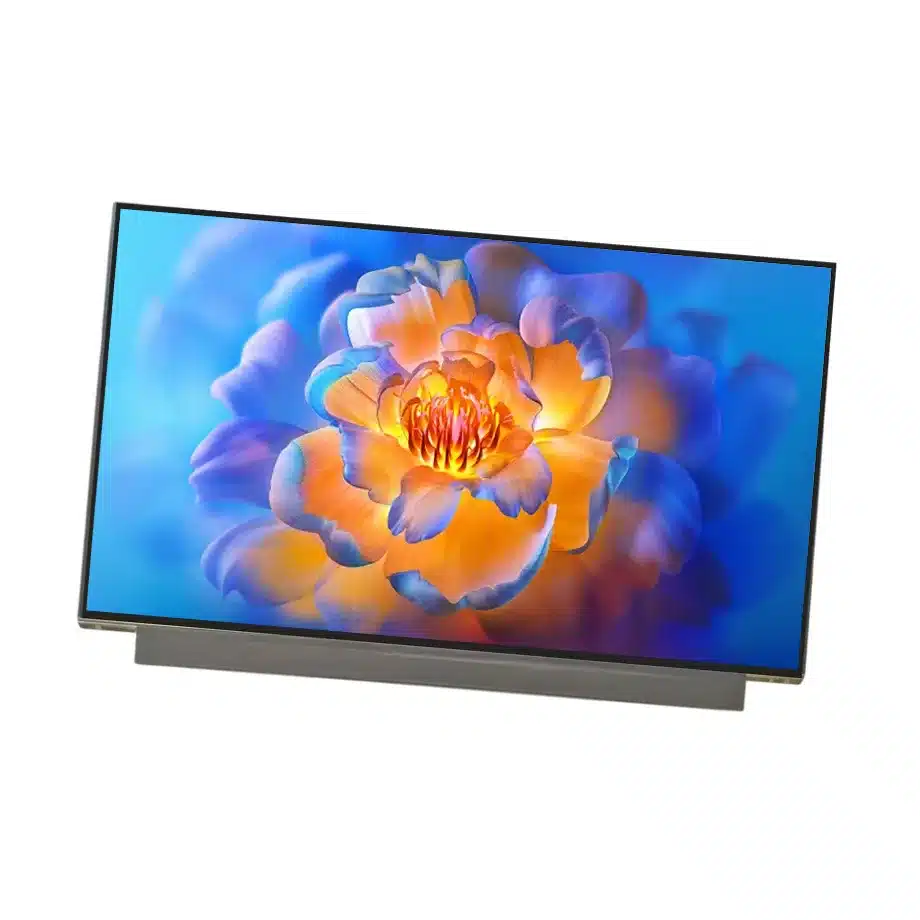
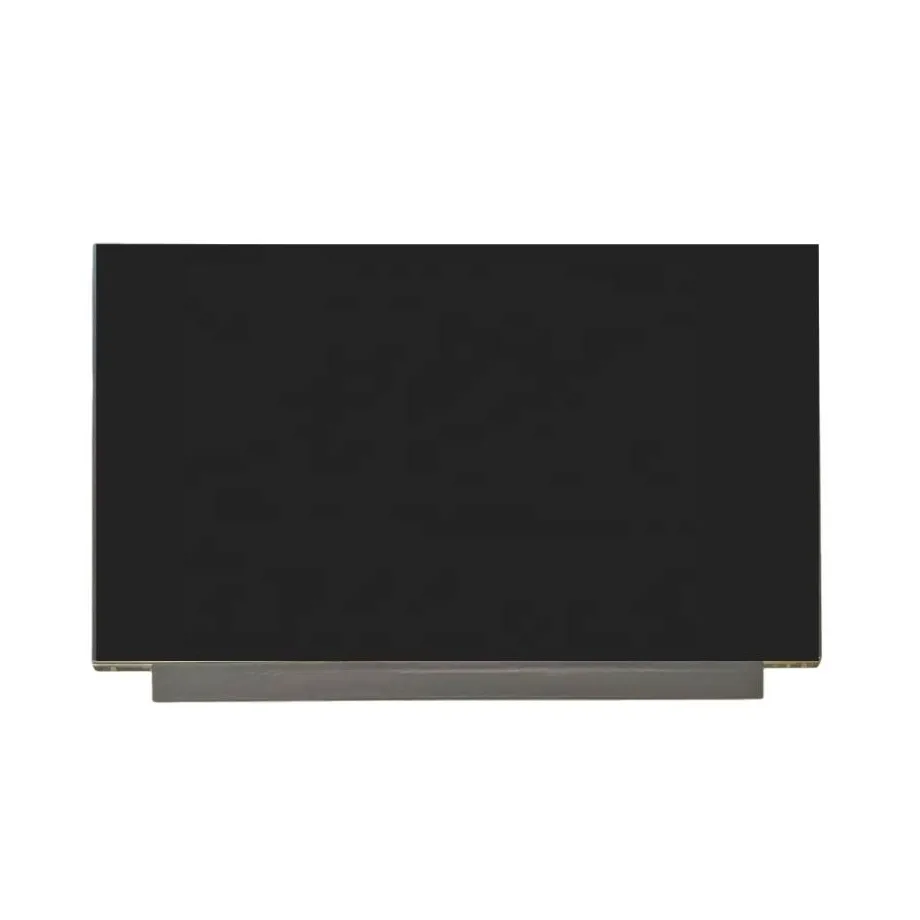
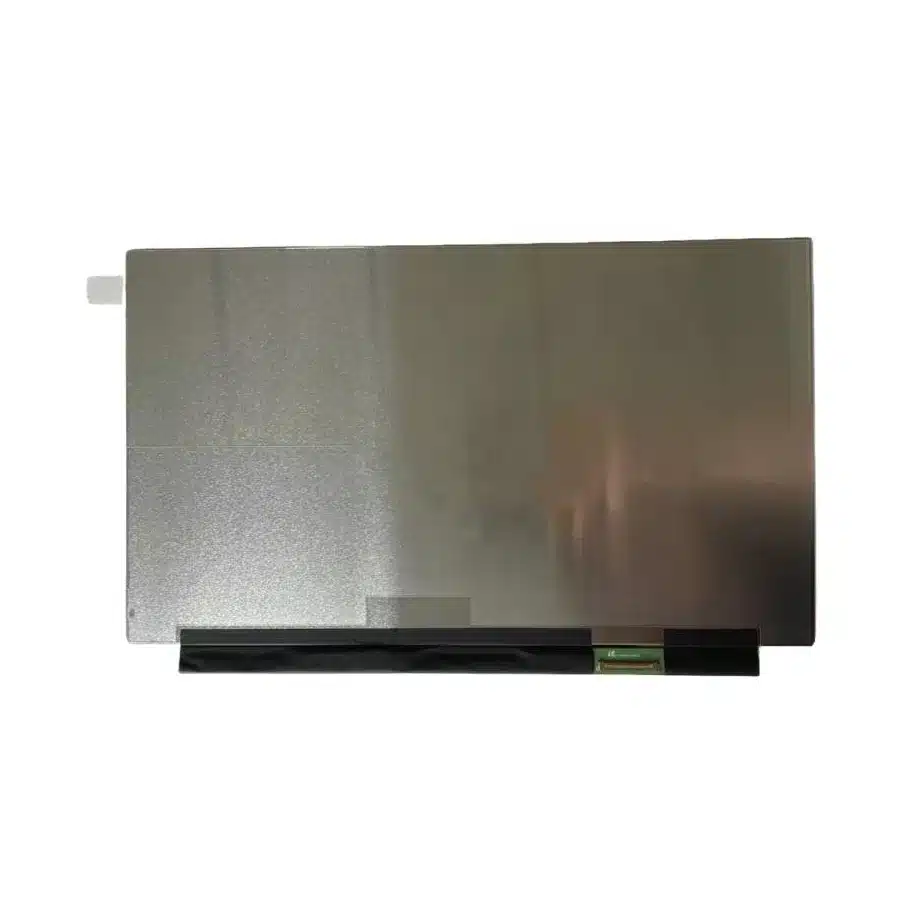
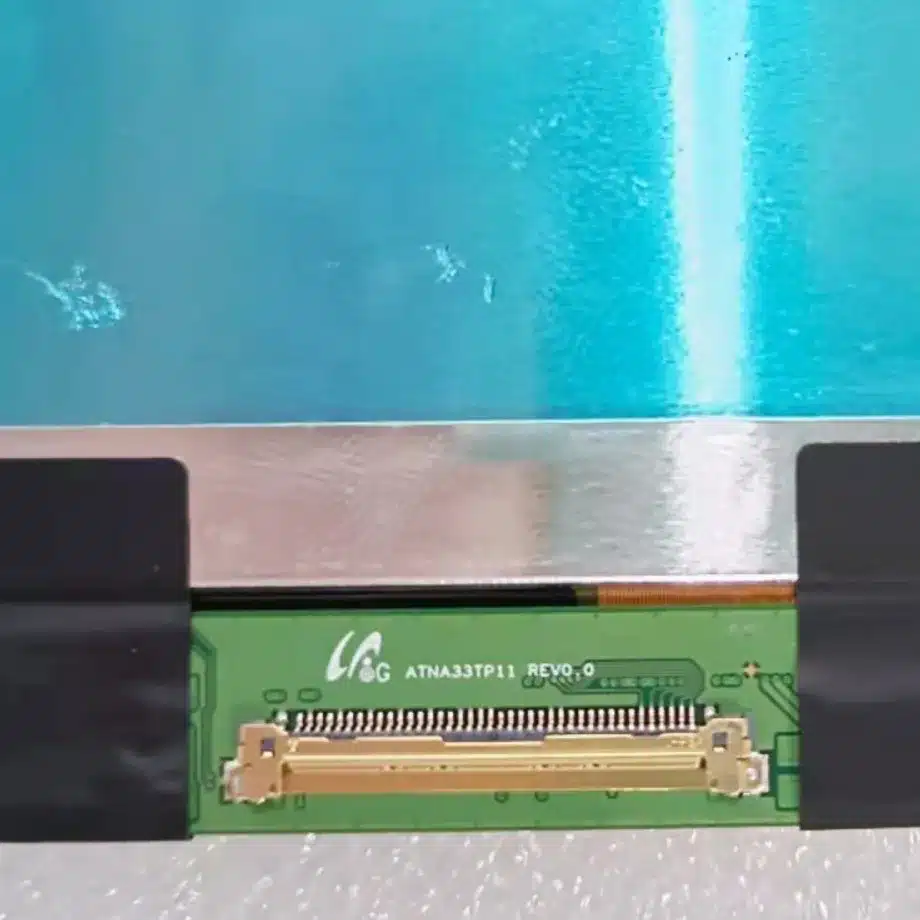
ATNA33TP01 DCI-P3 UHD AMOLED Panel Wide-Gamut Samsung
Model P/N
Size
Resolution
Brightness
Viewing Angle
Connector Type
Operating Temp
Overall(mm)
samsung
ATNA33TP01
Brand
Panel Size (inch)
Model P/N
Resolution
Brightness (nits)
Viewing Angle
Contrast Ratio
Response Time
Overall (mm)
Active Area (mm)
Refresh Rate
Display Colors
Panel Type
Connector Type
Surface Treatment
Operating Temp
Touchscreen Type
Storage Temp
Work Mode
Pixel Format
Input Voltage (V)
Designed For
Product Details
ATNA33TP01 DCI-P3 UHD AMOLED Panel is a 13.3-inch Samsung self-emissive display module aimed at notebook-class integration. Its approved facts combine a 3840×2160 UHD pixel format, 400 cd/m² typical luminance, 100% DCI-P3 wording, 1.07 billion colors, and a four-lane eDP 1.4b HBR2 interface. That specification set makes the panel relevant when a buyer needs high pixel density and wide-gamut OLED characteristics, but it should still be qualified as a component: the host, mechanical stack, power rails, cable, firmware, and system color-management path determine the final device behavior.
The module is explicitly described without touch. Its 3.3/10 V VDD/VBAT supply wording also deserves attention because it is not equivalent to a simple single-rail LCD replacement. Procurement teams should preserve the exact model identity and obtain the model-specific documentation required for power sequencing and connector mapping before committing to a replacement program.
Three buyer value propositions for this 13.3-inch OLED
UHD density for compact notebook layouts
With 3840×2160 pixels across a 13.3-inch diagonal, the panel offers a dense native desktop and a conventional 16:9 geometry. That can support detailed text, graphics, and media workflows when the host operating system and GPU are configured appropriately. The qualification boundary is scaling: panel resolution does not guarantee that every application renders comfortably at native scale, so UI scaling and graphics-performance targets remain system decisions.
Wide-gamut evidence without inventing a certification
The approved color wording is 1.07B and 100% DCI-P3. For buyers comparing notebook display options, those figures provide a meaningful target for wide-gamut content. They do not establish factory calibration accuracy, Pantone validation, HDR certification, or a specific Delta-E result for ATNA33TP01. Projects with color-critical requirements should define measurement conditions and verify production samples rather than converting gamut coverage into an unsupported calibration claim.
A documented eDP route for host-side planning
The signal interface is eDP with four lanes, eDP 1.4b, HBR2 at 5.4 Gbit/s per lane, and a 40-pin 0.5 mm connector. This gives system engineers a concrete starting point for cable and link-budget work. Compatibility still requires the exact pin assignment, native timing, AUX behavior, power sequence, and connector orientation. The interface label alone does not prove that another 40-pin eDP cable or board is interchangeable.
Key Specifications at a Glance
| Specification | Approved value |
|---|---|
| Manufacturer / Model | Samsung ATNA33TP01 |
| Display type | AM-OLED, OLED (Full Module) |
| Diagonal size | 13.3 inch |
| Native resolution | 3840(RGB)×2160, UHD, 16:9 |
| Active area | 293.76×165.24 mm (H×V) |
| Outline | Confirm from drawing before mechanical release |
| Brightness | 400 cd/m² (Typ.) |
| Contrast ratio | 100000:1 (Typ.) |
| Viewing angle | 85/85/85/85 (Typ.)(CR≥10) |
| Response time | 1 ms (Typ.)(Tr+Td) |
| Color | 1.07B, 100% DCI-P3 |
| Refresh rate | 60 Hz |
| Native interface | eDP (4 Lanes), eDP1.4b, HBR2 5.4 Gbit/s/lane, 40-pin 0.5 mm connector |
| Panel supply | 3.3/10 V (Typ.)(VDD/VBAT) |
| Operating temperature | -20 ~ 70 °C |
| Storage temperature | -40 ~ 85 °C |
| Touch | Without touch screen |
Why does power architecture matter on this OLED module?
ATNA33TP01 lists 3.3/10 V typical supply rails identified as VDD/VBAT. That is materially different from assuming a single 3.3 V notebook-panel rail. The host design should be reviewed for rail generation, enable order, inrush behavior, sequencing, protection, and connector allocation using the model-specific electrical documentation. A generic eDP controller does not automatically provide the required OLED power architecture.
Self-emissive OLED also removes the conventional WLED backlight subsystem found in an LCD module, but that simplification should not be translated into an unsupported total-power claim. Image content, panel drive conditions, brightness setting, host graphics load, and power-management logic all influence system consumption. Buyers comparing an LCD design with this OLED should request comparable measurement conditions rather than relying on technology-level assumptions.
For standards context, VESA's VESA eDP 1.4b overview explains eDP 1.4b as an embedded display interface for mobile computing equipment. It is useful for understanding the host-panel link framework, while the exact Samsung panel specification remains the authority for ATNA33TP01 pinout and electrical limits.
How should optical performance be interpreted?
ATNA33TP01 DCI-P3 UHD AMOLED Panel carries a 400 cd/m² typical luminance value, a 100000:1 typical contrast-ratio figure, and symmetric 85-degree viewing-angle values at CR≥10. Because OLED pixels emit light directly, the module does not have a separate backlight source. The approved values can guide display selection, yet they should not be expanded into claims about minimum full-screen brightness, sunlight readability, HDR peak luminance, black-level certification, burn-in behavior, or lifetime unless model-specific evidence is available.
The supplied surface is glare with Haze 0%. In a finished notebook, cover materials, touchscreen layers if separately added, anti-reflection treatments, air gaps, and enclosure geometry can change reflections and perceived contrast. If the end product is expected to work under strong ambient light, verify it in the actual optical stack instead of treating the OLED technology name as proof of outdoor readability.
Samsung Display publishes broader information about OLED notebook technology and its use across mobile IT. The Samsung Display OLED laptop portfolio provides manufacturer context for OLED notebook applications. It should be read as technology and market background, not as permission to assign every portfolio-level feature or certification to this exact model.
When is the ATNA33TP01 DCI-P3 UHD AMOLED Panel appropriate for a replacement program?
It is strongest as an exact-model replacement or as a new-design candidate where the project can accommodate the 13.3-inch UHD OLED format and its specific eDP/power architecture. The active area is 293.76 × 165.24 mm, but the supplied evidence does not establish a final outline dimension for this exact model. That gap matters. Before releasing mechanical drawings or purchasing volume, obtain and compare the exact mechanical drawing rather than borrowing dimensions from a related ATNA33TP series panel.
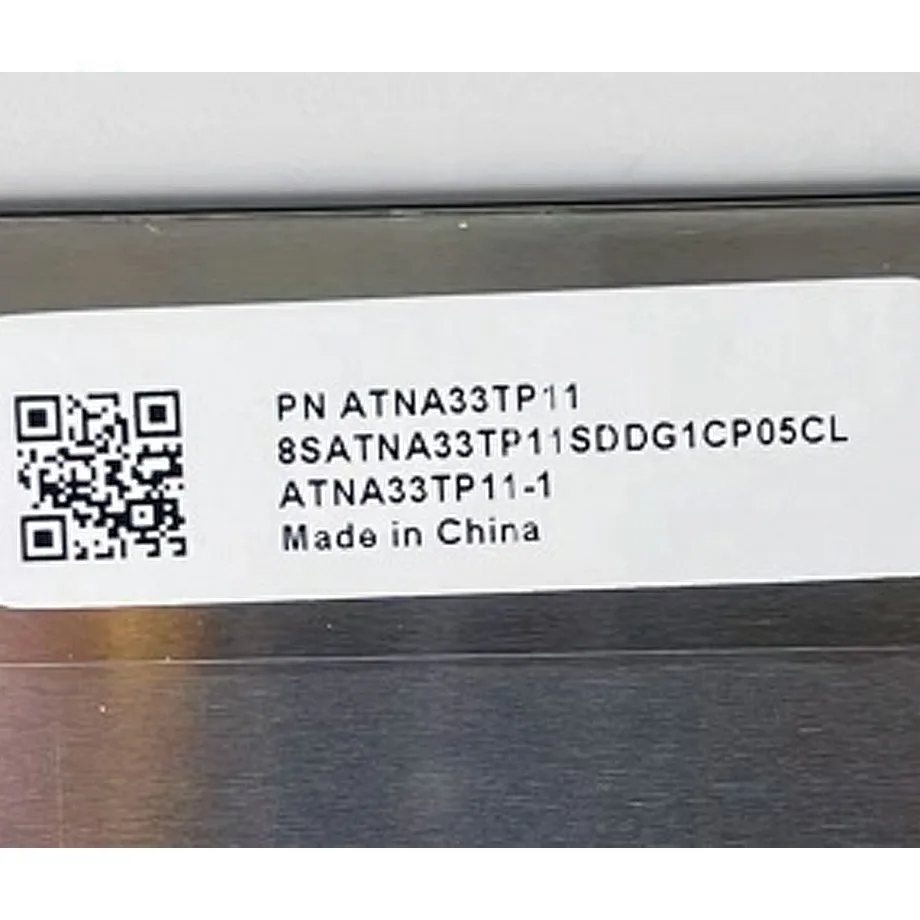
This is also where model isolation matters: similar ATNA33TP series displays may share diagonal, resolution, or interface descriptions, but family similarity is not evidence that outline size, touch function, firmware behavior, connector orientation, or electrical details are identical. The product-selection process should keep ATNA33TP01 separate from ATNA33TP10 or ATNA33TP11 unless a controlled cross-reference has been validated.
ATNA33TP01 DCI-P3 UHD AMOLED Panel is described for laptop use. Same-model public listings keep the application within notebook-class equipment, and no evidence used here establishes medical, automotive, rugged, military, or outdoor-high-brightness qualification. If a project has those requirements, they should be treated as new qualification criteria rather than assumed from the wide operating-temperature figures.
What should an engineer verify before sample power-on?
- Use the exact ATNA33TP01 connector drawing and pin assignment, not a same-series substitute.
- Confirm the host supports 3840×2160 native timing over the specified four-lane HBR2 eDP link.
- Validate both VDD and VBAT supply requirements, sequencing, current limits, and protection.
- Check the physical panel outline, connector position, cable reach, mounting strategy, and lid clearances.
- Verify system scaling, color-management requirements, and the actual optical stack.
- Confirm that no touch interface is expected from the panel because the approved configuration is without touch.
- Review the -20 to 70 °C operating range and -40 to 85 °C storage range against the real product environment without inferring a vertical certification.
Procurement questions that prevent a false match
Ask the supplier to confirm manufacturer, full model number, revision or suffix where applicable, physical condition, and access to the correct specification. For a service replacement, capture the original screen ID, host model, cable part number, connector photographs, and any firmware or EDID dependencies. For a new design, add target annual volume, sample quantity, planned build schedule, and the engineering documents required for approval. These questions make the purchase discussion about a controlled component identity rather than a generic “13.3-inch 4K OLED.”
Do not convert a current stock listing into a long-term supply promise. Availability, last-time-buy status, change notification, and production continuity require separate supplier or manufacturer evidence. The same rule applies to pricing, MOQ, and lead time: unless they are supplied for the current transaction, they should remain commercial RFQ items rather than page claims.
Document control before purchase release
A compact OLED module can be difficult to qualify from catalog data alone, so keep a controlled document pack for the exact ATNA33TP01 revision. The pack should include the mechanical drawing, connector definition, electrical characteristics, timing tables, power-sequence requirements, environmental limits, and the sample-inspection record. Record which values came from the current product evidence and which items remain to be confirmed. This is especially important when a supplier proposes a same-series substitute: shared resolution or diagonal does not authorize copying outline, touch, pinout, or power information from ATNA33TP10/11. Procurement can then issue a purchase specification that names the exact approved configuration and routes any deviation back through engineering review.
Quick engineering answers
Samsung ATNA33TP01 is a 13.3-inch AM-OLED full module with 3840×2160 native resolution, 400 cd/m² typical luminance, and 100% DCI-P3 wording.
The module uses four-lane eDP 1.4b HBR2 through a 40-pin 0.5 mm connector, so exact pinout and host timing must be checked before substitution.
ATNA33TP01 DCI-P3 UHD AMOLED Panel is specified without a touchscreen, and touch capability should not be inferred from another ATNA33TP-series model or a finished notebook configuration.
The -20 to 70 °C operating range is an environmental limit for the panel and is not evidence of automotive, medical, or industrial qualification.
For a qualification request, provide the original panel identity or target system, connector and cable information, mechanical envelope, color and brightness targets, sample quantity, and project timing. ATNA33TP01 DCI-P3 UHD AMOLED Panel can then be evaluated against a defined host and optical stack instead of being selected from resolution and OLED technology alone.
Recommended: Same Size
(13.3")
Applications & Value of LCD Panel

- Fast sourcing with in-stock panels & cross-reference alternatives
- Stable supply chain with long-term availability
- Engineering-level support from panel to integration
- Custom solutions: cable, touch & optical bonding
- Strict quality control with IQC / OQC / aging test
- Full traceability system for quality assurance
- Complete technical documentation & drawings
- Compliance support: RoHS & certification files
