
~
~
~
~
~
~
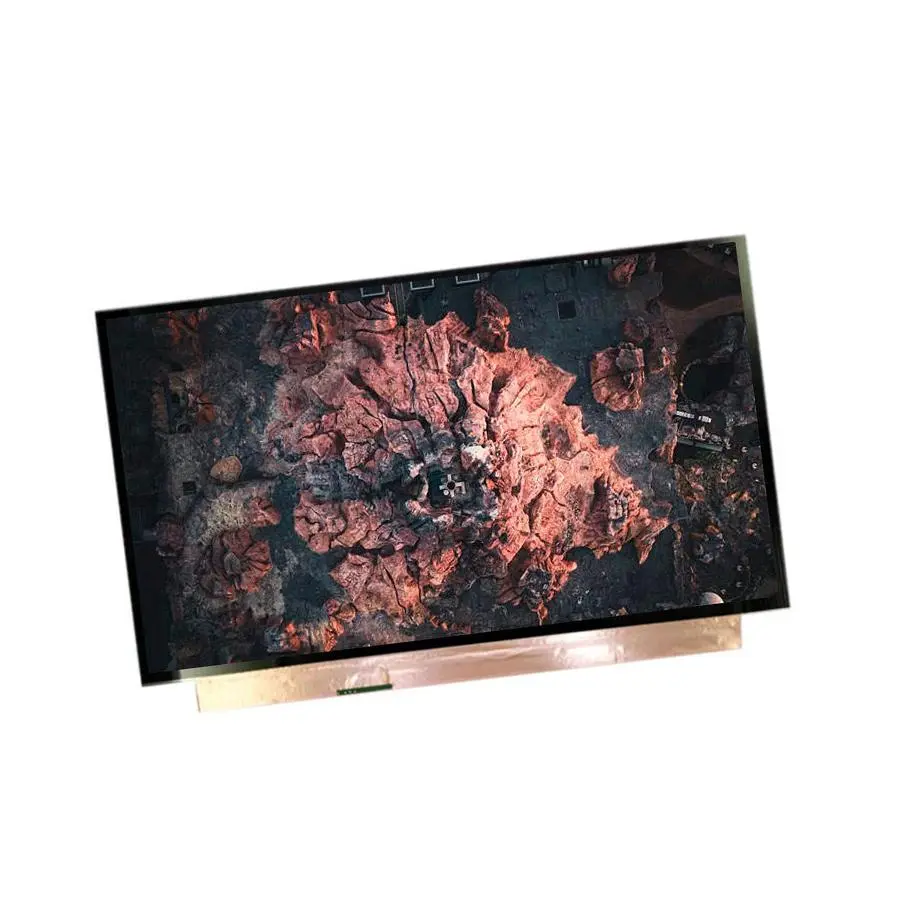
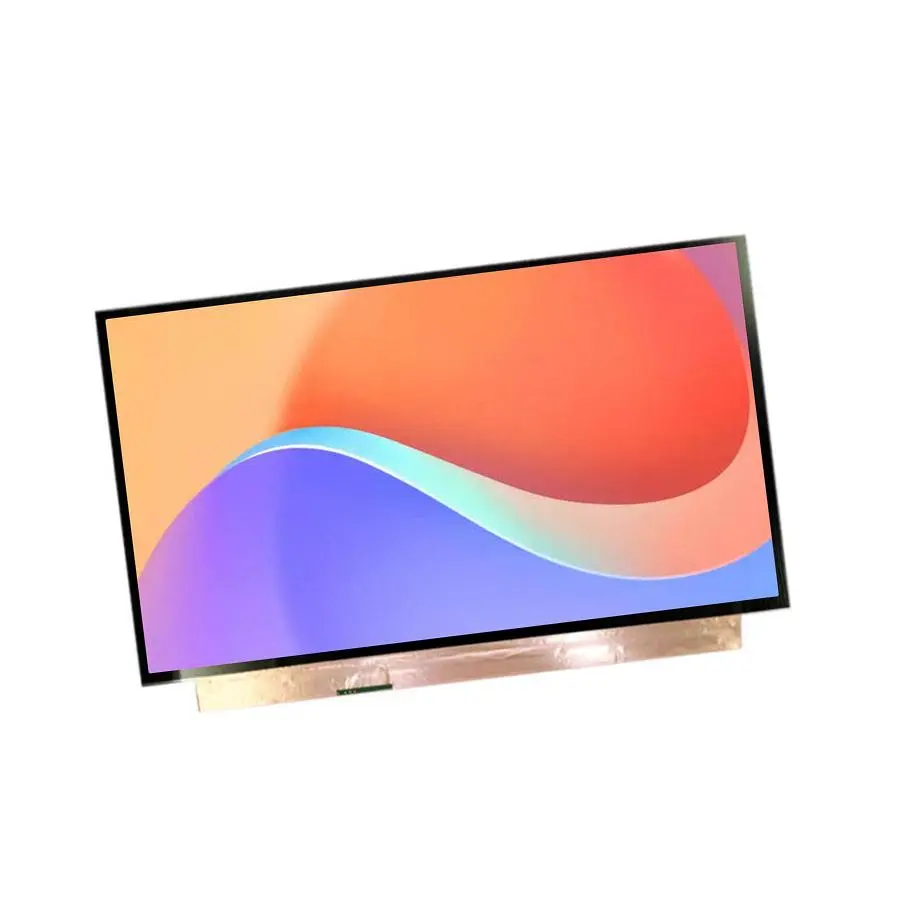
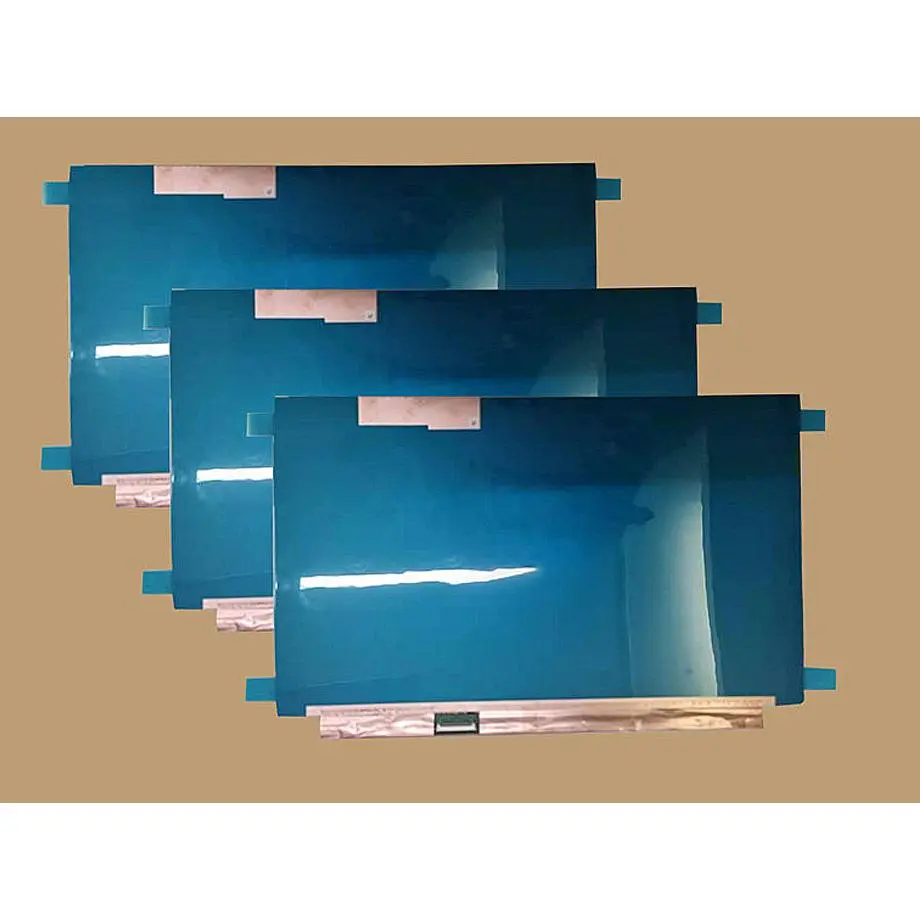
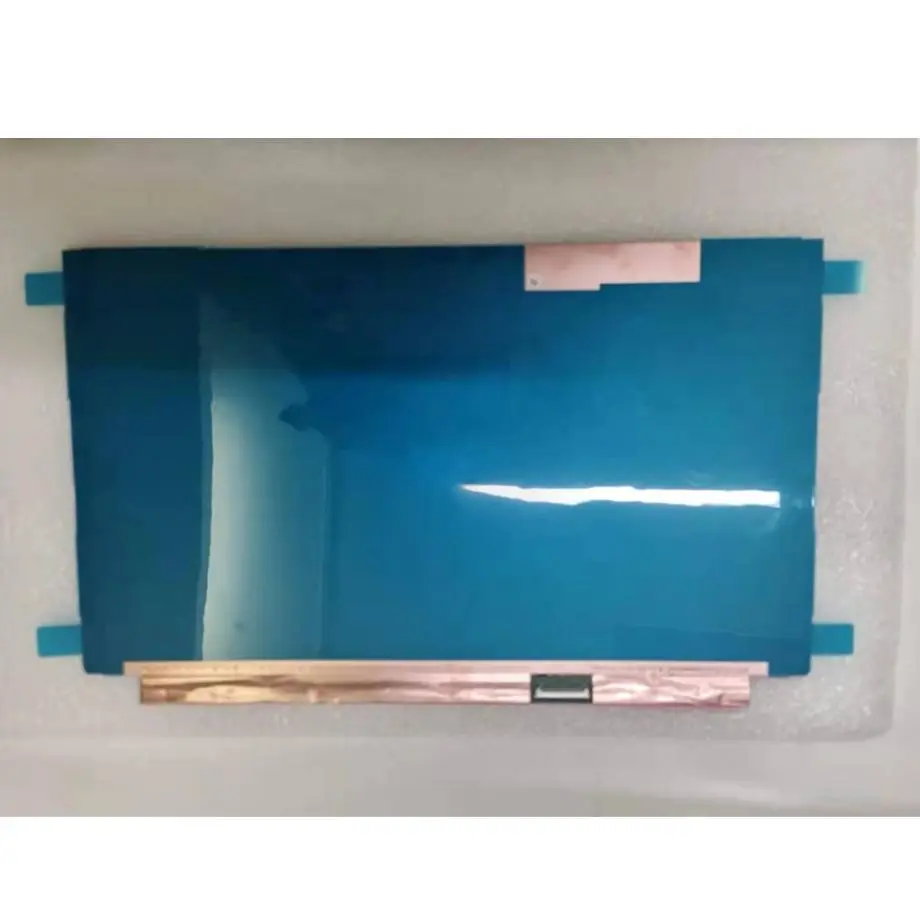
EF60UBA69.A Self-Emissive HDR OLED Laptop Panel 15.6in EDO
Model P/N
Size
Resolution
Brightness
Viewing Angle
Connector Type
Operating Temp
Overall(mm)
edo
EF60UBA69.A
Brand
Panel Size (inch)
Model P/N
Resolution
Brightness (nits)
Viewing Angle
Contrast Ratio
Response Time
Overall (mm)
Active Area (mm)
Refresh Rate
Display Colors
Panel Type
Connector Type
Surface Treatment
Operating Temp
Touchscreen Type
Storage Temp
Work Mode
Pixel Format
Input Voltage (V)
Vibration Resistance
Designed For
Product Details
4K OLED Module Overview
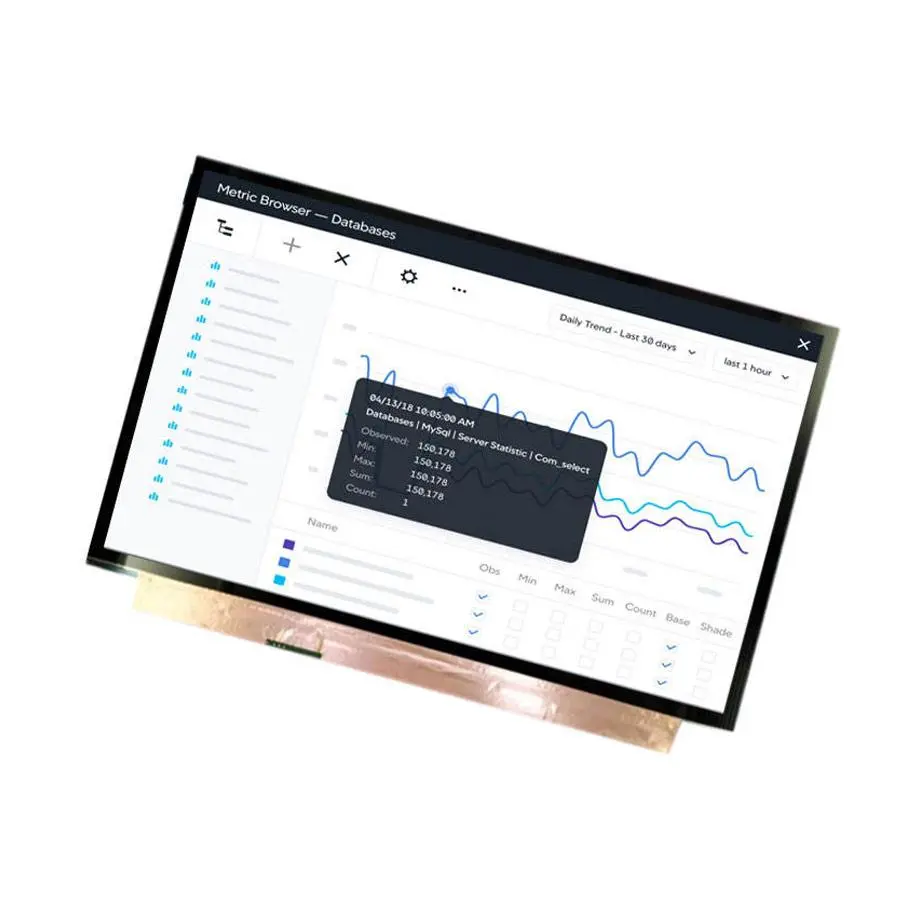
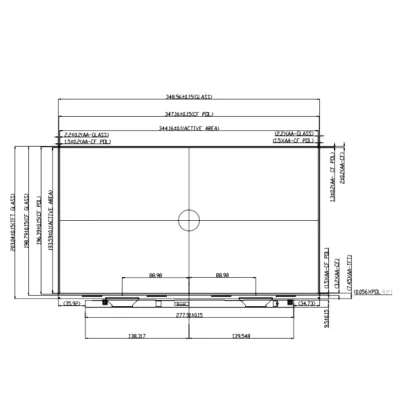
The EF60UBA69.A Self-Emissive HDR OLED Laptop Panel is a 15.6-inch EDO AM-OLED full module built around a 3840×2160 UHD raster. It is self-emissive rather than LED-backlit, so the integration discussion is different from a conventional TFT-LCD notebook panel: there is no separate WLED driver to size, but the host still has to meet the module’s eDP, power-rail, mechanical and thermal requirements. The active area is 344.218 × 193.622 mm within a 348.22 × 202.62 × 6.5 mm module envelope.
The optical baseline combines 450 cd/m² typical luminance with HDR500 labeling, 100000:1 typical contrast, 1.07 billion colors and 100% DCI-P3. The user-supplied form-style note describes a slim PCBA-bent construction with T≤3.5 mm in that configuration. That form-style note is preserved as supplied and should be checked against the released EDO mechanical drawing before a chassis is frozen.
Three Core Buyer Value Propositions
- High-density 4K image in a notebook-scale format. The 3840×2160 native raster and 15.6-inch diagonal give graphics and UI teams a high pixel-density canvas for premium laptop or workstation-class embedded displays. The system GPU, scaling policy and application layout still need to be designed for the native panel timing.
- OLED contrast and wide-gamut color without a separate backlight subsystem. The self-emissive architecture, 100000:1 typical contrast and 100% DCI-P3 color specification can simplify the illumination stack compared with a WLED LCD. It does not remove the need to validate panel power, thermal behavior, image retention strategy and brightness management in the finished device.
- Defined eDP 1.4b transport for modern embedded graphics. Four HBR2 lanes and a 40-pin connector provide a clear starting point for host design. The connector count alone is not a compatibility guarantee; link rate, lane mapping, AUX behavior, power sequencing and the exact pin definition must be verified from model documentation.
Key Specifications at a Glance
| Model / maker | EDO EF60UBA69.A |
|---|---|
| Display technology | 15.6-inch AM-OLED full module; self-emissive |
| Native image | 3840×2160 UHD, 16:9 |
| Optical baseline | 450 cd/m² typical; HDR500; 100% DCI-P3 |
| Host link | eDP 1.4b, 4 lanes, HBR2 5.4G/lane, 40-pin connector |
| Power rails | 3.3 V / 12.0 V typical (VDD / VBAT) |
| Touch | Without integrated touch panel |
| Temperature | -30 to 70 °C operating; -40 to 85 °C storage |
How should the eDP link be engineered?
The EF60UBA69.A Self-Emissive HDR OLED Laptop Panel uses embedded DisplayPort rather than LVDS, MIPI DSI or HDMI as its native panel interface. EDO lists eDP 1.4b with four HBR2 lanes at 5.4 Gbit/s per lane and a 40-pin connector. VESA Embedded DisplayPort guidance explains why eDP is widely used for high-resolution embedded displays and why link configuration, power-management behavior and panel-side control matter in portable systems.
Link bandwidth and native timing
The controller should expose the panel’s native 3840×2160 mode at the approved 60 Hz operating point and should not rely on a generic 15.6-inch eDP preset. Validate link training, lane count, link rate, pixel encoding, color depth and any required display-stream behavior against the current panel documentation. A system that can drive another 4K eDP panel is not automatically pin- or firmware-compatible with this module.
AUX, EDID and power-state behavior
Embedded DisplayPort systems commonly use AUX-channel transactions and panel power states as part of initialization and runtime power management. Treat EDID or panel identification data as one input to the integration, not as a substitute for the electrical specification. During prototype bring-up, log link-training failures, sleep/wake behavior and resume timing because those faults can appear intermittent if the power sequence is marginal.
40-pin connector review
Before cable release, compare the exact connector pinout with the host board. Check high-speed pairs, AUX, grounds, panel power, auxiliary rails and control pins. Do not approve a cable only because both ends are described as 40-pin eDP. Mechanical keying, contact assignment and rail definitions can vary across notebook panels.
What do HDR500 and 100% DCI-P3 mean for the finished product?
The panel’s 450 cd/m² typical luminance, HDR500 label and 100% DCI-P3 color coverage are useful optical design inputs, but the finished product still needs system-level color and brightness validation. The EF60UBA69.A Self-Emissive HDR OLED Laptop Panel should be measured with the final GPU pipeline, operating-system color profile, brightness-control implementation and thermal policy. OLED luminance can interact with image content and thermal management in ways that differ from a constant-backlight LCD.
Everdisplay AMOLED company and application overview identifies laptops among EDO’s medium-size AMOLED application areas and describes the company’s focus on high-resolution AMOLED products. That supports laptop/notebook positioning for this exact-model page without implying compatibility with a particular notebook chassis or OEM platform.
Color-management implications
A 100% DCI-P3 panel can display a wider gamut than standard sRGB content, so uncontrolled color handling may make familiar assets look oversaturated. Validate ICC or operating-system color management, application behavior and any factory calibration workflow. If the project requires a specific white point, delta-E target or professional color mode, those are system requirements and should not be inferred from gamut coverage alone.
Glossy surface tradeoffs
The module is specified with a glare surface and Haze 0%. That can support a clear, high-contrast appearance in controlled lighting, but it can also increase visible reflections in bright environments. A notebook cover, anti-reflection treatment or protective layer changes the optical stack, so any additional film or glass should be evaluated for reflection, color shift and mechanical fit.
Key Specifications
| Active area | 344.218 × 193.622 mm |
|---|---|
| Module outline | 348.22 × 202.62 × 6.5 mm |
| Viewing angle | 89/89/89/89 typical at CR≥10 |
| Contrast | 100000:1 typical |
| Color | 1.07B; 100% DCI-P3; Low Blue Light |
| Surface | Glare, Haze 0% |
| Response | 1 ms typical Tr+Td |
| Refresh | 60 Hz |
| Pixel layout | RGB Delta |
| Vibration reference | 1.5G (14.7 m/s²) |
How should power and thermal behavior be validated?
The module lists 3.3 V / 12.0 V typical VDD/VBAT rails. Those values describe panel/module power inputs; they do not define the complete system power budget. Obtain the current EDO electrical specification for current limits, sequencing, ripple tolerance, inrush behavior and low-power states before selecting regulators or protection devices.
Because the module is self-emissive, display power can vary with image content and brightness strategy. A realistic validation plan should include dark UI, mixed desktop content, bright full-screen content, HDR playback and repeated sleep/wake cycles. Measure panel temperature and regulator headroom inside the intended notebook lid or enclosure rather than on an open bench.
Thermal boundary conditions
The supplied operating range is -30 to 70 °C and storage range is -40 to 85 °C. These are module limits, not a guarantee that a finished laptop can run every workload at those ambient conditions. The enclosure, processor heat, hinge area, cable routing and display brightness can all affect the panel’s local temperature. System qualification should therefore use instrumented prototypes.
Where does this OLED fit best?
Same-model application research identifies laptop use, and the 15.6-inch 16:9 geometry, 4K raster, eDP interface and slim construction are consistent with premium notebook and mobile-workstation display projects. The EF60UBA69.A Self-Emissive HDR OLED Laptop Panel can also be screened for other embedded products that genuinely use a notebook-style 15.6-inch eDP architecture, but the page should not imply exact fit in all-in-one PCs, industrial HMIs or custom equipment without mechanical and electrical validation.
For replacement work, compare more than size and resolution. The replacement study should include active area, outline, thickness, connector location, 40-pin definition, eDP link behavior, power rails, color performance, surface finish and operating temperature. An apparently similar 15.6-inch 4K OLED may use a different connector pinout, firmware expectation or mechanical datum.
What should procurement confirm before design freeze?
Procurement should request the current EDO specification, mechanical drawing, connector definition, eDP timing/link requirements, power-sequence limits and any reliability or qualification documentation required by the project. Third-party exact-model market references currently describe the model as in production, but that status is not a guarantee of HS-LCD stock, MOQ, lead time, second-source coverage or long-term supply.
For a notebook program, freeze the approved panel revision together with the cable drawing, motherboard display-output configuration, graphics firmware and mechanical lid design. If a later panel revision changes the PCBA, connector, firmware or optical stack, that baseline helps engineering decide whether a partial or full requalification is required.
Sample-stage questions
Ask whether the sample revision matches the intended production revision, whether the host requires a specific firmware table, and whether the mechanical drawing reflects the supplied PCBA-bent configuration. Confirm that the panel is supplied without integrated touch, because a project requiring touch will need a separate touch/cover solution and a separate host interface.
Engineering Answers in Brief
EF60UBA69.A is a self-emissive AM-OLED full module, so it does not use a separate WLED backlight driver.
EF60UBA69.A uses four-lane eDP 1.4b at HBR2 as the native display link; HDMI or USB-C are system-side interfaces only if an appropriate controller or bridge is present.
The 100% DCI-P3 and HDR500 specifications are panel-level optical inputs, not proof of a calibrated professional-color workflow in the finished product.
The supplied -30 to 70 °C operating range supports wide-temperature screening but does not establish any automotive, industrial or military qualification.
Procurement Checklist
- Confirm the current EDO specification and released mechanical drawing.
- Verify the exact 40-pin eDP definition, four-lane HBR2 requirements and host link-training behavior.
- Review 3.3 V / 12.0 V rail sequencing, current limits and low-power states.
- Check active area, outline, connector position and the supplied PCBA-bent form-style note against the chassis.
- Validate color management, HDR behavior, reflections and thermals in the final optical/mechanical stack.
- Confirm sample revision, production status and change-control expectations for the actual procurement date.
How should a first article be qualified?
Start with electrical bring-up at native 4K timing, then verify repeated cold boot, warm reboot and sleep/wake cycles. Exercise the display across representative image content while logging rail behavior, link stability and panel temperature. Next, install the panel in the intended lid or enclosure and repeat brightness, color and reflection checks under realistic lighting. The EF60UBA69.A Self-Emissive HDR OLED Laptop Panel should only be released after the mechanical drawing, cable, host firmware, power design and optical behavior have all been validated together.
Recommended: Same Size
(15.6")
Applications & Value of LCD Panel

- Fast sourcing with in-stock panels & cross-reference alternatives
- Stable supply chain with long-term availability
- Engineering-level support from panel to integration
- Custom solutions: cable, touch & optical bonding
- Strict quality control with IQC / OQC / aging test
- Full traceability system for quality assurance
- Complete technical documentation & drawings
- Compliance support: RoHS & certification files
